
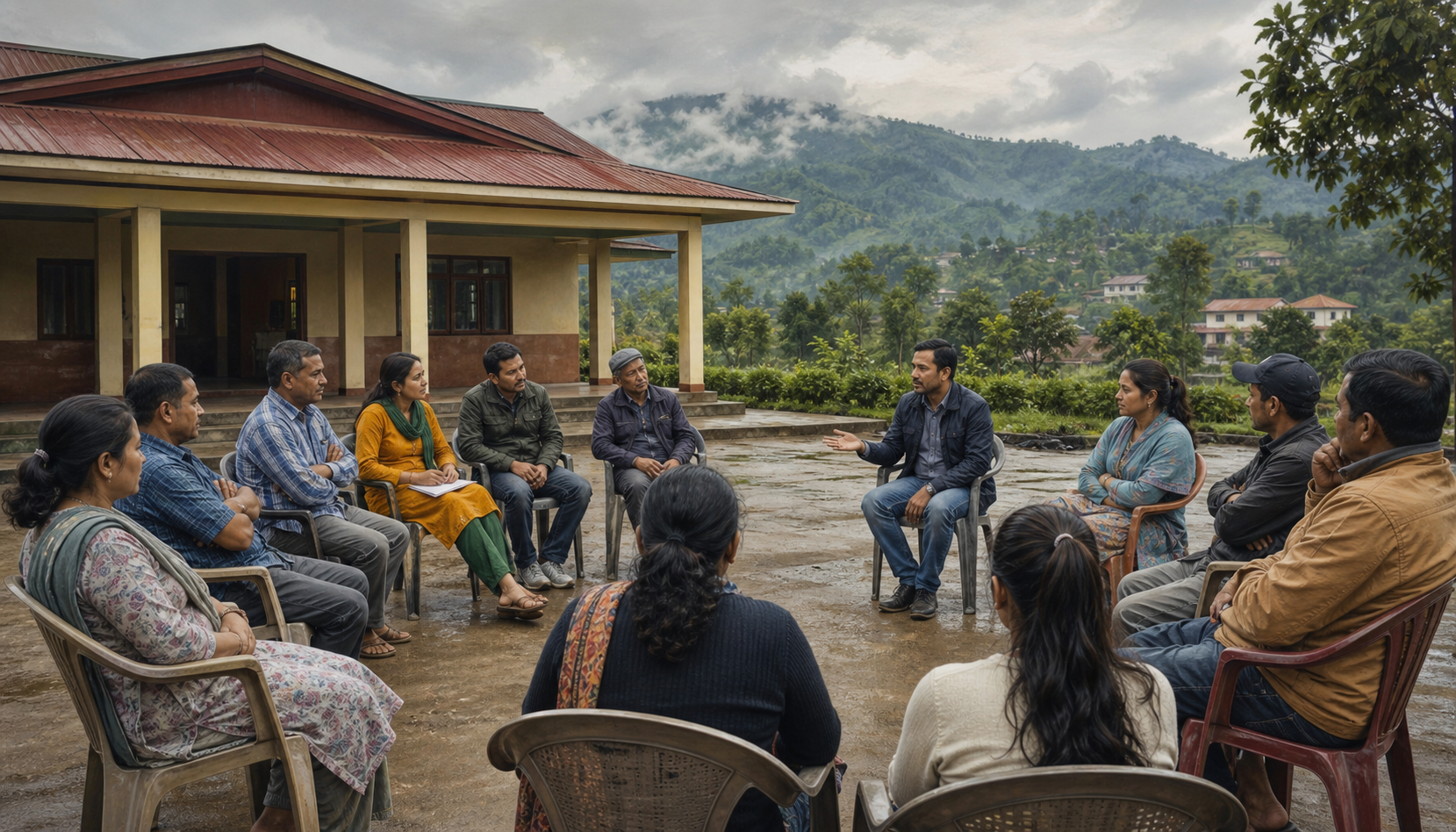
The controversy over religious conversion in Kushalnagar brings two legitimate concerns into the same frame: protecting people from coercion and protecting their freedom to choose, retain, or change a faith. The practical challenge is to distinguish unlawful conduct from voluntary belief without turning suspicion into collective blame.
A DharmaRenaissance Blog report dated July 1, 2026, described a rally of thousands of Hindu community members in Kushalnagar, in Karnataka’s Kodagu region. Participants reportedly sought stronger action over alleged conversions involving pressure, deception, or material incentives. Those claims express substantial local anxiety, but the report does not by itself establish that particular offences occurred.
Key takeaways
- The Kushalnagar rally demonstrates organised public concern; it does not constitute proof of the allegations that motivated it.
- Religious liberty protects voluntary belief and propagation, while force, fraud, and improper inducement raise a separate legal question.
- Authorities need specific complaints, protected witnesses, documented evidence, and legally appropriate public updates rather than conclusions based on slogans or rumours.
- Long-term religious confidence depends on education, welfare, cultural transmission, and ethical community service as well as legal enforcement.
The constitutional question is consent, not religious identity

The supplied article places the dispute within Article 25 of the Constitution of India, which protects freedom of conscience and the right to profess, practise, and propagate religion, subject to constitutional limitations including public order, morality, and health. Its central implication is that religious persuasion and religious compulsion cannot be treated as the same activity.
The report also cites Rev. Stainislaus v. State of Madhya Pradesh, describing it as the Supreme Court decision supporting state regulation of conversion secured through force, fraud, or allurement. It further identifies the Karnataka Protection of Right to Freedom of Religion Act, 2022, as part of the state-level legal and political background.
These principles point toward a conduct-based test. The relevant inquiry is not whether officials, campaigners, relatives, or religious organisations approve of a person’s decision. It is whether that person could decide freely, with an adequate understanding of what was being proposed and without threats, deception, exploitative pressure, or prohibited incentives. The same standard must guard against coercing someone to convert and coercing someone not to convert.
What the rally shows – and what it cannot prove
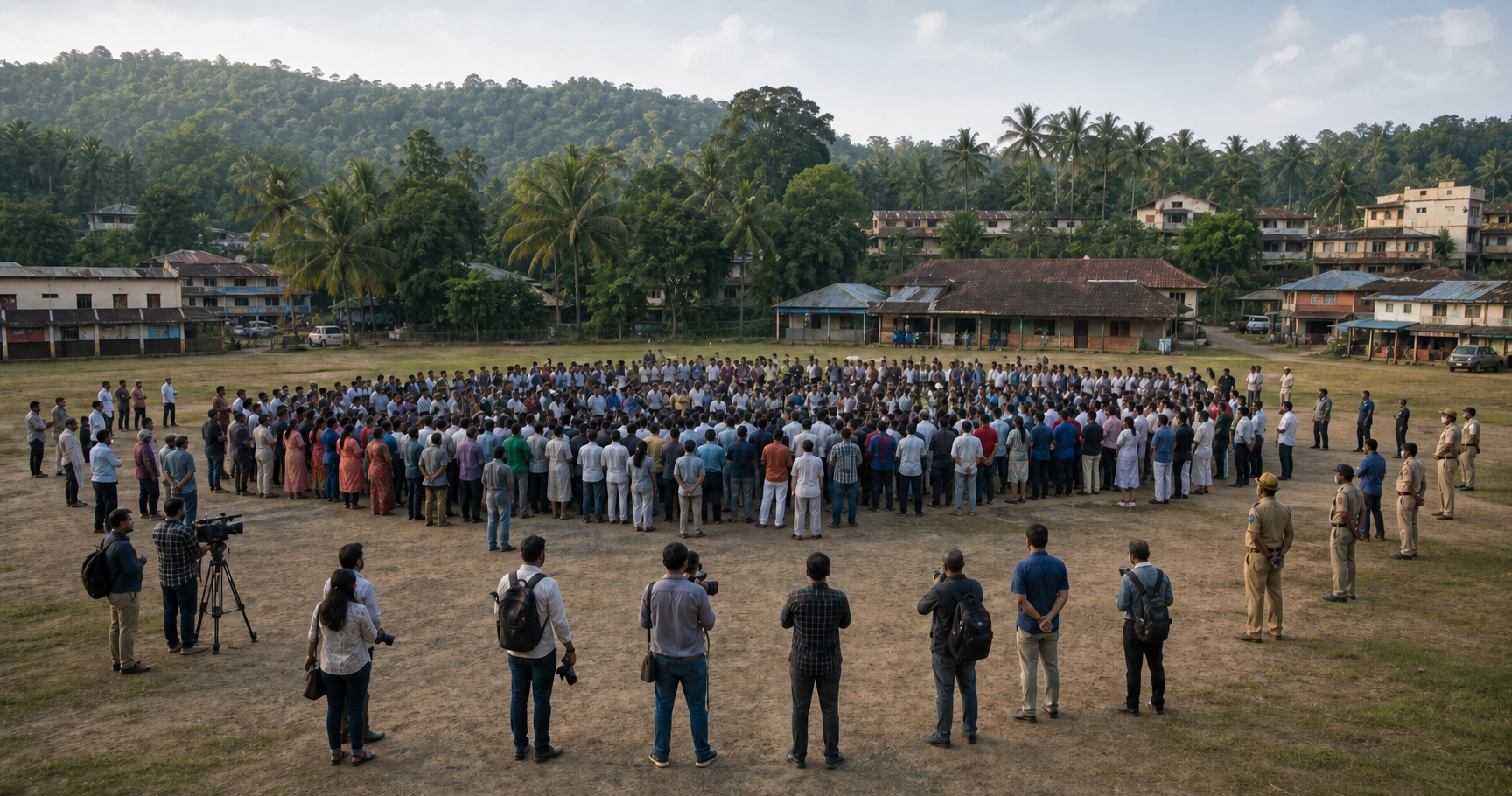
A gathering reported to involve thousands of people is politically and socially significant. It indicates that concerns about religious continuity and institutional trust have acquired a public constituency in Kushalnagar. The source connects those concerns to rural and economically vulnerable families, as well as to claims involving healing, schooling, employment, money, marriage, or social advancement.
Religious identity in such a dispute is not merely a private label. As the report observes, it can be interwoven with festivals, ancestral shrines, temples, marriage practices, funeral rites, local memory, and the education of children. Communities may therefore experience suspected manipulation as a disruption of social relationships, not only as a theological disagreement.
That context explains the intensity of the reaction, but it cannot settle the underlying facts. The available account comes from one publication and presents the controversy largely through the concerns voiced by Hindu groups. It establishes that allegations and demands for action were reported; it does not independently verify individual cases, identify adjudicated offences, or provide responses from every affected party.
Three levels should consequently remain separate: public concern, a specific allegation, and a legal finding. Treating them as interchangeable could deny justice in opposite ways. A genuine complainant might be lost in a cloud of general rhetoric, while an innocent person or institution might be condemned without evidence.
An evidence-led local response
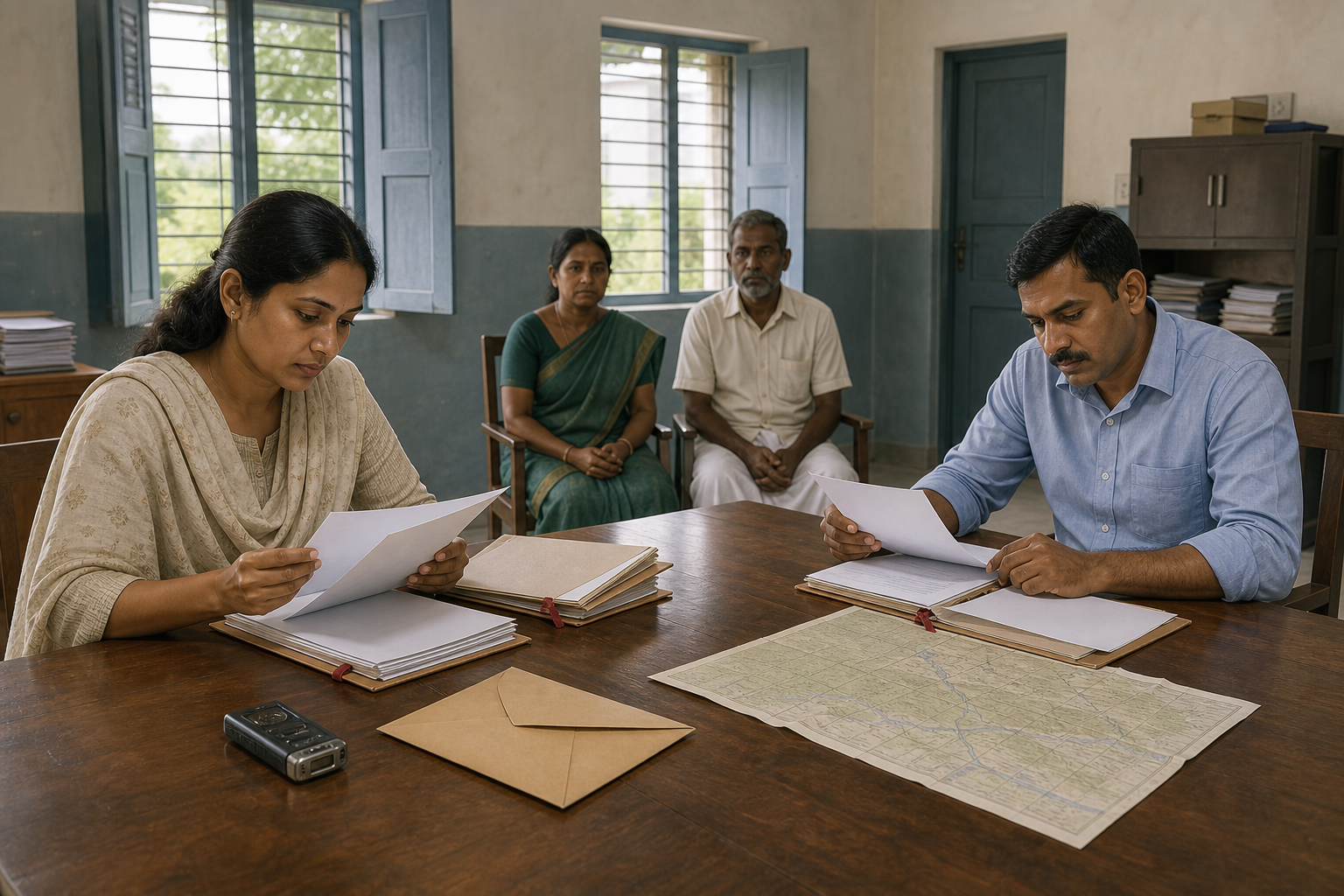
Receive complaints and protect participants
The source recommends that police invite written complaints and provide witness-protection safeguards where required. A usable complaint should identify the conduct at issue rather than relying on assumptions about a person’s religious affiliation. Statements from the person whose conversion is disputed are especially important because the freedom being examined is that individual’s freedom of conscience.
Investigate particular conduct
Authorities can examine testimony, communications, financial or institutional connections where legally relevant, and other evidence tied to a defined incident. This approach can reveal whether pressure or deception occurred while avoiding the presumption that worship, teaching, charity, or interfaith contact is inherently unlawful.
Communicate without conducting a public trial
Legally appropriate updates from district officials can reduce the space in which rumours grow. The report also proposes consultations involving Hindu, Buddhist, Jain, Sikh, Christian, Muslim, and civil-society representatives. Such meetings would be most useful when they clarify procedures, discourage retaliation, and direct evidence to competent authorities rather than attempting to decide disputed cases through negotiation or public pressure.
Community resilience must be more than resistance

The Kushalnagar debate also exposes the relationship between religious freedom and material vulnerability. If illness, debt, inadequate schooling, or weak access to welfare leaves a family dependent on private intermediaries, controversy over conversion may reflect a broader failure of public institutions. Reliable health care, education, livelihood support, and legal awareness can reduce unequal dependence while benefiting residents regardless of religion.
The source argues that Hindu organisations can complement protest with regional-language and Sanskrit education, temple-linked service, youth mentoring, women’s safety networks, rural health initiatives, and legal-literacy work. The underlying principle extends beyond any one tradition: a community retains trust when its institutions make belonging tangible through knowledge, care, accountability, and everyday participation.
The article similarly invokes the Dharmic values of seva, ahimsa, compassion, restraint, and disciplined self-cultivation. Applied publicly, these values support firm scrutiny of alleged abuse without hostility toward Christians or other minorities as groups. They also require respect for an adult whose sincere conclusion differs from that of family or community leaders.
Kushalnagar’s next meaningful test will be whether concern is converted into verifiable complaints, impartial investigation, stronger public services, and peaceful cultural renewal. That course can protect religious continuity without making individual conscience its casualty.