
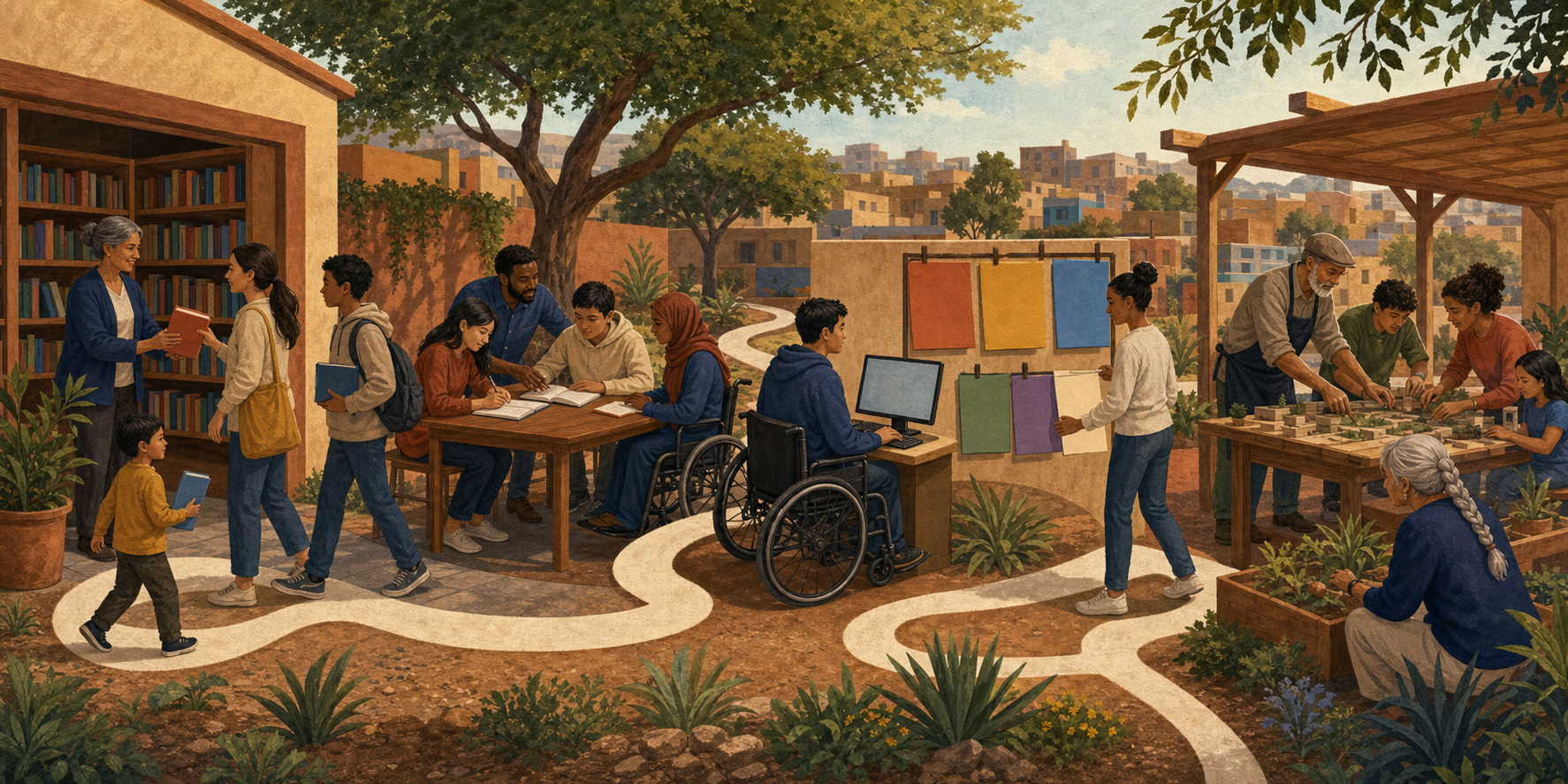
Removing a price barrier can place a book, course or research paper within reach, but it does not automatically make the knowledge usable. Genuine access depends on the entire path from discovering a resource to understanding, evaluating and applying it.
The supplied source article presents affordability as part of a wider public system involving educators, libraries, technology, language, quality control and cultural stewardship. Viewed together, these dimensions offer a practical framework for expanding access without neglecting the labour and institutions that make dependable knowledge possible.
Key takeaways
- The real cost of learning includes materials, subscriptions, examinations, software, connectivity, transport, childcare and time spent finding trustworthy resources.
- Open files are most useful when learners also have structure, explanation, feedback and opportunities to apply what they study.
- Digital availability becomes practical access only when resources work with learners’ devices, connections, abilities and languages.
- Open access must preserve standards through transparent methods, responsible review, reliable metadata and long-term preservation.
- Cultural materials require informed stewardship as well as circulation, particularly when sacred, private or sensitive knowledge is involved.
Access is a chain, not a price tag
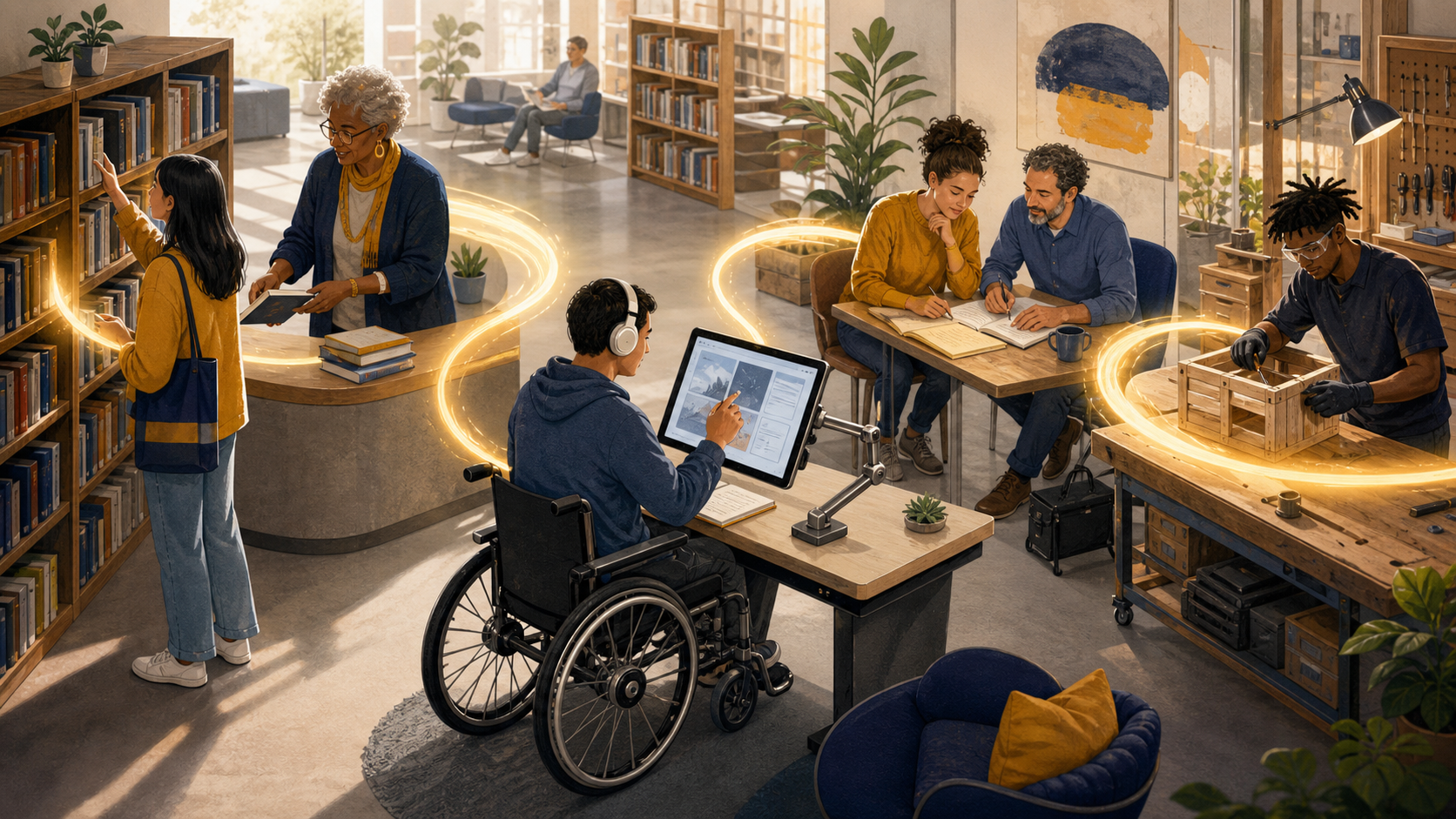
A resource can be free and still remain beyond a learner’s reach. The source article identifies a collection of costs that can accumulate around education: textbooks, journal subscriptions, examination fees, software licences, internet service, transportation, childcare and the time needed to locate credible material. This shifts the central question from whether information is nominally available to whether a person has a realistic opportunity to use it.
Practical access has several linked conditions. A learner must be able to find the material, obtain it at a manageable cost, use it with available technology, understand its language and presentation, judge its reliability and connect it to a meaningful course of study. Failure at any point can make formal availability largely symbolic.
This chain also explains why unequal access compounds over time. According to the source, a well-resourced learner may combine current publications with dependable technology, expert instruction, suitable study space and professional networks. Someone with fewer resources may have to spend additional time finding substitutes for each advantage. The inequality lies not only in what each person possesses, but also in how much effort each must expend merely to reach a comparable starting point.
The consequences extend beyond individual educational progress. The article connects learning with stronger communities, capable institutions, informed citizenship, scientific work, cultural continuity and economic resilience. On that account, affordable knowledge is not simply a consumer benefit. It is infrastructure whose value can spread through the institutions and communities in which learners participate.
Open materials need guidance, standards and support
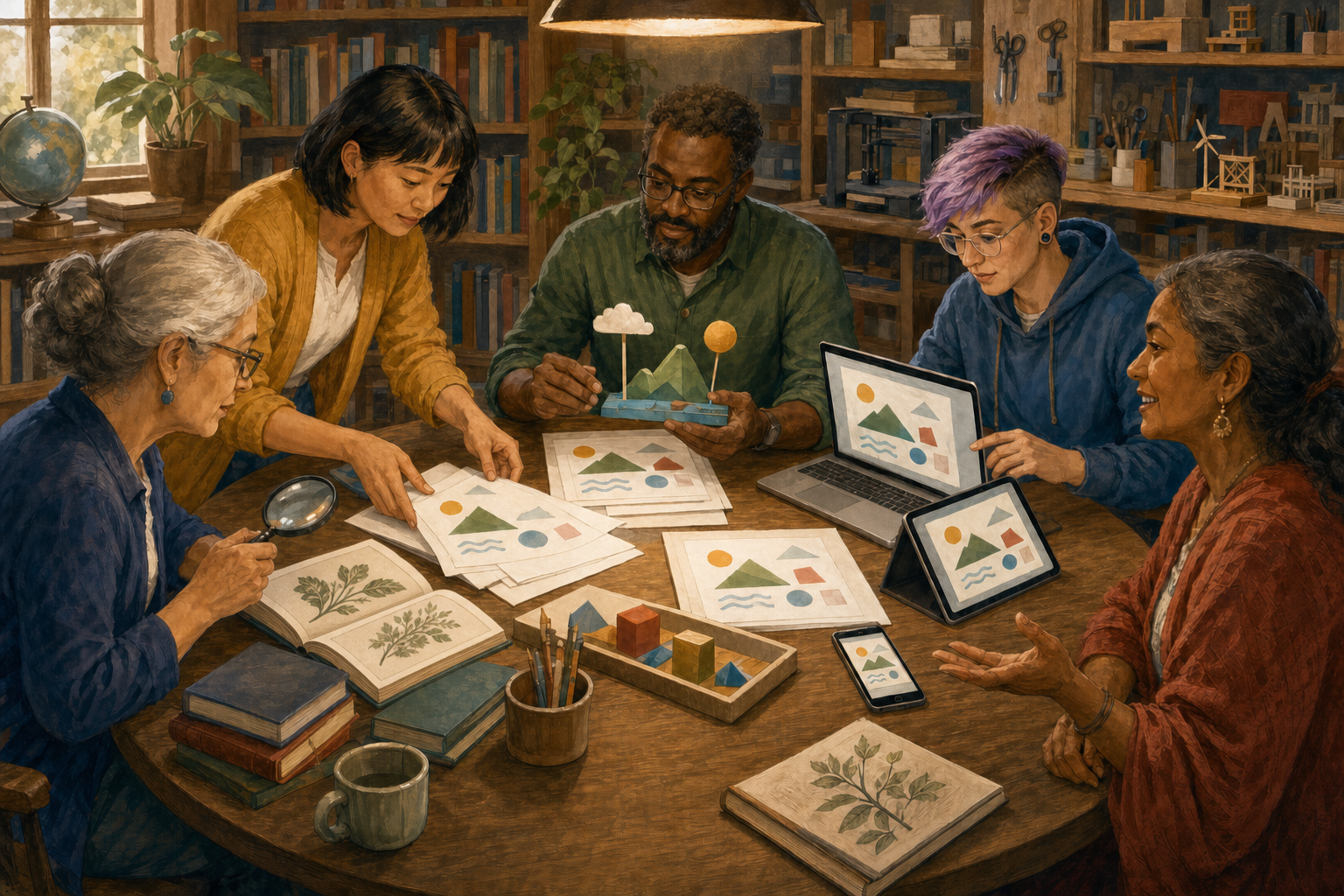
Open educational resources can reduce direct costs while giving educators permission to reuse and adapt textbooks, lectures, exercises and course modules. As the source explains, those permissions can allow a teacher to reorganize a lesson, introduce locally meaningful examples, clarify a difficult passage or translate material for another linguistic community. Openness therefore contributes not only to affordability but also to educational adaptability.
Open access to research has a related function. The source reports that removing subscription barriers can make scholarship more reachable to people outside wealthy institutions, including students, teachers, clinicians, entrepreneurs, journalists, community organizations and independent researchers. Wider readership can support scrutiny and collaboration, but reach alone does not establish reliability.
The distinction between information and knowledge is crucial here. Search tools can expose a learner to a large quantity of material, yet comprehension still depends on organization, context and the ability to distinguish evidence from assertion. A free book or paper can open an intellectual door, but curricula, skilled teaching, discussion, assessment, feedback and mentorship often help learners move through it.
Quality and affordability should consequently be treated as complementary goals. The source emphasizes transparent methods, responsible review, accurate metadata, stable preservation and clear disclosure of limitations as features of trustworthy open scholarship. These functions require labour. Although digital material can often be copied at very low additional cost, research, writing, editing, reviewing, translating, hosting and preservation still need resources. A durable access model must therefore distribute those costs fairly rather than pretending they have disappeared.
Libraries remain important within that model. The article describes them as more than collections of books and databases: they preserve collective memory, negotiate shared access, teach research skills, provide study environments and connect communities with trained professionals. Their role is especially valuable when private subscriptions, commercial services or suitable places to study are unavailable.
Digital, linguistic and cultural barriers reshape openness

Putting material online can widen its potential audience while reproducing older inequalities in a new form. The source notes that online learning depends on electricity, devices, connectivity, digital literacy and accessible design. A video-heavy course may be technically public yet impractical on a slow or expensive connection, while an intricate interface may exclude people using assistive technology or inexpensive mobile devices.
Low-bandwidth pages, searchable text, downloadable transcripts, captions, audio alternatives, adjustable typography and offline study packages can turn nominal access into actual use. The source treats these features as integral design choices rather than optional additions. That distinction matters because retrofitting accessibility after publication can leave some learners waiting or dependent on incomplete substitutes.
Language creates another boundary. Material may carry an open licence and still be socially closed to its intended community if it is not available in a language readers use comfortably. Translation, multilingual indexing and vernacular instruction can broaden participation while allowing learners to remain connected to their cultural and intellectual settings. They can also help knowledge move in more than one direction, instead of positioning dominant institutions as the only recognized producers.
Translation is not merely mechanical substitution. The source observes that terms rooted in particular philosophical systems may lack exact equivalents in another language. Introductory explanations should therefore identify significant interpretive choices and, where possible, guide readers toward primary materials. Acknowledging ambiguity is part of accuracy, especially when presenting traditions shaped by extended histories of commentary and debate.
Cultural access also has ethical limits. The article argues that manuscripts, oral histories, ritual practices, artistic forms and community archives cannot always be separated from the people who have preserved them. Digitization may assist education and preservation, but unrestricted circulation may be unsuitable for sacred, private or sensitive material. Consultation, attribution, contextual explanation and respect for legitimate community protocols are therefore components of responsible openness.
This is particularly relevant to the Hindu, Buddhist, Jain and Sikh traditions discussed in the source. Affordable translations and educational resources can support comparative study, but access should not flatten internally diverse traditions into a single account. Shared learning is strengthened when meaningful differences, custodial responsibilities and competing interpretations remain visible.
A practical test for meaningful access
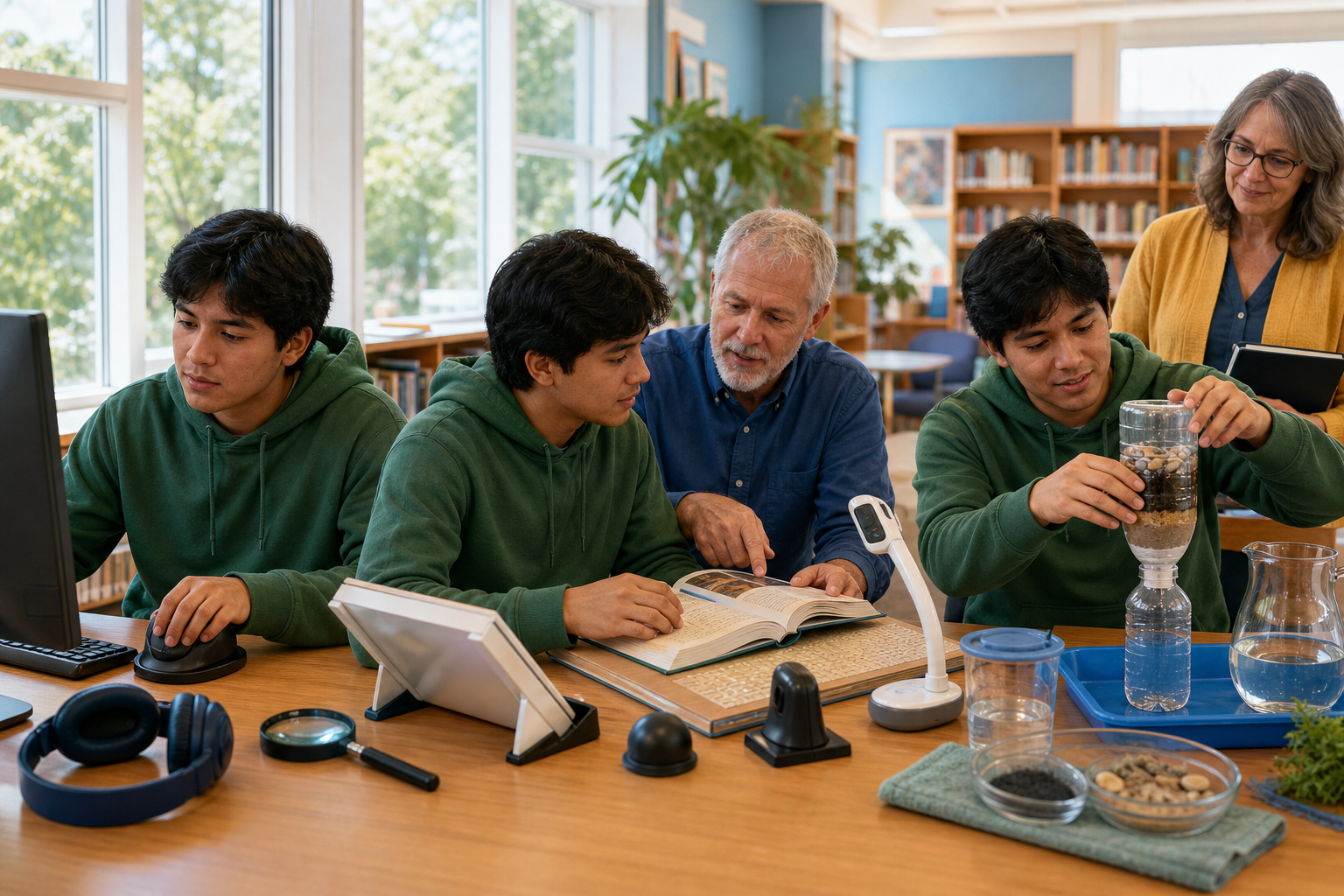
An institution evaluating an educational resource can begin with cost but should not stop there. It should examine whether the intended audience can discover the material, whether the format works under realistic technical conditions, whether language and accessibility needs have been addressed, and whether learners can obtain guidance when the subject demands it. It should also ask how evidence is reviewed, limitations are disclosed, updates are managed and preservation is funded.
The same review should consider who has authority over culturally sensitive material and whether the people represented have been consulted and credited. Finally, the institution should identify a sustainable way to support authors, editors, reviewers, teachers, translators, librarians, technologists and custodians. These questions turn open access from a narrow publishing decision into a coherent educational policy.
The most promising knowledge systems will make affordability, usability, trust and stewardship reinforce one another. Progress will depend on designing for real learners from the beginning and treating public access as a continuing responsibility rather than a one-time act of publication.