
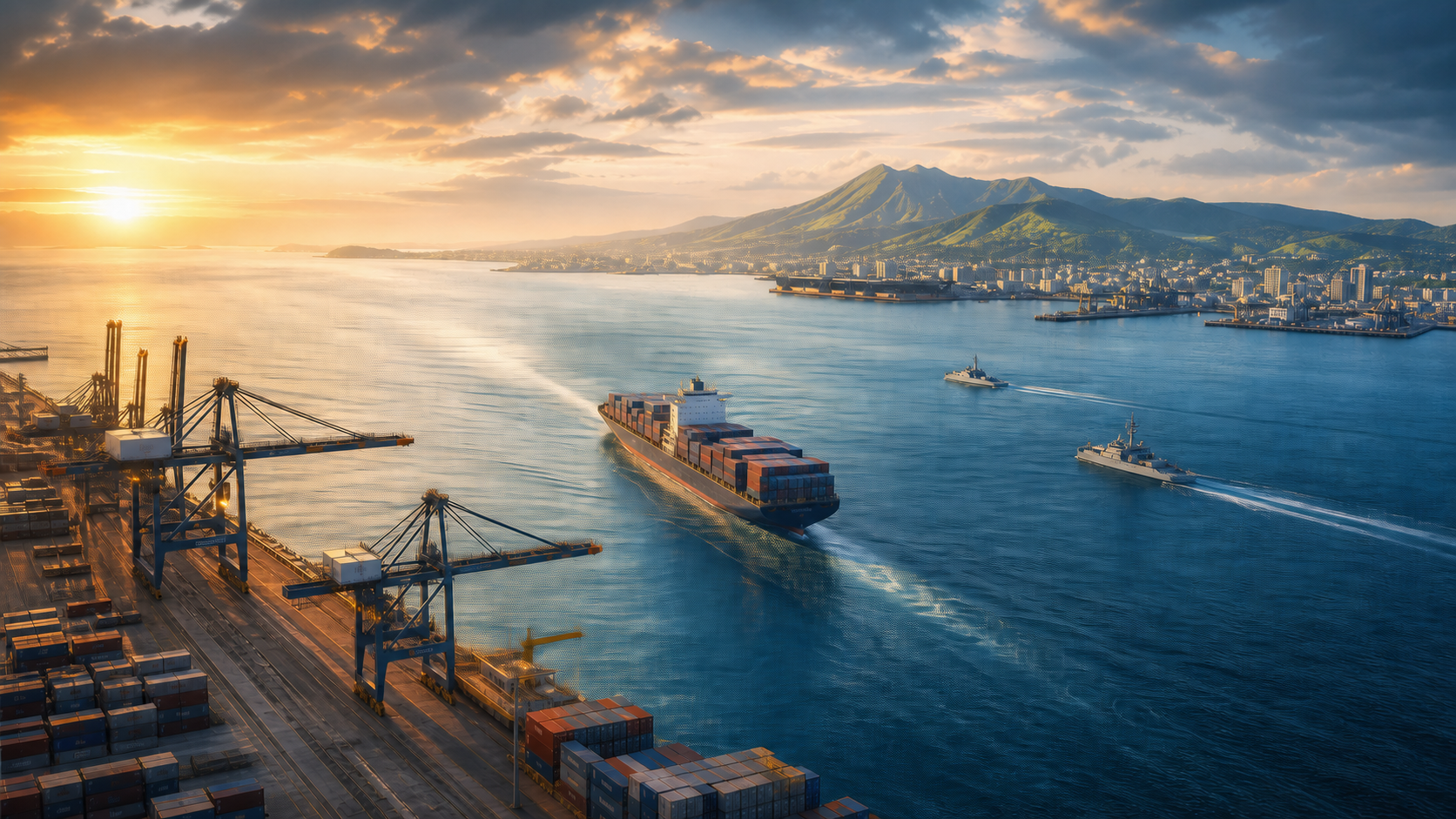
India and New Zealand’s new strategic partnership is best understood not as a free-trade agreement with security provisions attached, but as an effort to make commerce, maritime cooperation and political trust reinforce one another. DharmaRenaissance Blog reports that Narendra Modi’s Auckland visit on 10-11 July 2026, the first by an Indian prime minister in forty years, produced both a formal Strategic Partnership and an India-New Zealand Strategic Partnership: Roadmap to 2030.
The significance lies in how the pieces fit together. Trade can give the relationship a broader domestic constituency, while defence contacts and diplomatic continuity can make economic engagement more resilient. The central question is therefore not whether trade or security matters more, but whether the two countries can turn a high-level framework into dependable cooperation.
Key takeaways
- The reported 2026 elevation gives a previously cordial but intermittent relationship a defined strategic framework and a common horizon of 2030.
- The aspirational NZ$7 billion two-way trade target supplies a commercial benchmark, but it is not by itself a measure of strategic success.
- Maritime activity in the Tasman Sea and political friction involving the Cook Islands helped make New Zealand’s changing security environment more tangible.
- Defence logistics, hydrography, surveillance, disaster resilience and regular diplomatic contact will matter only if headline commitments become routine institutional practices.
A trade agreement with strategic consequences
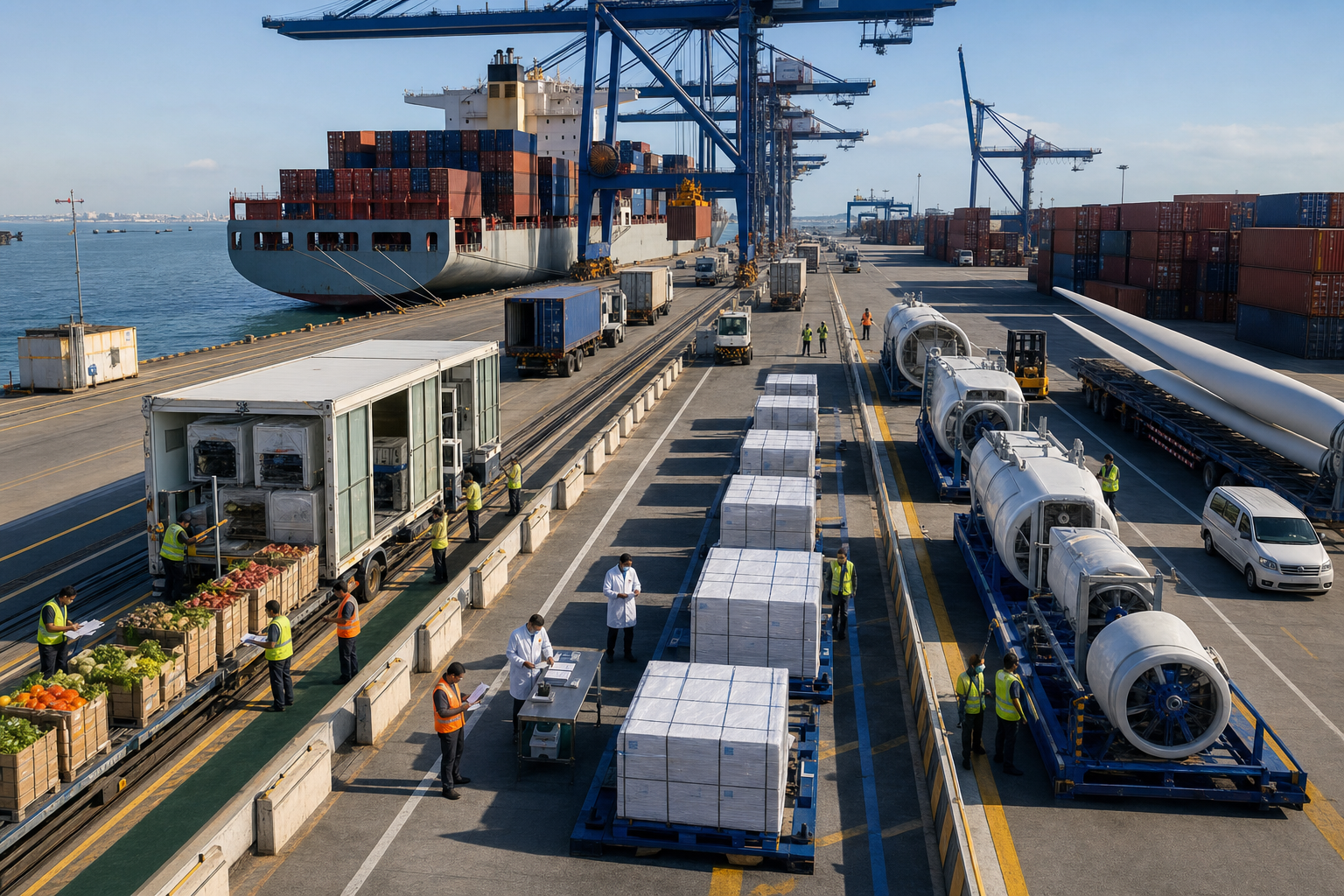
DharmaRenaissance Blog reports that Modi and New Zealand Prime Minister Christopher Luxon endorsed an aspirational goal of NZ$7 billion, approximately INR 35,000 crore, in two-way trade by 2030. The word “aspirational” is important: this is a policy target rather than a forecast. Its strategic value will depend on whether businesses experience more predictable market access and whether economic exchange becomes substantial enough to sustain political attention between summits.
The chronology indicates that commerce and security developed together. According to the source, Luxon’s March 2025 visit to India launched free-trade negotiations and produced a Memorandum of Understanding on Defence Cooperation, alongside initiatives involving education, customs, horticulture, forestry and sport. The same period brought attention to exercises, staff-college exchanges, naval visits, maritime safety and the protection of sea lanes.
This sequencing changes the interpretation of the trade agreement. Defence was not presented merely as ceremonial language added after commercial negotiations. Both tracks reflected a broader decision to invest in the relationship. Deeper trade can create stakeholders who favour continuity, while military and diplomatic cooperation can improve confidence that the partnership will withstand regional uncertainty.
The practical effects will also differ by constituency. Exporters will judge the relationship through customs procedures and the movement of time-sensitive goods. Students and researchers will look for reliable institutional links. Defence personnel will focus on training, information, navigational support and operational access. Families and diaspora communities will experience the partnership through mobility and connectivity. A durable strategic relationship needs these everyday interests as well as official declarations.
New Zealand’s security rethink changes the bilateral logic
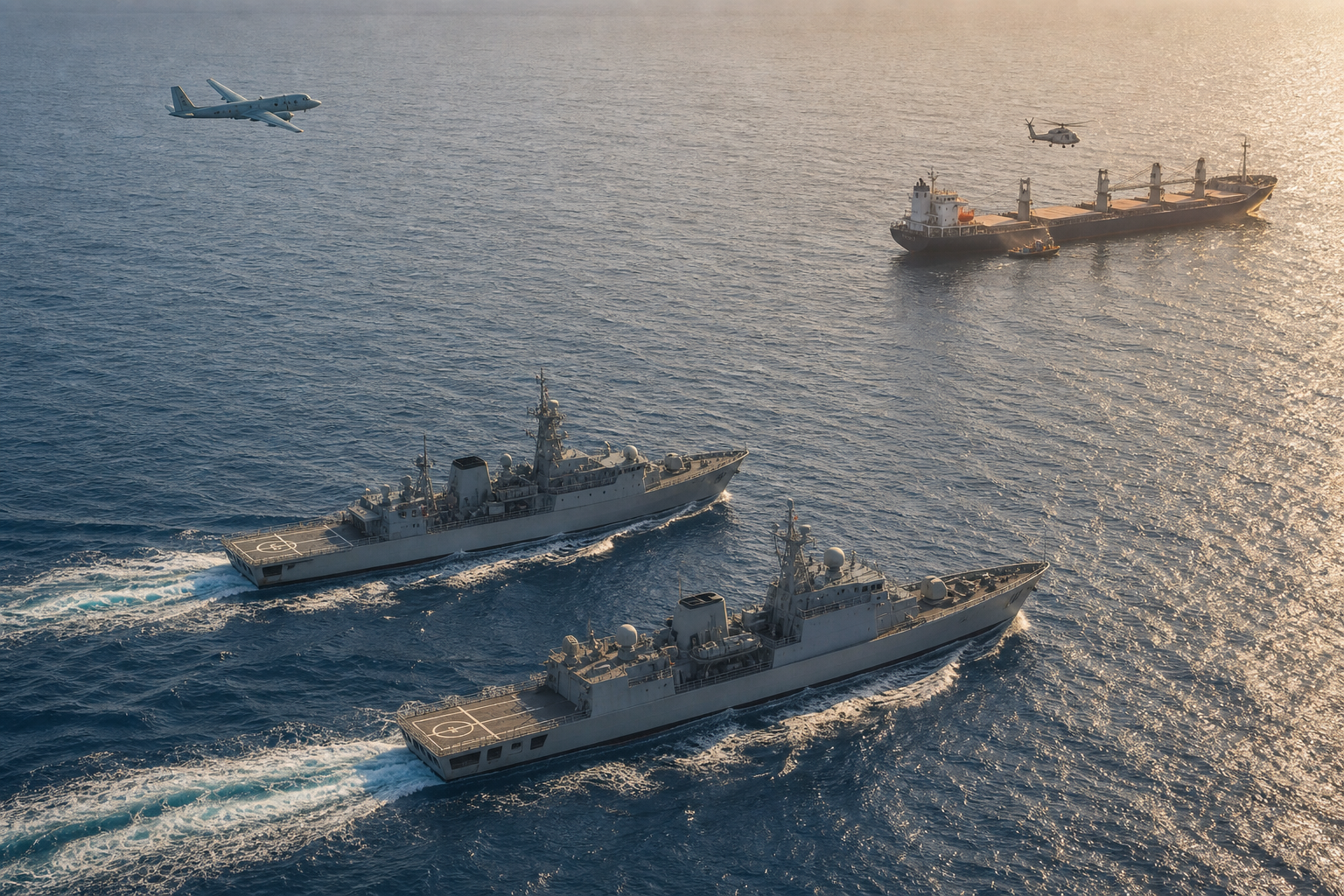
The source places the partnership against a less comfortable regional setting for New Zealand. It reports that a three-ship People’s Liberation Army Navy group entered the Tasman Sea in February 2025 and conducted live-fire activity in an area used by trans-Tasman aviation. The vessels were in international waters, so the deployment was not described as unlawful. The concerns instead involved its unusual location, its demonstration of operational reach and the handling of safety notification.
That distinction is essential. Freedom of navigation applies to Chinese vessels as it does to other navies, but a lawful deployment can still communicate strategic capability. For a country responsible for monitoring a very large maritime area with a comparatively small force, the appearance of a sophisticated naval group near major approaches creates demands for detection, tracking and coordination.
A separate episode involved the Cook Islands, a self-governing state in free association with New Zealand. DharmaRenaissance Blog reports that the Cook Islands signed a Comprehensive Strategic Partnership and related agreements with China in February 2025, covering fields that included infrastructure, economic cooperation and seabed minerals. The blog, citing Radio New Zealand, says Wellington later paused NZ$18.2 million in development assistance for 2025-26 amid disagreement over consultation.
The source also cautions that no publicly released agreement established a Chinese military base in the Cook Islands. The strategic issue was subtler: infrastructure, technical dependence, resource arrangements, data access and political networks can influence future choices without a formal basing agreement. For Wellington, the dispute raised questions about how far historical and constitutional relationships can be relied upon to produce continuing alignment.
Neither episode should be treated as the sole cause of New Zealand’s defence planning. Capability programmes take time to prepare. The incidents instead illustrated the wider pressures that planning was intended to address: distance offers less insulation when military forces can deploy farther and external influence can operate through both security and economic channels.
Defence modernisation creates a practical opening

DharmaRenaissance Blog reports that New Zealand’s 2025 Defence Capability Plan identified its strategic environment as the most difficult in decades. The plan set out indicative expenditure of NZ$12 billion on major capabilities and essential support over four years, including NZ$9 billion above the previous baseline, while establishing a path towards defence spending above two per cent of gross domestic product within eight years.
The reported priorities are especially relevant to the maritime character of cooperation with India. They include sustaining the Anzac-class frigates, obtaining persistent surveillance through autonomous vessels, replacing ageing maritime helicopters, improving long-range remotely piloted aircraft, developing counter-drone capabilities, strengthening space-enabled communications and surveillance, and examining longer-range strike options. Later decisions are expected to include replacements for frigates and offshore patrol vessels.
This programme reflects New Zealand’s difficult operational geography: its forces must cover national waters, an extensive search-and-rescue region, Pacific approaches and the Southern Ocean while retaining the ability to respond to natural disasters. Persistent sensors, shared information and compatible systems can help a small force direct crewed ships and aircraft where they are most needed.
India’s role should not be overstated as a substitute for New Zealand’s own capabilities. The more realistic contribution of the partnership is to increase the utility of national investments through training, logistics, data exchange, hydrographic cooperation and interoperability. Nothing in the supplied account describes a formal alliance. Its value instead lies in widening both countries’ options and making coordination easier when their interests coincide.
From declarations to operating habits
The reported joint framework spans maritime security, defence logistics, hydrography, counter-terrorism, technology, disaster resilience and continuing diplomatic coordination. That breadth is useful only if each field produces an identifiable practice. Logistics arrangements must support actual visits, exercises or access when required. Hydrographic cooperation must produce navigational information that operators can use. Technology and counter-terrorism engagement require trusted channels and clear safeguards. Disaster resilience benefits from planning undertaken before a cyclone, earthquake or tsunami creates an emergency.
Regularity is the connecting principle. Port calls, professional education, exercises and official reviews build familiarity over time; sporadic activity does not. The forty-year interval between Indian prime-ministerial visits illustrates why institutional mechanisms matter. A strategic partnership becomes credible when routine cooperation can continue despite leadership changes, competing crises and periods without a major summit.
The economic and social tracks face the same test. A trade target has limited meaning if border processes remain unpredictable, while educational or research ties remain vulnerable if they depend on isolated initiatives. Conversely, practical gains for businesses, students, researchers and families can give governments stronger reasons to preserve security and diplomatic engagement.
The 2030 test is institutional, not ceremonial

The Roadmap to 2030 and the trade target create a shared review horizon. By then, the most persuasive evidence of progress will be a pattern of recurrent maritime coordination, usable defence and hydrographic arrangements, smoother commercial exchange and institutions that remain active between political visits. If those habits take root, the 2026 breakthrough will mark a lasting change in the relationship rather than a high point that proved difficult to sustain.