
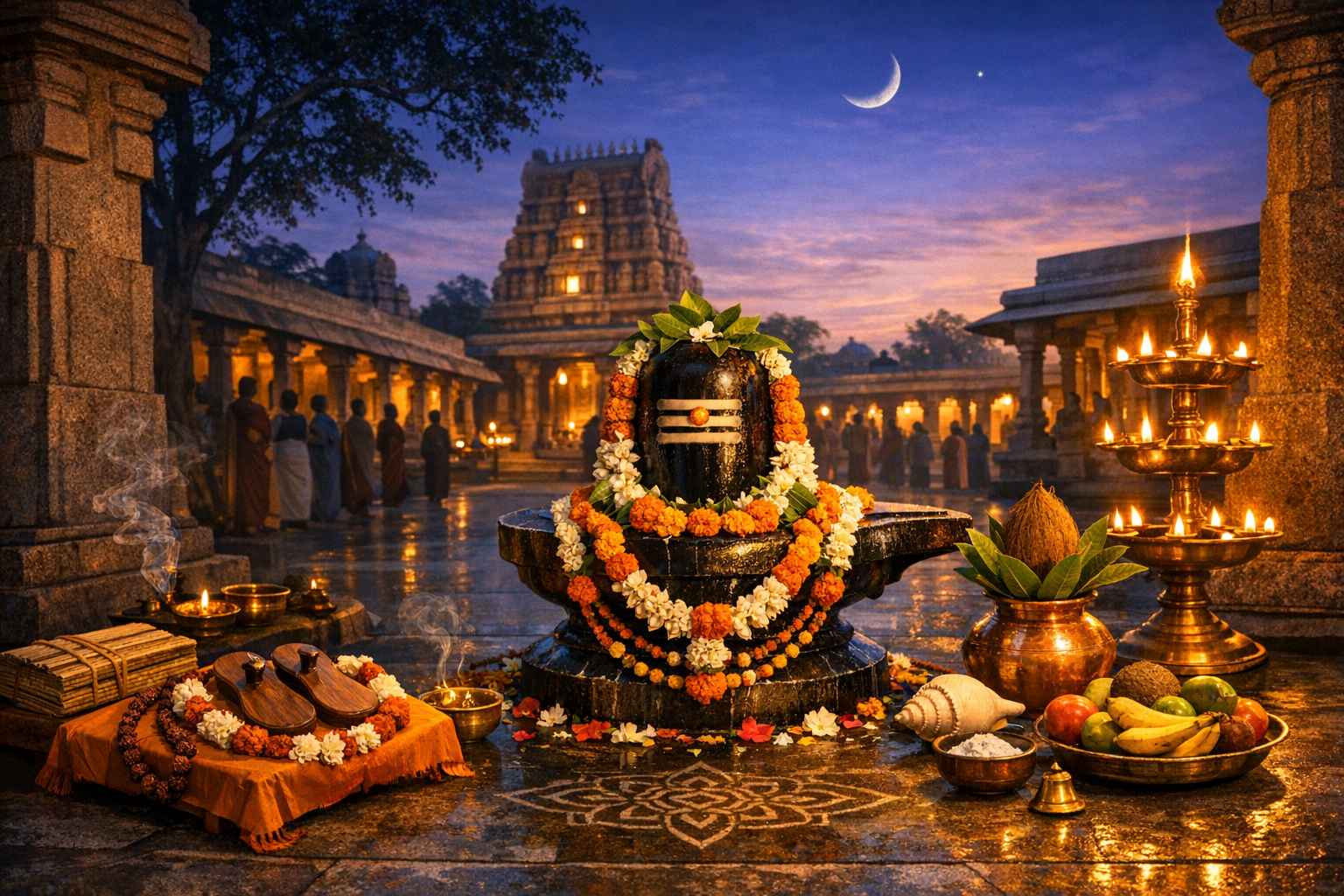
Kanchi Kamakoti Peetham in Kanchipuram announces its Vishesha Pujas and observances for June 2026, offering devotees an opportunity to participate in sanctified worship aligned to the Hindu lunisolar calendar. Presented here are the confirmed dates, the ritual significance of each observance, and practical guidance for those planning a visit during this spiritually resonant period.
Established in the tradition of Advaita Vedanta, Kanchi Kamakoti Peetham is renowned for preserving Vedic learning, Agamic worship, and a living Guru–Shishya parampara. Its liturgical calendar in Kanchipuramas one of India’s foremost temple townssynchronizes daily, fortnightly, and annual observances so that devotees can align personal sadhana with temple-based Seva, Abhishekam, Archana, and Veda-parayanam.
Vishesha Puja dates and key observances for June 2026 are as follows: Tuesday, 2 June 2026 Sri Shankara Vijayendra Saraswathi Shankaracharya Swamiji Ashrama Sweekara Day (commemoration); Friday, 12 June 2026 Pradosha Puja (Trayodashi, observed in the Pradosha-kala); Saturday, 27 June 2026 Pradosha Puja (Trayodashi, observed in the Pradosha-kala); Monday, 29 June 2026 Additional vishesha observance noted in the Peetham’s calendar; details to be confirmed closer to date. All observances are as per local panchang and Pradosha-kala at Kanchipuram (IST).
Significance of Ashrama Sweekara Day (2 June 2026): “Ashrama Sweekara” denotes the formal acceptance of Sannyasa-dharma by the presiding Acharya. At Kanchi Kamakoti Peetham, this day is marked with Guru-puja, special Veda-parayanam, and gratitude offerings that honor the living spiritual lineage. The commemoration reinforces the centrality of the Guru as the transmitter of knowledge (jnana), discipline (sanyama), and compassion (karuna) within dharmic life.
Understanding Pradosha Puja (12 and 27 June 2026): Pradosha, the twilight window on Trayodashi (the 13th lunar tithi), is especially sacred to Lord Shiva. The worship typically includes Panchamrita Abhishekam to the Shivalinga (or Chandramouleeshwara), Bilva-patra Archana, chanting of Shri Rudram–Chamakam, and deepa-aradhana in the liminal Pradosha-kalaa period that tradition defines as the sandhya spanning roughly 1.5 hours around local sunset. Devotees frequently note a distinct stillness and clarity during this worship, describing it as a time when sankalpas offered with humility feel especially potent.
Ritual flow and liturgical details: On Pradosha, Abhishekam customarily proceeds with water, milk, curd, honey, ghee, and sanctified waters, followed by alankara with vibhuti and flowers. Archakas may perform Bilva Ashtottara or Rudra Trishati, and the congregation participates in collective stotra-parayana. The theological emphasis is on kshama (forgiveness) and anugraha (divine grace), aligning individual discipline with cosmic rhythman ethos that Kanchi Kamakoti Peetham upholds through precise, Agama-guided kriyas.
How dates are determined (technical note): The Hindu calendar employed by temples relies on tithi (lunar day) computed from the relative longitudinal difference between the Sun and Moon. Pradosha is observed when Trayodashi overlaps the Pradosha-kala at the temple’s locale. Because tithi boundaries rarely align neatly with civil midnights and vary by longitude, devotees should note that temple observances follow local sunrise–sunset markers in Kanchipuram (IST). This is why published dates prioritize when Trayodashi meaningfully intersects the Pradosha window at that location.
Devotee guidance for participation: To benefit fully from these vishesha pujas, devotees often plan to arrive at least 45–60 minutes before the Pradosha-kala. Traditional dress (such as veshti/saree) supports the sanctity of the space, and it is customary to maintain silence during Veda-parayanam. Simple, sattvic offeringsBilva leaves, flowers, and fruitsare appropriate; many take a personal vow (sankalpa) related to self-discipline, seva, or study of scriptures during the fortnight that follows.
Best practices for a smooth darshan: Kanchipuram experiences heightened footfall during vishesha observances. Devotees commonly prepare by consulting the day’s Pradosha-kala (local sunset-based window), carrying minimal belongings, and respecting any mobile phone restrictions within sanctum-adjacent areas. Because panchang-based schedules occasionally adjust to ensure the tithi-pradosha alignment is honored within the temple’s ritual rhythm, it is prudent to re-check timings the same day.
Dharmic resonance and unity: The devotional center of these observancesreverence for the Guru and attention to twilight prayeris shared across dharmic traditions. The principle of sandhya (sacred transition) is reflected in practices such as Rehras Sahib at sunset within Sikh maryada, sandhya-vandanam in Hindu tradition, evening pratikraman in Jain sadhana, and mindful monastic observances in Buddhist communities tied to lunar calendars. The shared emphasis on discipline, compassion, and gratitude toward teachers underscores a civilizational unity that Kanchi Kamakoti Peetham’s calendar naturally embodies.
Key takeaways for June 2026: The calendar foregrounds three focal momentsAshrama Sweekara Day (2 June), and two Pradosha Pujas (12 and 27 June)with an additional vishesha observance noted on 29 June 2026 pending final temple communication. Each marks a distinct path of participation: honoring lineage, aligning with cosmic time, and cultivating inner steadiness. Approached with shraddha and adherence to decorum, these occasions provide a profound conduit for grace and collective well-being in Kanchipuram’s sacred milieu.
Inspired by this post on Hindu Pad.
