
India’s plural civilizational ethos and its Hindu festivals increasingly serve as inclusive platforms where indigenous communities from around the world gather to celebrate shared heritage. Such cultural exchange advances unity across dharmic traditionsHinduism, Buddhism, Jainism, and Sikhismwhile strengthening bonds with First Nations and other indigenous peoples committed to preserving living traditions.
A landmark moment unfolded at Medaram Jathara (Sammakka Saralamma Jathara) in Telangana, widely regarded as one of the world’s largest tribal festivals. Representatives of New Zealand’s Maori community visited India and participated in this major Hindu tribal congregation, demonstrating a spirit of respect and intercultural friendship.
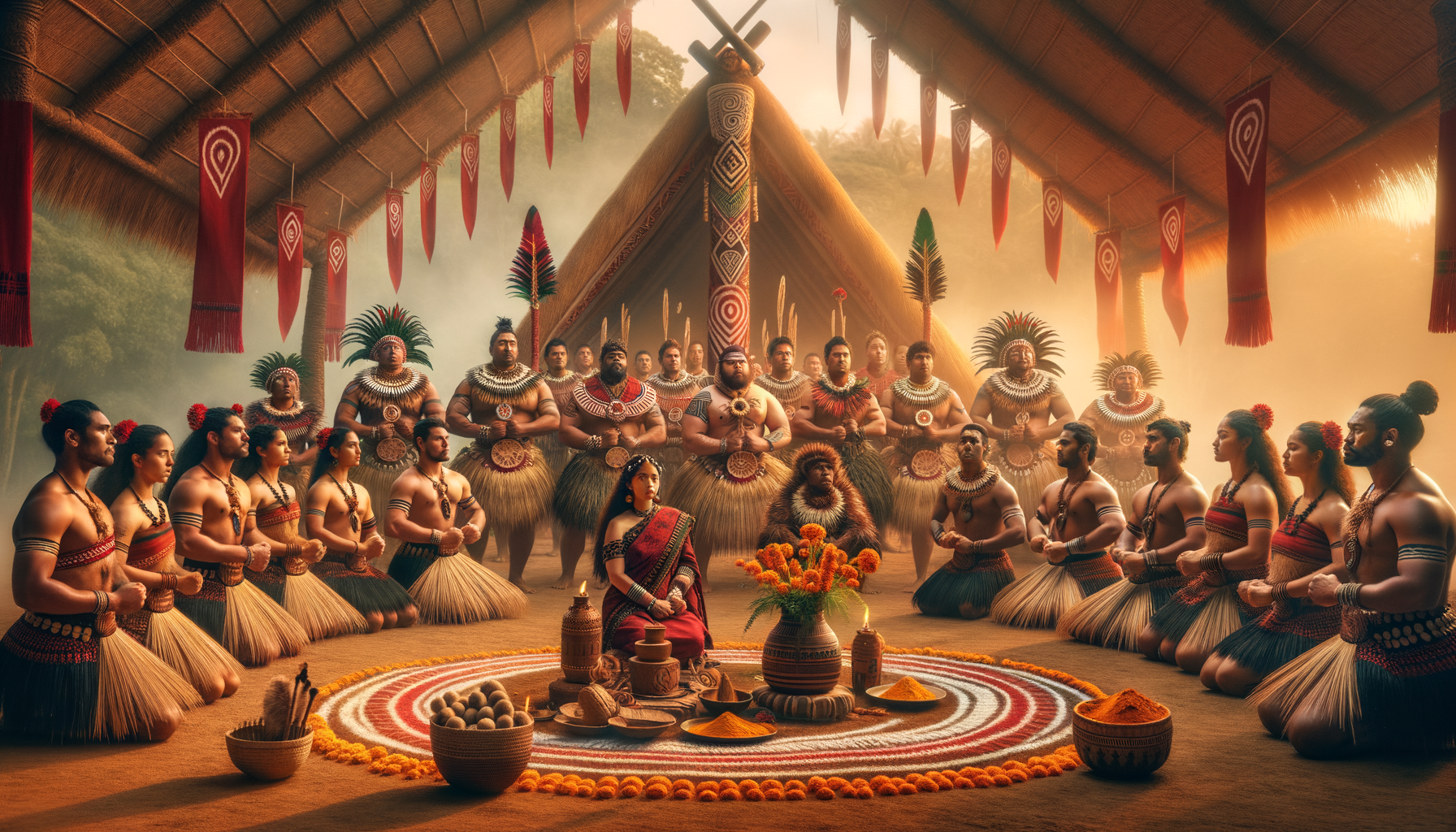
The Maori delegation performed the traditional Haka dance, a ceremonial expression of courage, kinship, and ancestral remembrance. Offered at the Jathara in honor of the revered tribal deities Sammakka and Saralamma, the Haka communicated solidarity with Hindu tribal devotees and affirmed shared values of resilience, reciprocity, and reverence for the sacred.
This encounter highlighted the festival’s inclusive character and its role as a bridge between diverse communities. By welcoming Maori representatives into a quintessentially Indian setting, Medaram Jathara modeled interfaith harmony and indigenous solidarity, inviting deeper understanding among practitioners from multiple dharmic paths alongside global indigenous traditions.
Beyond the ceremony, the visit illustrated how people-to-people cultural diplomacy can nurture long-term collaborationfrom educational exchanges and research on ritual practices to joint initiatives for safeguarding intangible cultural heritage. The event also underscored how community-led gatherings can serve as living classrooms for younger generations, inspiring pride in identity and responsibility toward cultural preservation.
Visual documentation of the Haka at Medaram Jathara captured the warmth with which the performance was received. The scenes of Maori and Indian participants honoring each other’s traditions conveyed an evocative message: unity in diversity is not an abstract ideal but a lived, celebratory practice.
As Medaram Jathara continues to draw millions, such cross-cultural participation strengthens a global network committed to heritage, dignity, and mutual respect. It also reaffirms India’s role as a hospitable space for dialogue where dharmic pluralism and indigenous wisdom meet in a shared pursuit of cultural continuity and spiritual fellowship.
Inspired by this post on Hindu Human Rights Blog.
