
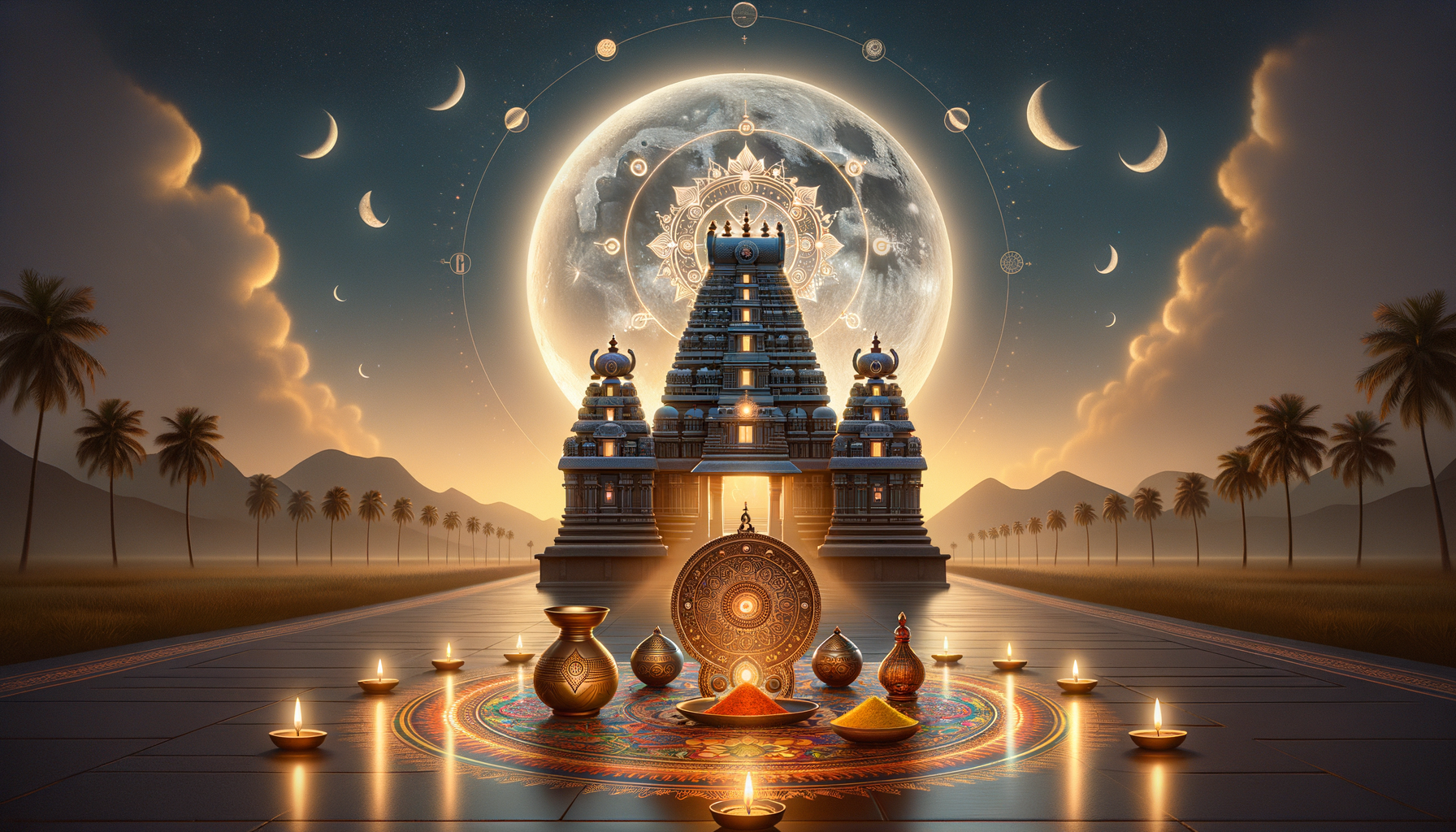
Phalguna Masam, the twelfth and concluding month in the traditional Telugu calendar, holds special cultural and spiritual significance. In 2026, Phalguna Masam begins on 18 February and ends on 18 March, aligning similarly across Telugu, Kannada, Gujarati, and Marathi calendars. This clear start–end window helps households, temples, and community organizations plan observances and festivals with confidence.
A defining feature of the month is its astronomical marker: the Purnima (Full Moon) that coincides with the region of Purva Phalguni or Uttara Phalguni Nakshatra. This alignment preserves the traditional method of lunar month naming and underlines how calendrical timekeeping in the Hindu calendar remains rooted in precise celestial observations (Panchang).
Across the Deccan and western India, Phalguna Masam is widely associated with community celebration and renewal. Holi, observed on Phalguna Purnima, symbolizes joy, the triumph of good over adversity, and the strengthening of social bonds. Many households observe vrata, participate in temple seva, and offer dana, deepening a sense of gratitude as the lunar year approaches its culmination.
The season’s spirit resonates across dharmic traditions. Shared valuesdevotion, service, and community harmonyare emphasized in practices that include kirtan, collective meals, and charitable initiatives. These expressions of unity reflect a broader civilizational ethos where diverse paths within Hinduism, Buddhism, Jainism, and Sikhism honor compassion, self-discipline, and mutual respect.
Regional Panchang differences (such as Amanta and Purnimanta conventions) can influence ritual timings and local festival schedules. While Phalguna Masam in 2026 runs from 18 February to 18 March across Telugu, Kannada, Gujarati, and Marathi calendars, it remains prudent to consult a local Panchang for muhurta selection, temple-specific events, and tithi-based observances.
For families and communities, this month often feels like a gentle threshold: homes brighten with rangoli, seasonal offerings are prepared, and elders recite stotras as children anticipate the colors and camaraderie of Holi. Such lived moments convey how calendrical knowledge, devotional practice, and cultural joy come together in Phalguna to mark both completion and hopeful beginnings.
Key takeaways for 2026: Phalguna Masam spans 18 February to 18 March; the Full Moon aligns with Purva Phalguni or Uttara Phalguni Nakshatra; Holi falls within this month; and local Panchang consultation ensures accurate muhurta for puja, yatra planning, and family ceremonies. In this way, Phalguna Masam sustains continuity between sky and society, aligning celestial rhythm with everyday practice.
Inspired by this post on Hindu Pad.
