
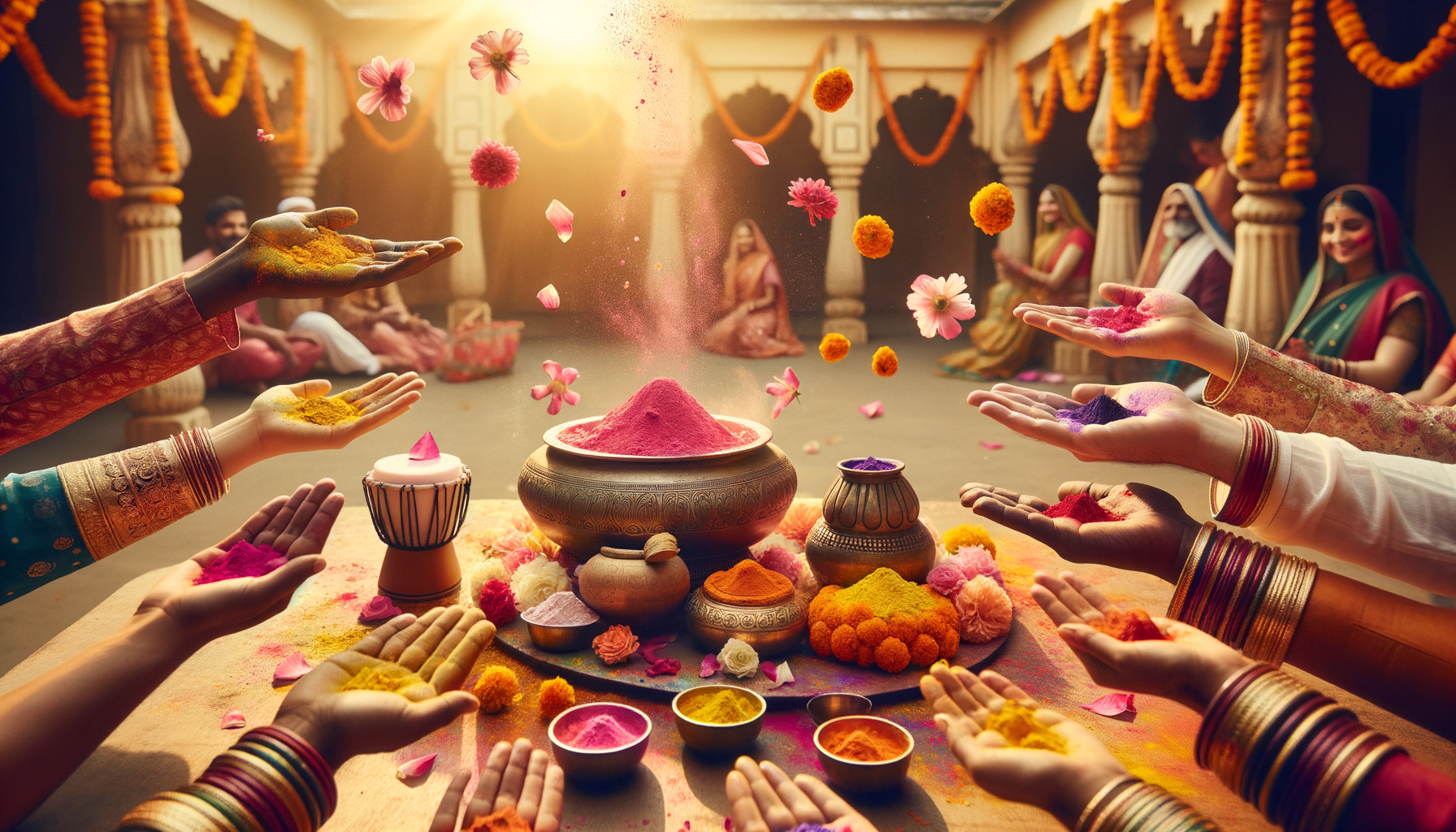
Dhuletialso called Holi Dhuleti or Dhuleti Holiis celebrated as the vibrant day of colors that follows Holika Dahan. In 2026, Dhuleti in India falls on March 4, marking the playful culmination of Holi’s festivities. In certain regional and temple traditions, an extended eight-day observance associated with the season of Holi concludes on this day, emphasizing renewal, joy, and community bonding.
In several North Indian Krishna temples, the day is observed as Vasanatotsav, welcoming spring with devotional music, floral decorations, and serene darshan. The colorful celebration symbolizes the transition to a new season, the lightness of collective joy, and the easing of social boundaries in a spirit of camaraderie consistent with the ethos of bhakti. These practices underscore the cultural and spiritual layers of Holi beyond festivity alone.
Across regions, the day is also known for Dhulivandan, observed in parts of western India as a respectful and cheerful acknowledgment of the festival’s conclusion. Communities often choose herbal or natural colors, celebrate with sweets, music, and dance, and emphasize consent and mindful use of watercustoms that preserve both cultural meaning and environmental responsibility. Such observances help maintain the dignity and inclusivity that define the festival of colors.
While rooted in Hindu tradition, the spirit of Dhuleticelebrating friendship, compassion, and social harmonyresonates across the wider dharmic family that includes Buddhism, Jainism, and Sikhism. Many neighborhoods and institutions host inclusive cultural gatherings where families from diverse backgrounds share in the season’s conviviality. This shared participation strengthens unity, honors pluralism, and reflects a common commitment to peace and goodwill.
Those outside India may find local dates vary slightly due to time zones and community calendars; consulting a regional panchang or nearby temple schedule is recommended. Whether observed as Dhuleti, Vasanatotsav, or Dhulivandan, the day’s enduring message remains constant: celebrate renewal with joy, responsibility, and mutual respect.
Inspired by this post on Hindu Pad.
