
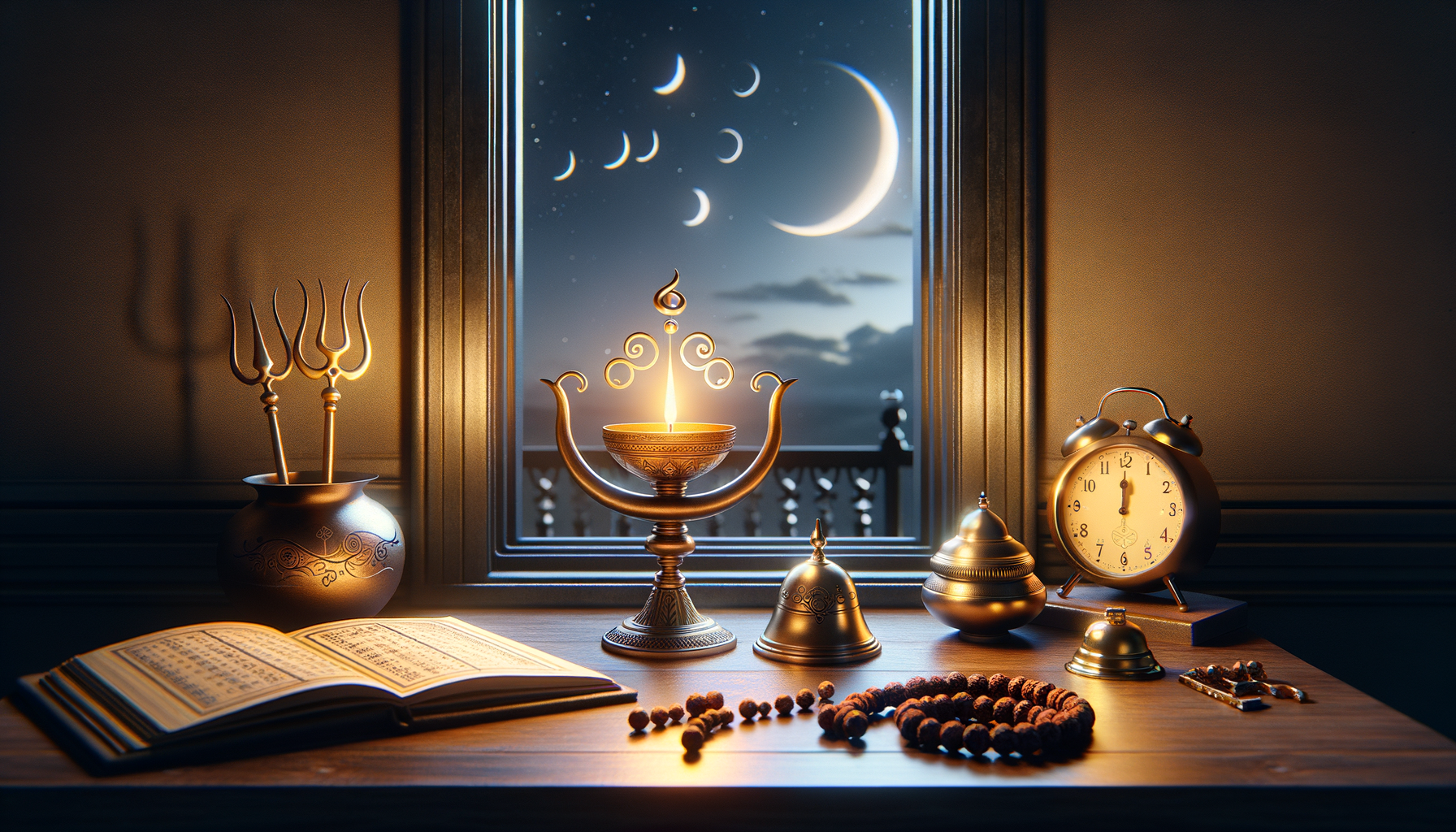
Saturday, January 17, 2026, in the Hindu calendar (Panchang) marks Krishna Paksha Chaturdashithe fourteenth lunar day during the waning phase of the Moonin most regions.
As noted in traditional Panchang references, Krishna Paksha Chaturdashi prevails until 11:52 PM on January 17. From 11:52 PM onward, the lunar day transitions to Amavasya (the no-moon day).
Krishna Paksha Chaturdashi often invites a contemplative mood rooted in restraint and inward focus. Many households use the evening hours for quiet worship or japa, aligning daily rhythm with the subtle cadence of the waning Moon. In numerous traditions, Masik Shivaratri observances coincide with Krishna Paksha Chaturdashi, emphasizing meditation and devotion to Shiva.
With the onset of Amavasya late at night, practices associated with renewal and introspection become prominent. In many regions, the Amavasya morning is considered suitable for prayers of gratitude, cleansing rituals, and remembrance of ancestors (where observed), reflecting the no-moon day’s symbolism of stillness and new beginnings.
Nakshatra and Rashi details for January 17, 2026, can vary by location and calculation method. These are essential for precise Muhurat selection, personal rituals, and regional customs; consulting a local Panchang or temple-based almanac ensures location-specific accuracy.
Regarding “good time” (Shubh Muhurat), auspicious windows depend on local sunrise, lunar position, and regional protocols. Practitioners generally reference Abhijit Muhurat, Rahu Kalam avoidance, and community traditions; a reputable regional Panchang offers the most reliable guidance for the day’s ceremonies and home practices.
Across dharmic communitiesHinduism, Buddhism, Jainism, and Sikhismlunar markers such as Chaturdashi and Amavasya are widely recognized as moments suited to self-discipline, compassion, and remembrance. While observances differ by path and region, the shared orientation toward ethical living, mindfulness, and social harmony underscores a unifying spiritual ethos.
In summary, January 17, 2026, centers on Krishna Paksha Chaturdashi until 11:52 PM, after which Amavasya begins. For Nakshatra, Rashi, and Shubh Muhurat specifics, a local Panchang remains the most dependable source, ensuring that household practices align faithfully with regional timings and traditions.
Inspired by this post on Hindu Blog.
