

If you came looking for a complete biography of HG Raksana Prabhu, the honest answer is that the public facts presently available do not support one. Reverence does not require us to fill those gaps. It requires us to distinguish what is known, leave what is unknown untouched, and honour a Vaishnava without turning devotion into speculation.
What can be stated is that HG Raksana Prabhu ACBSP departed at 2:40 am. His ACBSP designation places his name in relation to His Divine Grace A. C. Bhaktivedanta Swami Prabhupada and the guru-shishya tradition carried through the Hare Krishna movement. That gives devotees a meaningful spiritual context for receiving his passing, even while much of his personal history remains to be documented.
What we can say about his life with confidence

The suffix ACBSP is widely used within ISKCON to identify a disciple initiated by A. C. Bhaktivedanta Swami Prabhupada. It therefore tells us something important about HG Raksana Prabhu: his devotional identity was connected to Srila Prabhupada’s disciplic succession and to a tradition in which spiritual knowledge is received from guru, practised through sadhana, and expressed through service.
A designation, however, is not a biography. No verified birth date, birthplace, list of temple services, formal responsibilities, family history, cause of death, or account of his final hours is available here. Even the reported time of 2:40 am does not establish a date, location, or time zone. Those details should not be inferred or repeated as facts unless family members, direct witnesses, or reliable community records confirm them.
A responsible remembrance separates three kinds of material. The first is the confirmed public record. The second is firsthand recollection from people who knew the devotee. The third is devotional interpretation: what his relationship with the sampradaya means to those mourning him. All three can belong in a tribute, but they should not be blended as though they carry the same evidentiary weight.
If you knew HG Raksana Prabhu and want to help preserve his life story, identify how you knew him, which events you personally witnessed, and when and where they occurred to the best of your memory. Mark uncertainty plainly. Keep something you heard from another person separate from something you saw yourself. Obtain consent before publishing family photographs, private correspondence, medical information, or sensitive details. This discipline protects both the dignity of the departed and the credibility of the eventual historical record.
Vaishnava glorification does not mean making a devotee appear more important through unsupported claims. It means recognizing genuine devotion and service truthfully. Where the individual details are still incomplete, chanting, prayer, gratitude, and careful collection of memories are more faithful than an embellished narrative.
Why Vaishnavas speak of leaving the body

Gaudiya Vaishnavas commonly say that a devotee has left the body. This language is not merely a softer synonym for death. It expresses a central distinction between the temporary physical body and the enduring jiva, the conscious self who passes through changing bodily conditions.
Bhagavad-gita 2.22 compares the soul’s change of bodies to a person setting aside worn garments and putting on others. Bhagavad-gita 8.5-6 then directs attention to the consciousness cultivated at life’s final threshold: what a person remembers at that time bears upon the soul’s onward journey. These teachings explain why remembrance of Krishna, hearing sacred sound, and the company of devotees receive such attention near the end of life.
This philosophy should clarify grief, not suppress it. A Vaishnava can understand the self to be eternal and still feel the pain of physical separation. Family members should not be judged for weeping, needing privacy, or experiencing grief differently. Nor should devotional language be used to make claims about the departed soul’s precise destination that no human observer can verify. The faithful response is to pray with hope while speaking with humility.
When a devotee is approaching death, a calm atmosphere, the Hare Krishna maha-mantra, scriptural hearing, and loving association can support remembrance. These practices must remain compatible with the person’s wishes, comfort, and medical or hospice plan. Devotional support is not a replacement for clinical care, pain relief, or professional guidance. Loud gatherings, competing instructions, or pressure to perform religious responses can disturb the very consciousness devotees are trying to protect.
After death, antyeshti and later shraddha observances place the passing within the broader continuum of samskaras. Their forms vary by family, region, ashrama, and sampradaya. The sound approach is to let the family and trusted Vaishnava leadership coordinate the rites rather than imposing a supposedly universal procedure from outside.
Key takeaways
- HG Raksana Prabhu ACBSP’s departure was announced at 2:40 am, but a date, place, time zone, cause, and full biography have not been verified here.
- The ACBSP designation connects his devotional identity with A. C. Bhaktivedanta Swami Prabhupada and the living guru-shishya tradition.
- For a Vaishnava, leaving the body describes a transition of the eternal jiva, not the annihilation of the self.
- Kirtana, nama-smarana, scriptural hearing, calm association, prasada, and practical help are appropriate forms of community support.
- Antyeshti and shraddha customs can differ, so the family and responsible local spiritual authorities should guide the rites.
- The most credible tribute combines prayer with factual restraint and turns memory into sustained sadhana and seva.
How to honour HG Raksana Prabhu without losing the essence
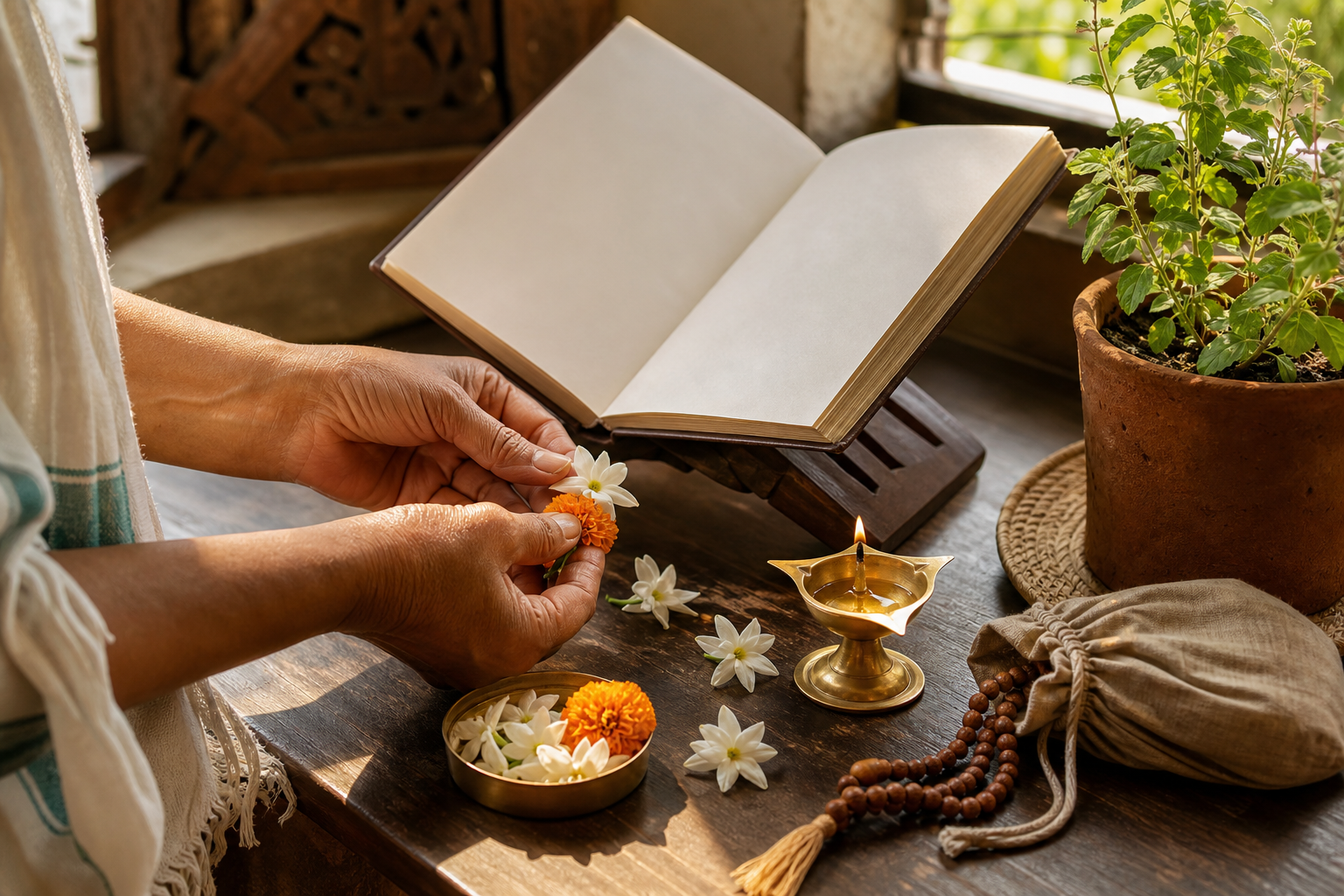
A memorial observance does not need elaborate production to be spiritually serious. Its purpose is to remember Krishna, honour the Vaishnava, support those who are grieving, and help the community renew its own devotional commitments. You can keep those purposes clear through the following sequence.
- Verify before publishing. Use the confirmed name, honorific, ACBSP designation, and reported time. Do not attach a date, location, time zone, cause of death, final words, or list of services until each detail has a reliable basis.
- Make sacred sound central. Chant the Hare Krishna maha-mantra with attention. Kirtana at a farewell is not a musical exhibition; its value lies in helping the mind turn toward Krishna and giving mourners a shared devotional focus.
- Choose readings for their relevance. Bhagavad-gita 2.22 directly addresses the soul’s change of body, while 8.5-6 explains the significance of final remembrance. Readings from Srimad-Bhagavatam may also support reflection, but a clear passage heard attentively is more useful than a crowded programme that leaves no room for grief or prayer.
- Make seva practical. Offer prasada, help with communications, and take on necessary tasks requested by the family or temple. Ask what is needed before acting. Unrequested plans can create another burden for people already handling loss and ritual responsibilities.
- Let the family guide the rites. Work with their chosen Vaishnava authorities on antyeshti, shraddha, kirtana, readings, and prasada distribution. Variation in customary form does not by itself indicate a failure of devotion.
- Glorify truthfully. Share qualities or acts of service you personally knew. If you did not know HG Raksana Prabhu, offer prayer rather than secondhand biography. Vaishnava-vandana is strengthened, not diminished, by accuracy.
Members of the wider dharmic family may recognize related disciplines without pretending that every tradition teaches the same doctrine. Buddhist marananussati develops mindful recollection of death. Jain contemplative disciplines cultivate non-attachment and equanimity. Sikh Naam Simran centres remembrance of the Divine Name, while acceptance of Hukam places life and death within Divine order. These are genuine points of kinship: awareness, restraint, remembrance, compassion, and service at the threshold of death.
That shared ground can help Hindu, Buddhist, Jain, and Sikh visitors participate respectfully in a Vaishnava memorial. You need not borrow another tradition’s ritual language. Listen, offer practical support, respect the family’s chosen observances, and let the gathering remain centred on sacred memory rather than doctrinal comparison.
Let this remembrance change your own practice
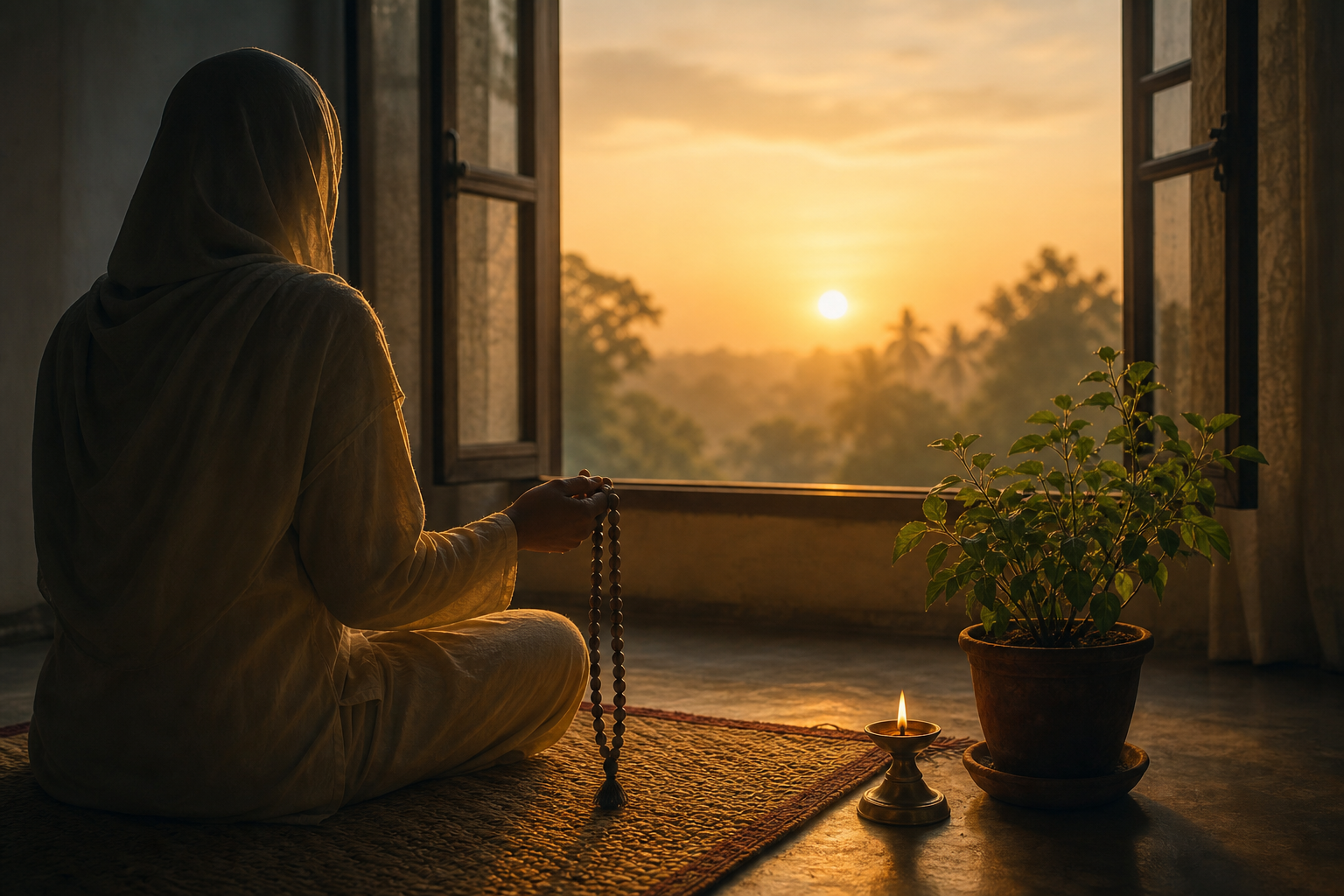
Turn grief into attentive sadhana
The Vaishnava response to death is not exhausted by a memorial meeting. Bhagavad-gita 8.5-6 makes the final remembrance of Krishna inseparable from the habits developed throughout life. A mind trained to wander every day cannot be assumed to become steady merely because the final hour has arrived. The practical lesson is to treat today’s chanting, hearing, and service as preparation for that threshold.
At your next period of japa, listen deliberately to the names you are chanting instead of racing toward completion. Read Bhagavad-gita 2.22 and 8.5-6 slowly enough to state their meaning in your own words. Then choose a concrete act of seva that another person actually needs. This is how remembrance of a departed Vaishnava becomes formative rather than ceremonial.
Record devotees’ lives before details disappear
The limited biographical record surrounding HG Raksana Prabhu points to a wider responsibility for temples and families. Senior devotees often carry decades of memories about gurus, early communities, book distribution, kirtana, temple building, prasada service, and the adaptation of bhakti practice across countries. If those memories are not collected while the people and witnesses are available, later tributes can become either thin or unreliable.
A simple living record can preserve an initiated name, the devotee’s guru, places and periods of service, responsibilities, teachings they emphasized, recollections in their own voice, and photographs approved for public use. Each recollection should identify its speaker and distinguish direct experience from retelling. Give the devotee, close associates, or family an opportunity to correct names, dates, and places before publication.
This work is not administrative clutter. It is service to the guru-shishya tradition. Accurate memory allows later generations to encounter a devotee as a real practitioner rather than as a collection of honorifics or legends.
HG Raksana Prabhu’s name can be honoured without enlarging the record beyond what is known. Chant for his remembrance, support those who mourn him, strengthen your own sadhana, and help preserve the lives of devotees accurately while their histories can still be told. That is a tribute capable of continuing after the farewell has ended.
References
- Dandavats – A Sacred Farewell at 2:40 am: Honoring HG Raksana Prabhu ACBSP and the Vaishnava Path
- Bhagavad-gita 2.22 and 8.5-6.
