
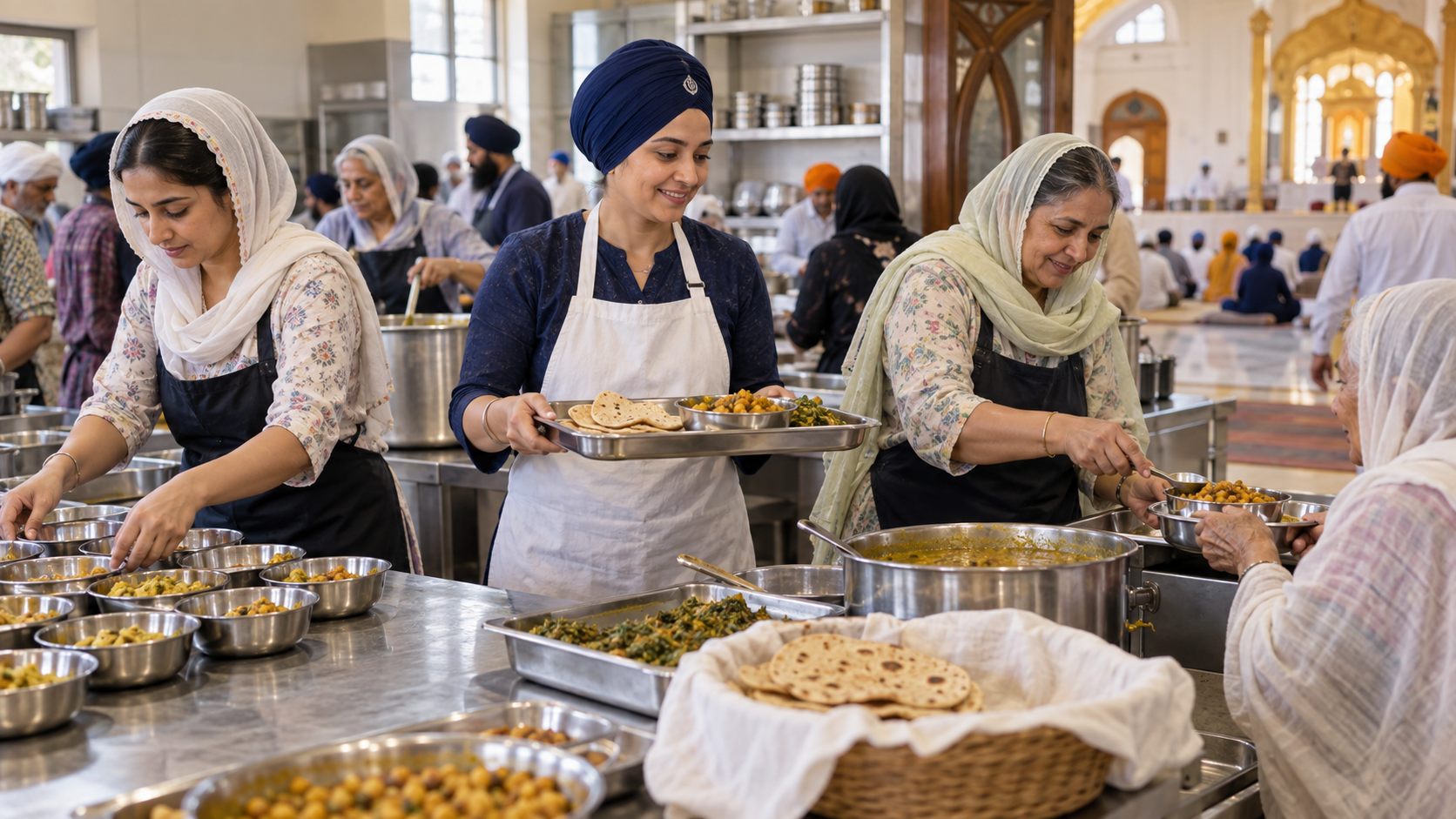
You may have arrived after seeing a Sikh woman publicly honored and wondering how to understand the recognition without turning her into a distant icon. Start with the work, not the pedestal. A worthwhile honor helps you notice how faith becomes service, then asks what your own community will do with that example.
The recognition of five extraordinary women, including Ek Ong Kaar Khalsa, offers a concrete occasion to think about that responsibility. Their public honor matters. Yet no name, photograph, or ceremony can contain the full discipline behind a life of faith and service.
The honor points beyond the ceremony
Honor and fame are not the same thing. Fame concentrates attention on a person. Good recognition directs some of that attention toward the values, duties, and relationships that the person has carried.
This distinction changes how you respond. Instead of asking only, “Why is she notable?” ask, “What kind of service has become easier to see because her name is being honored?” The first question can end in admiration. The second can lead to participation.
- Notice the labor. Look past the ceremonial language and identify the teaching, organizing, caregiving, spiritual discipline, advocacy, or institution-building being recognized.
- Notice the beneficiaries. Ask whose dignity, learning, worship, safety, or sense of belonging was strengthened by that work.
- Notice the continuity. Find out whether the work depends on one person or whether knowledge, responsibility, and resources are being passed forward.
A ceremony lasts for a short time. Its deeper value lies in whether the community learns to see service more clearly after the applause has ended.
Read the achievement through faith and seva
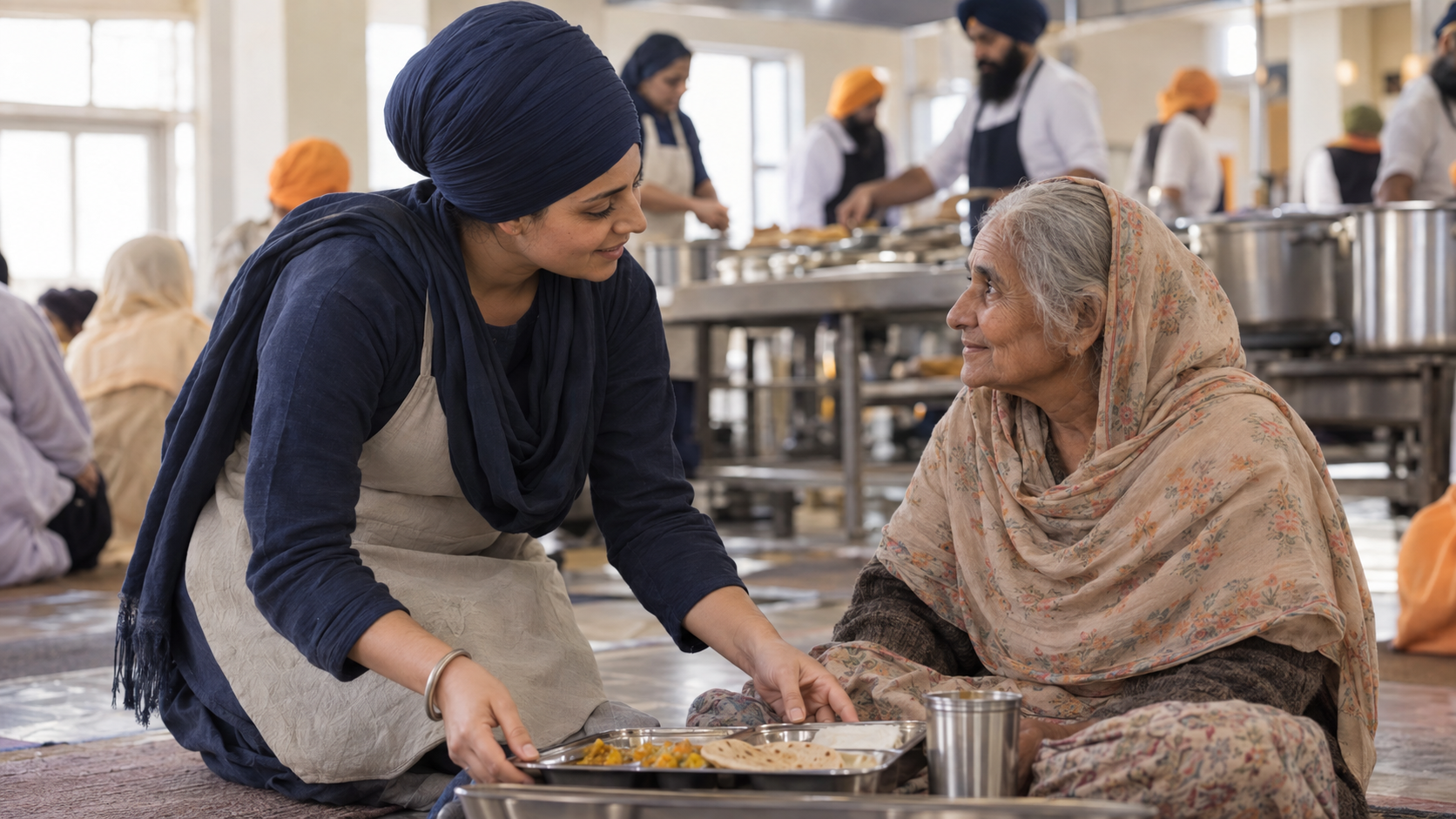
In Sikh life, seva means selfless service: work undertaken for others without making personal status its purpose. Sangat is the community in which much of that service is practiced, received, and witnessed. These ideas give you a better frame for understanding why a woman of faith may be honored.
Seva is not confined to the most visible role. It can take place at a lectern or before the doors open. It can involve teaching, preparing langar, maintaining a shared space, helping families reach the gurdwara, preserving memory, mentoring younger people, or defending another person’s dignity. These examples are not interchangeable, but none should be dismissed merely because it happens away from a stage.
That gives you a practical test. Look for the relationship between spiritual discipline and responsibility. Did faith remain private praise, or did it become dependable action? Did the action make room for others? Did it strengthen the sangat rather than merely enlarge a personal reputation?
Recognition does not cancel selflessness. A community may honor service without pretending that the person sought attention. The danger begins when publicity becomes the measure of value. Quiet work does not become lesser work because it produces fewer photographs.
Recognize a whole person, not a convenient symbol

Generic praise can flatten the very woman it intends to celebrate. Words such as “strong,” “inspiring,” and “selfless” sound generous, but they reveal little unless you can say what she chose, built, protected, taught, or sustained.
Before you publish a tribute, introduce an honoree, or share her story, ask the following questions:
- Is the description verified? Use the correct name and the person’s preferred description of her work. Do not fill gaps with assumptions.
- Is the service named precisely? “Years of dedication” is vague. Identify the responsibility, the people served, and the change made whenever those facts are public and confirmed.
- Does she retain agency? Let a woman be a teacher, organizer, practitioner, leader, or caregiver by choice and action, not merely somebody’s daughter, wife, or mother.
- Are private details necessary? Recognition does not create a right to disclose family matters, hardship, or spiritual experiences. Seek permission before using personal material.
- Would the language sound natural for a man doing the same work? If courage, intelligence, or leadership is treated as surprising because the honoree is a woman, revise the tribute.
Sikh teachings affirm equal spiritual dignity. Your language should reflect that dignity without erasing the barriers, burdens, or forms of unseen labor that may shape a woman’s service. Equality is not served by making women invisible, and it is not served by presenting every accomplished woman as an exception.
Turn appreciation into a community practice
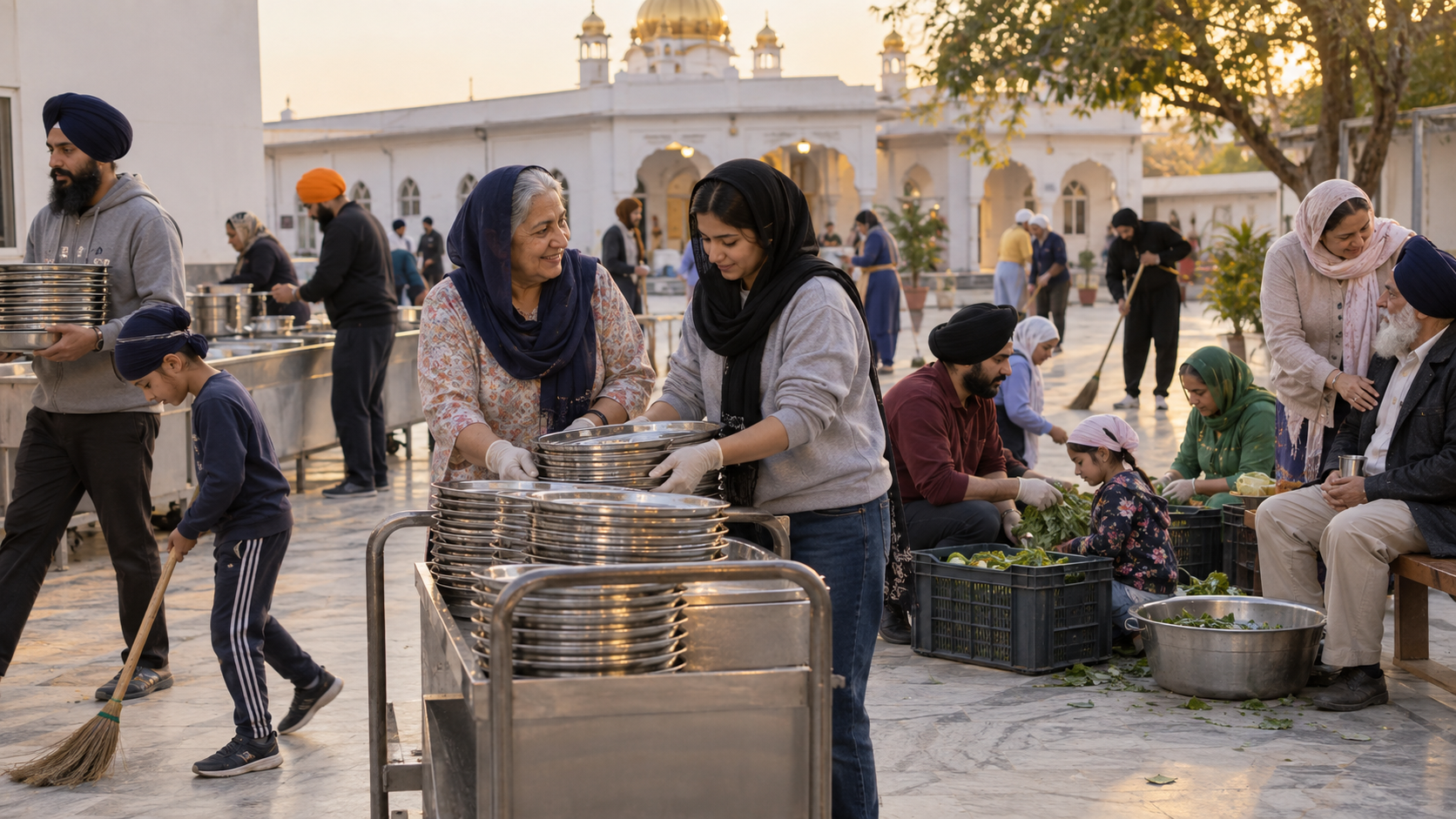
If you help run a gurdwara, school, association, media project, or local commemoration, recognition should leave behind more than a certificate. Use a repeatable process that protects accuracy and strengthens the work being honored.
- Verify before praising. Confirm the spelling of the person’s name, the nature of her service, and the description she is comfortable making public. If a fact cannot be confirmed, omit it.
- Describe contribution, not mythology. Explain what she actually did and why it mattered. Do not invent struggle, sacrifice, or private motivation to make the tribute more dramatic.
- Attach support to recognition. Ask what would help the work continue: a dependable volunteer rota, transport, childcare, a suitable room, an operating budget, training, or access to decision-making. Choose the support that fits the real work rather than offering a symbolic substitute.
- Look beyond the visible circle. Review who receives public thanks and who repeatedly performs preparation, care, administration, cleanup, and follow-through. If the same kinds of labor remain unnamed, widen the community’s field of attention.
- Preserve knowledge with consent. Record methods, lessons, and community history so younger people can learn from them. An oral history, training session, or written account can carry service forward, but the honoree should control what personal material is shared.
You can use the same method even if you are not an organizer. Write a note that names the contribution rather than offering vague praise. Volunteer for a neglected task. Ask a younger member of your family what form of seva they could practice. Support the institution or community need that the honoree’s work has made visible.
Key takeaways
- Read an honor as an invitation to notice the relationship between Sikh faith, seva, and responsibility.
- Name a woman’s verified contribution instead of relying on generic praise or an idealized life story.
- Value work done away from public view as seriously as work performed on a stage.
- Respect agency and privacy; public recognition does not grant access to every part of a person’s life.
- Give the honor a future by supporting the work, sharing knowledge with consent, and creating room for others to serve.
The next time you see a Sikh woman honored, learn one verified detail about her service, thank her without scripting her identity, and choose one task that helps the work continue. That is how recognition moves from the stage back into the sangat.
References

Leave a Reply
You must be logged in to post a comment.