-
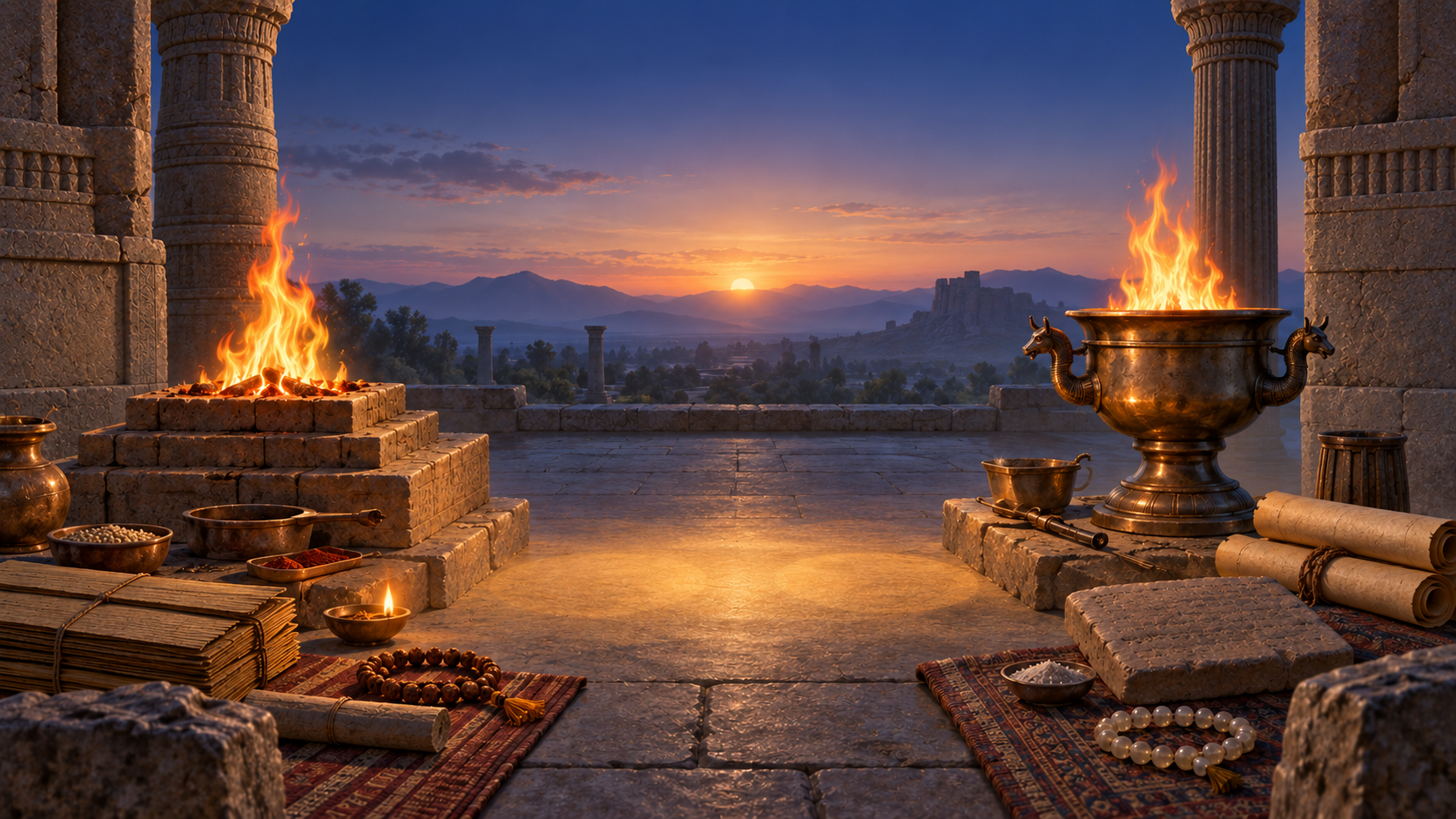
Ahura vs Deva: The dramatic Indo‑Iranian reversal—and what it reveals about Dharma

Why do Zoroastrian sources revere Ahura while condemning daevas, even as Hindu texts honor devas and oppose asuras? This long-form analysis traces the shared Indo-Iranian roots of these terms and explains how later reforms, rituals, and ethical priorities reversed their valuations. It clarifies early Vedic usage where asura could be a noble epithet, outlines Zarathustra’s…
-
Protecting India’s Dharma and Sea Lanes: A Clear‑Eyed Look at Iran’s IRGC, Kashmir, and Rights

India’s civilisational ethos of pluralism and Dharmic balance calls for clear judgment in the Persian Gulf and Kashmir. A sober assessment distinguishes Iran’s luminous civilisation from the coercive toolkit of the IRGC, whose actions endanger maritime trade, energy security, and Indian crews. Documented crackdowns on protests and discrimination against Baháʼís challenge any uncritical romanticism of…
-
“Once Iran Is Free”: Reza Pahlavi’s Vision for a Bold, Respectful New Chapter with India

Reza Pahlavi outlines a values-based pathway for India–Iran relations that places sovereignty, liberty, and mutual partnership at the center. He highlights deep civilisational links and India’s cultural heritage as foundations for renewed cooperation. Policy priorities include energy security, water resilience, and demographic challenges, areas where India’s technology and renewable energy leadership can make a decisive…