
-
Why Krishna Calls Yoga ‘Evenness of Mind’: Timeless Guidance for Inner Strength

Bhagavan Sri Krishna’s teaching in Bhagavad Gita 2.48 defines Yoga as evenness of mind, placing equanimity at the heart of ethical action. This balanced awareness steadies decision-making amid success and failure, transforming stress into resilience and clarity. Practically, brief breath awareness, mindful pause, and dharmic intention help train this steadiness in daily life. The approach…
-
Yoga and Inner Peace: How Breath, Mindfulness, and Movement Dissolve Daily Stress

Yoga unites body, mind, and inner awareness to reduce stress and nurture peace. Through breath awareness (pranayama), mindful movement (asana), and meditation, practitioners experience fewer reactive emotions and greater clarity. Ethical principles such as ahimsa, truthfulness, and contentment stabilize relationships and reinforce lasting harmony. These foundations resonate across Hinduism, Buddhism, Jainism, and Sikhism, where mindfulness,…
-
Sankhya Philosophy Explained: A Timeless, Rational Roadmap to Absolute Reality

Sankhya offers a clear, rational pathway for understanding absolute reality within Hindu philosophy. By distinguishing Purusha (consciousness) from Prakriti (nature), it explains both experience and liberation. Its ordered model of tattvas and emphasis on valid knowledge make it a rigorous system rather than speculation. The philosophy directly supports Yoga’s practical methods for inner transformation and…
-
Prakritilaya in Hinduism: Discover the Profound Peace of Merging with Prakriti

Prakritilaya“dissolution into Prakriti”describes a contemplative state in Hindu philosophy where awareness becomes deeply absorbed in nature’s living field. This piece clarifies its meaning across Sāṁkhya, Yoga, and Advaita Vedanta, distinguishing Prakritilaya from moksha while honoring its purifying power. Readers gain practical guidance on pratyahara, pranayama, and dhyana, and learn how ethical foundations stabilize insight. Real-world…
-
Lagna and the 1st House Explained: A Transformative Guide to the Ascendant in Vedic Astrology

Lagna (Ascendant) is the Vedic astrology anchor of the 1st House, linking the soul’s entry into life with identity, vitality, and direction. Classical guidance, including Sarvartha Chintamani (II.5), affirms that a house gains strength when occupied by its own lordan insight crucial for interpreting Lagna. Assessing dignity, aspects, Shadbala, and vargas (notably Navamsa) clarifies health…
-
Ghata (Ghatavastha) in Hatha Yoga: Unlocking Breath, Balance, and the Jiva–Paramatman Union

Ghata or ghatavastha is a pivotal Hatha Yoga stage where breath, mind, and subtle energy stabilize, aligning the jiva with Paramatman. Drawing on the Hatha Yoga Pradipika and Gheranda Samhita, it highlights pranayama as both physiological refinement and spiritual integration. Practitioners experience steadier kumbhaka, balanced prana and apana, and a calm, clear mind. Benefits include…
-
Jyotismati in Patanjali’s Yoga: Awaken the Inner Light for Clarity, Calm, and Focus
Jyotismati, from Patanjali’s Yogasutra 1.36, points to a sorrowless inner light that steadies the mind and clarifies thought. Situated within the sequence of practices in 1.33–1.39, it complements breath awareness, ethical attitudes, and focused attention. Practitioners find that resting awareness in this gentle radiance reduces reactivity and enhances concentration. The method pairs naturally with pranayama…
-
Between Yoga and Catholic Classrooms: A Harmonious Journey into Dharmic Values
Raised in a vegetarian household rooted in yoga, the narrative highlights how ahimsa and disciplined living shaped early ethical sensibilities. An impersonal philosophical orientation within yoga coexisted with broader dharmic values, reinforcing compassion and self-restraint. Study in a Roman Catholic school introduced daily interfaith engagement, showing how yoga at home and Catholic education in the…
-
Gheranda Samhita: Timeless Hatha Yoga Wisdom for Purification, Power, and Inner Calm

The Gheranda Samhita is a foundational Sanskrit scripture of Hatha Yoga that presents a precise seven-limbed path for inner steadiness. It emphasizes purification, postural stability, energetic refinement, breath regulation, meditation, and contemplative absorption. Readers benefit from a systematic roadmap that is both historically rooted and immediately applicable to modern Yoga practice. Clear explanations of śatkarma,…
-
Why Choosing Spirituality Reflects True Wisdom: A Dharmic Path to Clarity, Peace, and Unity

Spirituality, within Hindu philosophy and related Dharmic traditions, is a deliberate, wise choice rooted in discernment and Dharma. It emphasizes distinguishing the temporary from the eternal, echoing the Bhagavad Gita and the Upanishads. Practically, it matures through ethics, Meditation, and Yoga philosophy, cultivating clarity, compassion, and resilience. Across Hinduism, Buddhism, Jainism, and Sikhism, diverse practices…
-
Bhranti Darshana Explained: Unlock Clarity and Overcome False Perception in Patanjali’s Yoga

Bhranti Darshana“false perception”is one of Patanjali’s nine antarayas that quietly misleads practitioners by disguising error as insight. It distorts meditation by elevating appearances over essence and undermines steady progress toward kaivalya. Rooted in avidya and related to viparyaya, it is corrected through viveka, pramana, and sustained abhyasa-vairagya. Practical safeguards include yama-niyama, scripture-based validation, guidance from…
-
Abhagna Yoga in the Mahabharata: The Unbroken Flow of Dhyana for Inner Stability
Abhagna Yoga, articulated in the Mahabharata’s Shanti Parva, describes an unbroken flow of contemplative attention that steadies the mind and refines discernment. Rooted in the sense of a-bhagna (unbroken) union, it aligns with the classical principle of nairantarya abhyasepractice without interruption. The approach is both practical and profound, encouraging brief, linked moments of breath awareness,…
-
Jivanmukta Unveiled: The Silent Dance of Living Liberation in Hindu Philosophy

This article explores the jivanmuktaliving liberation in Hindu philosophyas an inner “silence” paired with an outer “dance” of unattached, compassionate action. It clarifies key traits such as equanimity, non-attachment, and dharma-guided service through the lens of the Upanishads, the Bhagavad Gita, and Advaita Vedanta. Readers gain practical markers of maturity: fewer reactive habits, steadier decision-making,…
-
Discover the Ultimate Secret of the Gunas: How the Divine Transcends and Guides Them

This article explains the classic Hinduism teaching that the Divine pervades the three guṇassattva, rajas, tamasyet remains beyond them. Drawing on the Bhagavad Gita and Vedānta, it clarifies how Brahman is nirguṇa while Īśvara guides Prakṛti’s modes without being constrained. Readers gain a practical framework for recognizing and transcending the guṇas through bhakti, viveka, and…
-
Discover the Complete Sankhya–Yoga Creation Theory: A Transformative Guide to Hindu Cosmology

This article presents a clear, academic overview of the Sankhya–Yoga theory of creation within Hindu cosmology, explaining how Purusha and Prakriti account for the evolution of the universe. It outlines the ordered emergence of tattvas, clarifies the role of the gunas, and explains why misidentification leads to suffering. The Yoga perspective adds Ishvara and an…
-
Discover Chitishakti’s Power: A Complete Guide to Purusha in Patanjali’s Yoga Philosophy

Patanjali’s Yoga presents Purusha as pure consciousnessthe steady witness distinct from Prakriti’s changing field. Clarifying chiti and chitishakti reveals how conscious power illumines experience when mental fluctuations settle. Grounded in abhyasa and vairagya, and supported by pratyahara, dhyana, and samadhi, this approach offers a practical route to Self-Realization. Readers gain benefits such as emotional balance,…
-
Essential Habit Breakthrough: Master Proven Yogic and Scientific Secrets to Transform Behavior
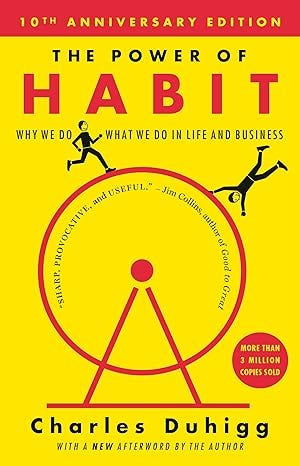
Modern science and ancient dharmic wisdom align on habit formation: change the routine for quick wins, and transform underlying impressions for lasting results. Duhigg’s cue–routine–reward model offers a clear, practical structure for behavior change. Patanjali’s Yogasutras, supported by Swami Vivekananda’s commentary, explain how repeated actions leave impressions that shape character. Together they show why mindfulness,…
-
Essential sakshi bhava Mastery: Discover When to Witness and When to Act

This article explains sakshi bhavathe disciplined stance of the inner witnessand shows how it refines, rather than replaces, ethical action. Readers learn a practical four-step framework (pause, perceive, discern, choose) to decide when to witness and when to act. Clear indicators and real-world examples demonstrate how to reduce harm, uphold dharma, and remain composed under…
-
Why pranayama can control the mind

Exploring the intricate dance between breath and the intricate workings of the inner world, this piece unveils the profound connection between pranayama and the mind’s elusive control. In a wilderness tale of wit and deception, a poodle’s survival instincts, as it masters the art of camouflage, parallel the human mind’s ceaseless strategizing. By observing the…