
-
Beyond Stereotypes: Understanding Why Hindu Women Often Seem More Devout—and How Men Engage

Research across cultures often finds that women report higher religious engagement than men, and similar patterns appear in Hindu communities. Women frequently lead household puja, vrata, and festival observances, sustaining daily devotion and cultural memory. Men often serve in public-facing roles such as temple administration, yatra, and teaching, highlighting different but complementary forms of engagement.…
-
Toe Rings (Metti) in Hinduism: Timeless Symbolism, Ritual Power, and Marital Grace

Toe rings—Metti in Tamil, bichiya in North India—are worn on the second toe by married Hindu women as a sacred marker of marriage within Hindu customs. Typically fashioned in silver, they symbolize auspiciousness, fidelity, and the sanctity of household life. Ritual placement during the vivaha ceremony blends duty with emotional resonance, making the moment memorable…
-
Shakti and Sacred Balance: What Hindu Scriptures Teach About True Gender Equality

Hindu scriptures present gender equality as a sacred metaphysical truth grounded in the unity of Shiva and Shakti, not as a modern concession. Vedic and Puranic sources—from the Devi Sukta to the image of Ardhanarishvara—affirm complementarity rather than hierarchy. Everyday practices like Navaratri and Saraswati puja translate these ideals into lived culture that honors women’s…
-
Sindoor’s Sacred Power: Reasons, Meaning, and Symbolism of Hindu Married Women’s Mark
Sindoor, the vermilion mark worn by many Hindu married women, symbolizes auspiciousness, Shakti, and the shared responsibilities of the grihastha stage. Its placement along the hair parting and sometimes at the forehead connects daily life with yogic symbolism at the ajna chakra. The practice is rooted in classical literature and regional samskaras, including the wedding…
-
Reclaiming Sacred Duties: Hindu Women Performing Tarpan, Pinda Daan, and Shradh with Dignity

Hindu philosophy defines Matri-Pitri Rin—the universal debt to parents and ancestors—as a duty that applies to all, not restricted by gender. This post clarifies that Hindu women can perform Tarpan, Pinda Daan, and Shradh in line with both scriptural breadth and regional practice. It highlights intention, relationship, and ethical action as the core of these…
-
Essential Female Hindu Saints: Discover Hemalekha, Akka Mahadevi, and Anandamayi Ma

This academically grounded profile explores three essential female Hindu saints—Hemalekha, Akka Mahadevi, and Anandamayi Ma—whose lives illuminate self-inquiry, radical devotion, and compassionate service. Readers discover how Hemalekha’s guidance transformed a prince through disciplined reflection on identity and impermanence. Akka Mahadevi’s fearless renunciation exemplifies Bhakti courage and ethical freedom aligned with dharmic values. Anandamayi Ma’s inclusive…
-
The Complete Guide to Mother Goddess Shakti: Discover the Timeless Power That Never Ages

Mother Goddess Shakti is presented as the ageless, dynamic source of creation and a unifying presence across dharmic traditions. Readers gain a clear understanding of how Shakti remains timeless while animating change, supported by references to the Devi Mahatmya and Shakta Āgamas. The guide connects philosophical insight with lived practice, explaining Kundalini, Navaratri devotion, and…
-
The Complete Dharma Feminism Breakthrough: Discover Hinduism’s Proven Path to Intellectual Freedom

This article reframes feminism through a dharmic lens, showing how Hinduism has long cultivated intellectual freedom for women through inquiry, debate, and pluralism. It highlights exemplars such as Gargī, Maitreyī, Āṇḍāl, Akka Mahādevī, Mīrābāī, and Lal Ded, and explains how concepts like dharma, jñāna, and Ishta enable authentic autonomy. It connects this heritage to parallel…
-
Jainism’s Proven Insights on Gender Equality: Discover an Anekantavada-Inspired Path to Liberation

This analysis examines the Jain view on gender-based inequality through the lenses of Ahimsa, Anekantavada, and the Chaturvidh Sangh, showing that spiritual equality is central to Jain ethics. It explains historical sectarian positions—Śvetāmbara affirmation of women’s capacity for liberation and classical Digambara constraints—while emphasizing that all souls share the same ultimate potential for moksha. Readers…
-
Complete, Evidence-Based Guide: Menstruation, Rituals, and Temple Access in Dharmic Traditions

This article offers a complete, evidence-based exploration of menstruation, religious rituals, and temple access across Hinduism, Buddhism, Jainism, and Sikhism. It clarifies the difference between historical ritual conditions and moral worth, showing that dharmic values do not stigmatize a natural biological process. Readers discover how inclusive, text-aware practices align with gender equality and spiritual dignity.…
-
Complete Karva Chauth Sargi Guide: Discover Essential Items to Nourish, Bless, and Sustain Your Vrat

This academically grounded guide explains the practical and symbolic roles of Karva Chauth Sargi items. It details how fruits, dry fruits, grains, dairy, and hydration work together to sustain energy and comfort during a day-long vrat. Readers discover how traditional sweets and suhaag items convey blessings and cultural continuity. Regional variations are respected, encouraging families…
-
The Last Days of a Sadhvi
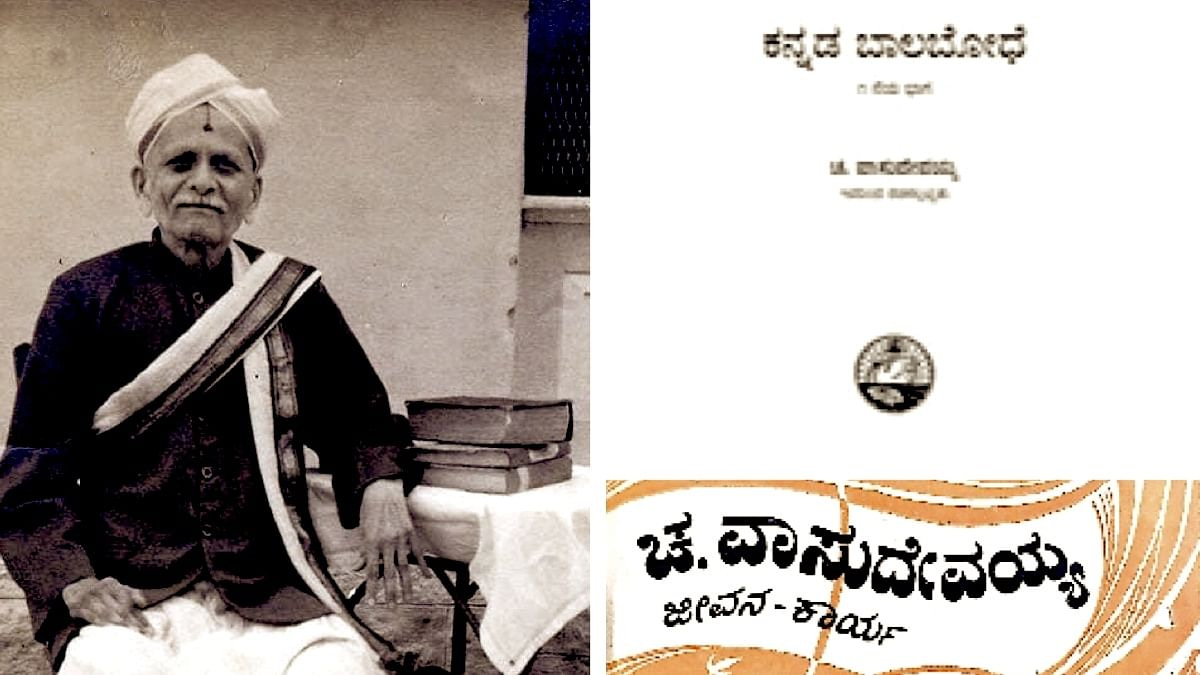
A profoundly moving episode of the last days of Sri C. Vasudevaiah’s sister-in-law shows what the Hindu society has really lost. Channapattana Vasudevaiah was once a household name in Karnataka, affectionately renowned for his elementary schoolbooks teaching the basics of Kannada grammar and composition to children. Titled “Kannaḍa bāla bōdhe” (a rough translation is “Kannada…