
-
The Indus Waters Treaty Reckoning: How Nehruvian Statecraft Cost Bharat Leverage
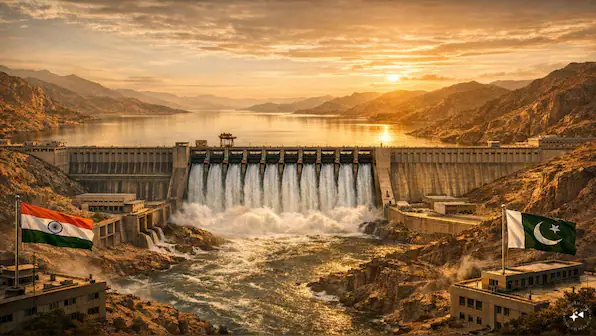
This analysis separates hydraulic fact from televised spectacle in the debate over the Indus Waters Treaty. It explains how the 1960 pact divided the six-river system, why the familiar 80:20 shorthand requires context, and what rights Bharat retained on the western rivers. It assesses Jawaharlal Nehru’s settlement in its post-Partition setting while identifying the strategic…
-
Indic Kingship Reconsidered: Dharma, Statecraft, and the Limits of Marxist History
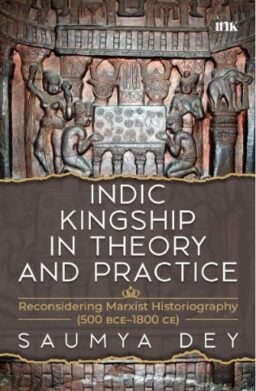
Saumya Dey’s Indic Kingship in Theory and Practice challenges the reduction of Indian monarchy to class exploitation, warfare, and feudal extraction. The study compares the normative ideal of Rajadharma with administrative evidence from 500 BCE to 1800 CE. It examines the Nandas, Mauryas, Satavahanas, Guptas, Pallavas, Chalukyas, Kakatiyas, Cholas, Vijayanagara rulers, Marathas, and other major…
-
Gandhi, Ahimsa, and Statecraft: A Hard Lesson in Idealism, Power, and Unity
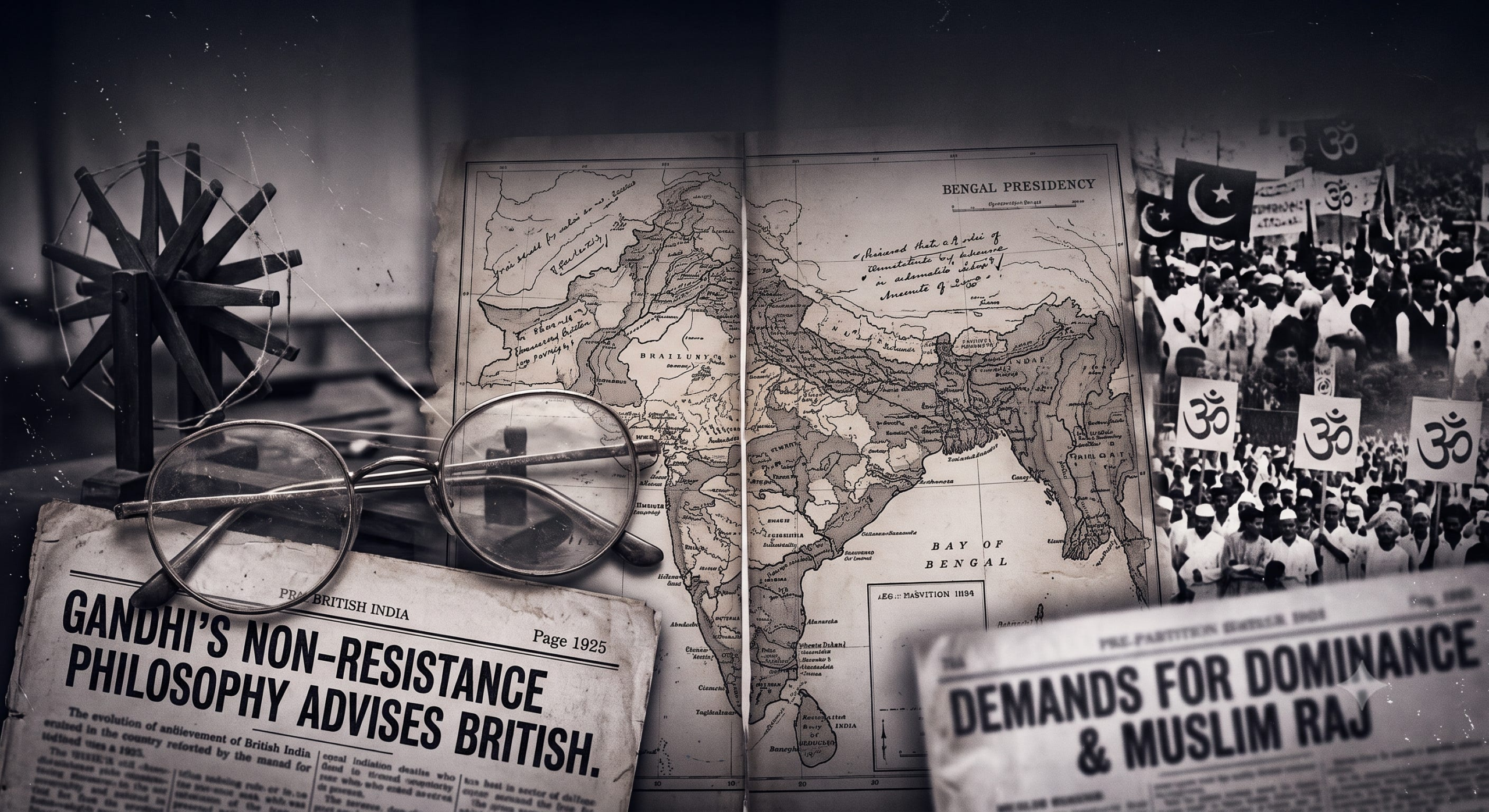
This article revisits Gandhi’s philosophy of ahimsa through the lens of statecraft, national security, and Hindu-Muslim relations in colonial India. It explains why Gandhi’s moral idealism inspired millions while also creating serious political tensions when applied to questions of defence, communal bargaining, and organised power. The discussion examines 1920s debates around Muslim political aspirations without…
-
Rajadharma and Government Types: Essential Lessons for Dharmic Governance
This article explains Rajadharma through the lens of government types, including monarchy, republic, confederation, democracy, local assemblies, and village administration. It clarifies key Indic terms such as Raajya Vyavastha, Ganaraajya Vyavastha, Jaanaraajya Vyavastha, Sangharaajya, Sabha, Samithi, Gana, and Sangha. The discussion shows that ancient Bharatavarsha developed complex political institutions with councils, ballots, committees, local autonomy,…
-
From Vijayanagara’s Malenadu Revolt to Bengal Ballots: Lessons in Statecraft and Security

A 15th-century crisis in the Vijayanagara EmpirePraudha Devaraya’s rapid suppression of the Araga-Rajya revoltoffers enduring lessons in governance. The episode highlights the value of swift decision-making, district-level institutions such as the Kampana, and locally informed leadership. These principles illuminate contemporary electoral security in West Bengal, where high turnout and large-scale deployments by the Election Commission…
-
Dandaniti and Rajadharma: Ancient Hindu Statecraft for Just, Stable, Ethical Governance

Dandanitiancient India’s science of governanceunites authority with ethics by treating punishment as a disciplined last resort under dharma. Drawing on Arthasastra, Dharmasastra, and Vidura-niti, it details institutions, courts, revenue, internal security, diplomacy, and just war norms. The saptanga model organizes the state’s limbs and anticipates modern concerns for fiscal prudence and checks on power. Procedural…
-
Rama Rajyam Reimagined: Timeless Dharmic Statecraft for Just, Compassionate Governance
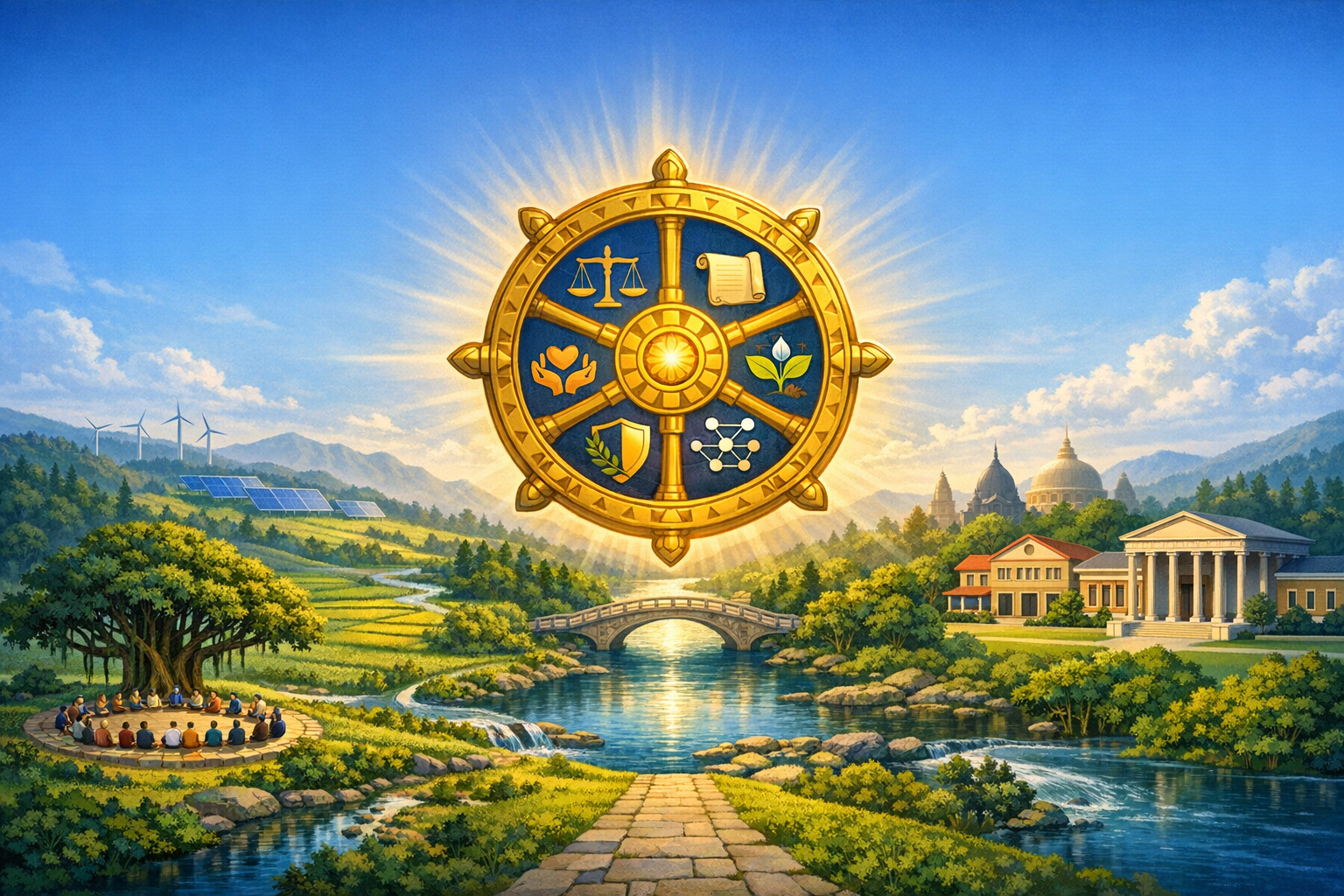
Rama RajyamRama Rajyaoffers a rigorous, values-based model of good governance that unites Dharma with modern constitutional practice. This long-form analysis clarifies its textual roots, unpacks its ethical and administrative pillars, and demonstrates how justice, welfare, decentralization, and environmental stewardship align with contemporary policy design. It synthesizes kindred ideals from Buddhism, Jainism, and SikhismDasa Raja Dharma,…
-
Ravana’s Fatal Breach of Rajadharma: Desire Over Duty and the Ruin of Lanka’s Statecraft

This long-form analysis examines Ravana’s breach of rajadharma in the Ramayana as a rigorous lesson in Dharmic statecraft. It situates kingship within Hindu, Buddhist, Jain, and Sikh ethical frameworks, showing how a ruler’s personal desire must remain subordinate to public duty. It explains how Ravana’s abduction of Sita, dismissal of counsel, and politicization of private…
-
Kantakashodhana in Ancient India: Timeless Strategies to Uproot Social ‘Thorns’ with Dharma

‘Kantaka Shodhana’the “removal of thorns”in Kautilya’s Arthasastra is a classic model of ethical Statecraft from Ancient India. It frames law and order within Dharma, emphasizing proportionate justice, due process, and social harmony. Rather than glorifying punishment, it prioritizes public safety, economic fairness, and institutional trust. The doctrine aligns with shared values across Hinduism, Buddhism, Jainism,…
-
Episodes from the Udyoga Parva as Profound Guides to the Contemporary Hindu Society

Delve into the Udyoga Parva, a pivotal section of the Mahabharata, and explore its significance as a guide to statecraft, diplomacy, ethics, and values. This blog post draws parallels between the Udyoga Parva and the Sundara Kanda in the Ramayana, highlighting how both serve as preludes to battles defending Dharma against Adharma. Contrasting Sri Rama’s…