Skip to content
DharmaRenaissance Blog
Knowledge is the highest form of Dharma
Philosophy
Scriptures
Temples
Festivals
Contact
Donate
Tag:
Spiritual paths
Philosophy
,
Spirituality
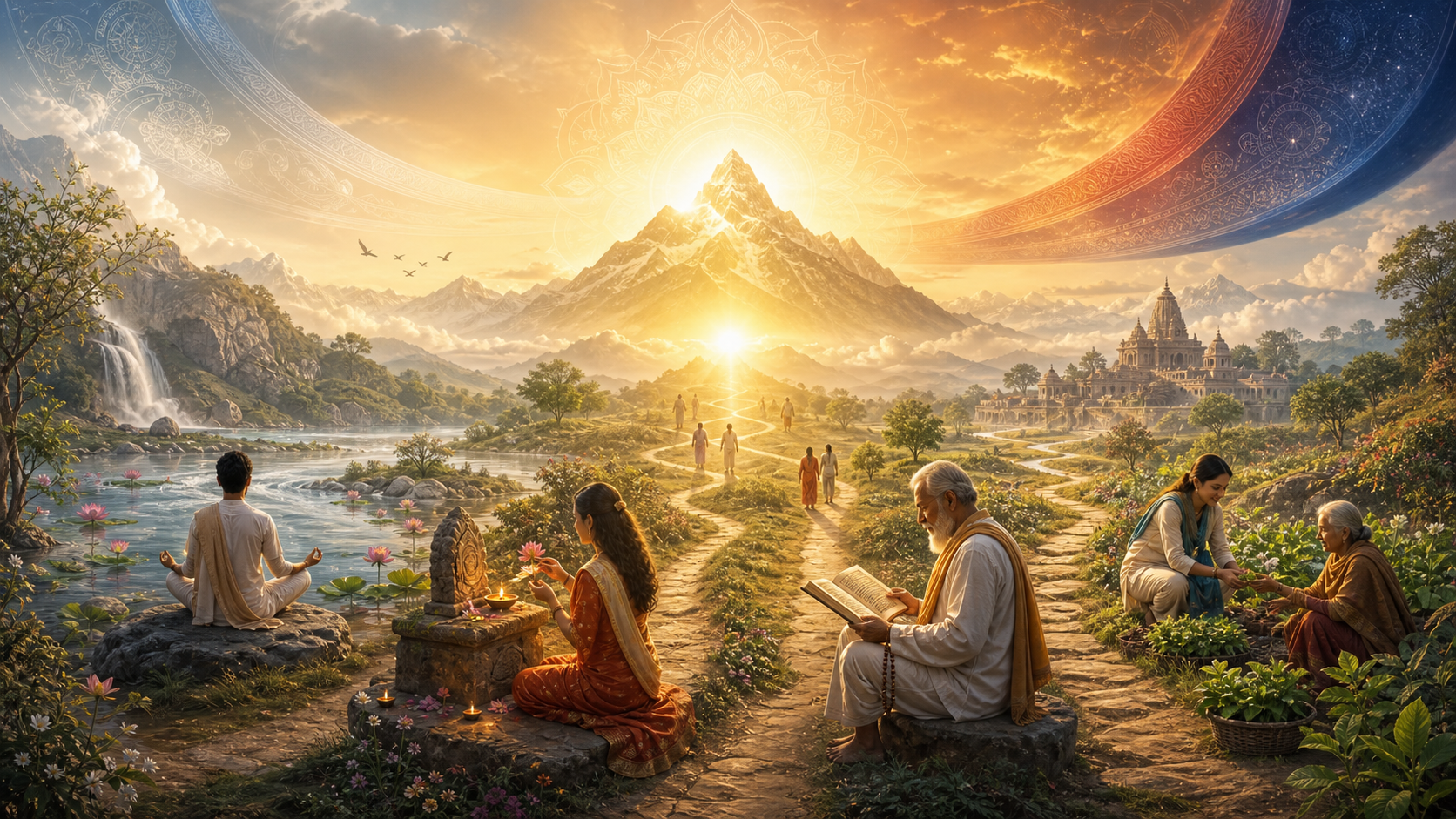
Why Hinduism Offers Many Powerful Spiritual Paths for Every Kind of Seeker
June 26, 2026
·
13 min read
Philosophy
,
Spirituality
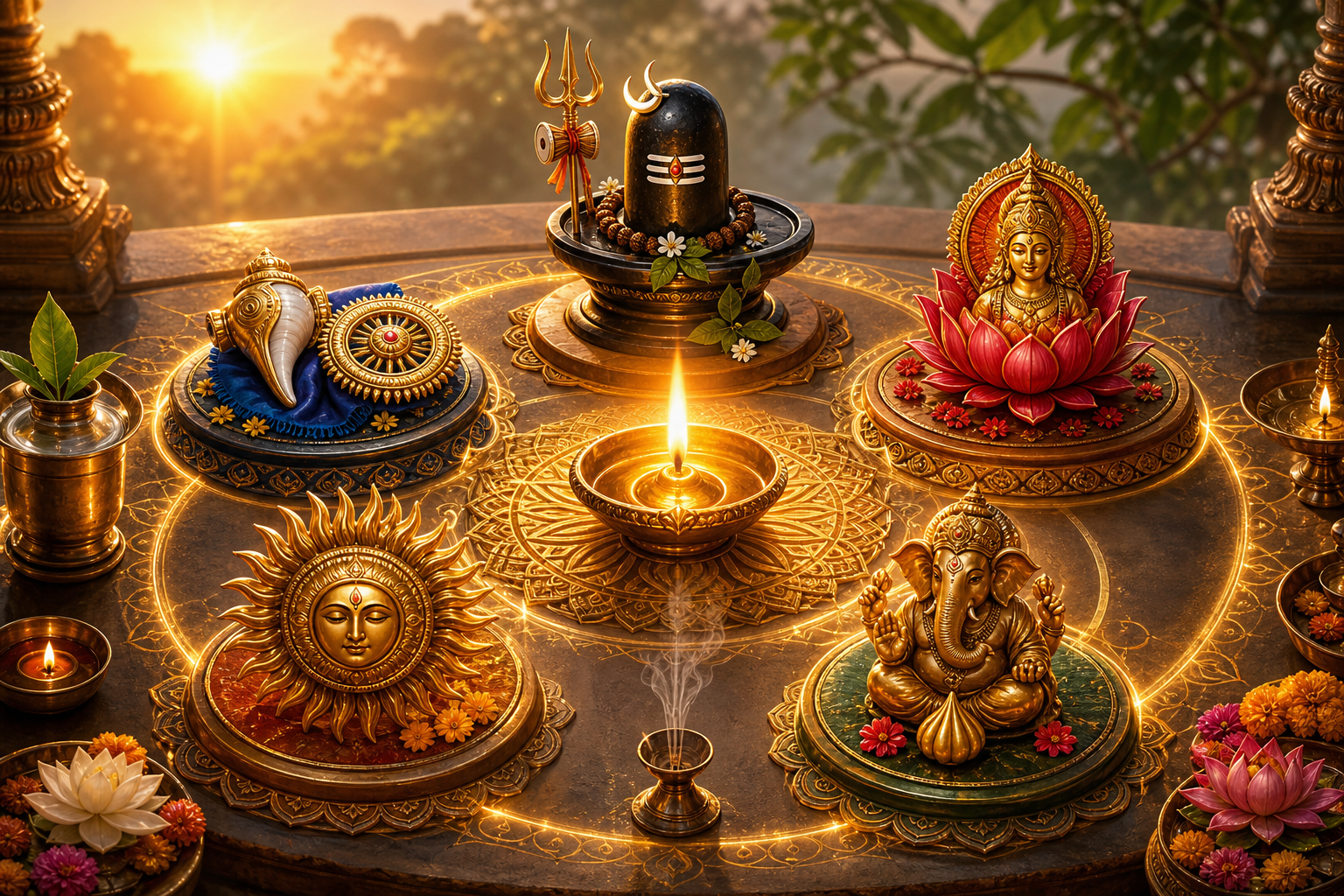
Panchopakas in Hinduism: Powerful Unity Behind Five Sacred Paths of Devotion
June 26, 2026
·
14 min read
Philosophy
,
Spiritual Insight
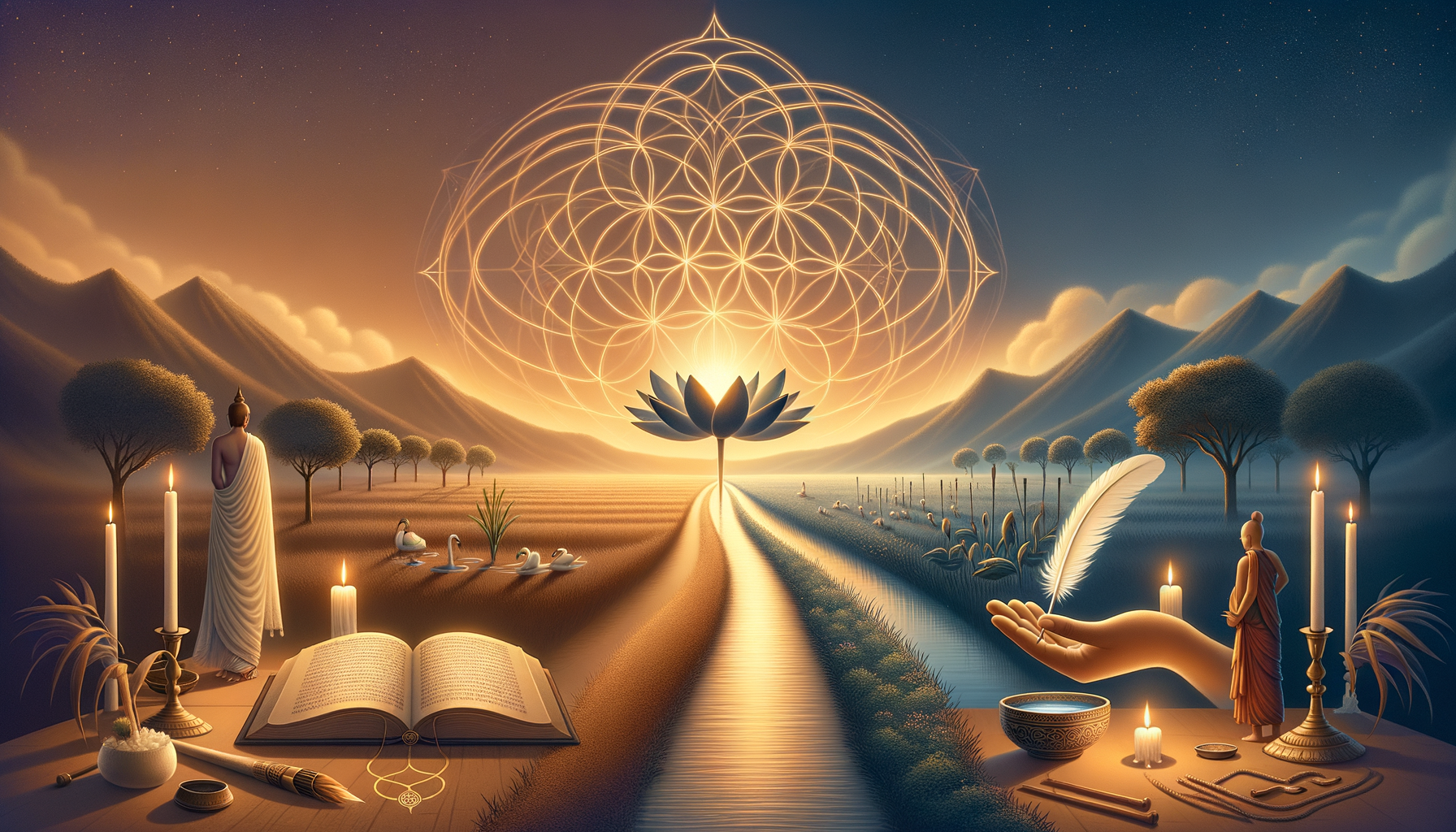
Jnana vs. Karma in Hinduism: How Knowledge and Selfless Action Unite on the Path to Moksha
December 12, 2025
·
4 min read