
-
Karnataka Hijab Row Resurges: Saffron Shawls, Campus Rules, and a Roadmap to Harmony
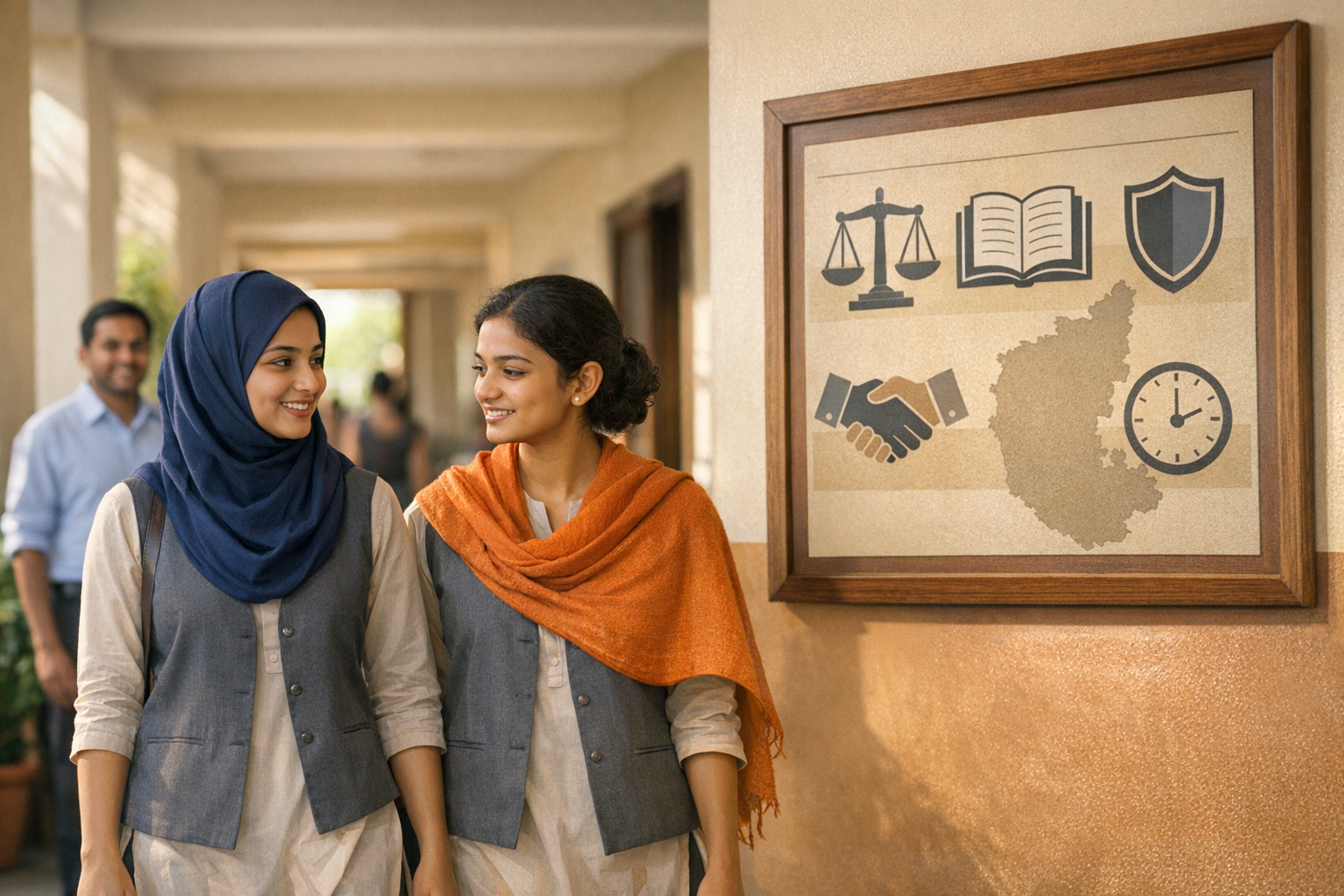
Reports from Hubballi in early June 2026 note saffron shawl distributions in select Karnataka colleges following institutional relaxations of earlier hijab restrictions, reigniting the Karnataka Hijab Row. This analysis explains the constitutional frameworkArticles 14, 19, 21, and 25governing religious symbols in education and outlines how proportional, content-neutral rules can protect both rights and classroom order.…
-
Karnataka CET Uproar: Sacred Janeu Cut Spurs Police Probe, Rights Debate, and Reforms
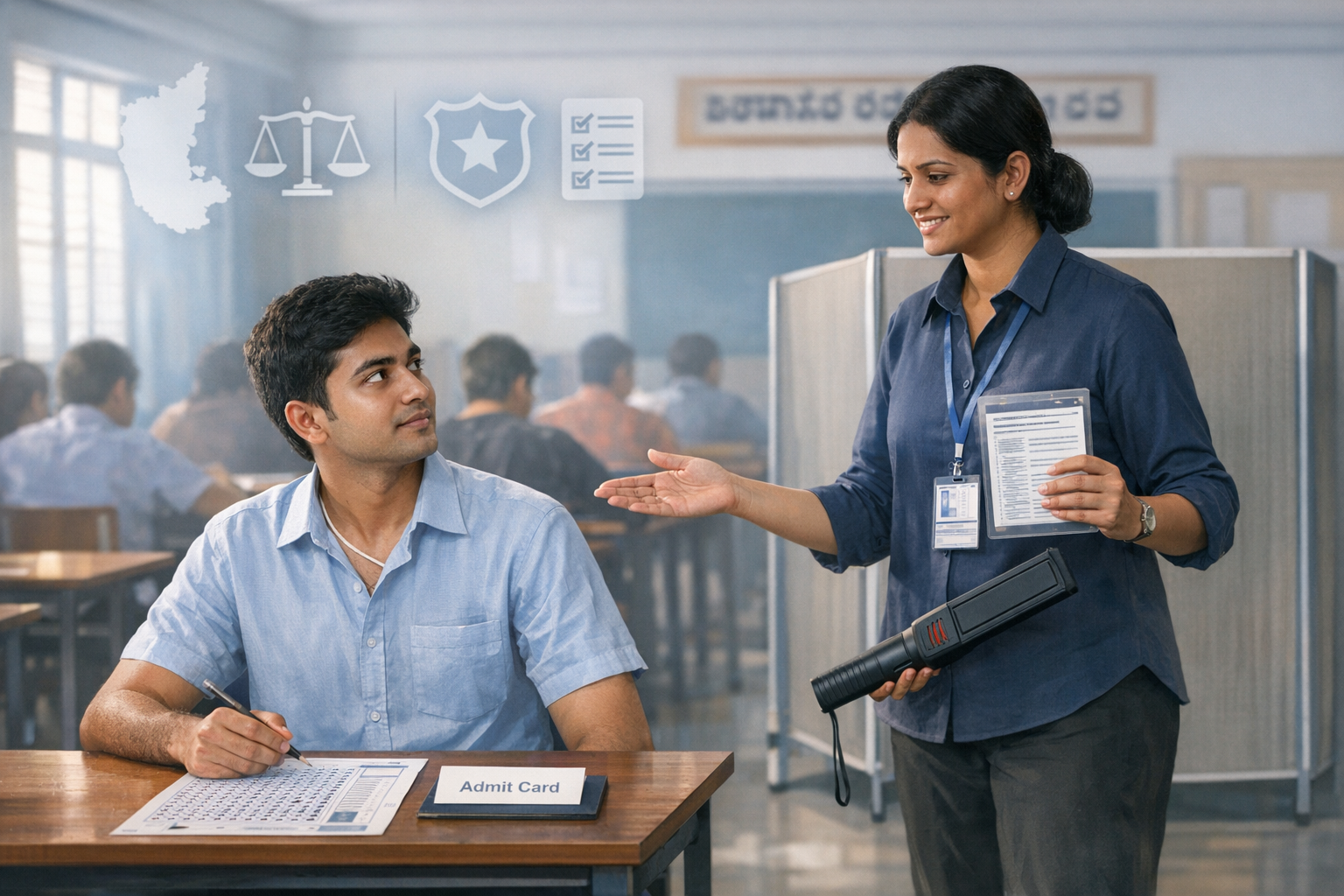
An alleged cutting of a Hindu student’s janeu at a Karnataka CET centre has ignited a vital debate on how exam security can coexist with constitutional protections for religious practice and student dignity. This analysis explains the sacred significance of the yajnopavita, situates the incident within Article 25 and Article 21, and applies the proportionality…
-
Lenskart Dress Code Controversy: Evidence-Based Roadmap for Inclusive, Rights-Aligned Workplaces

Allegations in April 2026 that Lenskart circulated an “anti-Hindu” dress code underscore a broader national need for inclusive, rights-aligned uniform policies in retail. This analysis avoids polarisation and instead offers an evidence-based roadmap grounded in India’s constitutional guarantees, ILO Convention 111, and the UN Guiding Principles on Business and Human Rights. It synthesizes court signals…
-
Jalgaon Class 12 Attire Row: Protecting Dignity and Equal, Lawful Treatment for All Students
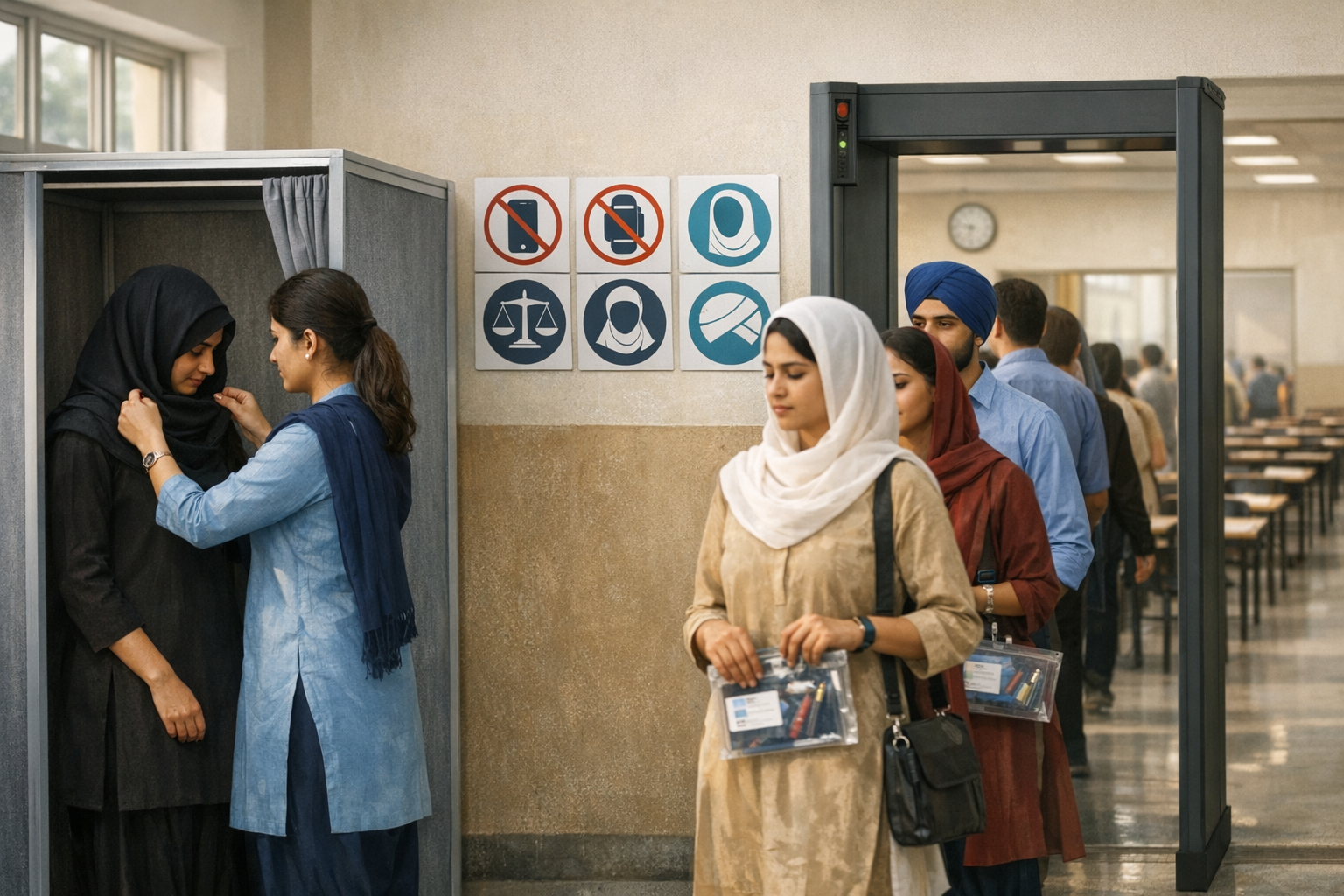
Reports from Jalgaon suggest that some Hindu candidates were asked to remove dupattas during Class 12 exams while students in burqas and hijabs were allowed to proceed, prompting a memorandum to the College Principal and District Collector. The issue highlights the need for a religion‑neutral, gender‑sensitive approach to exam hall dress codes that balances integrity…
-
Maharashtra Allows Burqa in Class 10–12 Exams: Ensuring Fair, Secure, and Inclusive Access

Maharashtra’s decision to allow Muslim girl students to wear the burqa during Class 10 and 12 board exams balances religious freedom with exam security. Situated against reports from a February 8 CTET sitting where some candidates were asked to remove mangalsutras, the policy highlights the need for uniform, clearly communicated rules. The analysis situates the…