
-
Vimanas in Hindu Scriptures: Technical Evidence, Meanings, and Types of Ancient Flying Craft
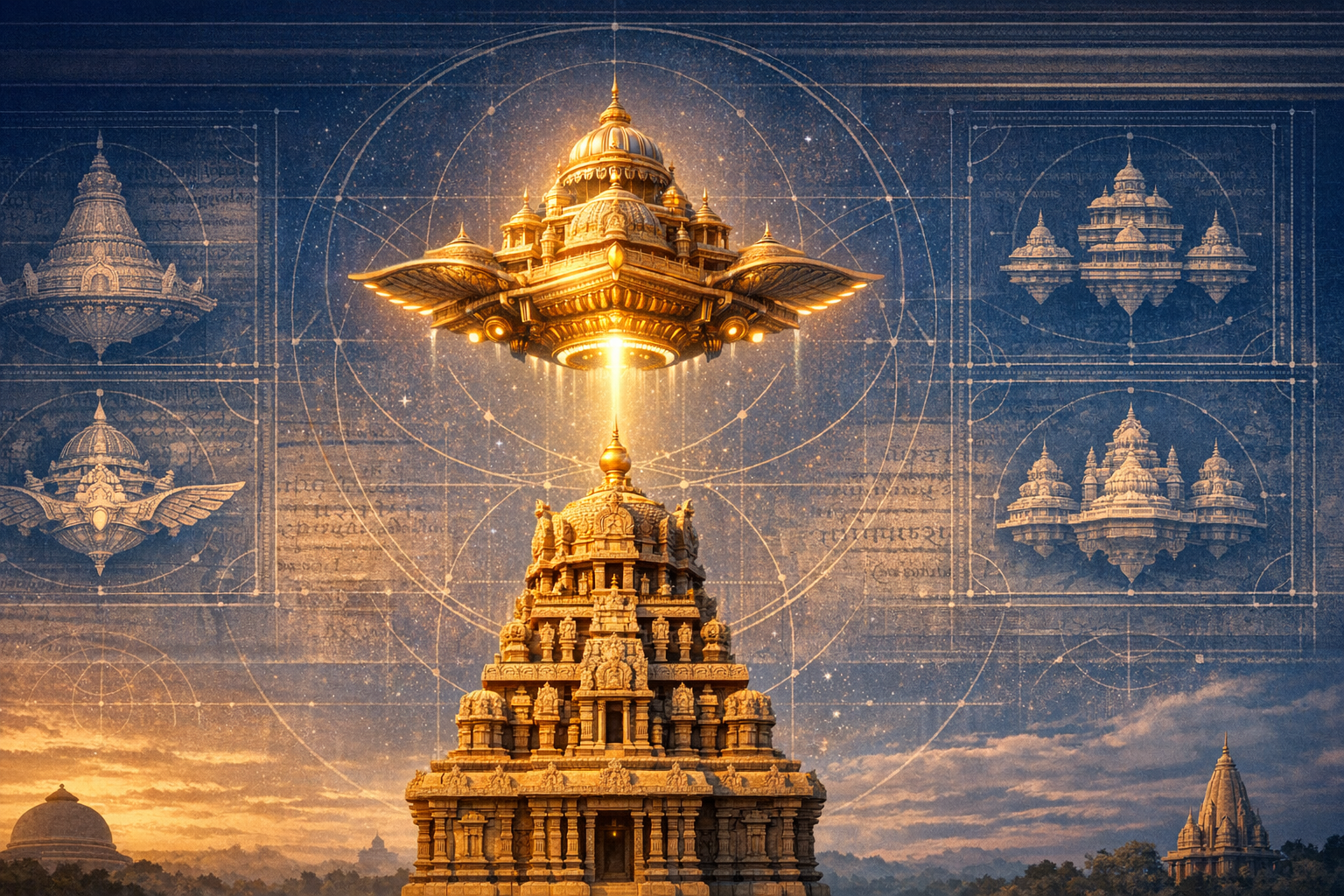
Vimanas in Hindu scriptures form a multi-layered tradition spanning divine aerial craft, tactical flying cities, cosmological mansions in Buddhist and Jain texts, and the soaring temple-towers of South Indian architecture. This long-form guide maps the philology of vimāna, compares epic and Puranic narratives, and contextualizes medieval and modern technical treatises such as the Samarangana Sutradhara…
-
Ravana’s Celestial Chariots Decoded: Sacred Power and Terrible Splendor in Lanka’s Final War
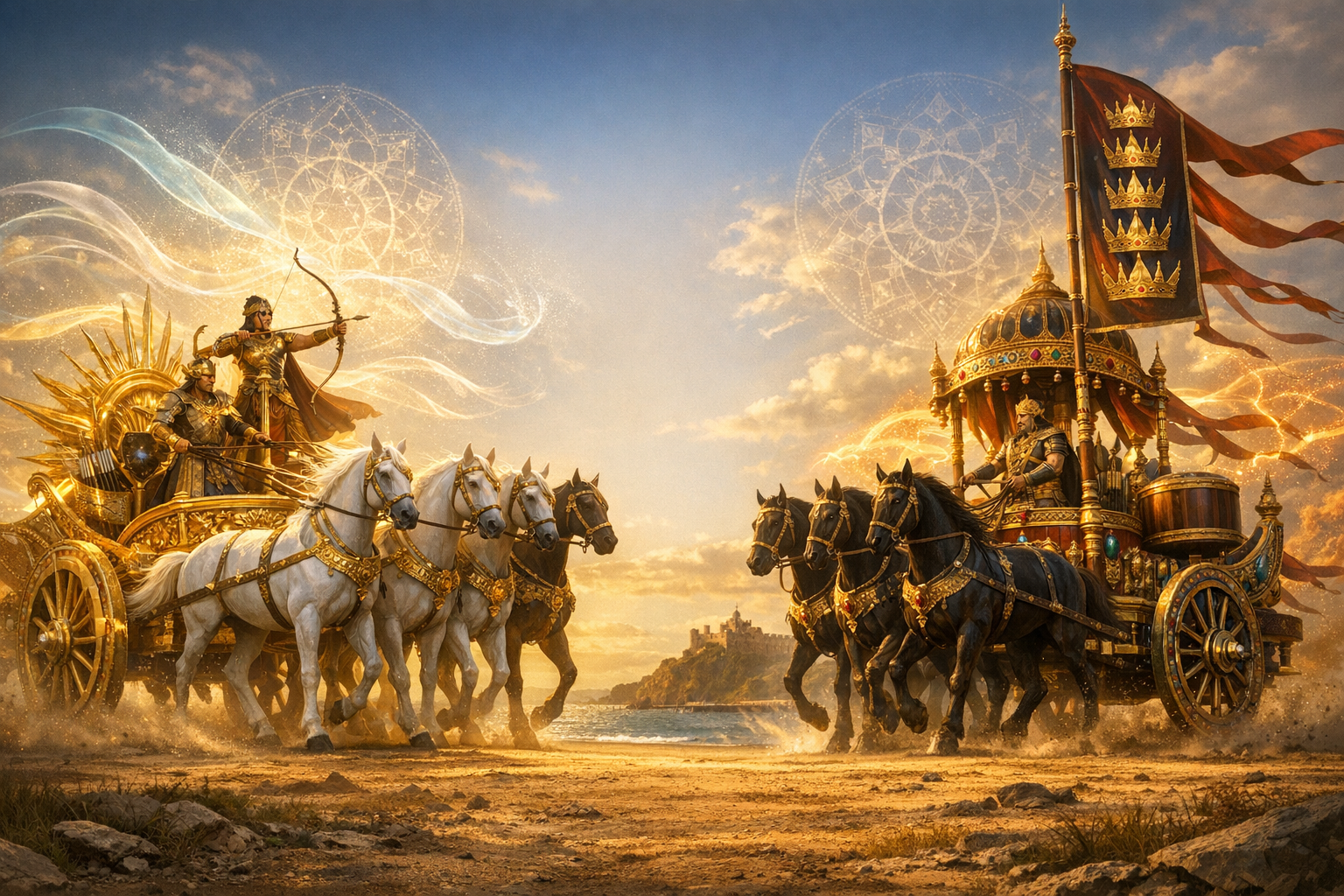
The final battle of Lanka in the Yuddha Kanda turns on two war chariotsRavana’s radiant ratha and Indra’s chariot driven by Matalithat fuse ritual, technology, and ethics. This analysis decodes ratha architecture, disablement tactics, and the elemental taxonomy of astras such as Agneyastra, Varunastra, and Brahmastra. It clarifies how Dharma-Yuddha constrains violence, showing why Rama’s…
-
Awe-Inspiring Pushpaka Vimana: Self-Restoring Design, Vedic Engineering, and Ramayana Legacy

Pushpaka Vimana, the famed aerial craft of the Ramayana, is widely remembered for adaptive flight, moral stewardship, and a compelling motif of self-restoration. Read as an engineering imagination, its traits anticipate modular design, redundancy, autonomous control, and lifecycle repair. Read as sacred symbolism, its self-reassembling power affirms dharma’s resilience and responsible governance. Cross-dharmic echoes in…
-
Ramayana in Brief: A Powerful, Immersive Summary of Lord Rama’s Epic, Dharma, and Legacy

This academically grounded Ramayana in Brief presents a lucid, kāṇḍa-by-kāṇḍa Summary of Ramayana, highlighting Lord Rama’s ethical leadership, Sita’s steadfastness, Hanuman’s service, and the triumph of dharma. It carefully situates the Valmiki Ramayana within its seven-part structure, notes key textual traditions, and clarifies how themes like maryada, rajadharma, and dharma-yuddha shape the story. Readers gain…
-
Grounded by Jatayu, Ravana Took to the Skies: Sita’s Abduction and the Power of Dharma
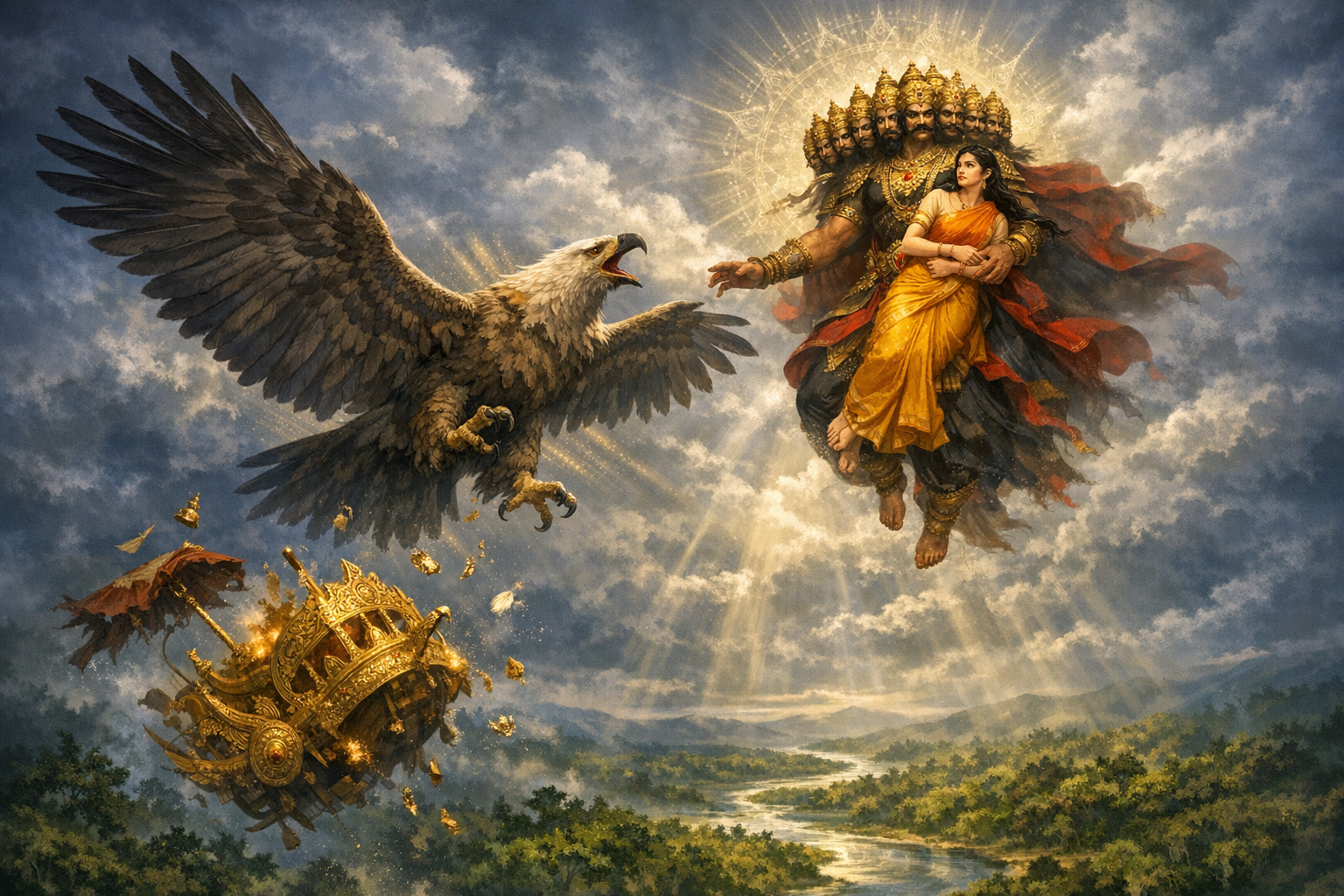
This long-form analysis examines the Jaṭāyu–Rāvaṇa confrontation during Sītā’s abduction, clarifying how South Indian retellings and the Vālmīki Rāmāyaṇa portray the shift from an aerial chariot to Rāvaṇa’s own ākāśa-gamana (flight) after the vehicle is disabled. It explains the semantics of ratha and vimāna, the narrative status of the Pushpaka Vimāna, and why regional traditions…
-
Ramayana in Brief: A Powerful, Immersive Summary of Lord Rama’s Epic, Dharma, and Legacy

This academically grounded Ramayana in Brief presents a lucid, kāṇḍa-by-kāṇḍa Summary of Ramayana, highlighting Lord Rama’s ethical leadership, Sita’s steadfastness, Hanuman’s service, and the triumph of dharma. It carefully situates the Valmiki Ramayana within its seven-part structure, notes key textual traditions, and clarifies how themes like maryada, rajadharma, and dharma-yuddha shape the story. Readers gain…
-
Ravana’s Doom Foretold: Dattatreya’s Disciples, a Vanara’s Kick, and Dharma’s Triumph
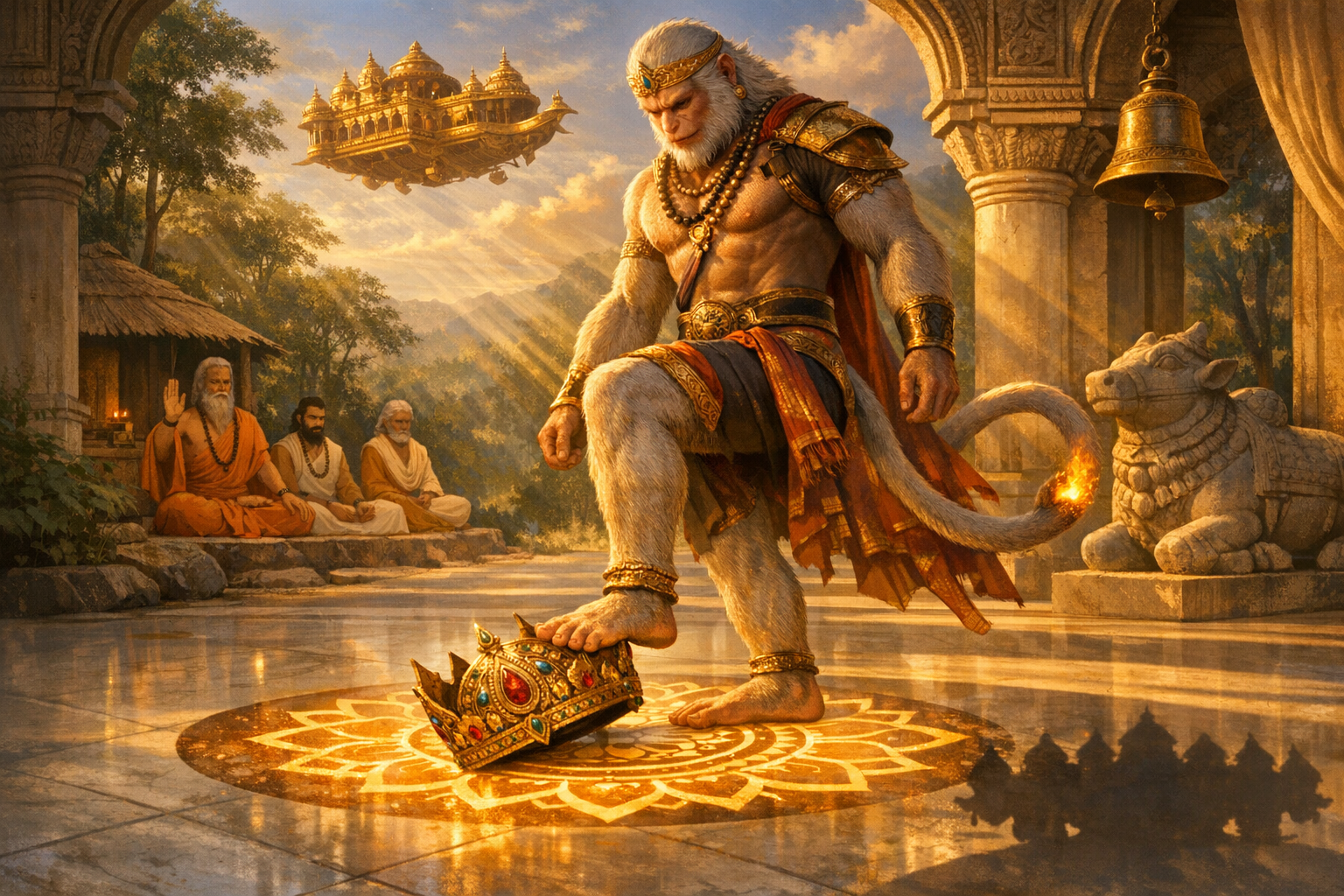
This long-form analysis examines a powerful Ramayana motif: a sage’s curse that Ravana, intoxicated by power and pride, would be humiliatedeven kickedby vanaras. It situates a regional strand that identifies the ascetics as disciples of Dattatreya alongside the canonical curse of Nandi in the Valmiki Ramayana’s Uttara Kanda. Readers gain a clear sense of how…
-
Decoding Ravana’s Pushpaka Vimana: Pishacha‑Faced Mules, War Chariots, and Dharma’s Warning
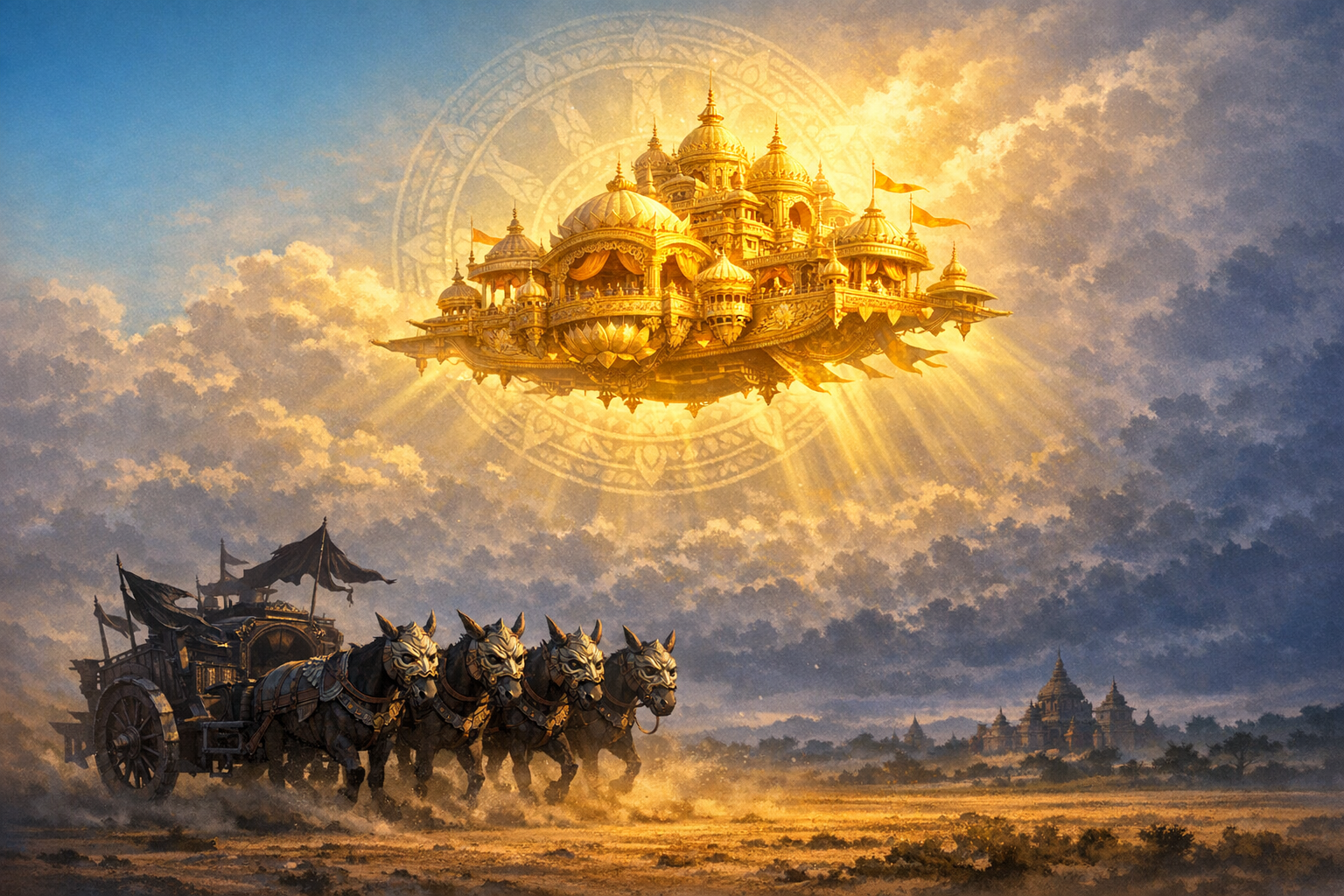
This in-depth analysis clarifies a frequent confusion in Ramayana studies by distinguishing Ravana’s mule-drawn war-chariotoften depicted with piśāca-like facesfrom the Pushpaka Vimana, the celestial, self-propelled vehicle reclaimed by Rama. Drawing on Valmiki’s Ramayana and southern vernacular traditions such as Kambaramayanam, it explains how these images function in classical aesthetics (rasa) and dharma ethics. The mule…