
-
Allegations at Wipro Pune ignite debate on religious bias: law, due process, and inclusive fixes

Allegations of religion-based harassment at a Wipro campus in Hinjawadi, Punefollowing earlier controversies in Nashik and Mumbaihave reignited an urgent discussion on how Indian workplaces manage belief and difference. This analysis clarifies what constitutes religious harassment, explains the Indian legal and corporate governance context, and outlines due-process investigations that protect all parties. It highlights data…
-
NCW Flags Alleged ‘Toxic Culture’ at TCS Nashik: Evidence-Based Guide to POSH and Faith Respect

Media reports from May 2026 suggest the NCW has flagged allegations of a “toxic culture,” POSH lapses, and religious harassment at a TCS unit in Nashik. This analysis translates that moment into an evidence-based roadmap for Indian IT–BPO workplaces. It explains the POSH Act 2013 in plain terms, outlines what constitutes a hostile environment online…
-
Bengaluru Protest Demands Statewide Probe into Nashik TCS, HubballiBlueprint for Fair Workplaces
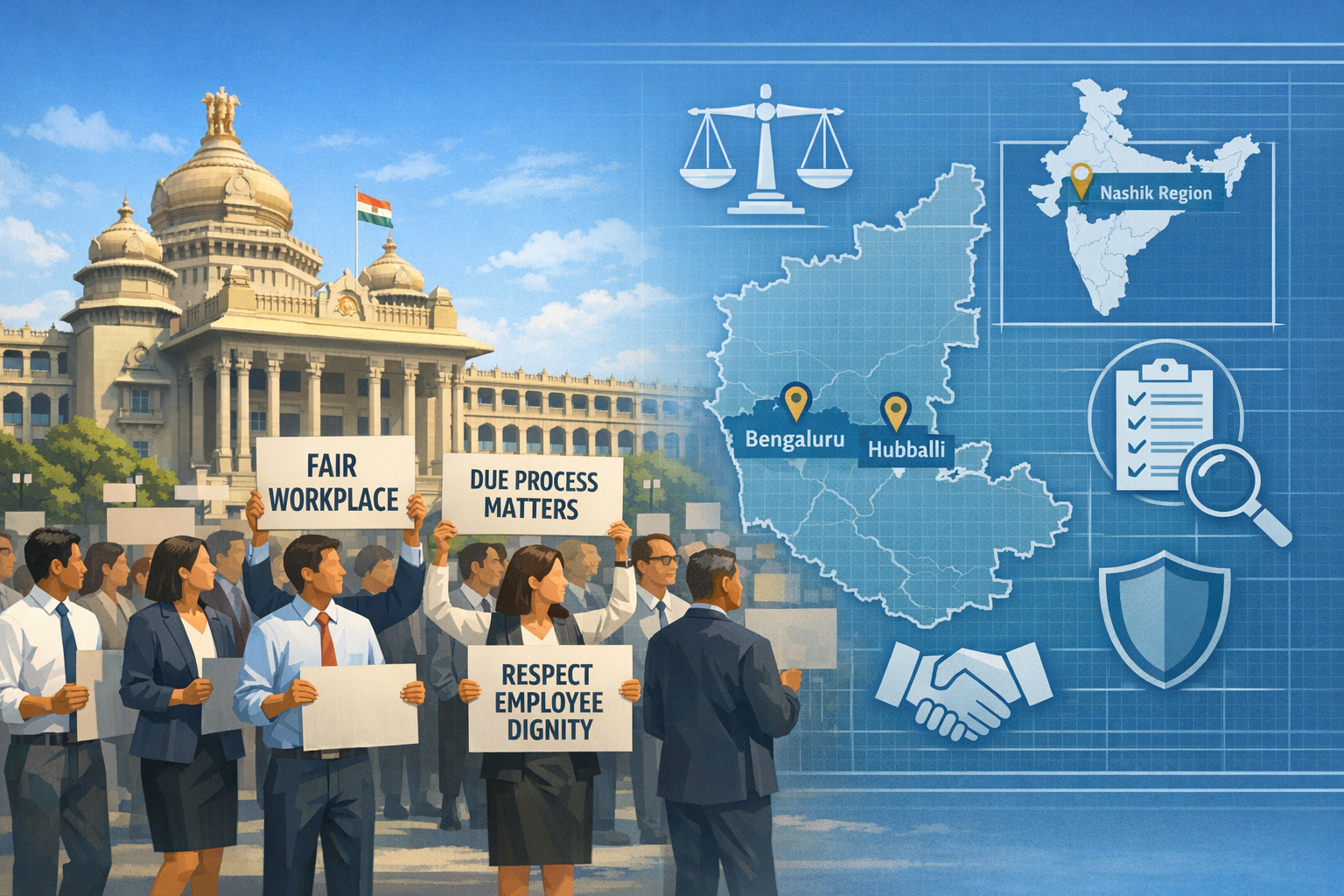
Hindu Rashtra Samanvaya Samiti’s Bengaluru protest and memorandum urge a statewide probe into alleged workplace religious coercion, citing the Nashik TCS incident and the Hubballi case as catalysts. This analysis frames the demand within constitutional guarantees, emphasizing due process, neutrality, and evidence-based inquiry. It outlines how a Special Investigation Team (SIT) could be constituted, governed,…
-
Urgent Call to Enforce Maharashtra’s Anti-Conversion Law in Nashik TCS Case, With Due Process

The Nashik TCS case has prompted a focused demand to apply Maharashtra’s emerging anti-conversion framework with rigor and due process. Grounded in Article 25 and the Supreme Court’s jurisprudence, the analysis explains how state Freedom of Religion Acts are designed to deter force, fraud, and allurement without chilling voluntary faith choices. It outlines practical steps…
-
Pune’s Hinjewadi Sees Powerful Rally Urging Impartial Probe into Nashik ‘Corporate Jihad’ Claims

A civic mobilisation in Hinjewadi, Pune called for an impartial, evidence-led probe into the Nashik ‘corporate jihad’ allegations, emphasising due process and accountability. Set within an IT–BPM hub, the rally highlighted workplace concerns about integrity, non-discrimination, and data security. The analysis outlines how a Special Investigation Team could integrate cyber forensics, financial analysis, and human…
-
TCS Nashik row: Bajrang Dal protest over alleged conversion, harassment; impartial probe urged

A peaceful yet high-stakes protest by Bajrang Dal outside the TCS office in Nashik spotlighted two serious and distinct allegations: coerced religious conversion and workplace sexual harassment. The most constructive response is an impartial, time-bound investigation under the POSH Act for harassment claims, with criminal due process where coercion or intimidation is alleged. India’s constitutional…
-
High-Stakes TCS Nashik Row in Supreme Court: Plea Seeks Terror Tag for Coercive Conversions under UAPA/NSA
A petition before the Supreme Court of India relating to allegations at TCS Nashik seeks to classify organised, coerced conversions as a “terrorist act” under UAPA and to trigger action under the NSA. This analysis explains the constitutional backdrop (Articles 25–26), the bar against forced conversions affirmed in Rev. Stainislaus, and the protection of adult…
-
Inside the Nashik TCS allegations: Why an ATS–NIA terror-angle probe could be decisive
An advocate’s call for an ATS–NIA probe into alleged sexual exploitation at a TCS office in Nashik reframes the incident as a potential counterterrorism risk with national-security implications. This analysis explains ATS and NIA mandates, the legal thresholds that would justify a terror-angle inquiry, and how UAPA, POSH, ITPA, IT Act, and DPDP intersect. It…
-
Inside the Nashik BPO Allegations: SIT Probe, Workplace Harassment, and Paths to Justice

Allegations of workplace harassment and religiously charged misconduct at a Nashik BPO have prompted multiple FIRs and, according to reports, an SIT probe. This analysis avoids sensational framing and centers due process, survivor dignity, and organizational accountability. Readers gain a clear view of India’s PoSH Act requirements, relevant IPC provisions, and how internal and criminal…