
-
Atma vs Anatma Explained: A Scholar’s Guide to Inner Freedom, Clarity, and Lasting Peace

This in-depth guide clarifies the difference between Atma (the changeless witness) and Anatma (all that arises and passes), showing why this insight is the key to inner freedom and lasting peace. Drawing on the Upanishads, the Bhagavad Gita, Vedanta, Sāṅkhya-Yoga, and Nyāya-Vaiśeṣika, it presents multiple, mutually reinforcing methods: Pancha Kosha Viveka, Drg-Drsya Viveka, Avasthātraya analysis,…
-
Neo‑Vedanta Unveiled: A Powerful Modern Synthesis Bridging Dharmic Wisdom and Pluralism
This article examines Neo‑Vedanta as a rigorous, modern synthesis of Vedāntic wisdom grounded in the Prasthanatraya (Upanishads, Bhagavad Gita, Brahmasutras). It traces historical catalysts in nineteenth‑century India and explains how Sri Ramakrishna and Swami Vivekananda anchored a plural, practice‑oriented vision. Readers gain a clear understanding of Ishta as a principle of respectful diversity and see…
-
Dvaita vs Advaita in Hinduism: A Clear, Compassionate, Research‑Backed Guide to Vedanta

This research-backed guide clarifies the real differences between Dvaita and Advaita without reducing either system to caricature. It explains Advaita’s non-dual Brahman, Dvaita’s theistic realism, and why both accept the same core scriptures yet read them through distinct hermeneutics. Readers learn how Advaita’s three levels of reality and Dvaita’s Panchabheda lead to different, but equally…
-
Nyayamrita of Vyasatirtha: A Dvaita Masterpiece of Logic, Metaphysics, and Pluralist Dialogue
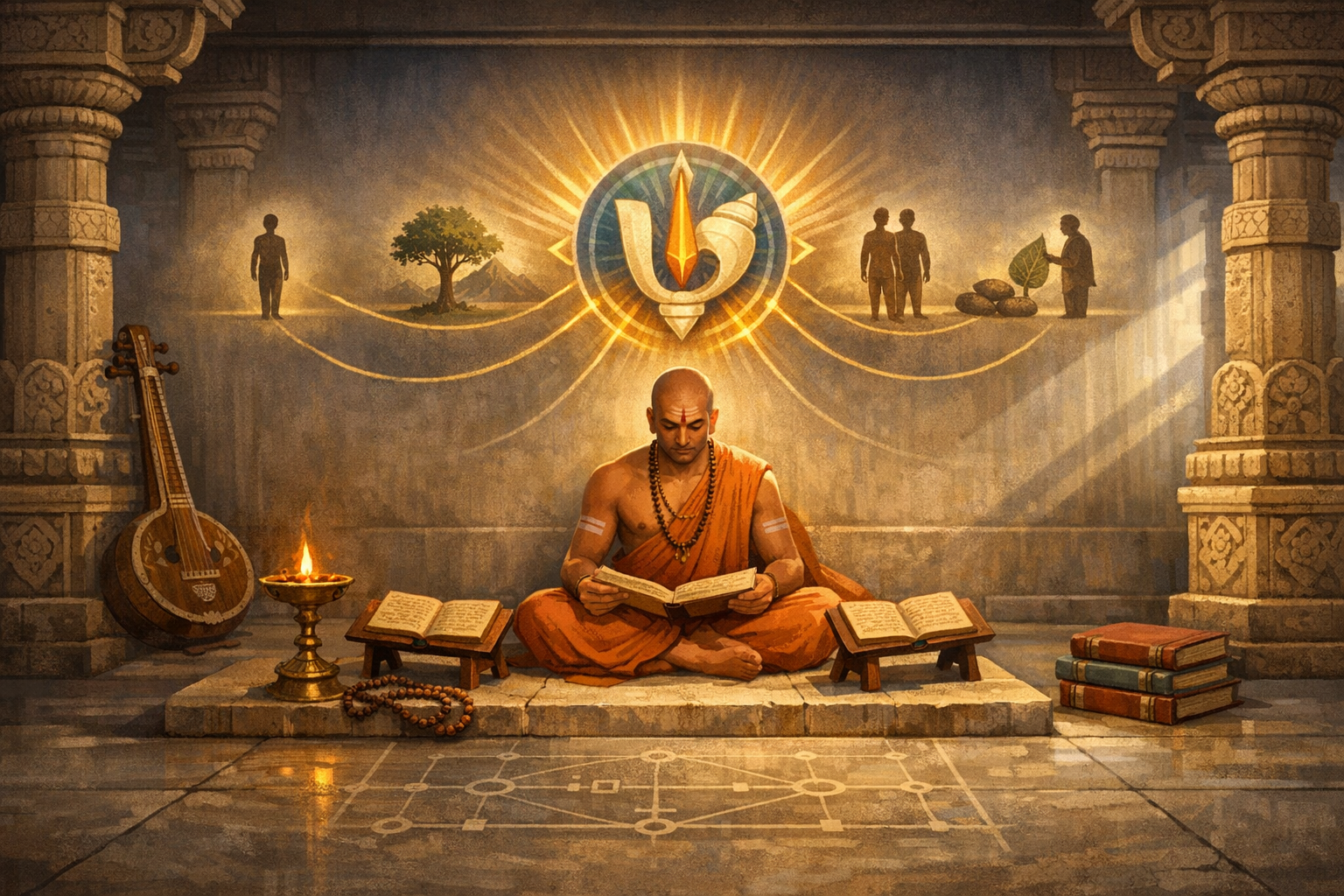
Nyayamrita by Vyasatirtha is a landmark of Dvaita Vedanta that combines rigorous logic, careful scriptural exegesis, and a living devotional ethos. Composed in the Vijayanagara milieu, it clarifies Madhvacharya’s realismaffirming the fivefold difference and the integrity of bhaktiwhile engaging Advaita Vedanta with analytical precision. The work challenges the anirvachaniya status of the world, probes the…
-
Mapping Krishna’s Four Horizons: Jagannath, Dwarka, Nathdwara and Udupi as Guides in Kali Yuga

India’s sacred geography can be read as a spiritual compass: four living centers of Krishna-bhaktiPuri (Jagannath), Dwarka (Dwarkadhish), Nathdwara (Srinathji), and Udupi (Sri Krishna)situated at the subcontinent’s horizons. This article explains how each manifestation offers distinct guidance for Kali Yuga: communal kirtana and prasada at Puri, dharma-anchored leadership at Dwarka, seva and aesthetic devotion at…
-
Madhvacharya Jayanti 2026: Date, Significance, and Reflections on Dvaita Vedanta
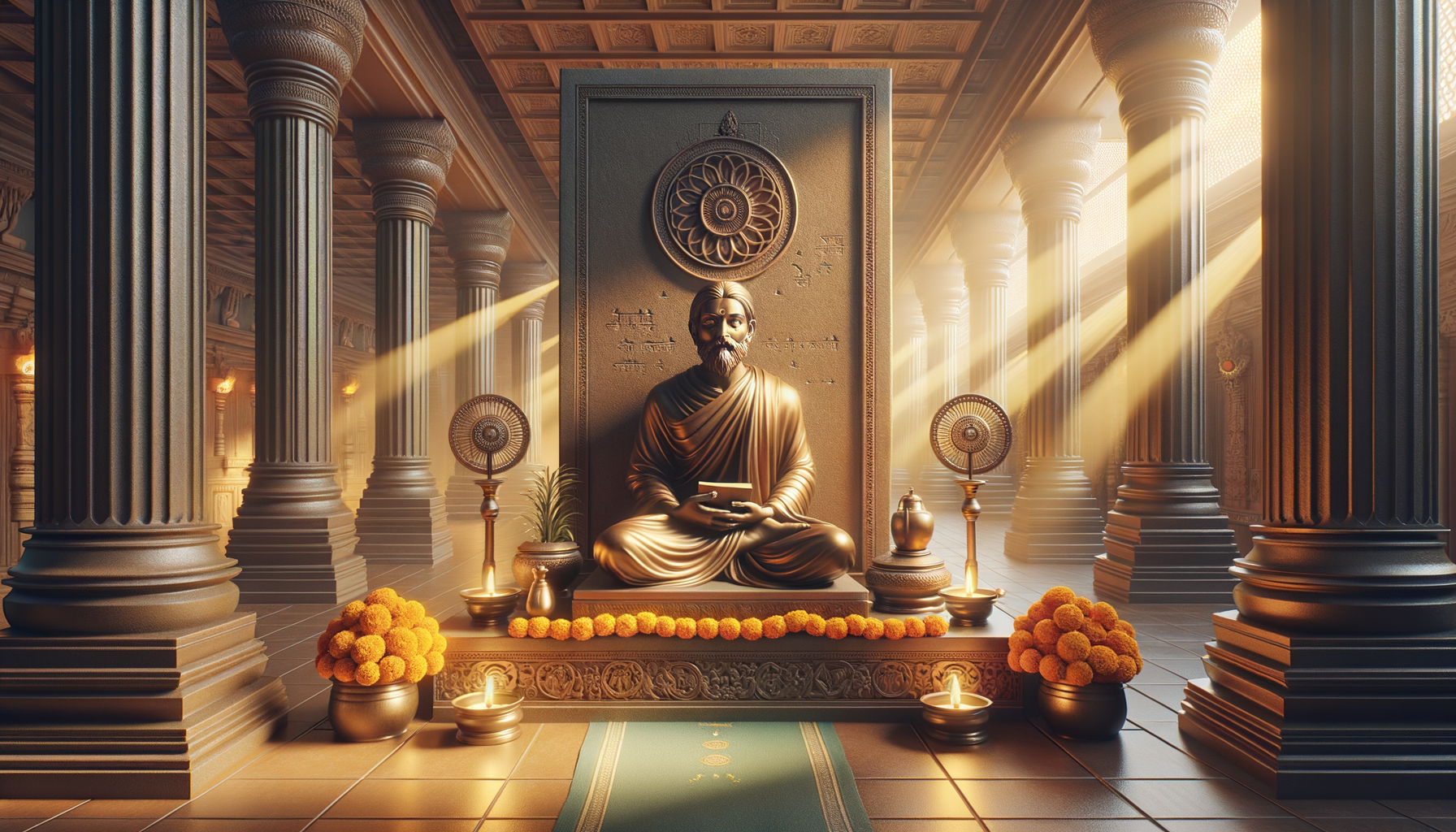
Madhvacharya Jayanti 2026 falls on October 21, commemorating the birth of Sri Madhvacharya (Purna Prajna, Ananda Tirtha), honored as the ‘Dvaita Siddhanta Kartha’. The observance highlights the intellectual clarity of Dvaita Vedanta, its emphasis on the distinction between jiva and Paramatman, and its lasting impact on the Bhakti movement. Readers gain the essential date, cultural…