
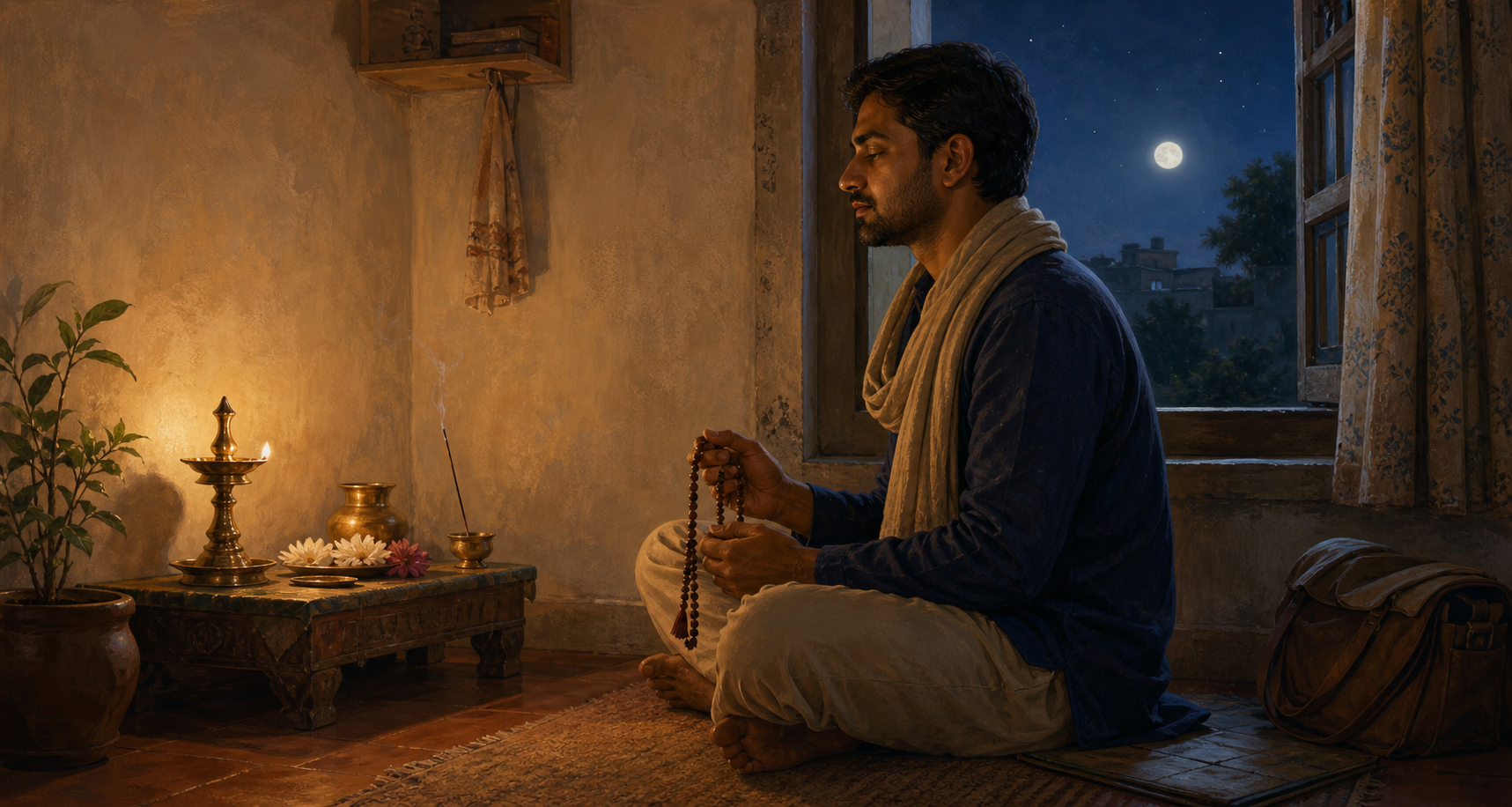
You have the Panchang open, but the auspicious period has already passed. Should you postpone your japa, compress it into a hurried ritual, or practise at an ordinary hour? For most recurring sadhana, keep the practice. Let sacred timing shape its emphasis, not decide whether it happens.
This distinction protects both sides of spiritual life. You respect the rhythms of tithi and nakshatra without turning them into excuses, and you preserve the steady abhyasa through which prayer, meditation, remembrance, and ethical restraint become part of your character.
Let sacred timing modify, not govern, your practice
A Panchang gives you calendar context. It does not grant or withdraw permission to remember the Divine. If your regular practice is japa, dhyana, prayer, scriptural study, simran, or quiet reflection, its ordinary anchor should survive busy days, travel, changing lunar conditions, and missed auspicious windows.
Time-bound observances require a different decision. A vrata attached to a particular tithi, a temple rite, or a discipline received with explicit instructions may depend on a stipulated period. In those cases, follow the relevant sampradaya, Guru, temple, or trusted local almanac. Generic calendar advice should never overrule a specific instruction given within your lineage.
Before changing your routine for a calendar event, use this test:
- Is this my recurring personal sadhana? Keep its established anchor even when no special tithi or nakshatra is present.
- Is this observance defined by a particular time? Confirm the applicable local timing instead of relying on a date copied from another region.
- Was the practice transmitted with instructions? Follow those instructions, especially for mantra, Mahavidya Upasana, pranayama, or fire rites.
- Am I adding intensity or replacing consistency? A special observance should deepen a stable practice, not compensate for repeatedly abandoning it.
This approach prevents two common errors. The first is calendar indifference: treating every day as spiritually interchangeable even when your tradition marks meaningful rhythms. The second is calendar dependence: doing nothing unless the sky appears to provide an ideal opening. Disciplined sadhana occupies the sound ground between them.
Build a routine that survives an ordinary day
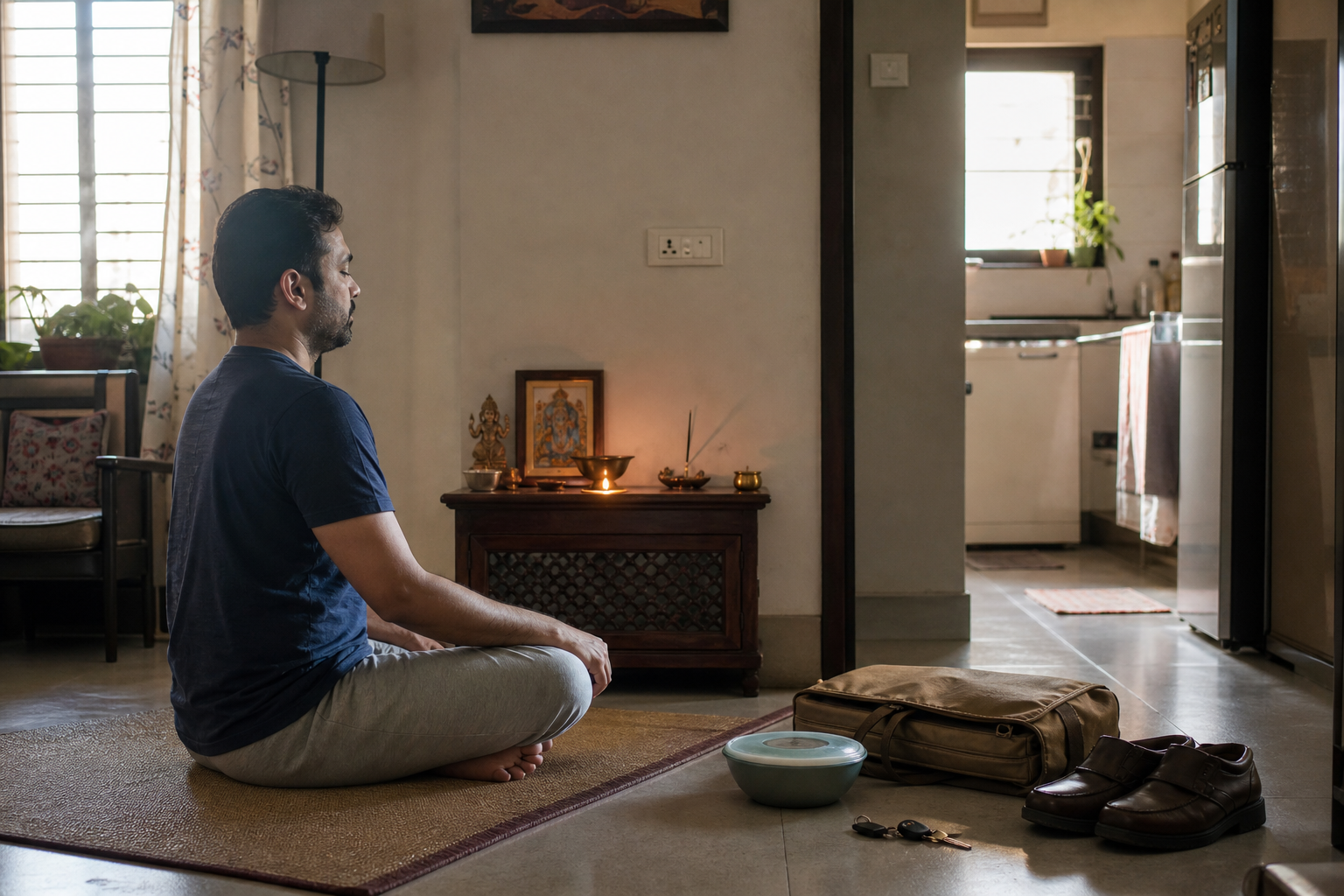
Your baseline practice should be simple enough to perform without elaborate preparation and substantial enough to engage your attention. Sacred timing can then add a theme, observance, or degree of intensity to something that already exists.
- Choose a dependable anchor. Sunrise prayer, a settled period after waking, or reflection beside an evening lamp can work. Select the cue that fits your actual responsibilities, then keep returning to it.
- Define the authorised core. This might include prayer, japa of a mantra you are entitled to use, dhyana, scriptural study, or simran. Avoid changing the core whenever a new technique catches your attention.
- Begin with a brief sankalpa. Name the quality you intend to cultivate and connect it to conduct. Clarity should affect a decision; restraint should affect speech; devotion should affect how you serve.
- Use a reduced form when circumstances are difficult. Preserve the sequence and the devotional relationship rather than declaring the whole day lost because the full form is not possible.
- Close with an ethical check. Ask whether the practice made you more attentive, compassionate, humble, and responsible. This keeps inner discipline joined to dharma.
- Record only what helps you continue. Note whether you practised, what interrupted you, and what adjustment you will make at the next anchor. A record should expose patterns, not become a display of spiritual achievement.
Once this baseline is dependable, use calendar occasions as an intensification layer. You might add relevant study, extend contemplation, offer light, or undertake a fitting act of service. Keep the core recognisable. If every auspicious day produces an entirely new routine, you are collecting experiences rather than training attention.
A missed session also needs a disciplined response. Do not punish yourself with an unsustainable surge of practice, and do not use the lapse to abandon the routine. Identify the failed cue, return at the next dependable anchor, and make the smallest change that prevents the same obstacle from deciding for you again.
Use tithi and nakshatra with precision

Sacred timing becomes useful when it changes a concrete choice. A tithi can influence the emphasis of a session. A nakshatra can provide a contemplative symbol or occasion for periodic intensification. Neither should be treated as a guarantee of a result.
Read the transition, not just the calendar date
A civil date can contain more than one tithi. On Wednesday, October 22, 2025, Shukla Paksha Pratipada prevailed until 6:17 PM and Shukla Paksha Dwitiya followed. Pratipada in the waxing phase is traditionally associated with renewal, clarity, and forward movement, while Dwitiya can support consolidation and steady routine.
If you were using that day for ordinary personal practice, the transition could guide emphasis. Before the change, you might renew a neglected sankalpa or begin a constructive discipline. After it, you might stabilise the routine and attend carefully to repetition. You would not need to rush through careless japa immediately before the boundary merely to claim the earlier tithi.
If the observance itself required Pratipada, however, precision would matter. Panchang calculations can vary with locality, sunrise, longitude, regional convention, and the almanac being followed. Consult a trusted regional Panchang or temple almanac for a time-bound rite. A timestamp detached from its locality is not universal ritual guidance.
When checking a tithi, write down the practical answer rather than copying the whole calendar: the relevant boundary in your locality, whether your intended practice falls before or after it, and what your tradition asks you to do. This turns almanac reading into a decision instead of an accumulation of data.
Approach Krittika as a discipline, not a personality verdict
Krittika Nakshatra extends from 26°40′ Aries to 10° Taurus, is ruled by the Sun, and is associated with Agni and Kartikeya; its blade symbol points toward purification, decisiveness, tapas, and the cutting of confusion. Those correspondences offer a demanding question: what in your life needs discernment, and what merely wants the heat of reaction?
The blade should first be applied inwardly. Cut an unnecessary complication from your routine. Separate a clear duty from an emotional impulse. Remove speech that turns conviction into cruelty. Krittika’s fire is spiritually useful when it illuminates and purifies; anger, impatience, and harsh judgement are not evidence of advanced tapas.
A restrained Krittika-oriented session can include a sunrise salutation to Surya, an offering of light, steady japa, contemplation of an inner flame, and a closing commitment to compassionate action. An evening reflection beside a lamp provides a simple home anchor. A fire rite should be undertaken only where it is appropriate and traditionally guided, while Shakti or Mahavidya mantras should be practised as transmitted by a competent Guru.
Some practitioners intensify sadhana when Krittika is in transit or during Karthika Masam. Treat that intensification as a focused period within your established path. Do not infer that a prominent Krittika placement compels a particular advanced practice, and do not use a nakshatra description as a fixed verdict about your temperament or destiny.
Judge the practice by what it changes
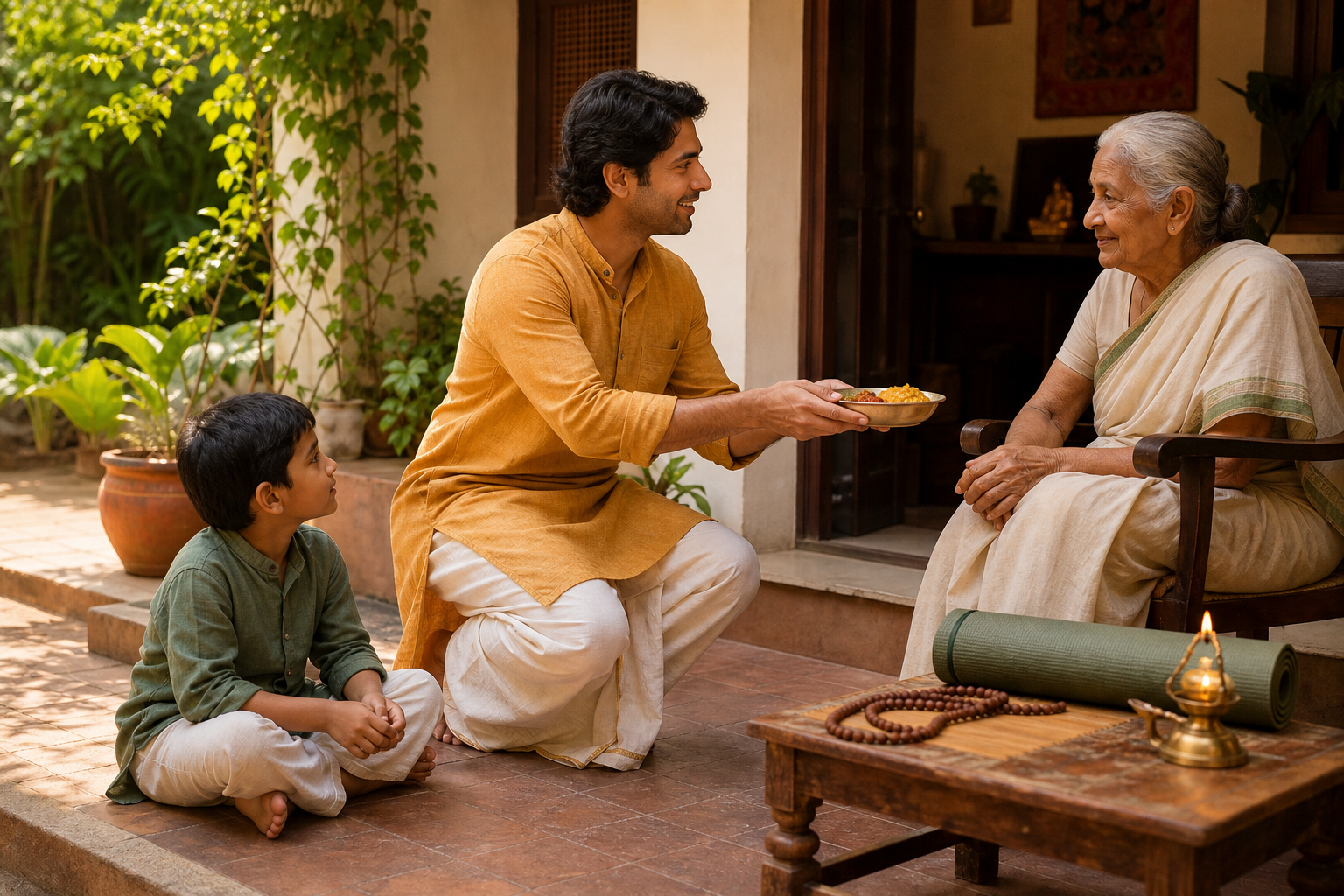
The cleanest test of sacred timing is not whether the session felt unusual. It is whether disciplined attention becomes discernible in ordinary conduct. Yama and niyama, compassion, humility, responsibility, and service keep spiritual intensity from turning into self-importance.
Watch for these signs that timing has begun to displace sadhana:
- You repeatedly skip ordinary practice while waiting for a special day. Return to the fixed anchor and treat the next observance as an addition.
- You spend more time calculating than practising. Extract only the local boundary and instruction relevant to the decision in front of you.
- You increase complexity after every lapse. Restore the authorised core before adding vows, techniques, or longer observances.
- You borrow a mantra because its symbolism matches a nakshatra. Use familiar prayers or contemplative themes unless qualified guidance gives you the mantra and method.
- Your intensity makes you harsher. Redirect the energy toward restraint, careful speech, useful work, and service.
- You treat different dharmic paths as interchangeable. Honour their shared esteem for disciplined practice without erasing their distinct teachings, vows, authorities, and methods.
Hindu japa and upasana, Buddhist dhyana, Jain restraint and tapas, and Sikh simran can all illuminate the value of steady attention and ethical living. That kinship supports mutual respect. It does not authorise you to detach a specialised practice from its lineage or combine methods without understanding their purposes.
If your practice is producing agitation, spiritual pride, compulsive calendar checking, or contempt for people who observe differently, reduce the added intensity. Return to the stable core, re-establish ethical restraint, and seek guidance within the tradition responsible for the practice.
Key takeaways
- Keep recurring sadhana at a dependable daily anchor; use sacred timing to modify its emphasis.
- Follow local Panchang calculations for time-bound observances because tithi boundaries can vary by place and convention.
- Let a special tithi or nakshatra deepen an established practice instead of replacing it with novelty.
- Use Krittika’s fire and blade as disciplines of purification and discernment, never as permission for anger or harshness.
- Practise initiated mantras and specialised rites according to competent guidance.
- Measure spiritual intensity by clearer judgement, steadier conduct, compassion, humility, and service.
At your next anchor, do not wait for an ideal hour. Make a brief sankalpa, perform the authorised core without haste, and carry one chosen quality into the next duty before you. When a relevant tithi or nakshatra arrives, add a fitting emphasis while leaving that foundation intact.
References
- DharmaRenaissance Blog — Complete Panchang Guide for October 22, 2025: Discover Pratipada–Dwitiya Timings
- DharmaRenaissance Blog — Master Krittika Nakshatra: The Complete Guide to Mahavidya Upasana for Transformative Sadhana
