
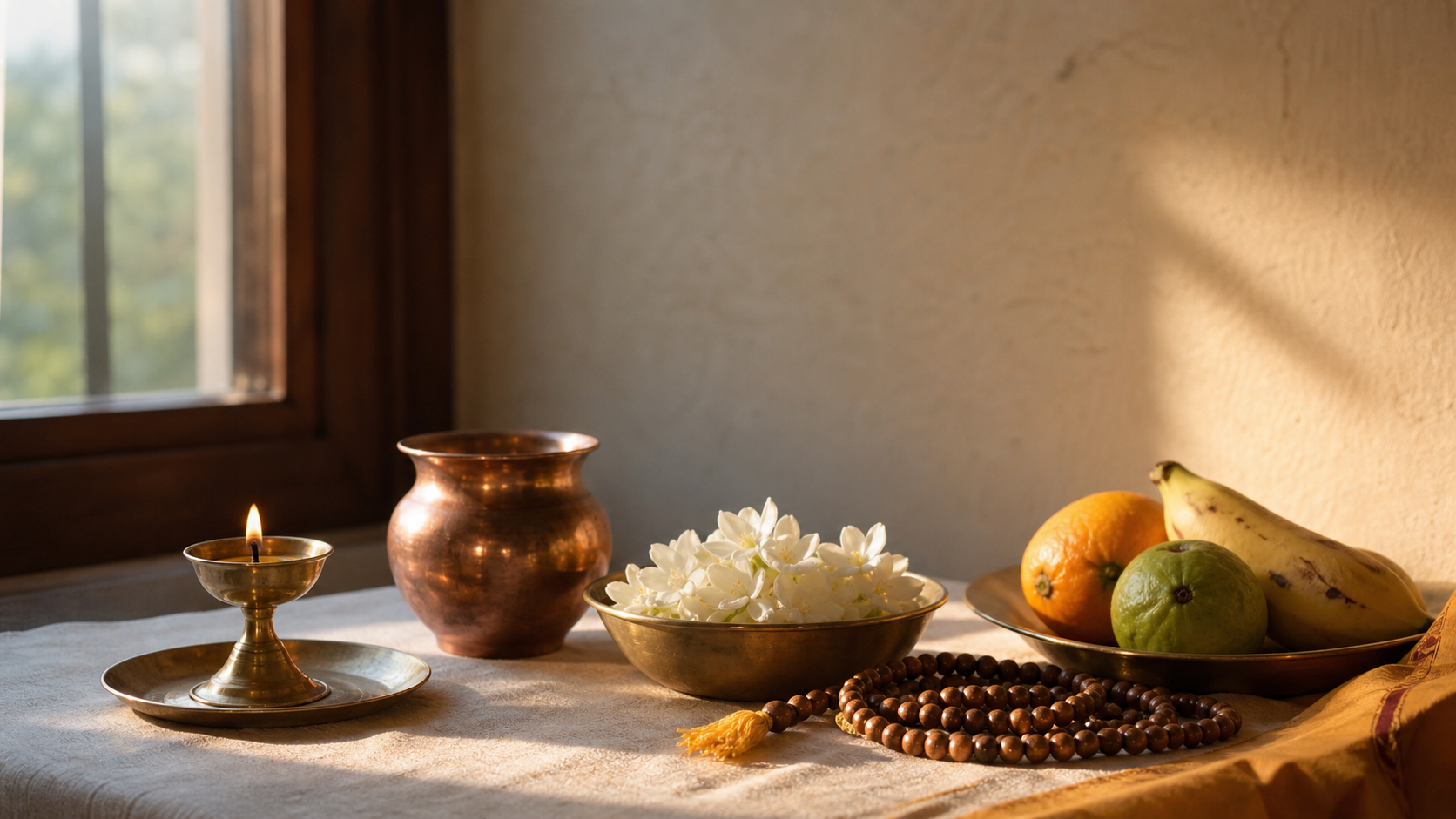
If you are deciding how to observe Sunday, January 4, 2026, the important detail is not simply that it is a Krishna Paksha day. The tithi changes during the afternoon, giving the earlier and later parts of the day different practical emphases.
For most regions, Krishna Paksha Pratipada prevails until 2:08 PM, followed by Krishna Paksha Dwitiya. You can use that transition to place reflection, review, and quiet sadhana earlier in the day, then move toward orderly work and balanced progress afterward. If a vrata, ceremony, journey, or major undertaking depends on an exact muhurat, confirm the calculation for your location before acting.
Key takeaways
- Krishna Paksha Pratipada prevails until 2:08 PM in most regions on January 4, 2026.
- Krishna Paksha Dwitiya begins after 2:08 PM.
- Use the Pratipada portion for review, simplification, study, japa, and the renewal of a neglected discipline.
- Use the Dwitiya portion for measured planning, cooperative work, and small actions that can be sustained.
- Do not treat 2:08 PM as a universal local time. Verify tithi, nakshatra, rashi, Rahu Kalam, and any required shubh muhurat through a regional Panchang.
Read the afternoon transition correctly
A tithi is a lunar division, so it need not begin or end at midnight. That is why January 4 cannot be understood as one unchanging Panchang day. Its first portion carries the character of Pratipada, the opening tithi of the waning fortnight, while its later portion carries the character of Dwitiya.
Krishna Paksha Pratipada supports an inward turn. This does not mean that ordinary work must stop. It means that the most fitting use of the period is to examine what you are carrying into the waning fortnight. Review a commitment. Remove a distraction from your prayer or study space. Return to a spiritual discipline that has become irregular. Finish a loose end before creating another obligation.
After 2:08 PM, Dwitiya changes the emphasis from review to balanced continuation. This is a useful period for turning a clear intention into a workable next step: organize a task, write a realistic plan, divide responsibilities, or resume a routine without trying to transform everything at once.
Neither tithi should be reduced to a crude good-or-bad label. Pratipada does not prohibit useful action, and Dwitiya does not guarantee that every decision will succeed. The Panchang supplies a rhythm for conduct; it does not replace judgment, preparation, or the duties already in front of you.
Build your day around what each tithi supports
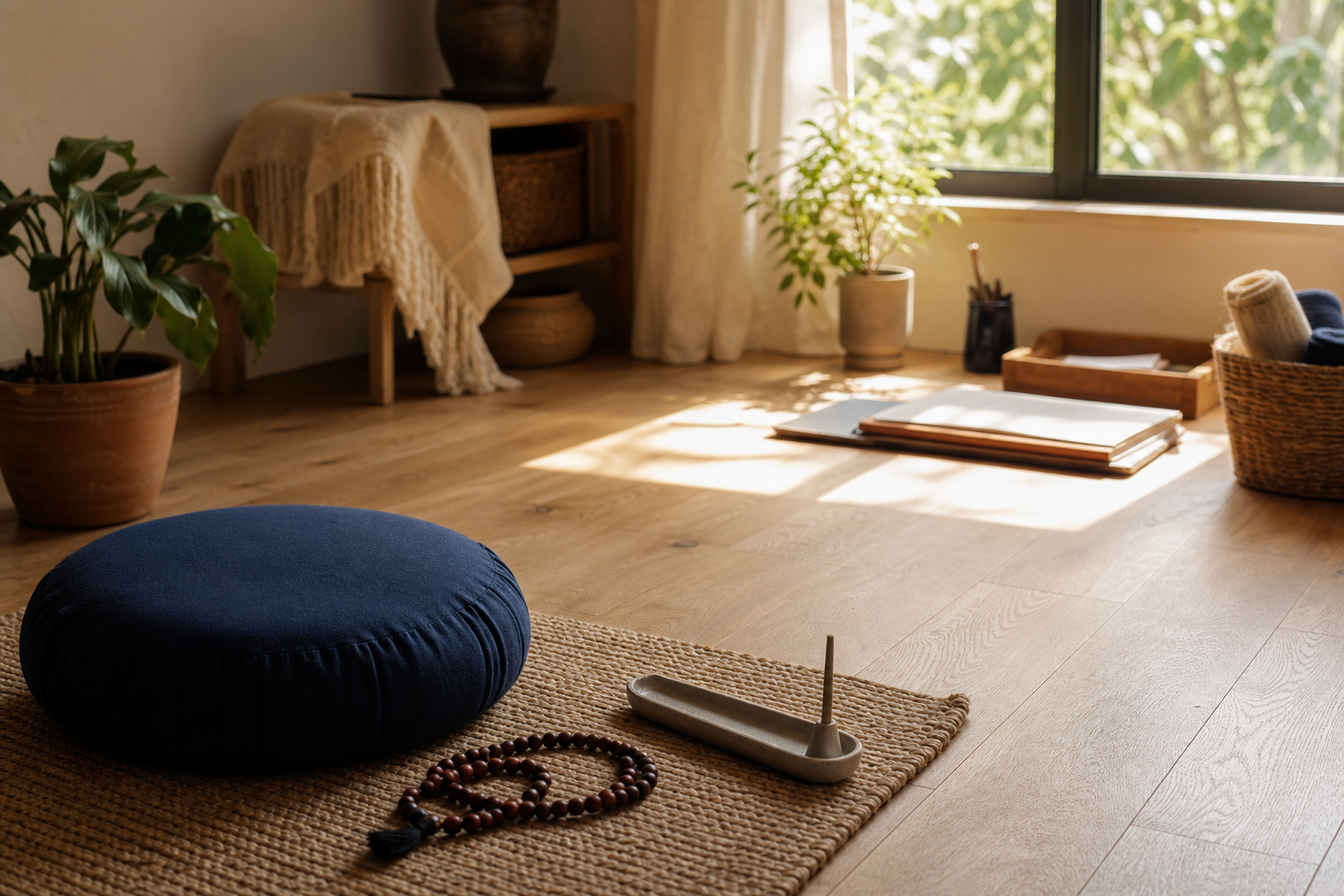
- Begin with your regular practice. Keep the prayer, meditation, japa, or scriptural reading that already anchors your household. Continuity is more valuable than adding an elaborate observance that you will not sustain.
- Use the Pratipada portion to clear something. Tidy the puja space, study desk, or another place connected with daily discipline. Review a vow, routine, or responsibility and decide what needs to be continued, corrected, or released.
- Choose one commitment for the waning fortnight. Make it concrete enough to perform. A regular period of japa, restrained speech, a return to study, or a specific act of dana or seva gives the lunar symbolism a visible form.
- Treat 2:08 PM as a hinge, not a deadline. You do not need to interrupt ordinary duties at the exact minute unless your sampradaya or ritual instruction requires it. After the transition, pause briefly, recall the commitment you selected, and begin its practical next step.
- Let Dwitiya favor steadiness. Plan methodically, coordinate with others, or complete a manageable part of a larger responsibility. If the plan depends on urgency, confusion, or excessive expansion, simplify it before proceeding.
- Close the day quietly. At dusk, you may light a diya, undertake brief japa, or read from the Bhagavad Gita. If aarti is already part of your family worship, retain it without feeling compelled to make the evening unusually elaborate.
This arrangement gives both tithis a practical place. The morning is not spent waiting for an auspicious afternoon, and the afternoon does not erase the contemplative work of the morning. Reflection produces a decision; the later tithi gives that decision a stable beginning.
Keep a home observance modest and complete
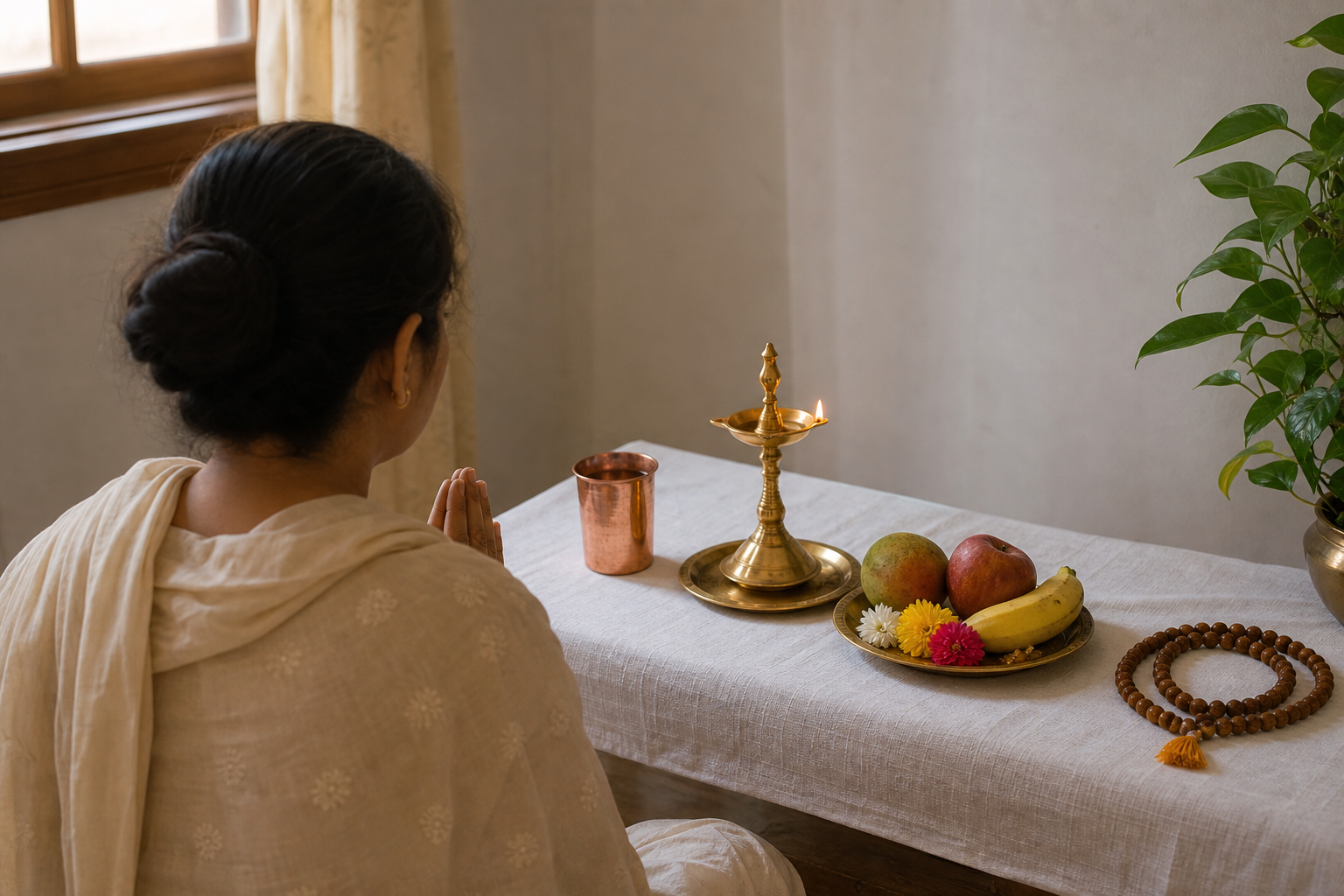
A useful observance is one you actually complete with attention. Select practices that belong naturally to your home rather than assembling a long ritual from unrelated suggestions.
- For inward clarity: japa, silent sitting, scriptural study, or written reflection on a responsibility you have neglected.
- For physical order: clean the altar or study area, put away unused ritual items respectfully, and prepare what you need for regular sadhana.
- For disciplined speech: avoid needless argument, delay an angry response, and speak only after deciding what the conversation is meant to accomplish.
- For dana or seva: choose a concrete act and carry it through rather than leaving generosity as a vague intention.
- For the evening: light a diya safely, recite the mantra used in your lineage or household, and read a short passage slowly enough to consider its application.
You do not need to perform every item. The governing principle is moderation: fewer practices, undertaken attentively, fit the contemplative movement of Krishna Paksha better than a crowded schedule performed mechanically.
In an inter-Dharmic household, the same ethical direction can be honored without pretending that all traditions use identical rites. A Jain practitioner may undertake samayik; a Buddhist may practice metta meditation; a Sikh may turn to Gurbani paath and seva. These disciplines should remain rooted in their own teachings and forms. Their kinship lies in self-restraint, compassion, mindful conduct, and service, not in being merged into a single invented ritual.
Verify locally before a formal or time-sensitive observance
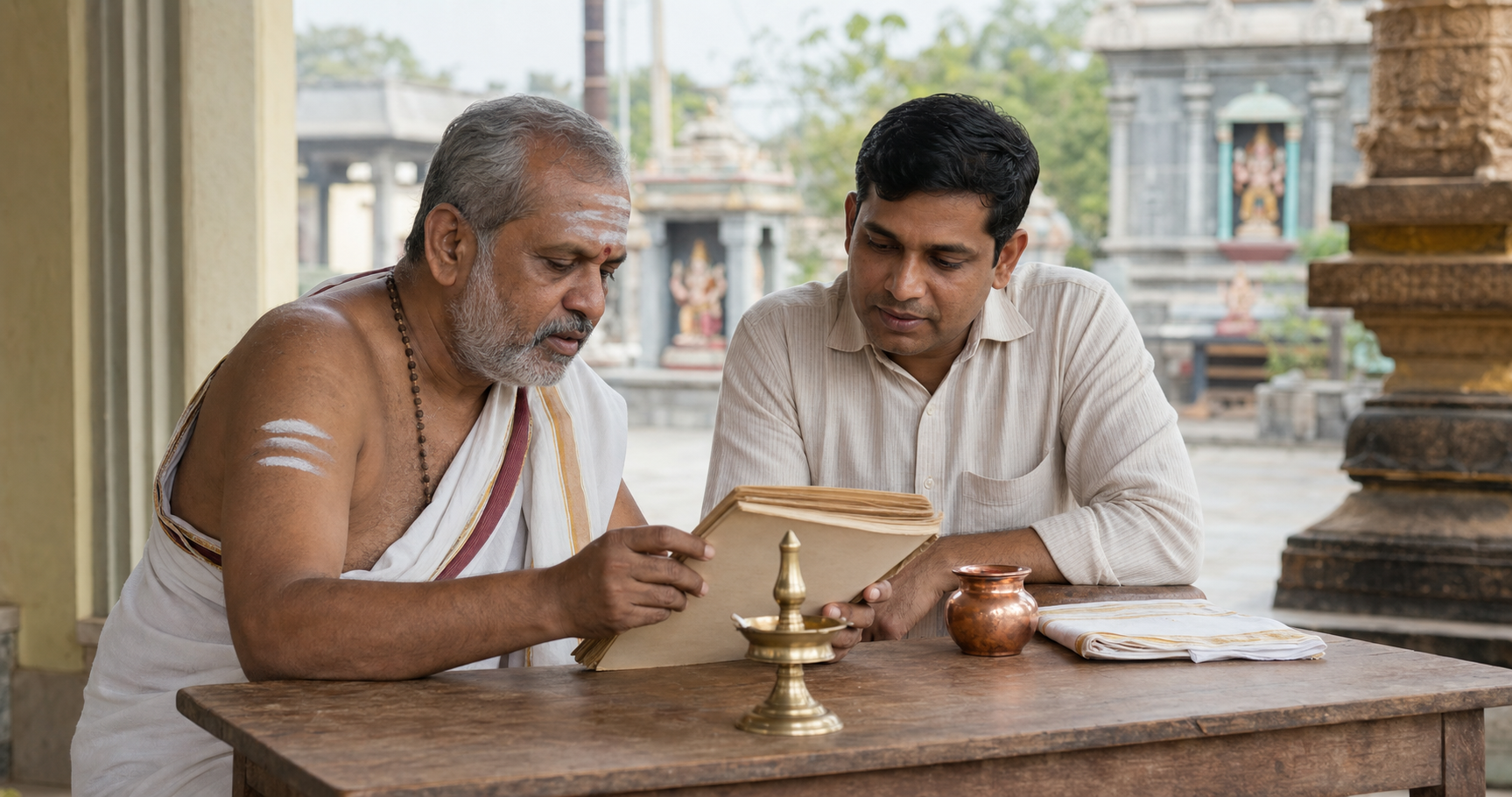
The 2:08 PM transition is a practical general reference, but it is not enough to select a formal muhurat. Longitude, time zone, local sunrise, regional convention, and calculation method can change how Panchang information appears for the place where you are observing the day.
- Check the place of observance. If you are travelling, consult the calendar for the destination rather than assuming that a time printed for your home location remains valid.
- Confirm the tithi end time. Use a trusted regional Panchang, a temple notice, or guidance from a traditional astrologer when exact timing affects a vrata or ceremony.
- Do not infer nakshatra or rashi from the tithi. They are separate Panchang factors and require their own local calculation. No nakshatra or rashi value should be guessed from the 2:08 PM transition.
- Calculate Rahu Kalam locally. Its clock time depends on local sunrise, so a window copied from another city may not apply to you.
- Use Abhijit Muhurat only where applicable. Its availability and exact span must also be checked locally; the name alone is not permission to assume a universal interval.
- Follow the relevant tradition. If your family, temple, vrata, or sampradaya has a prescribed method, that instruction takes priority over a general day plan.
The most common mistake is to treat Panchang guidance as a search for one perfect minute. That can make ordinary dharmic duties seem less important than calculation. Use the tithi to order your attention, but do not postpone prayer, service, study, reconciliation, or necessary work merely because you lack a fully calculated muhurat.
Before January 4 begins, write down one inward task for the Pratipada portion and one steady action for the Dwitiya portion. If your observance is formal or time-sensitive, add a local Panchang check. That small preparation will let the lunar transition shape what you actually do, rather than remain a label you notice only after the day has passed.
References
