
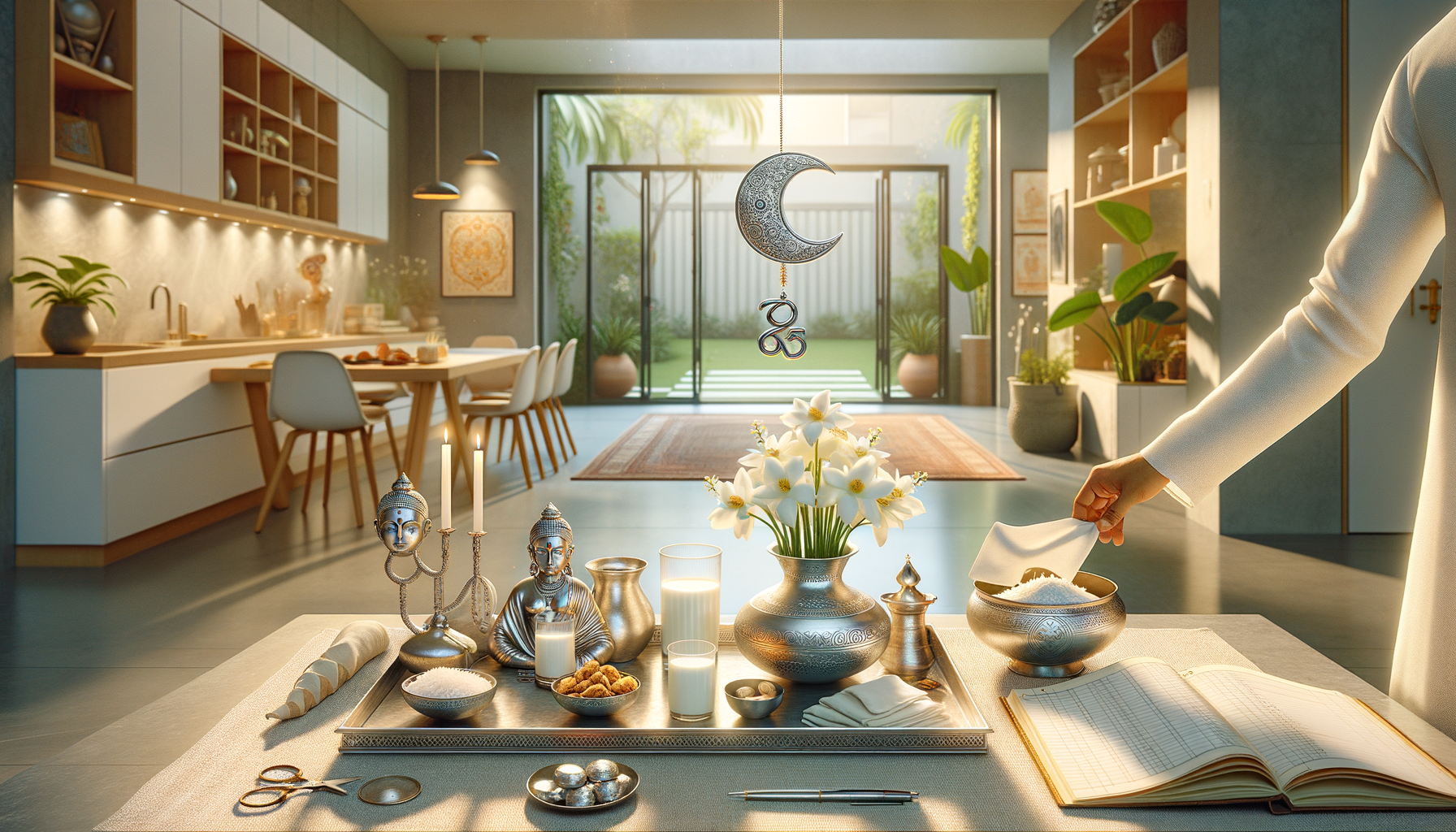
In Lal Kitab astrology, Venus in the 2nd house (Dhana Bhava) highlights themes of wealth, family harmony, refined speech, and aesthetics. Traditional guidance cautions that living in a dwelling broad at the front and narrow at the rear correlates with hardship, while trading or speculating in gold is considered inauspicious. These principles are presented as practical, ethical guardrails rather than fatalistic dictates, encouraging balanced living and compassionate conduct that resonate across Hindu, Buddhist, Jain, and Sikh traditions.
Regarding the dwelling’s form, classical Lal Kitab observations suggest that an excessively wide frontage tapering to a constricted rear may disturb the household’s material and emotional balance. Where relocation is not feasible, attention to equilibriumsuch as maintaining light, open spaces toward the rear, decluttering, and preserving cleanlinesssupports steadiness in wealth and relationships.
Financially, the text associates Venus in the 2nd house with sensitivity to gold-linked gains and losses. Avoiding business in gold, excessive gold adornment, and speculative ventures tied to gold helps stabilize prosperity. Choosing transparency in financial dealings, prioritizing modesty over display, and preferring silver for personal use are frequently advised to soothe Venus-related imbalances.
When this placement appears in a woman’s chart, traditional interpretations link it with the spouse’s well-being and the quality of marital harmony. Rather than instilling fear, the emphasis remains on nurturing mutual respect, shared responsibility, and compassionate communicationvalues honored across dharmic paths as seva, daya, and right conduct in family life.
Time-tested Lal Kitab remedies for Venus in the 2nd house begin with gentle Friday observances. Offer or donate white itemsmilk, rice, curd, white sweets, or white clothingespecially on Fridays, as a gesture of gratitude and balance. Quiet recitation of the mantra “ॐ शुक्राय नमः” fosters clarity and composure in speech and decision-making.
Speech purification is central because the 2nd house governs vak (expression). Practicing truthful, gentle language; avoiding gossip and harsh words; and observing moderation with sugar, alcohol, and indulgences aligns desire with discernment. Many families find that shared meals, saying kind words to elders, and blessing children cultivate Venus’s harmonious qualities in daily life.
Respect for women and equitable partnership are repeatedly encouraged. Acts such as supporting girls’ education, contributing to community kitchens or langar, and assisting mothers and elderly women embody the Venusian ethic of care. These practices echo dharmic unitydāna, ahimsā, maitri, and sevaacross traditions.
Simple household steps also help: keep the kitchen clean and fragrant, maintain fresh flowers or a pleasant natural scent on Fridays, and reduce visual clutter in family areas where finances and conversations converge. Such aesthetic discipline refines Venus’s expression while supporting steady wealth and calm dialogue.
Finally, approach wealth as a shared resource. Honest accounting, timely repayments, and quiet generosity temper the impulse toward display. When combined with the cautions on home shape and the avoidance of gold trade, these remedies create a balanced, compassionate framework that protects prosperity and strengthens family bonds without contradicting individual spiritual paths.
Inspired by this post on Hindu Pad.
