
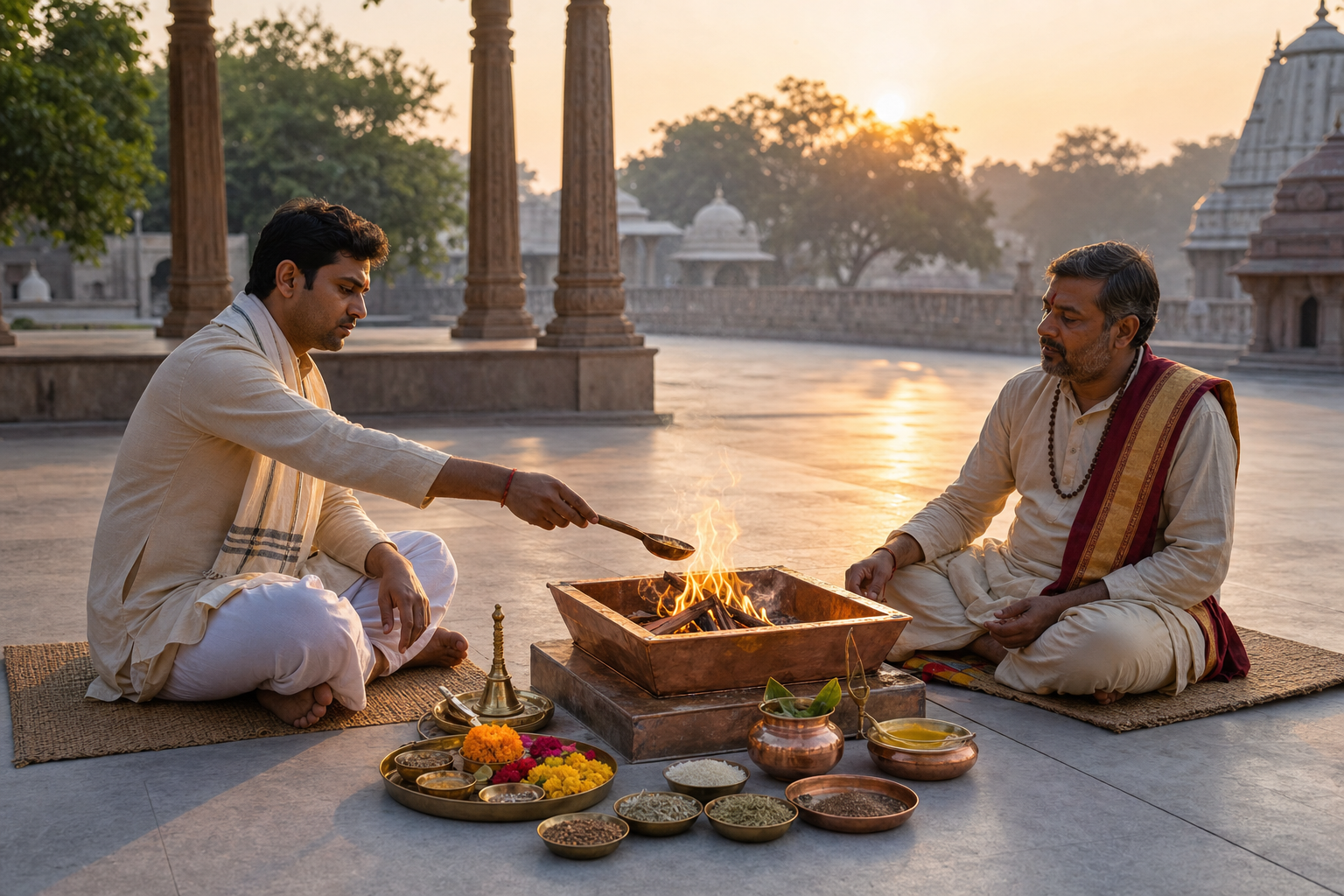
You may approach Agni Yagna with a difficult question: can the sacred fire remove the burden of harmful actions, old habits, or persistent regret? The most useful Dharmic answer is also the most demanding. The rite can begin a profound purification, but it cannot make an injury unhappen or relieve you of the duty to change.
If you are preparing for a yagna, do not measure it only by the mantras recited or the offerings placed in the Havan Kund. Measure it by what you are prepared to surrender, repair, and practise after the flames subside. That is where ritual purification becomes karmic renewal rather than a temporary feeling of relief.
Karmic purification is not the erasure of your past
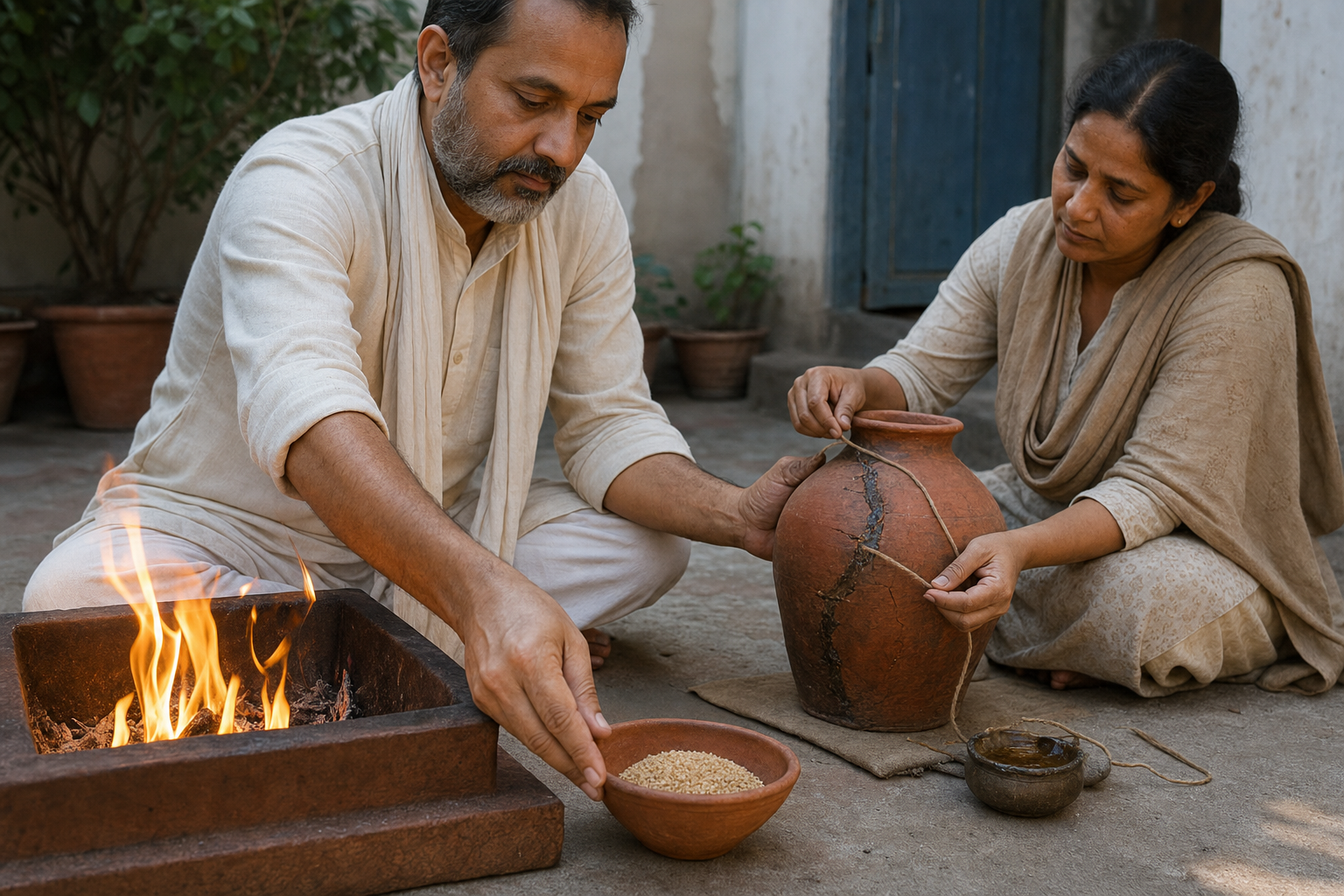
Dharmic traditions do not all explain karma in precisely the same way. Yet karma is more than a stain that can be washed away by performing the correct external procedure. It includes action, intention, consequence, and the impressions that keep shaping future conduct. A purifying practice must therefore reach more than the memory of what happened. It must weaken the pattern likely to produce the same action again.
Agni serves as purifier and witness. As purifier, the fire represents transformation: an offering enters in one form and does not remain as it was. As witness, Agni gives seriousness to your sankalpa. You are not merely thinking that you might become more truthful or less resentful. You are placing that intention within a sacred act and accepting responsibility for living by it.
This makes an essential distinction clear. Ritual may help purify the intention, attachment, ignorance, or habit surrounding an action. It does not automatically cancel every consequence of that action. If you deceived someone, truth still has to be restored where it can be restored. If you caused harm, restitution may still be due. If another person needs distance from you, your yagna does not oblige that person to trust you again.
A useful sankalpa therefore joins surrender to conduct. Instead of asking only, “May my anger be removed,” decide what you will do when anger next arises. You might refuse humiliating speech, step away before answering, or return to a disagreement only when you can speak without cruelty. Instead of asking vaguely to be freed from dishonesty, identify the falsehood you must stop repeating and the correction you are responsible for making.
Use this sentence before the rite: “I offer my attachment to __________, and when it returns, I will __________.” The first blank names the inner fuel. The second names the Dharmic response. If you cannot complete the second blank, your intention is not yet ready. It may express longing, but it does not yet provide a path of purification.
The Sripada Srivallabha tradition associated with Kuruvapuram places this discipline within a larger life of devotion, dharma, seva, and sattvika conduct. That larger setting matters. Agni Yagna is not a spiritual transaction in which an offering purchases exemption from moral causation. It is a consecrated commitment to stop feeding adharma.
The outer rite and the inner offering must move together
A properly guided yagna has an external order: sankalpa, kindling of Agni, mantra, prescribed offerings, and reverent completion. It also has a corresponding inner order. Keeping the two together prevents the ceremony from becoming either empty performance or undisciplined emotion.
- Make a precise sankalpa. Name one area of purification that is genuinely yours to address. Do not use the rite to control another person, force reconciliation, or ask that someone else change so you can avoid changing.
- Approach Agni as witness. When the fire is kindled, remember that visibility creates accountability. Bring forward what you usually rationalize, conceal, or postpone. You need not disclose private matters to the gathering, but you should be truthful within your own sankalpa.
- Let mantra steady attention. Recitation is not an incantation for escaping responsibility. Its rhythm gathers a scattered mind and places the offering within a lineage of disciplined practice. Use only the mantras appropriate to the rite and the guidance you have received.
- Pair each ahuti with inward release. Samidhas, ghrita, and other prescribed substances belong to the outer offering. Inwardly, relinquish the gratification attached to the pattern: the pleasure of winning an argument, the protection offered by a lie, the familiarity of resentment, or the pride of refusing an apology.
- Carry the sankalpa out of the ritual space. The next relevant choice is part of the yagna. If you make a vow before Agni and then treat ordinary life as unrelated to it, the outer sequence has ended while the inner offering remains incomplete.
The heat on your skin, the sound of recitation, and the crackle of an offering can make the moment unusually vivid. Receive that intensity without turning it into a claim that all karma has disappeared. A powerful sensation may mark concentration, devotion, relief, or emotional release. The more reliable evidence appears later, when the old trigger returns and you respond differently.
This is the movement from sthula to sukshma, from the gross rite to its subtle work. The visible offering teaches an invisible discipline. Material enters the fire; attachment enters awareness. The flame consumes the prescribed substance immediately, while the habit may require repeated tapas, attention, and restraint. Do not confuse those two timescales.
Prepare for the yagna with guidance, honesty, and fire safety
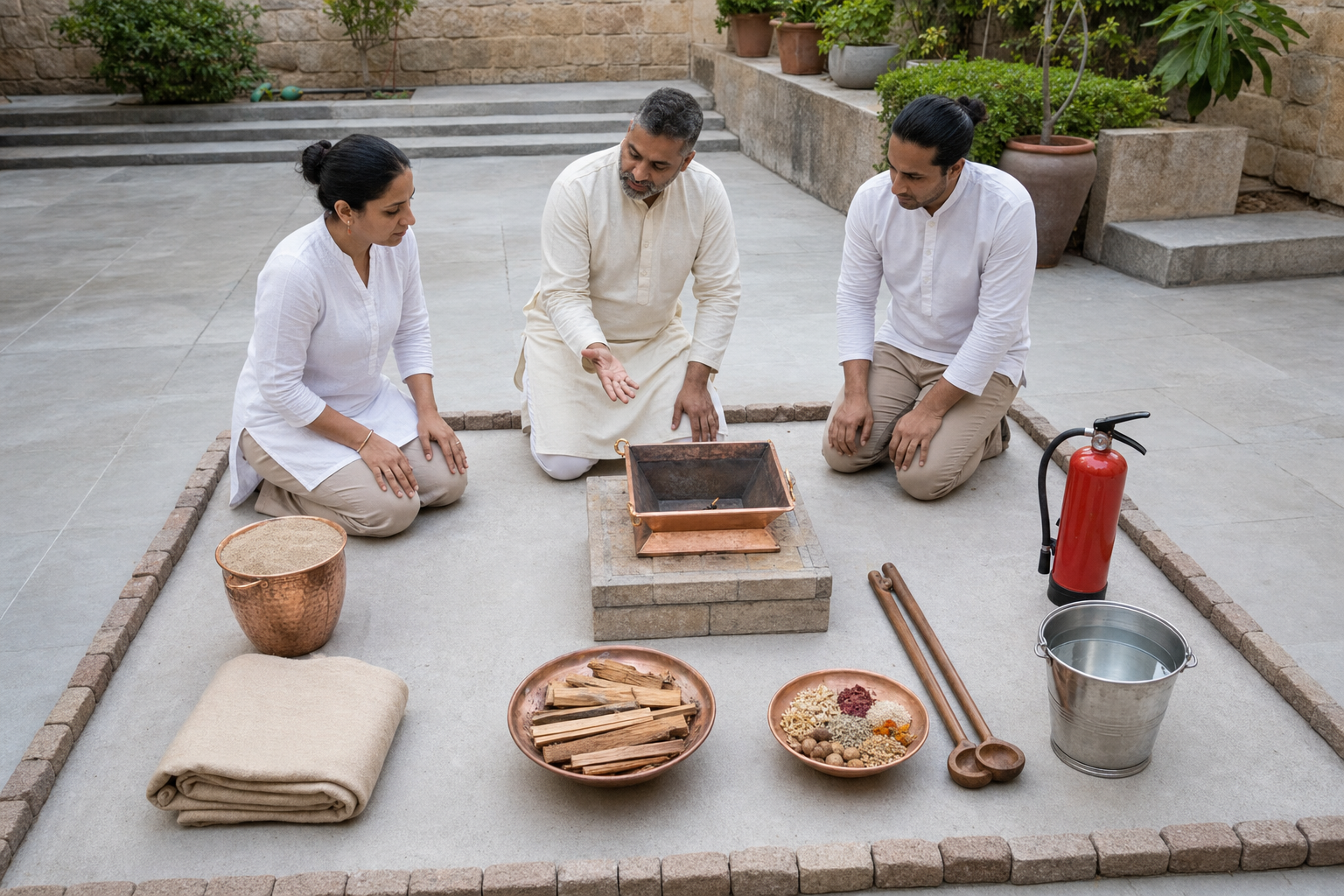
Agni Yagna is not one universal do-it-yourself procedure. Mantras, materials, ritual roles, and rules vary with lineage and occasion. An online outline can help you understand the structure, but it cannot determine which rite you are authorized or prepared to perform. If you are new to the practice, participating under a competent guru, acharya, or experienced ritual guide is the sound starting point.
- Decide whether you are observing, assisting, or performing. These are different responsibilities. Ask what participation requires before the ceremony begins rather than copying the person seated beside you.
- Write your sankalpa in plain language. Reduce it to an attachment you will relinquish and an action you will take. Keep it within your own agency. “I will speak truthfully” is workable; “my family will finally understand me” is not.
- Identify unfinished accountability. Ask whether you owe an apology, correction, repayment, return of property, fulfilment of duty, or changed boundary. Do not make a dramatic promise you cannot keep. Choose the first honest action that is actually available.
- Confirm the prescribed mantras and materials. Use the samidhas, ghrita, and other offerings specified by the person guiding the rite. Do not place arbitrary objects associated with your regret into the kund. Plastic, synthetic material, accelerants, photographs, and personal possessions do not become appropriate offerings merely because they feel symbolic.
- Prepare the physical space responsibly. Use a stable kund in a suitable, ventilated location, follow applicable building and fire rules, secure loose hair and clothing, and keep children and animals at a safe distance. Never leave the fire unattended. Keep an appropriate fire extinguisher or fire blanket accessible. Do not pour water onto burning ghee, because it can spread the burning material.
- Plan what follows the rite. Decide when the necessary conversation, correction, act of seva, or change in routine will begin. Purification becomes vague when every consequence is postponed to an undefined future.
Questions worth asking the ritual guide
- Which form of yagna is being performed, and what is its specific purpose?
- Which parts may an uninitiated or inexperienced participant perform?
- Which mantras and offerings belong to this rite?
- What preparation, conduct, or Havan Ke Niyam should participants observe?
- What daily discipline is meant to carry the sankalpa forward?
- How can someone who cannot safely tolerate heat or smoke participate?
Smoke and heat are physical exposures even in a sacred setting. If they are unsafe for you, participate from an appropriate distance or undertake a non-fire practice with guidance. Spiritual sincerity does not require you to ignore a respiratory condition, a building restriction, or an unsafe environment.
If competent guidance or a safe location is unavailable, do not improvise a fire ritual. You can still undertake an interior yagna through japa, dhyana, prayer, self-examination, and seva. When using measured breath as part of contemplation, keep to a method you have been taught; do not invent forceful breathing or retention practices. The absence of a physical flame does not prevent you from making a truthful sankalpa and acting on it.
Ritual can support reflection, devotion, and resolve, but it is not a substitute for medical or psychological care. If regret has become persistent despair, obsessive fear, or an urge to harm yourself, seek qualified help alongside whatever spiritual practice you choose. That is not a failure of faith. It is a responsible response to a condition a ritual guide may not be trained to treat.
Keep the inner Agni alive when the old pattern returns
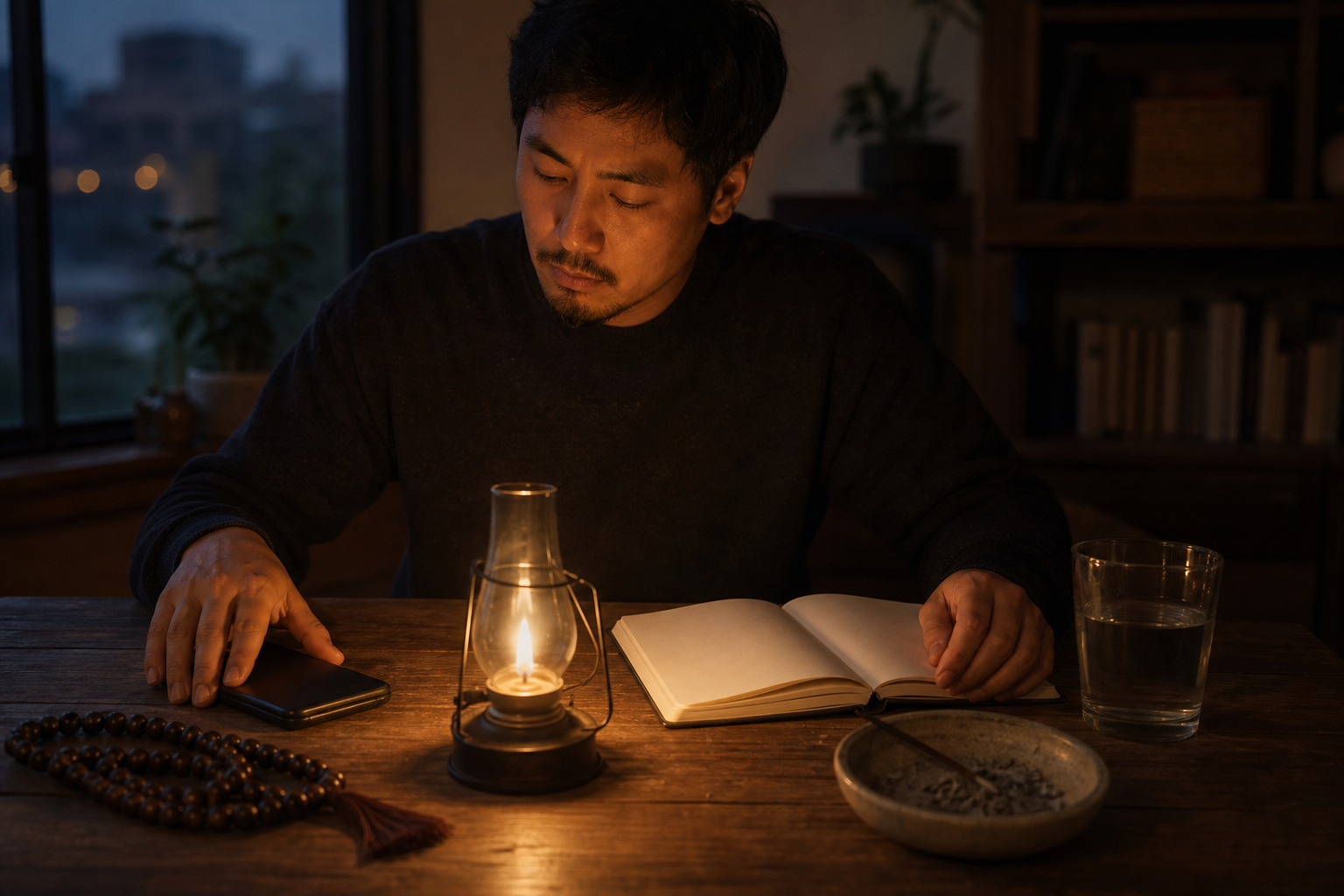
The decisive moment usually does not occur beside the Havan Kund. It occurs when resentment offers you its familiar argument, when fear invites another lie, or when pride tells you that repair would be humiliating. Inner Agni is the capacity to place that impulse into conscious discipline before it becomes another action.
- Notice the fuel. Name the impulse without decorating it: “This is resentment,” “This is fear,” or “This is the wish to dominate.”
- Remember the witness. Recall the sankalpa made before Agni. This interrupts the convenient fiction that ritual life and ordinary conduct are separate.
- Offer the gratification. Give up the immediate reward promised by the old habit. Purification often feels like losing something because attachment did provide a form of pleasure, protection, or identity.
- Perform the Dharmic alternative. Tell the truth, restrain the harmful word, complete the neglected duty, make the repair, or serve where self-importance would prefer withdrawal.
Japa can keep the mind oriented. Dhyana can expose the impulse before it hardens into action. Tapas supplies the endurance to refuse the old response. Seva turns purification away from self-absorption and toward lokasangraha, the welfare and cohesion of the wider community. None of these is ornamental. Each addresses a different point at which intention can fail.
| Area to examine | Purification is becoming visible | Ritual is becoming an escape |
|---|---|---|
| Remorse | You name the harm specifically and make a proportionate repair. | You demand instant absolution because the ceremony is complete. |
| Habit | The interval between impulse and action grows, and harmful conduct becomes less frequent. | The same conduct continues while ritual performance becomes more elaborate. |
| Speech | You become more truthful without using truth as a weapon. | You speak harshly and defend it as spiritual honesty. |
| Relationship | You apologize without demanding reconciliation or controlling the response. | You pressure others to treat your ritual as proof that trust must be restored. |
| Guidance | You become more teachable, careful, and willing to accept correction. | You use intense feelings or unusual experiences to place yourself above guidance. |
| Community | Your practice produces generosity, cooperation, prasada, and seva. | Your practice produces spiritual pride or contempt for other Dharmic paths. |
The wider Dharmic family offers different languages for this work. Buddhist paths emphasize mindful awareness and ethical conduct. Jain paths give particular weight to ahimsa, tapas, and purification from karmic bondage. Sikh practice joins Naam, seva, and upright living. These paths should not be collapsed into one ritual system. Their forms and doctrines remain distinct. Yet they offer a useful shared test: genuine purification should reduce heedlessness and self-centred attachment while increasing truthfulness, compassion, and responsibility.
Communal yagna can apply the same test collectively. Shared recitation, careful cooperation, prasada, and service can strengthen trust. But a gathering is not harmonious merely because people sit around one fire. Its social fruit appears when status gives way to contribution, disagreements are handled without humiliation, and the energy of the event reaches people beyond the ritual circle.
Let your next action complete the offering
Key takeaways
- Agni Yagna supports karmic purification when sacred ritual, honest intention, and changed conduct remain joined.
- The fire does not make consequences disappear. Apology, restitution, restraint, and duty may still be required.
- A workable sankalpa names both the attachment being offered and the action you will take when it returns.
- Mantras, materials, and ritual roles should follow competent lineage guidance rather than improvisation.
- Fire safety, ventilation, and respect for physical limitations are part of responsible practice.
- The clearest evidence of purification is not an intense ritual feeling but a more Dharmic response to the next real temptation.
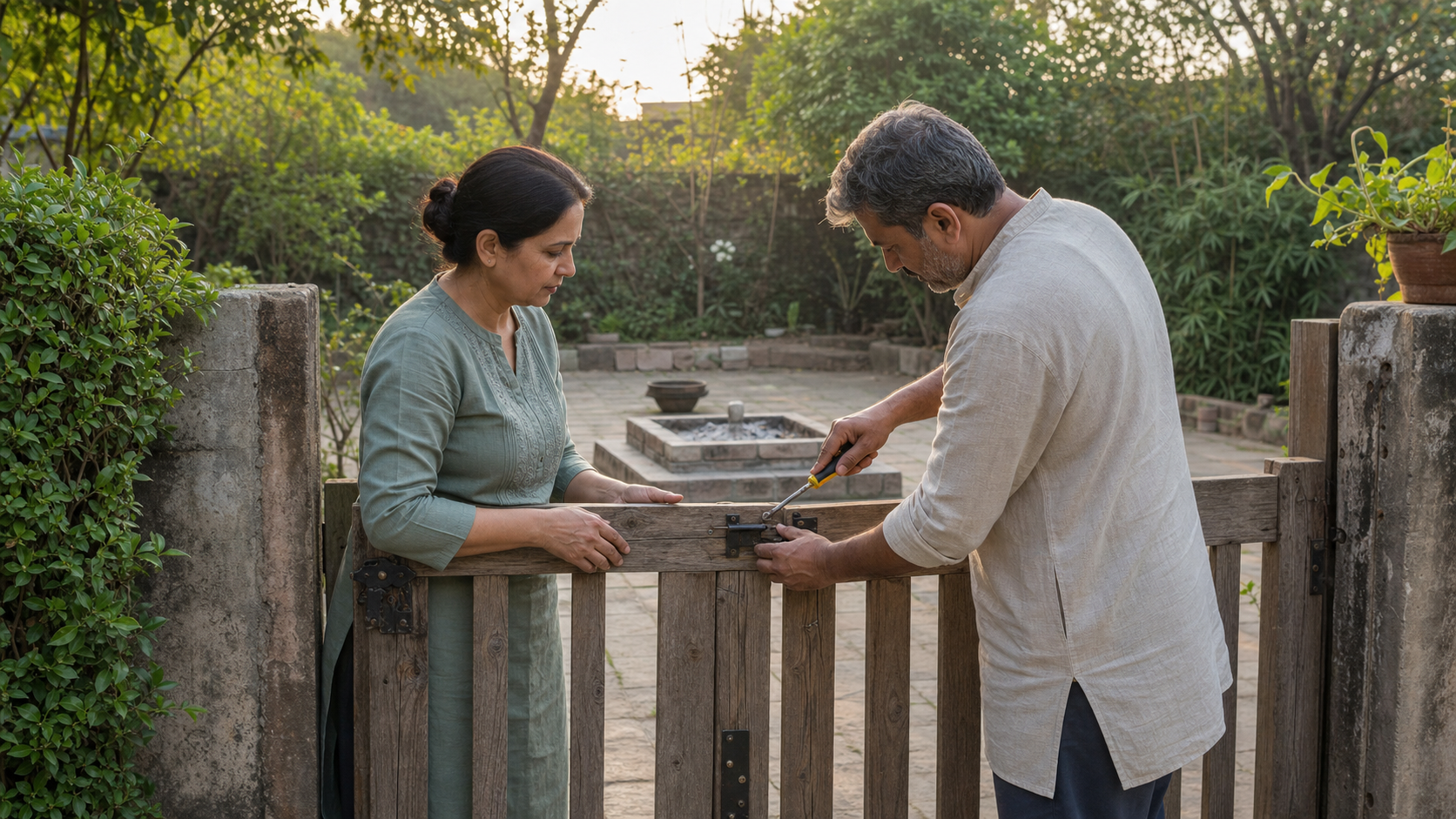
Before you approach Agni, write one honest sentence: what are you offering, and what will you do differently? After the rite, take the first action that sentence requires. Make the correction. Begin the seva. Restrain the familiar harm. Return to japa when the resolve weakens.
The visible flame will eventually go out. Your work is to ensure that its discipline does not. When the next decision is made with greater truth, compassion, and responsibility, the yagna has entered your life rather than remaining an event you attended.
References
