
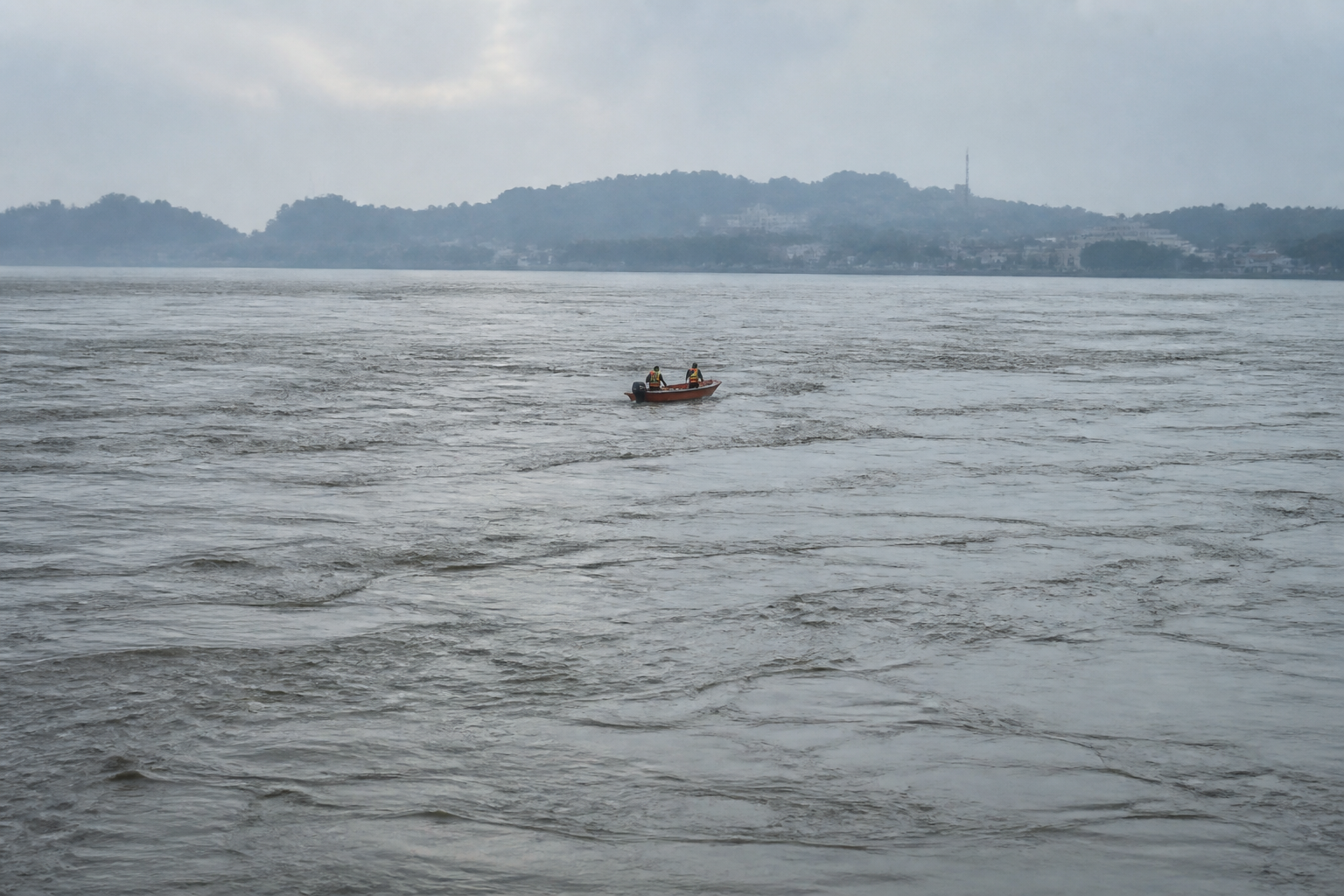
If a prayer request or a devotee’s name brought you here, hold two facts together: this is a grave emergency, and verified information remains limited. The responsible response is to pray, offer practical help where you can, and refuse to turn uncertainty into rumour.
The known outline is stark. Nine ISKCON devotees entered the Brahmaputra in Guwahati after a devotional programme. Strong currents swept them downstream; four were rescued and five were reported missing. You can respond with compassion without claiming to know more than that.
What can be stated without speculation
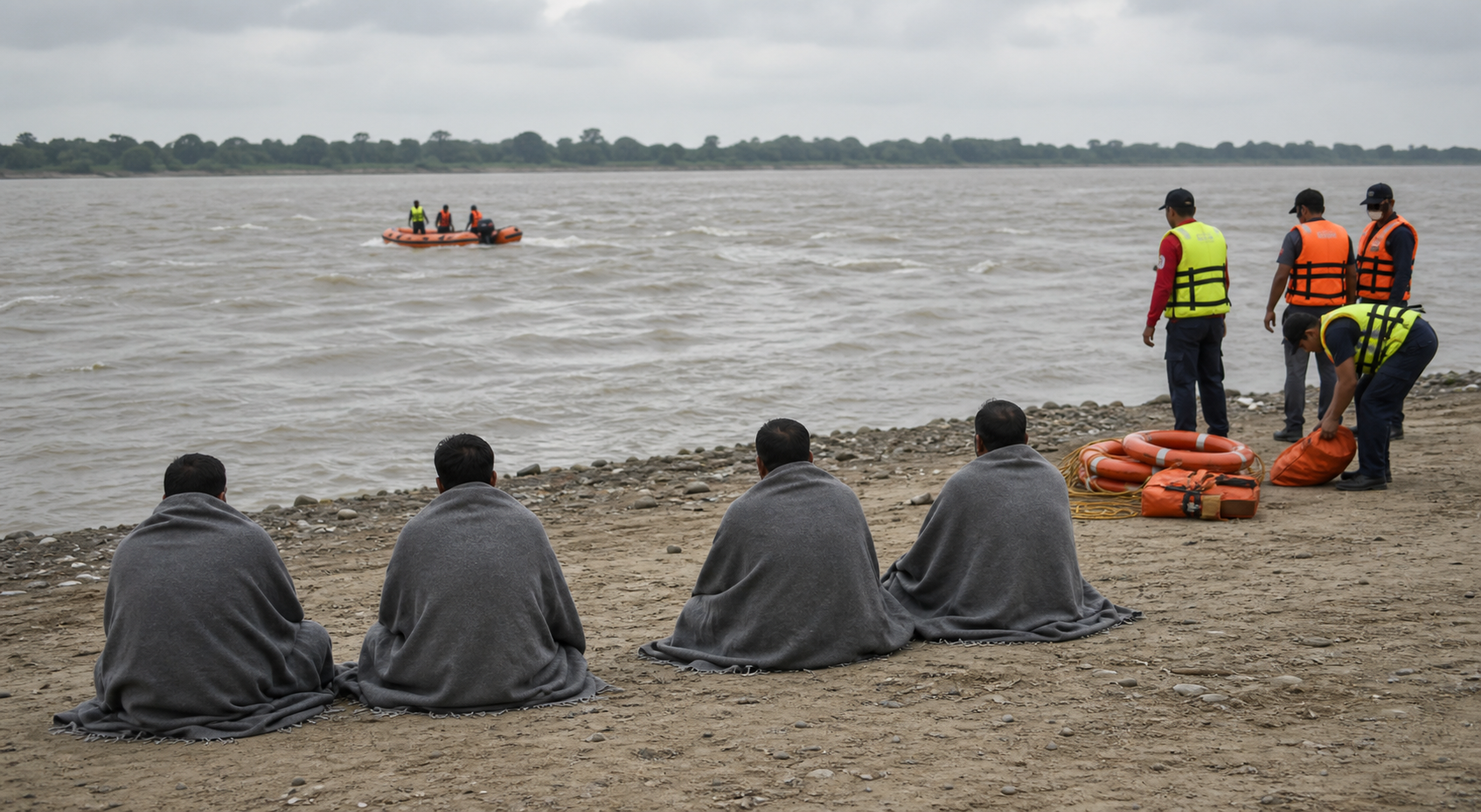
The devotees had travelled to Guwahati for a spiritual engagement and later went to the river for a ritual bath. Four members of the group were brought to safety, while five remained unaccounted for. Udhav Prabhu of ISKCON Vrindavan was identified among those missing.
The words used for each status matter. “Rescued” identifies a confirmed outcome for four people. “Missing” describes five people whose whereabouts had not been established at the reported stage. Missing is not a declaration of death, but neither is it evidence of a rescue that has not been confirmed. Until a responsible, identified channel announces a change, keep the status unchanged.
The immediate reported hazard was the river’s strong current. There is not enough verified detail to reconstruct every person’s movement, assign responsibility, evaluate the rescue operation, or announce an outcome for those missing. Claims about any of those matters should not be passed along as fact.
The Brahmaputra near Guwahati is powerful and can behave unpredictably. Its breadth, depth and changing current patterns make visual confidence a poor safety test. A place that looks accessible from the bank is not automatically safe for bathing, particularly during high-flow conditions, after adverse weather or amid seasonal changes.
Key takeaways for devotees and organisers
- Describe the five devotees as missing unless an identified, responsible channel confirms a different status.
- Do not enter a high-flow river merely because the visit has a ritual purpose or the programme has already been announced.
- Obtain current local guidance before approaching the water; knowledge from a previous visit is not a same-day safety assessment.
- Give one person clear authority to cancel river entry, maintain a roster and complete headcounts.
- When safe immersion is not available, conduct the devotional observance from secure ground rather than improvising in moving water.
- Share verified requests for prayer or assistance, not theories, alleged eyewitness details or unattributed rescue claims.
Devotion needs viveka at the water’s edge
A ritual bath can express reverence, purification and surrender. It does not suspend the physical force of a river. Shraddha, or faithful commitment, works with viveka, the capacity to distinguish a worthy act from an avoidable danger. Treating caution as a lack of faith confuses devotion with exposure to risk.
This distinction is especially important in a group. A hesitant devotee may enter because respected seniors have gone ahead, because others are watching, or because declining feels spiritually improper. Organisers should remove that pressure before the group reaches the bank. Say plainly that no one must enter, that cancellation carries no shame, and that the most cautious decision will govern the entire group.
If local advice, an official warning or visible conditions make entry unsafe, omit the immersion. Prayer, remembrance and respectful observance can continue from secure ground. No equipment, enthusiasm or collective confidence turns a dangerous current into an appropriate ritual site.
This is not a retreat from dharma. Protecting life is itself an expression of responsibility. Seva begins before an emergency: in the decision that prevents companions, rescuers and families from being placed in danger.
A river-safety protocol for pilgrimage groups
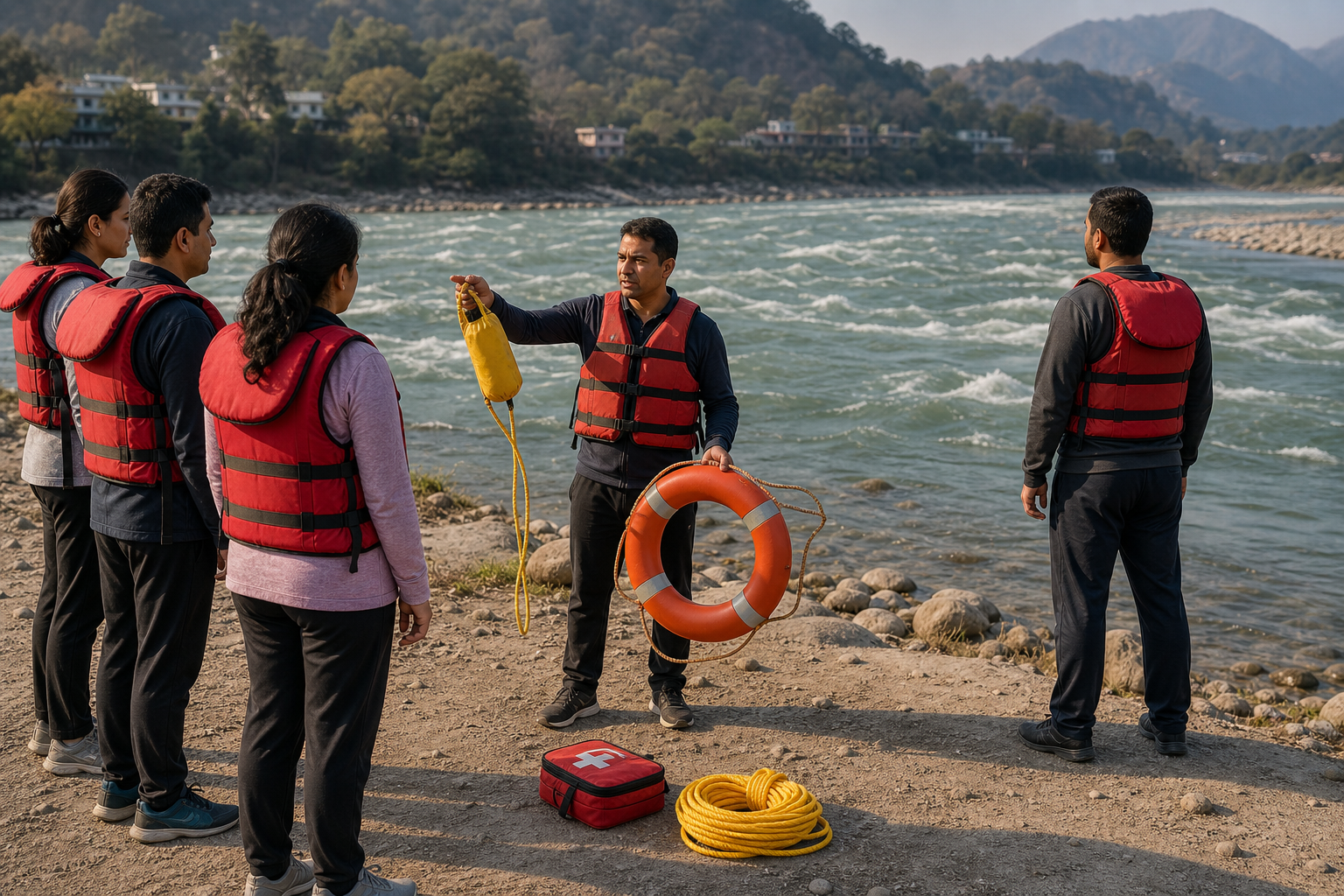
River safety cannot be added after everyone is standing at the water. The key decisions belong in the itinerary, alongside transport, accommodation and programme timings.
Before leaving for the river
- Seek same-day guidance from a recognised local authority, site manager or person responsible for the bathing area. Ask whether ritual entry is permitted and whether a supervised access point is operating.
- Appoint a safety lead with explicit authority to cancel entry. The person should not have to negotiate that decision at the bank.
- Prepare a named roster. Record who is travelling to the river, who will remain behind and who is responsible for each vehicle or subgroup.
- Set cancellation conditions in advance: an advisory against entry, high-flow conditions, the absence of reliable local guidance, no recognised bathing area, or any deterioration after approval was obtained.
- Tell participants what will replace immersion if entry is cancelled. A planned land-based observance makes a safe decision easier to accept than an improvised refusal at the last moment.
At the river
- Complete a headcount before anyone approaches the water and repeat it when everyone leaves the immediate riverbank.
- Keep the group together and prohibit independent or unsupervised bathing. A devotee should not be able to drift away from the organised group without being noticed.
- Follow the designated access point and local instructions. Do not move to an apparently quieter stretch merely to preserve the ritual plan.
- Use a buddy system as a second check, not as permission to enter unsafe water. Companions can notice an absence, but they cannot neutralise a powerful current.
- Stop the activity if conditions change or local personnel withdraw approval. A decision made on arrival is not permanent clearance.
- Complete another named headcount before vehicles depart. A total number is not enough; confirm each person against the roster.
If someone is swept away or cannot be found
Alert local emergency responders immediately and follow their directions. Give the exact location, the number of people unaccounted for and the last confirmed place they were seen. Keep the remaining group out of the water unless trained responders instruct otherwise. An untrained, improvised rescue can expose additional people to the same current.
Assign one liaison to speak with responders and one coordinator to account for the rest of the group. Record names and status carefully. This prevents the same person from being reported twice, stops rescued and missing lists from being mixed, and gives families a single channel through which to seek information.
Help the families without adding confusion
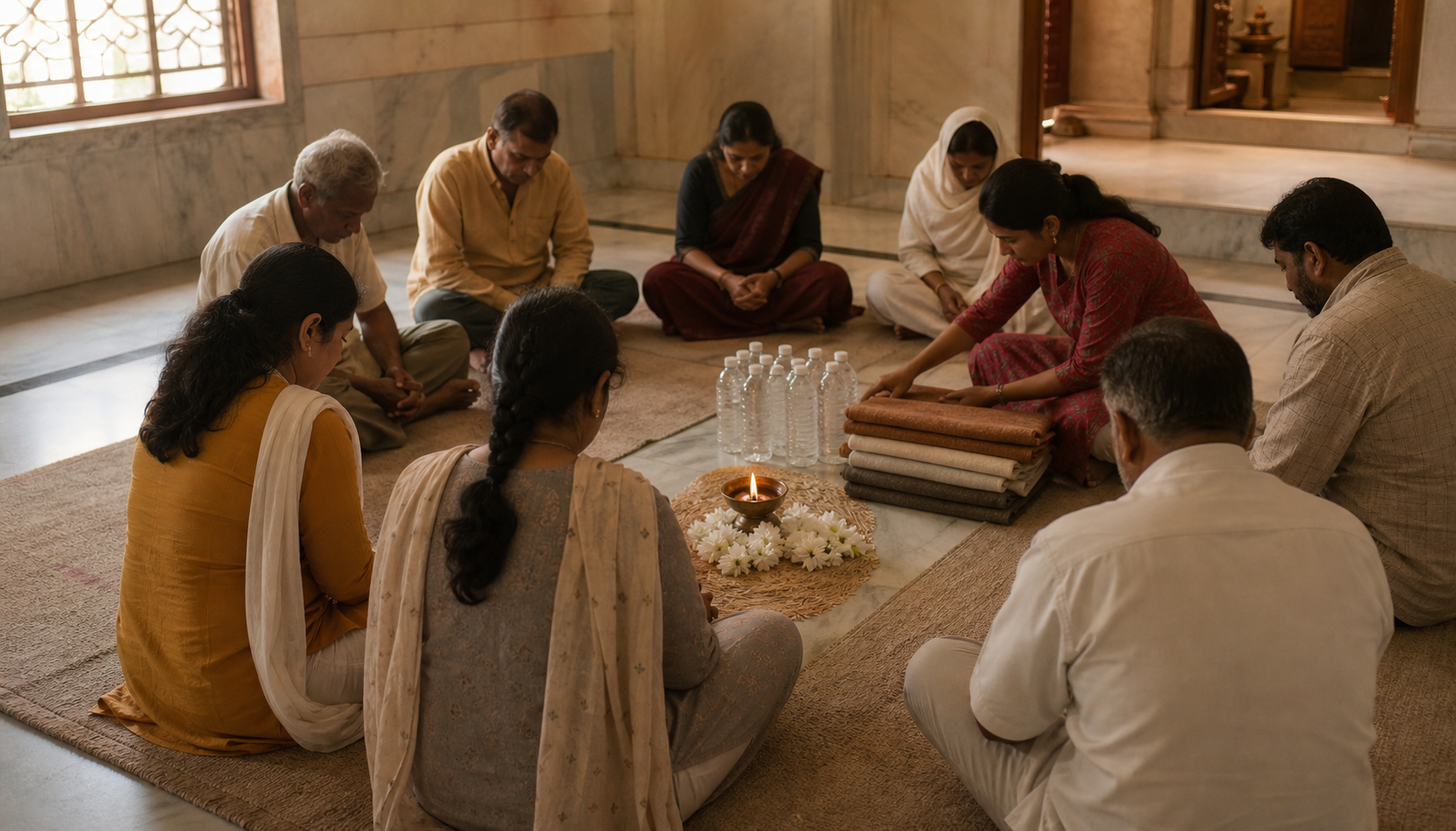
In the first hours of uncertainty, a forwarded message can travel much faster than a verified correction. Before sharing an update, check whether it identifies who confirmed the information and when. A screenshot without an identifiable origin, a voice note attributed to an unnamed witness, or a message saying only “confirmed” is not sufficient.
Do not convert prayer language into factual reporting. Phrases such as “bring them home safely” express a hope; they do not confirm that contact has been made. Likewise, do not announce death, rescue, negligence or blame because someone in a group chat claims to have heard it from a person near the scene.
A responsible public message can remain simple: “We are praying for those reported missing and standing with their families. We will share only updates confirmed through identified channels.” That gives the community something constructive to do without creating a parallel stream of supposed news.
Practical support should be equally disciplined. Share a fundraising appeal only after the family or responsible organisation authenticates it. Avoid publishing private telephone numbers, identification documents, medical information or family conversations. If an organised search or emergency response is underway, do not travel to the site unless those managing the effort request your presence; extra people at a hazardous riverbank can obstruct rather than assist.
Karuna and seva do not require every dharmic community to use the same theology. Hindu, Buddhist, Jain and Sikh well-wishers can still meet in disciplined compassion: pray according to your path, support verified needs, respect the families’ privacy and speak only what is known.
If your next yatra includes a river, put the safety protocol into the programme before the bus leaves. A ritual can be postponed or adapted. A life lost to an avoidable risk cannot be restored.
References
