
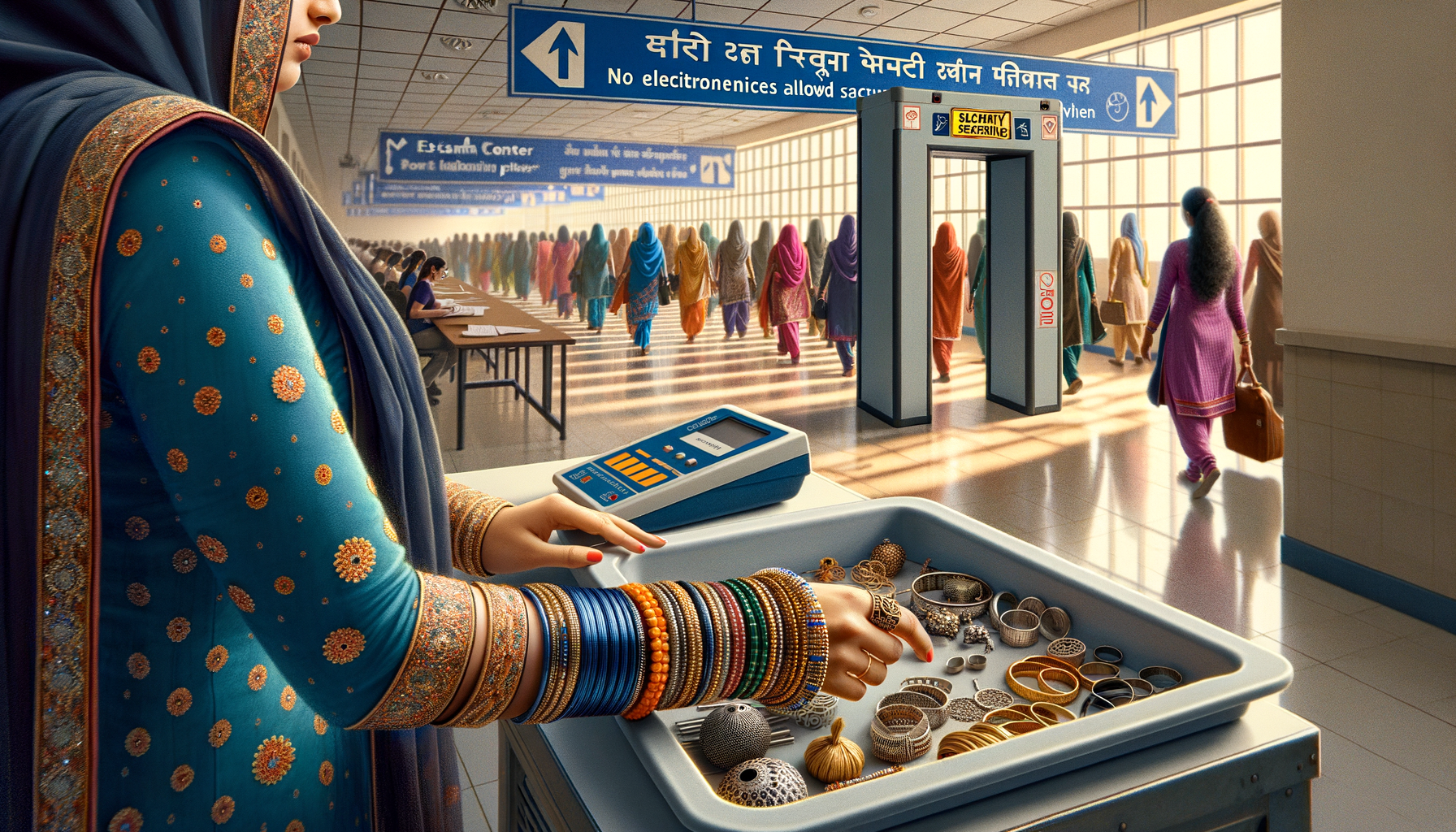
On 2 November 2025, during the Karnataka State Eligibility Test (KSET), multiple examination centres under the Karnataka Examinations Authority (KEA) reportedly required female candidates to remove earrings, nose rings, bracelets, and sacred threads before entering the halls. The incident, widely discussed by candidates and families, has raised concerns about how examination security protocols intersect with religious freedom, dignity, and cultural sensitivity in Karnataka and beyond.
Examination integrity is vital, and strict rules against electronic devices and metallic items are commonly used to deter malpractice. Yet, sacred threads and simple ornaments often carry deep spiritual significance across Dharmic traditionsHinduism, Buddhism, Jainism, and Sikhismwhere personal symbols of faith and modest, non-electronic adornments are part of everyday practice. This episode highlights the need for procedures that uphold exam fairness while respecting the diverse religious and cultural expressions that form the fabric of Indian society.
Accounts from centres indicate that many candidates experienced distress and confusion at being asked to remove articles they regard as sacred or integral to identity. Such moments can be particularly disorienting on an important academic day, potentially affecting concentration and performance. Ensuring that candidates feel both secure and respected is essential to maintaining trust in high-stakes examinations like the KSET exam 2025.
A balanced approach is both possible and necessary. Clear, uniform, and publicly accessible guidelines from KEAwell in advance of the testcan specify which items are prohibited for security reasons and which faith-based symbols are permissible when they pose no electronic risk. Transparent communication, visible signage at exam centres, and consistent enforcement can minimize last-minute disputes and reduce candidate anxiety.
Practical measures can further reconcile security and inclusion: female-only screening zones where needed; trained invigilation staff sensitized to cultural and religious practices; acceptance of non-electronic, non-metal alternatives where appropriate; and a simple, time-bound grievance mechanism for candidates to report inconsistent implementation. Such steps can preserve the integrity of the examination while affirming the dignity and rights of all candidates.
Ultimately, this controversy is a reminder that India’s plural ethos and the unity of Dharmic traditions thrive when public institutions apply rules with cultural awareness and fairness. By refining exam centre rules and communication, KEA and partner institutions can ensure that future KSET examinations protect academic standards without compromising the religious freedom and emotional well-being of candidates. This alignment of exam security with cultural sensitivity strengthens public confidence and exemplifies the spirit of unity in diversity.
Inspired by this post on Hindu Jagruti Samiti.
