

If you encountered the Manache Shlok controversy through slogans, you were probably offered one of two instant verdicts: Hindu concerns defeated a film, or filmmakers insulted a sacred tradition. Neither verdict gives you enough information to judge the dispute responsibly.
The better question is whether a devotionally resonant name was used in a way that misrepresented the people who live by that inheritance – and whether the response corrected the problem without needlessly suppressing artistic work. That distinction matters whenever you decide whether to watch a film, support a campaign, or speak publicly about cultural representation.
Start with the limited facts, not the loudest claim

The established sequence is narrow. The Marathi film Manache Shlok was withdrawn from theatres in Mumbai after concerns were raised about its treatment of Hindu sentiments; consultations followed, and the producers indicated that it would return under a new title.
Three distinctions will keep your judgement honest:
- A theatrical withdrawal is not automatically a formal ban. A legal or governmental prohibition is not established by the known sequence, so do not repeat that claim without separate evidence.
- An indicated re-release is not the same as a completed re-release. The producers stated an intention to return with another name. Until release details are confirmed, describe it as a plan rather than a finished event.
- A title change is not a verdict on the entire film. It may address the association created by the name while leaving the story intact. It also does not prove that every concern about the film’s content has been resolved.
This precision is not a retreat from cultural advocacy. It is what makes advocacy credible. If you turn a negotiated withdrawal into a claim of state censorship, or a title dispute into proof that the whole film is malicious, people can dismiss a legitimate concern by disproving the exaggeration.
Why the title carried more than marketing value
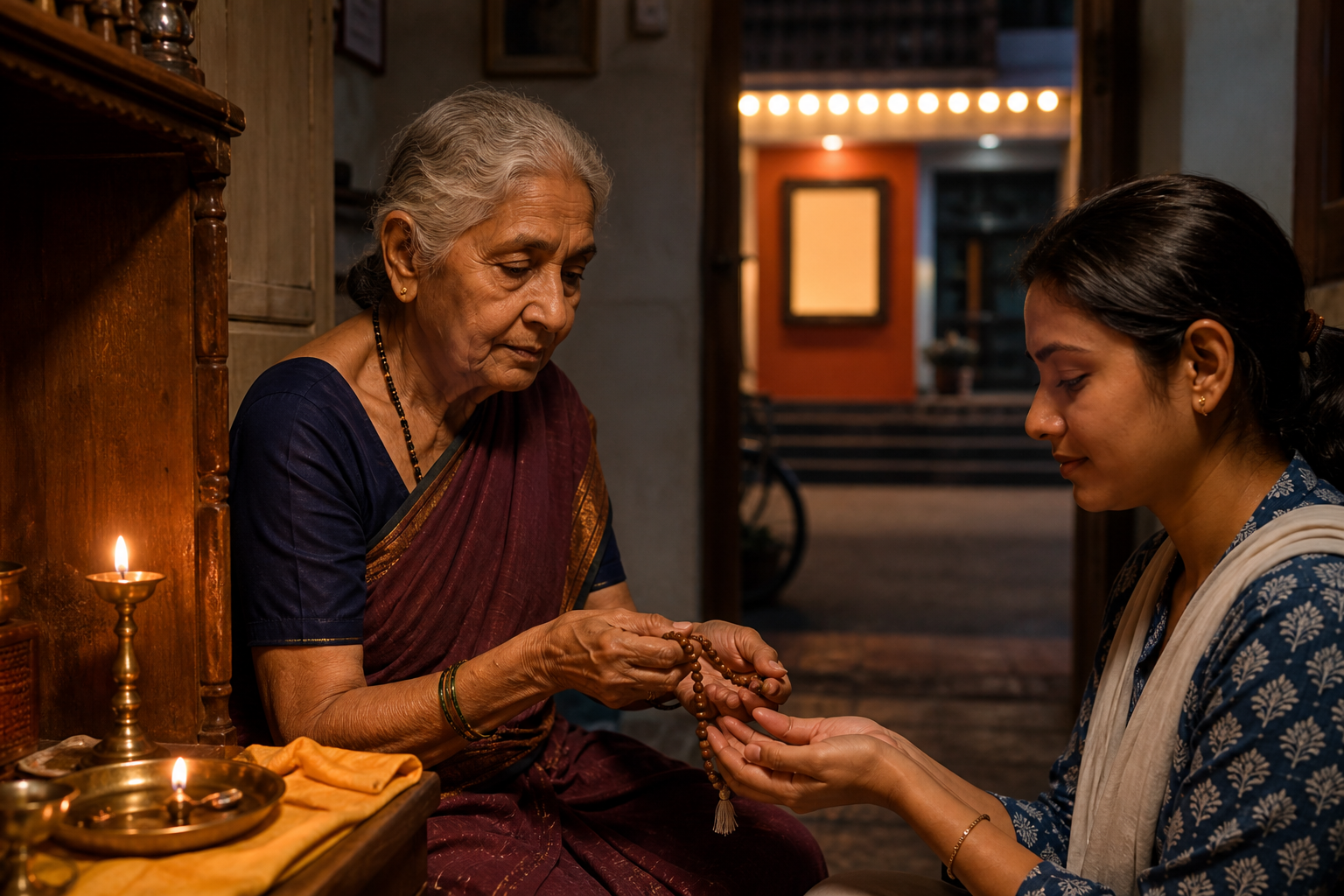
For many Marathi viewers, Manache Shlok is not a neutral collection of attractive words. The name evokes devotional teaching, recitation, family memory, and an attempt to shape one’s conduct through sacred instruction. A filmmaker may see a memorable title. A devotee may hear the language of home, discipline, and inherited trust.
That does not give any community automatic control over every artistic reference to its tradition. It does mean that a culturally charged title creates an interpretive promise. Audiences reasonably expect the work to understand the inheritance it invokes, even if the story is critical, comic, or unconventional.
When a film borrows such a name, ask four concrete questions:
- Does the title accurately signal the story’s relationship to the devotional tradition, or does it mainly borrow the tradition’s recognition?
- Would someone unfamiliar with the tradition mistake a fictional character or practice for a representative Hindu belief?
- Does the film distinguish criticism of a person, institution, or social habit from contempt for the sacred inheritance itself?
- Could a less charged title preserve the creative idea while preventing a misleading association?
The fourth question explains why renaming can be a serious remedy rather than a cosmetic concession. A title frames everything that follows. Changing it can remove an unwanted claim of religious association without requiring the story to disappear.
Use an exact test for cultural misrepresentation

You do not need to choose between the slogans that all offence is censorship and all offence proves disrespect. Use a more demanding test. It protects Hindu dignity while making weak complaints easier to identify.
- Identify the exact material. Name the title, scene, dialogue, image, character, or promotional claim at issue. If a complaint cannot identify what the film allegedly does, it is not ready to become a public accusation.
- Classify the concern. Is it a factual error, missing context, ridicule, a misleading sacred association, or simply a portrayal that some viewers dislike? These are different objections and require different responses.
- Check the narrative context. A flawed character is not automatically the filmmaker’s spokesman. A line may be challenged later in the story. Critique the work’s actual framing, not an isolated image stripped of its function.
- Test the likely audience inference. Ask what a viewer with little knowledge of Hindu life would probably conclude. Cultural harm often occurs when fiction supplies the only context an audience possesses.
- Separate intention from effect. A creator may not have intended disrespect, while the title or depiction still creates a false association. Conversely, an offended response does not by itself establish that the representation is false.
- Request the narrowest adequate repair. Depending on the problem, that could mean contextual clarification, revised marketing, a changed title, an edited passage, or a public explanation. Demanding the disappearance of the entire work should not be the first move when a smaller correction would solve the identified problem.
This method also prevents a familiar mistake: treating sacredness as immunity from every difficult portrayal. Dharmic traditions are strong enough to appear in complex art. The legitimate demand is not constant praise. It is informed representation that does not exploit reverence while withholding context.
Constructive dialogue requires obligations on both sides
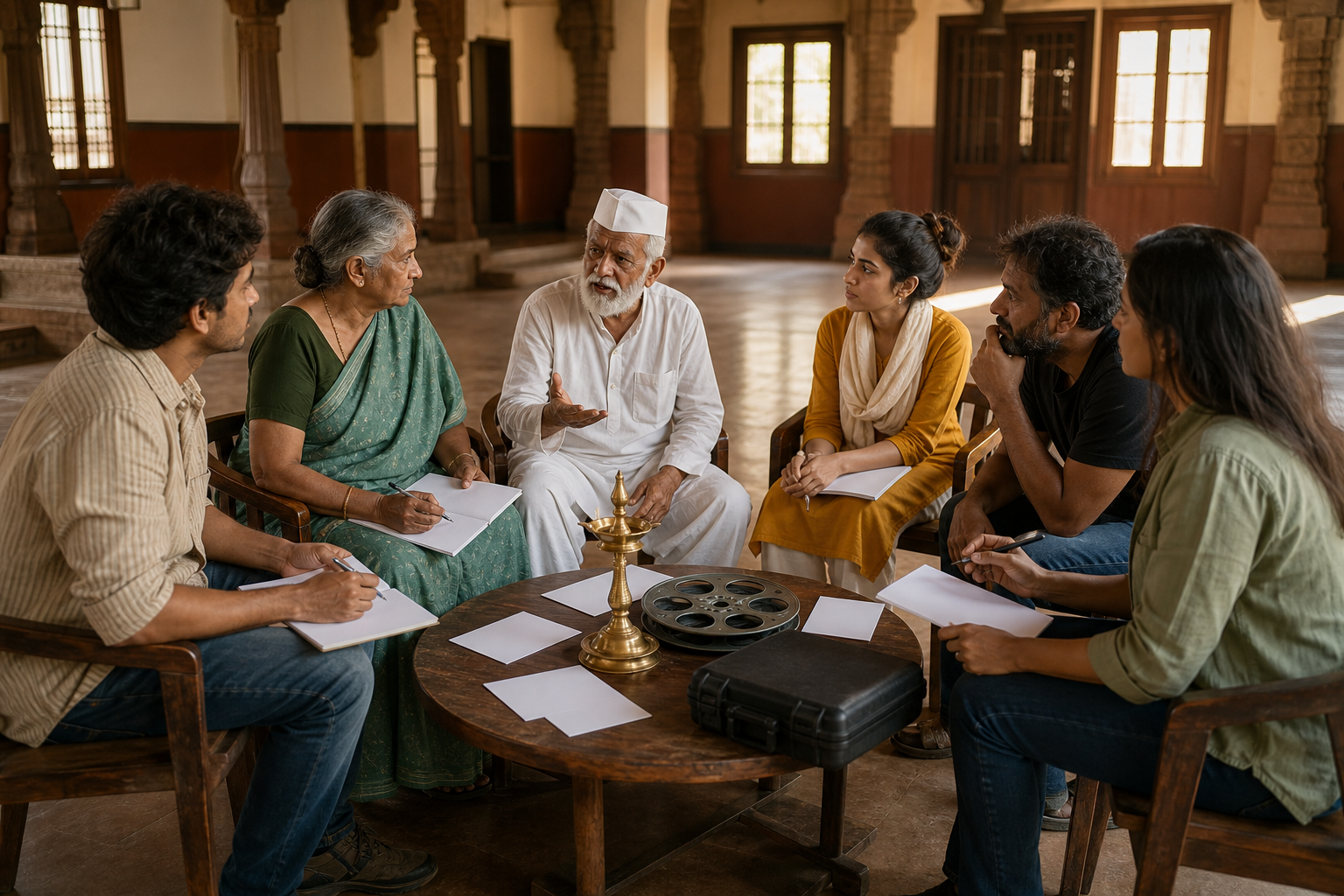
The consultations around Manache Shlok produced a proposed path back to theatres under another name. That is more useful than an outcome in which either the community must silently accept the association or the film must vanish. But dialogue deserves praise only when it has clear guardrails.
- Specificity: Community representatives should state the objection and requested remedy precisely. General accusations of hurting sentiments give creators no reliable way to respond.
- Reciprocity: Filmmakers should explain what the disputed choice was meant to do, while critics should consider that explanation without being required to accept it.
- Proportionality: The remedy should match the problem. If the harmful association comes mainly from the title, renaming may be enough. If the content itself misrepresents a practice, a new poster cannot settle the concern.
- Non-coercion: Criticism, peaceful campaigning, refusal to buy a ticket, and direct consultation are legitimate civic tools. Threats, personal abuse, or punishment of uninvolved people weaken the moral claim being made.
- Closure: A campaign should say what would resolve the dispute. If creators make the requested correction, critics should acknowledge it rather than moving the standard after the fact.
That last obligation is especially important. Cultural advocacy cannot become a process in which an artist is offered no route back into public life. Correction must remain possible. Otherwise consultation becomes submission rather than dialogue.
The wider Dharmic family also has a stake in this discipline. Hindu, Buddhist, Jain, and Sikh communities can defend one another’s right to a fair hearing without pretending that their doctrines, symbols, or practices are interchangeable. Solidarity should amplify the people rooted in the particular tradition being depicted, not replace them with a generic claim about religion.
Key takeaways for viewers and cultural advocates
- The confirmed development is a withdrawal followed by consultation and an indicated return under a different title – not proof of a formal ban or a completed re-release.
- A devotionally meaningful title creates a reasonable expectation of cultural understanding, even when the film itself is fictional or critical.
- Community standing deserves a serious hearing, but it does not make every objection correct or create an automatic veto over art.
- A persuasive complaint identifies the exact representation, explains the misleading inference, and asks for a proportionate remedy.
- Renaming can preserve creative expression while removing an association that the story has not earned. It is neither necessarily an admission of total wrongdoing nor evidence of artistic defeat.
- If an agreed correction addresses the stated problem, cultural groups should say so clearly. The ability to close a dispute is part of responsible advocacy.
If the renamed film reaches audiences, treat that release as a fresh test. Examine the final title, marketing, and relevant portrayal before repeating an old verdict. If the correction works, acknowledge it. If a substantive problem remains, document the exact material and request the smallest change that would repair it.
Before you endorse or share any future campaign over a Dharmic portrayal, apply one rule: you should be able to state the disputed choice, the harm it creates, and the requested remedy in a few precise sentences. That standard turns cultural concern into accountable action – and gives filmmakers a real opportunity to respond with respect.
References
