
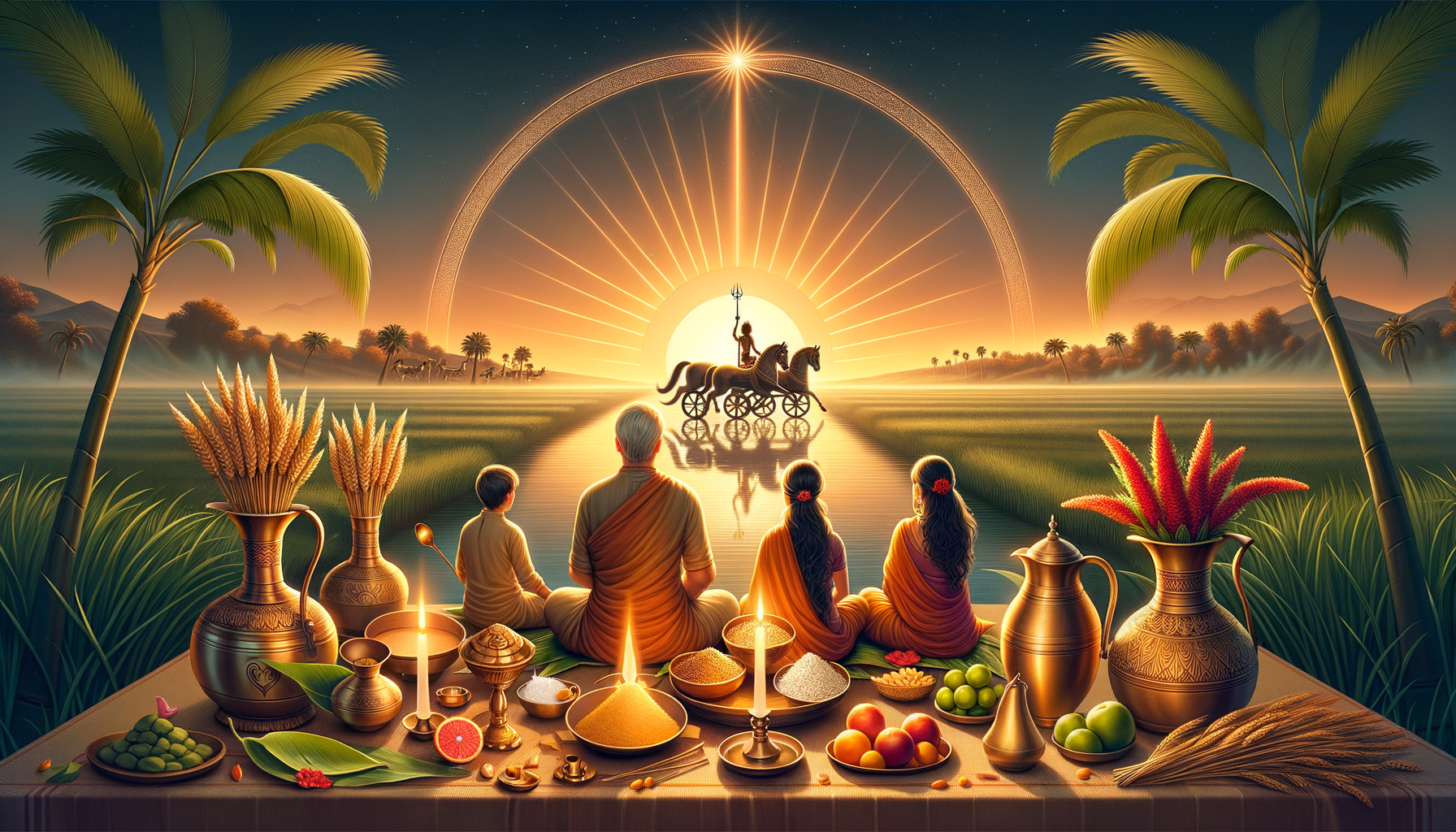
Rath Saptami, also known as Ratha Saptami or Surya Jayanti, is observed on Magh Shukla Saptami, the seventh lunar day of the Magh month. In 2026, the festival falls on January 25. Across the dharmic traditions of Hinduism, Buddhism, Jainism, and Sikhism, reverence for the sun as a symbol of light, order, and life unites communities in shared gratitude and ethical living. This observance celebrates Surya’s nurturing energy and the renewal it brings to the body, mind, and the natural world.
The Ratha Saptami vrata katha is traditionally connected with King Yashovarma of the Kamboj Empire. Classical tellings recount that the king, faced with grave misfortune and the burdens of past actions, sought counsel from sages. Guided to observe the Ratha Saptami vrata with purity of intention and disciplined practice, the king offered arghya to Surya at sunrise and performed acts of charity. In due course, blessings manifested as health, well-being, and the restoration of harmony within his realm. While regional narrations vary in detail, the core theme remains constant: sincere repentance, disciplined observance, and devotion to Surya purify the heart and realign life with dharma.
The festival’s symbolism is rich and multilayered. Surya’s ratha (chariot) drawn by seven horses is often interpreted as an allegory for the seven days of the week, the sapta rishis, and the seven primary energy centers (chakras), all driven forward by the light of knowledge and discipline. Ratha Saptami also aligns with the progression of Uttarayana, marking the strengthening of the sun’s northward journey and the agricultural rhythm of renewal. In a broader dharmic frame, the sun’s radiance evokes clarity, right conduct, and compassionvalues equally esteemed in Buddhism’s emphasis on wisdom, Jainism’s commitment to self-discipline and non-violence, and Sikhism’s devotion to ethical action and remembrance of the One.
Timing enhances the vrata’s efficacy. On January 25, 2026 (Magh Shukla Saptami), practitioners ideally bathe before sunrise and offer the first arghya as the sun’s rays appear. A simple sankalpa may be made for health, steadiness of mind, family well-being, and the flourishing of all beings. The day’s discipline is understood not merely as ritual performance but as a means to cultivate inner light and ecological harmony.
A traditional puja sequence is commonly followed: (1) Snana (ritual bath), often with water infused with sesame (til) and accompanied by placing arka (Calotropis) leaves on the head, shoulders, and chest; (2) Offering of arghya to Surya at sunrise while facing east; (3) Lighting a deepa (lamp) and reciting hymns such as Aditya Hridayam or the Surya Gayatri; (4) Naivedya comprising simple, sattvic preparations (wheat, jaggery, fruits), followed by pradakshina; (5) Dana (charity), including grains, ghee, or clothing, along with acts of seva; and (6) Vrat observance as health permitssome choose a day-long fast, others a saatvik, light diet. Each step mirrors the katha’s message: disciplined practice transforms intention into grace.
For many households, the first touch of cool water and the fragrance of til at dawn evoke enduring memories of togetherness, gratitude, and quiet resolve. Children learning to fold their palms toward the rising sun, elders sharing the meanings of simple mantras, and neighbors exchanging prasada together create a sense of continuity across generations. Such lived experiences make the vrata not only a ritual event but also a shared cultural and ethical education.
Mindful observance strengthens the vrata’s impact. Sattvic meals, compassionate speech, and ahimsa-centered choices align conduct with the sun’s purity. Eco-sensitive practicesusing biodegradable lamps, minimizing waste, and honoring watertranslate devotion into stewardship of nature. These shared commitments highlight a core dharmic ideal: unity in diversity, where multiple paths converge in the service of light, truth, and collective well-being.
Ratha Saptami thus stands as both festival and guide. The katha of King Yashovarma illustrates how humility and resolve can redirect destiny, while the rituals offer accessible steps to cultivate clarity, health, and courage. Observed with knowledge and compassion on January 25, 2026, the vrata becomes an invitation to greet the sun with gratitude and to carry its luminous virtues into daily life for the welfare of all.
Inspired by this post on Hindu Pad.
