
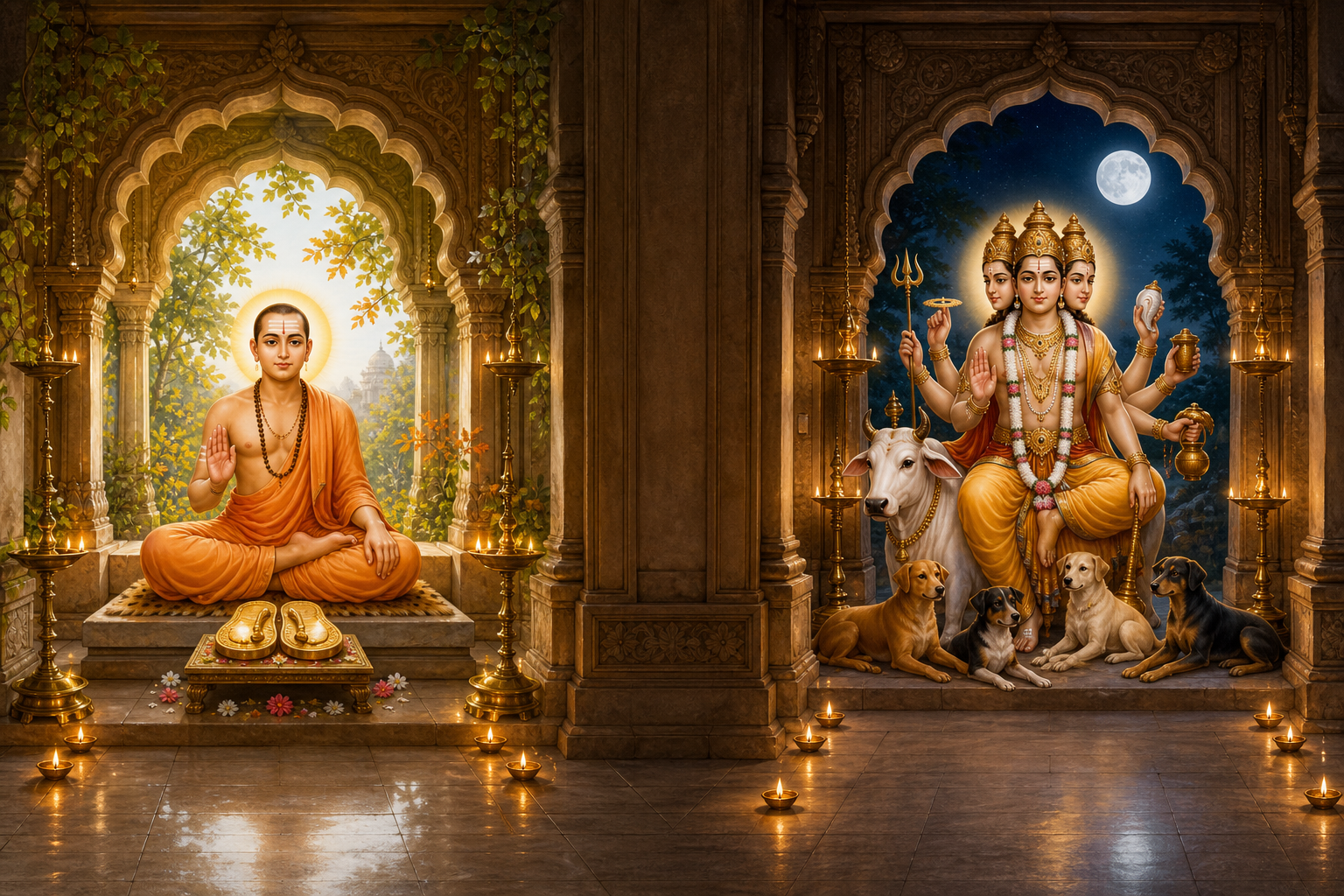
If you want to honor both Dattatreya and Sripada Vallabha in 2026, put two separate observances on your calendar. Sripada Vallabha Jayanti falls on September 14, while Datta Jayanti falls on December 23. The commemorations belong to the same devotional stream, but they are not two names for the same festival.
That distinction affects more than the date. It determines whom you are commemorating, which lunar day you should verify, and how you should describe the event to family members or a wider community.
Put the correct names, tithis and dates on your calendar
| Commemoration | Traditional calendar placement | 2026 civil date | What it marks |
|---|---|---|---|
| Sripada Vallabha Jayanti | Bhadrapada Shukla Chaturthi | September 14 | The jayanti of Sripada Vallabha, who is revered as a Dattavatara |
| Datta Jayanti | Margashirsha Purnima, with a Shukla Paksha Chaturdashi observance also identified in the calendrical framing | December 23 | The jayanti of Lord Dattatreya |
Sripada Vallabha Jayanti is observed on Bhadrapada Shukla Chaturthi and falls on September 14 in 2026. That tithi is also celebrated as Ganesh Chaturthi. The shared lunar day is important for household and temple planning, but it does not merge the two commemorations.
For Datta Jayanti, both the shastriya and laukika dates fall on December 23 in 2026. The observance is associated with Margashirsha Purnima, while Shukla Paksha Chaturdashi also appears in its calendrical framing. You therefore do not need to choose between different civil dates for 2026, but you should still confirm the local tithi and program time.
A tithi is a lunar-calendar unit whose boundaries do not necessarily follow civil midnight. Use September 14 and December 23 to reserve the days, coordinate leave or announce an event. Use the tithi name and a local panchanga to settle the actual worship time. If a temple, matha, guru lineage or family priest gives a schedule, follow that schedule rather than assuming that every observance begins in the morning.
Understand the relationship without collapsing the identities
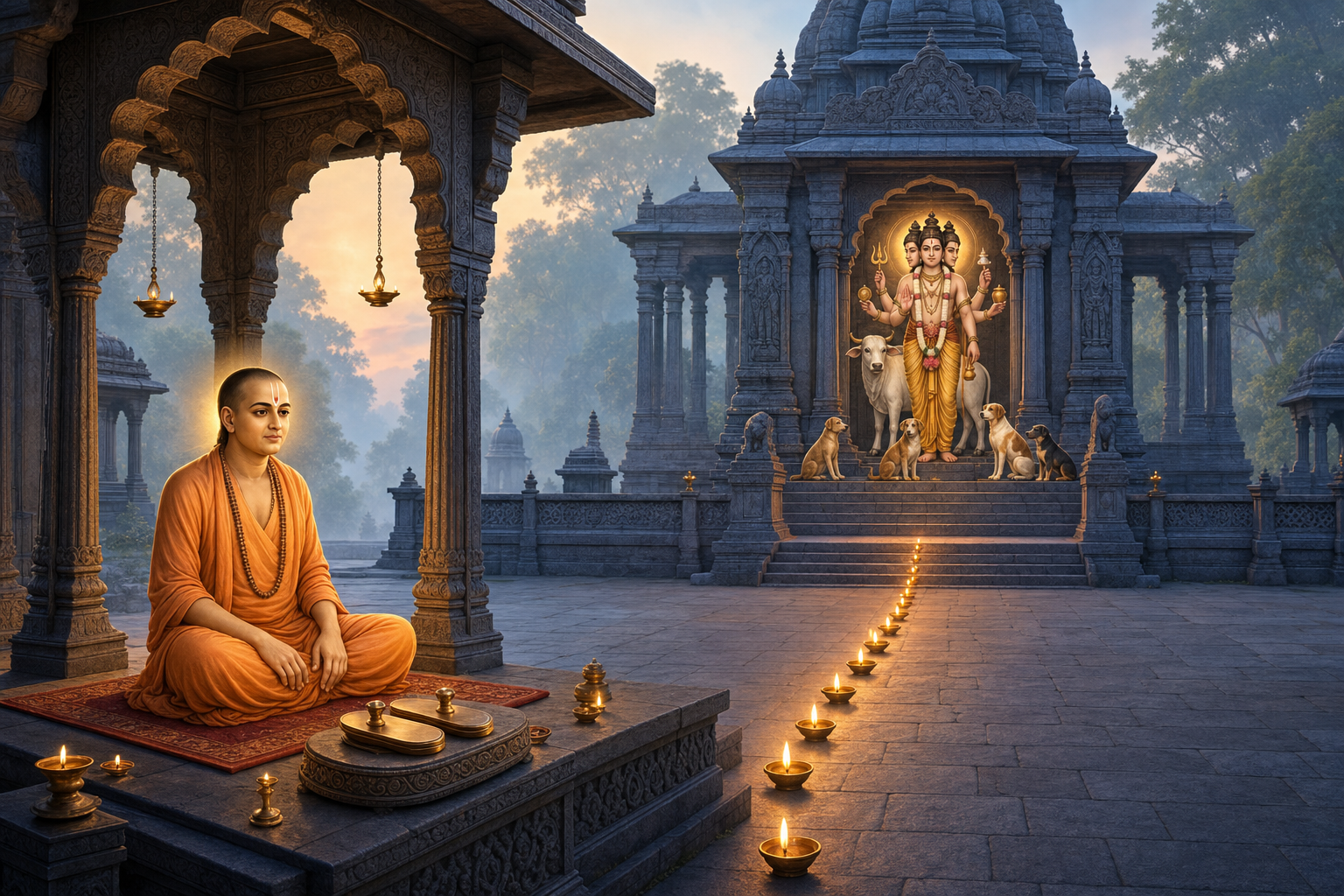
Sripada Vallabha is revered as one of the divine incarnations of Lord Dattatreya. This Dattavatara relationship explains why devotees naturally connect the two jayantis. It does not make one commemoration a substitute for the other.
On Sripada Vallabha Jayanti, the devotional focus is the particular avatara. His birth is associated with Pithapuram, so his commemoration also carries a distinct personal and place-based identity. On Datta Jayanti, the focus is Lord Dattatreya himself and the observance widely identified as Guru Dattatreya Jayanti.
The easiest way to prevent confusion is to preserve the full name in every calendar entry, invitation and announcement. Several English spellings are in circulation, but the date tells you which observance is meant:
- Sri Sripada Vallabha Jayanti, Shripad Shri Vallabha Jayanti and Shripad Vallabha Jayanti refer to the September 14 commemoration in 2026.
- Datta Jayanti, Dattatreya Jayanti and Guru Dattatreya Jayanthi refer to the December 23 commemoration in 2026.
- If an announcement merely says “Datta celebration,” ask for the tithi or full festival name before making arrangements.
- If you maintain a community calendar, include both the civil date and lunar placement instead of listing only the month and day.
This naming discipline matters when relatives use different regional spellings, when a temple publishes a compressed schedule, or when an online search mixes material about the avatara with material about Dattatreya. The theological connection should help you understand the tradition, not erase its distinctions.
Handle the Ganesh Chaturthi overlap deliberately
Sripada Vallabha Jayanti and Ganesh Chaturthi share Bhadrapada Shukla Chaturthi. For a family that observes both, the overlap can produce a practical question: should the observances be combined, placed one after the other, or handled according to separate family customs?
The calendar alone cannot answer that question. A shared tithi identifies timing; it does not prescribe one universal ritual order. Your family tradition, sampradaya or officiating priest should decide the sequence when a formal paddhati applies.
- Create separate calendar labels for Ganesh Chaturthi and Sripada Vallabha Jayanti, even if both point to September 14.
- Ask whether your temple program explicitly includes Sripada Vallabha Jayanti. Do not infer inclusion merely because Ganesh Chaturthi appears on the schedule.
- If both are observed at home, keep the intention of each worship segment clear. A shared day need not become an undifferentiated ceremony.
- Confirm the order of formal rites before purchasing materials or circulating a timetable. The person responsible for the ritual procedure should settle the sequence.
- When inviting others, state which commemoration the gathering centers on and whether Ganesh Chaturthi observance is also included.
This is especially useful for community organizers. A notice that says only “Chaturthi puja” leaves devotees guessing. A notice that names both observances, gives the local start time and identifies the person guiding the procedure prevents avoidable confusion.
Build a faithful observance without inventing a universal ritual
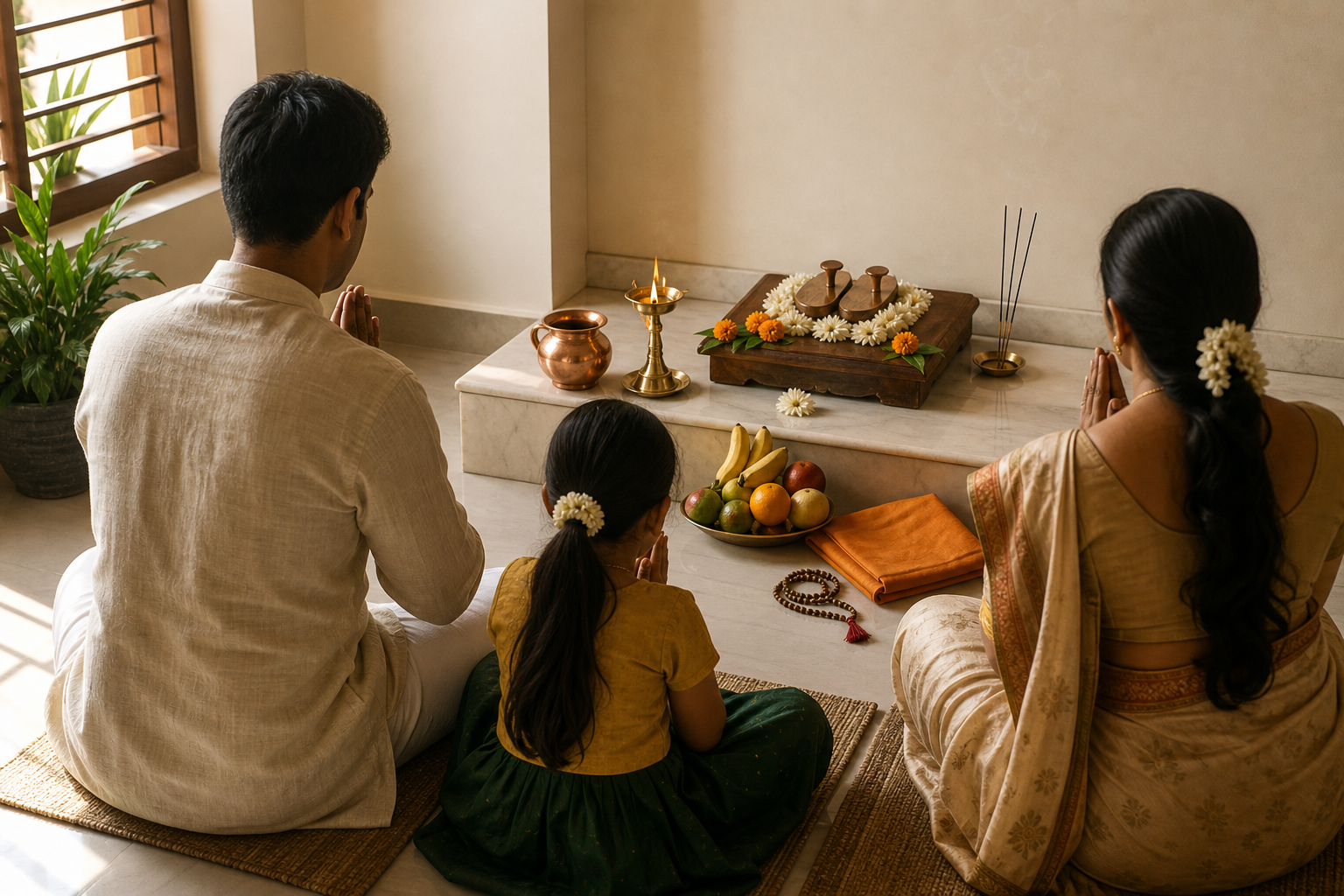
Related devotion does not mean that every Dattatreya devotee follows an identical ceremony. If you have an inherited family practice, a guru-given procedure or a temple paddhati, that authority should shape the observance. If you do not, keep the home commemoration modest and transparent rather than assembling a supposedly mandatory rite from unrelated instructions.
- Confirm the occasion. Write down the full name, tithi and 2026 date. This prevents a search for Sripada Vallabha material from quietly turning into a generic Datta Jayanti program, or the reverse.
- Confirm local timing. Check a panchanga calculated for your location or obtain the time from the temple you intend to follow. A civil date is not a complete muhurta.
- Identify the devotional focus. On September 14, center the remembrance on Sripada Vallabha as a revered Dattavatara. On December 23, center it on Lord Dattatreya and the guru orientation carried by Guru Dattatreya Jayanti.
- Use practices you can authenticate. Follow the prayer, name recitation, reading, offering or service already accepted in your family or lineage. If you are uncertain about a mantra or formal vow, ask a qualified teacher instead of treating an online fragment as initiation or ritual authority.
- Choose reading material by occasion. For Sripada Vallabha Jayanti, select material concerned specifically with Sripada Vallabha. For Datta Jayanti, use material centered on Dattatreya. The distinction keeps the commemoration educational as well as devotional.
- Assign responsibilities before announcing the program. Decide who confirms the tithi, who leads the observance, who prepares the space, and who communicates the schedule. Do not let unresolved ritual questions fall to the person designing the invitation.
- Close with a concrete dharmic act. Prayer can be joined to seva, dana or care for people in your immediate community. Choose an act your household can complete responsibly, without making claims that it is a compulsory part of every tradition.
For a public event, the announcement should answer five questions at a glance: Which jayanti is this? What is the tithi? What is the local date and time? Who is guiding the procedure? Does the program include another observance occurring on the same day? Those details are more useful than a long description that leaves the actual schedule unclear.
If you are organizing both commemorations, resist the temptation to reuse one generic program with the names changed. The September gathering may need to acknowledge the Ganesh Chaturthi overlap and Sripada Vallabha’s distinct identity. The December gathering needs its own Dattatreya-centered framing and its Margashirsha calendrical context.
Key takeaways for your 2026 observance
- Sripada Vallabha Jayanti falls on September 14, 2026, during Bhadrapada Shukla Chaturthi.
- Datta Jayanti falls on December 23, 2026; both its shastriya and laukika reckonings use that civil date.
- Sripada Vallabha is revered as a Dattavatara, so the commemorations are related but not interchangeable.
- Sripada Vallabha Jayanti shares its tithi with Ganesh Chaturthi. Preserve separate names and intentions unless your tradition directs a particular combined procedure.
- Use the civil date for planning, but confirm the worship time through a location-specific panchanga, temple or lineage authority.
- When no prescribed ritual applies, choose a simple, authentic observance rather than presenting an improvised sequence as universal.
Open your calendar now and create two entries: “Sripada Vallabha Jayanti – Bhadrapada Shukla Chaturthi” on September 14, and “Datta Jayanti – Margashirsha observance” on December 23. Then add a reminder to confirm local tithi timings and the applicable temple or family procedure before invitations or travel are finalized.

References
- Hindu Pad – Datta Jayanti 2026 | Dattatreya Jayanthi
- Hindu Pad – Sri Sripada Vallabha Jayanthi 2026 | Shripad Shri Vallabha Jayanti
