
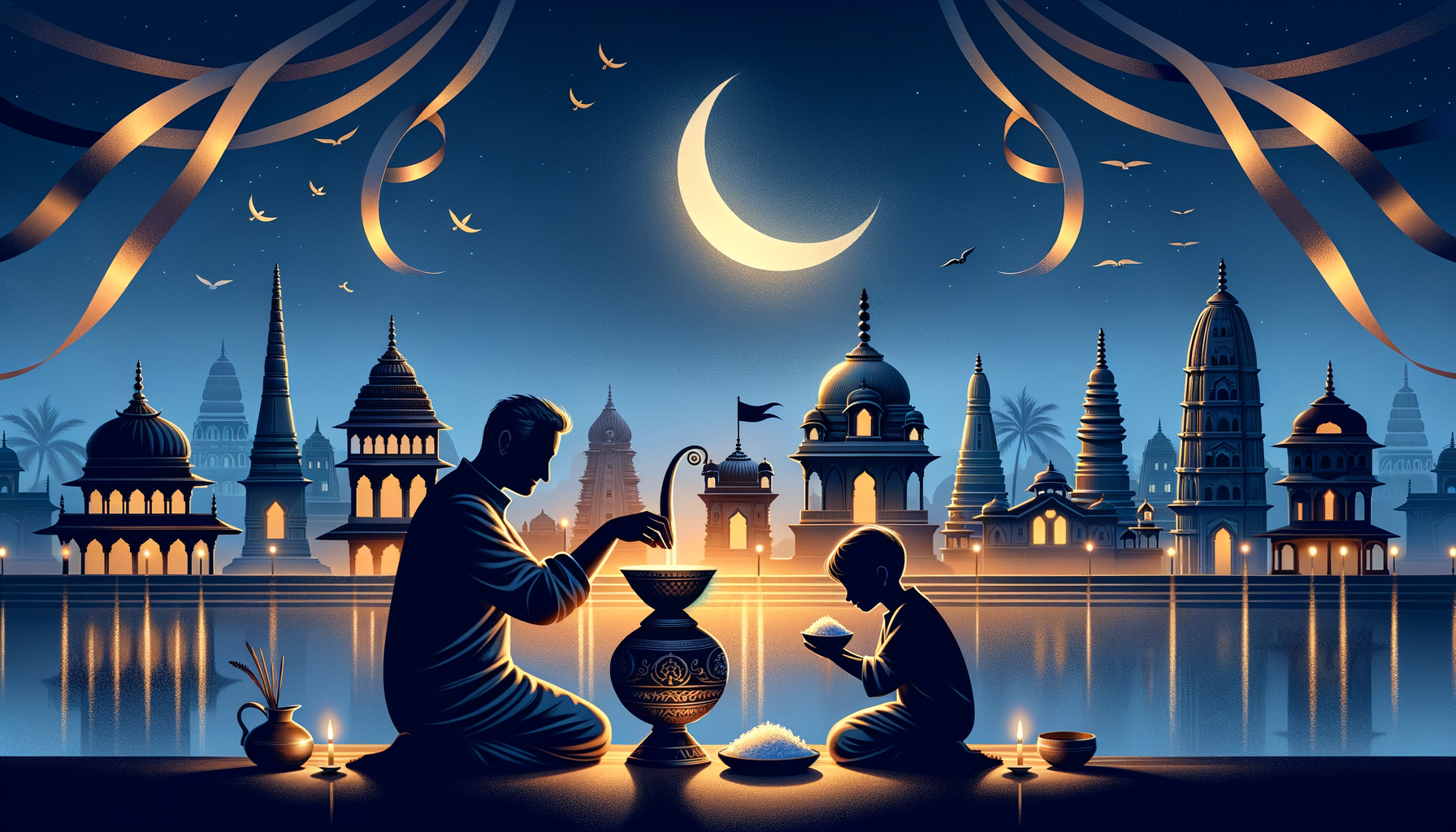
Chandra Darshan on 21 December 2025 marks the first sighting of the waxing crescent moon after Amavasya, a moment cherished for its serenity and auspicious promise. This observance is recognized across the Hindu calendar and resonates with the broader lunisolar rhythms followed in dharmic traditions, where the cyclical return of light after darkness symbolizes renewal, clarity, and collective wellbeing.
For calendar alignment across regions, the observance falls in Poush Month (Pushya Masam) in North India, Andhra Pradesh, and Karnataka. In the Tamil calendar it coincides with Margazhi Masam, in the Malayalam calendar with Dhanu Month, in the Bengali Panjika with Poush Month, and in the Nepali calendar with Posh Month. These diverse month names reflect a shared civilizational timekeeping system that unites communities through a common celestial marker.
Traditionally, Chandra Darshan is observed at dusk when the slender crescent becomes visible low in the western sky. Households often step outdoors together, and the quiet act of moon viewing is accompanied by simple offerings such as water (arghya), white grains, or curd, and by brief prayers to Chandra for emotional balance, health, and prosperity. Many observe a light fast during the day, breaking it after sighting the moon, aligning personal discipline with cosmic rhythm.
Practical planning helps ensure a meaningful observance. The crescent is typically visible shortly after sunset; consulting a local Panchang for moonset and visibility windows is advisable. Urban light and cloud cover can affect visibility, so a clear western horizon improves the experience. These careful preparations reinforce the contemplative quality of the evening and deepen engagement with the Hindu calendar and tithi-based observances.
While Chandra Darshan is rooted in Hindu practice, the reverence for lunar cycles echoes across dharmic traditions. Buddhist Uposatha observances, Jain fasting cycles anchored to lunar tithis, and the Bikrami references retained in many Sikh commemorations reflect a shared cultural time-sense. In this light, Chandra Darshan becomes more than a date; it serves as a gentle reminder of unity-in-diversity across Hinduism, Buddhism, Jainism, and Sikhism.
Observed with mindfulness, the first crescent of 21 December 2025 offers an opportunity to begin new initiatives, recalibrate personal intentions, and cultivate gratitude. The calm of the evening moonrisequiet lamps, attentive children, and unhurried prayersadds a relatable human warmth to an otherwise precise calendrical milestone, harmonizing ritual, community, and inner peace.
Inspired by this post on Hindu Pad.
