
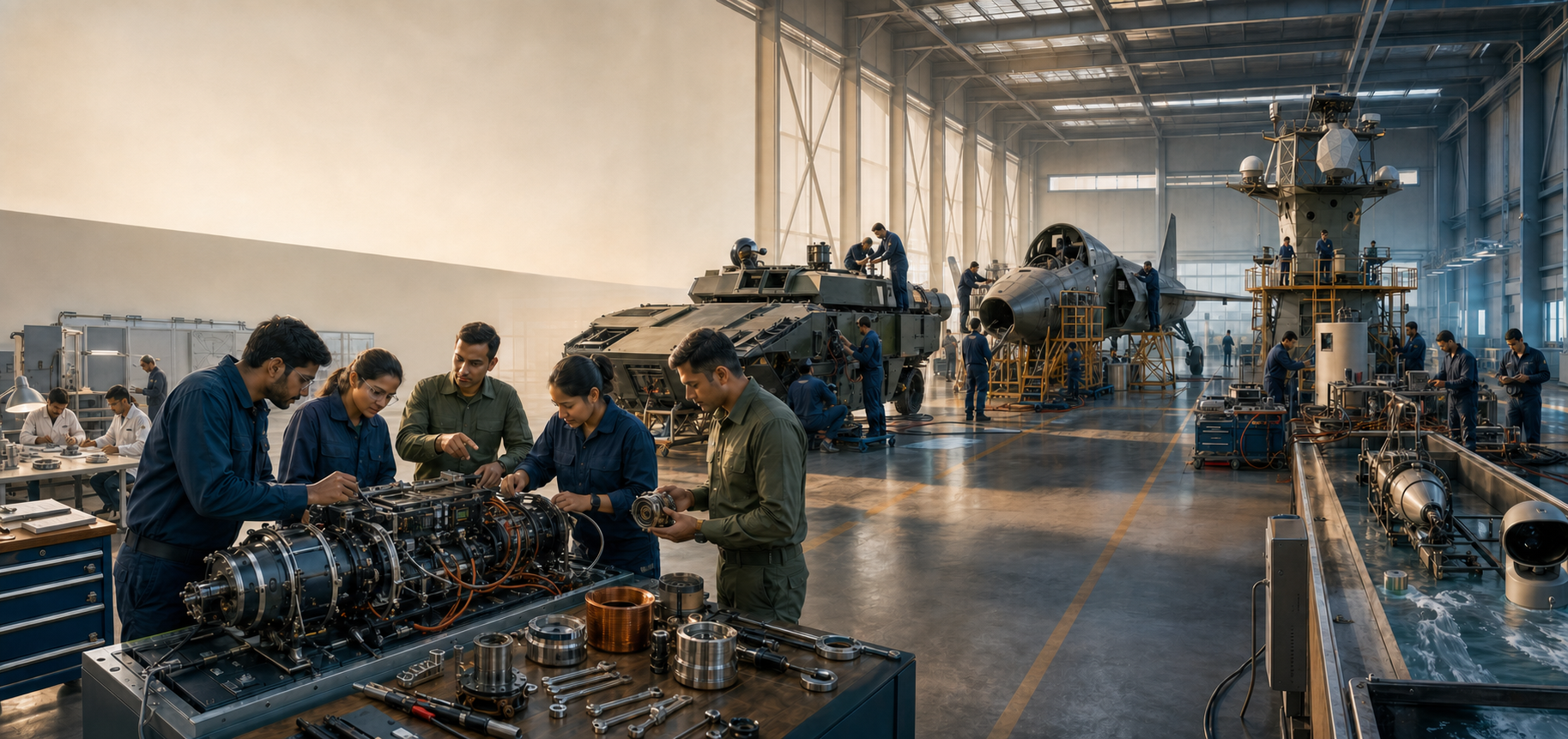
If you are trying to decide whether DAP 2026 represents real defence reform or another layer of procurement paperwork, do not begin with patriotic slogans or domestic-content percentages. Ask a harder question: when a contract has been completed, what can an Indian institution design, repair, modify and scale without waiting for external permission?
The Ministry of Defence is finalising a procedure intended to move Bharat beyond buying equipment and licensed production towards technology ownership and long-term capability creation. That is the right ambition. But a procedure cannot create sovereignty by declaration. The contracts, technical rights, skilled teams, testing capacity and lines of accountability underneath it will determine whether the ambition survives implementation.
The first test is not where a weapon is made, but who controls it
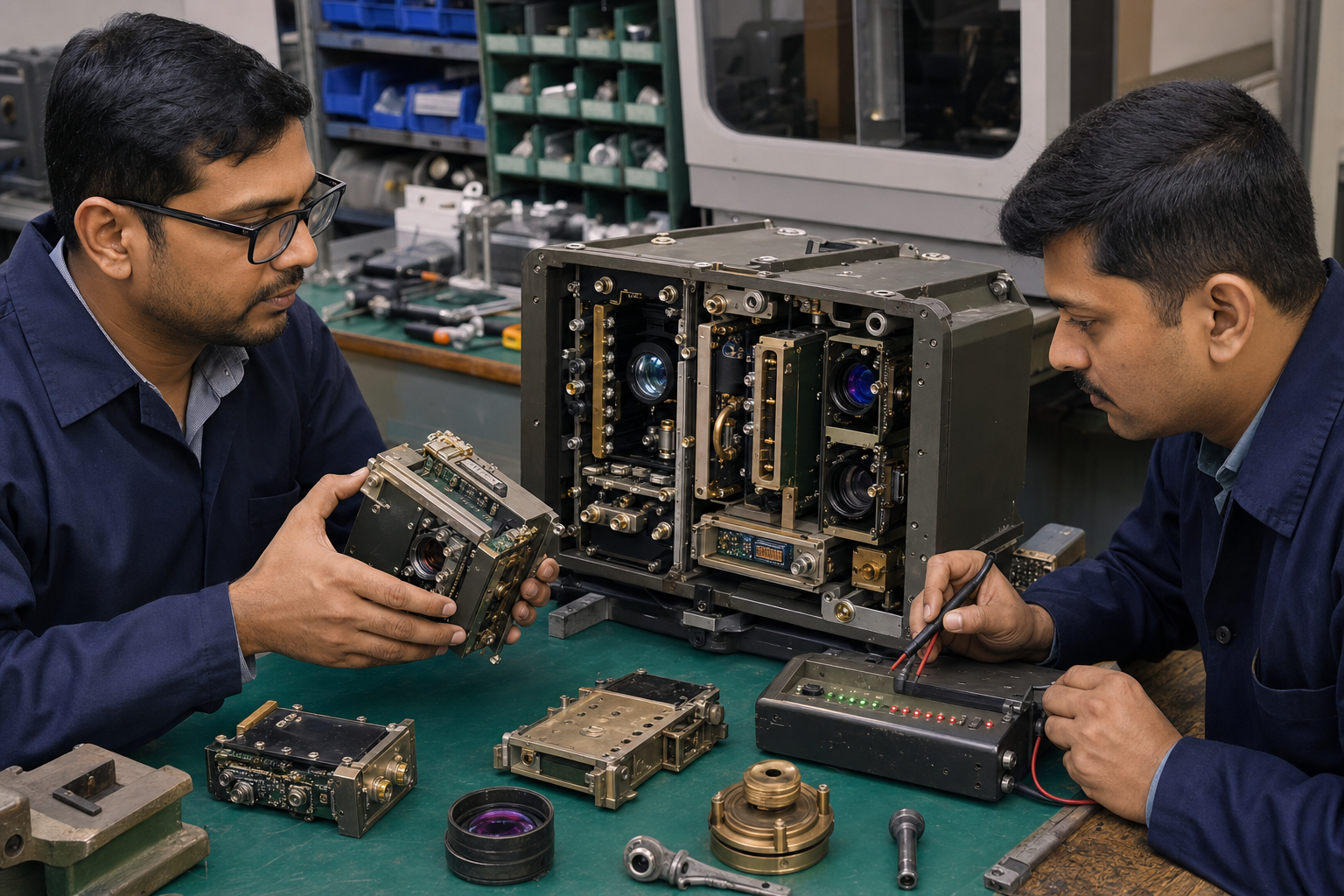
Manufacturing location and technology ownership are different things. A platform can be assembled in India while its most consequential decisions remain elsewhere. An overseas entity may still control the design baseline, software changes, diagnostic tools, critical components or permission to integrate a new Indian subsystem.
The proposed movement from “Made in India” to “Owned by India” becomes meaningful only when ownership is translated into specific, enforceable abilities. For each strategically important acquisition, you should look for answers to the following questions:
- Design authority: Can an Indian organisation approve changes to the system, or can it only manufacture an externally controlled design?
- Interface control: Does India possess the information needed to connect domestic weapons, sensors, communications equipment and software?
- Software authority: Can authorised Indian teams inspect, maintain and update mission-critical software where operational sovereignty requires it?
- Testing and certification: Can India validate a modification without sending the system back to the original supplier for every consequential approval?
- Maintenance independence: Are diagnostic tools, repair data, test equipment and critical spares available to Indian operators and maintainers?
- Supply-chain resilience: Are essential components available from domestic or diversified sources, or does one inaccessible imported item immobilise the whole platform?
- Legal permission: Do intellectual-property and licensing terms allow the modifications, integrations and domestic production that the programme is expected to deliver?
- Human capability: Will Indian engineers actually acquire usable design and systems-integration knowledge, or will they receive documents that cannot be applied without continuing external assistance?
This does not mean every foreign purchase must transfer every form of intellectual property. That would be unrealistic and, for ordinary equipment or an urgent operational need, potentially counterproductive. DAP 2026 should instead distinguish between what India merely needs to possess and what it must be able to control.
A long-lived, software-intensive or mission-critical system deserves a much higher sovereignty threshold than a readily replaceable item. The practical rule is simple: the more a capability affects wartime freedom of action, the less comfortable India should be with an external veto over its repair, adaptation or integration.
Capability creation needs one chain of responsibility
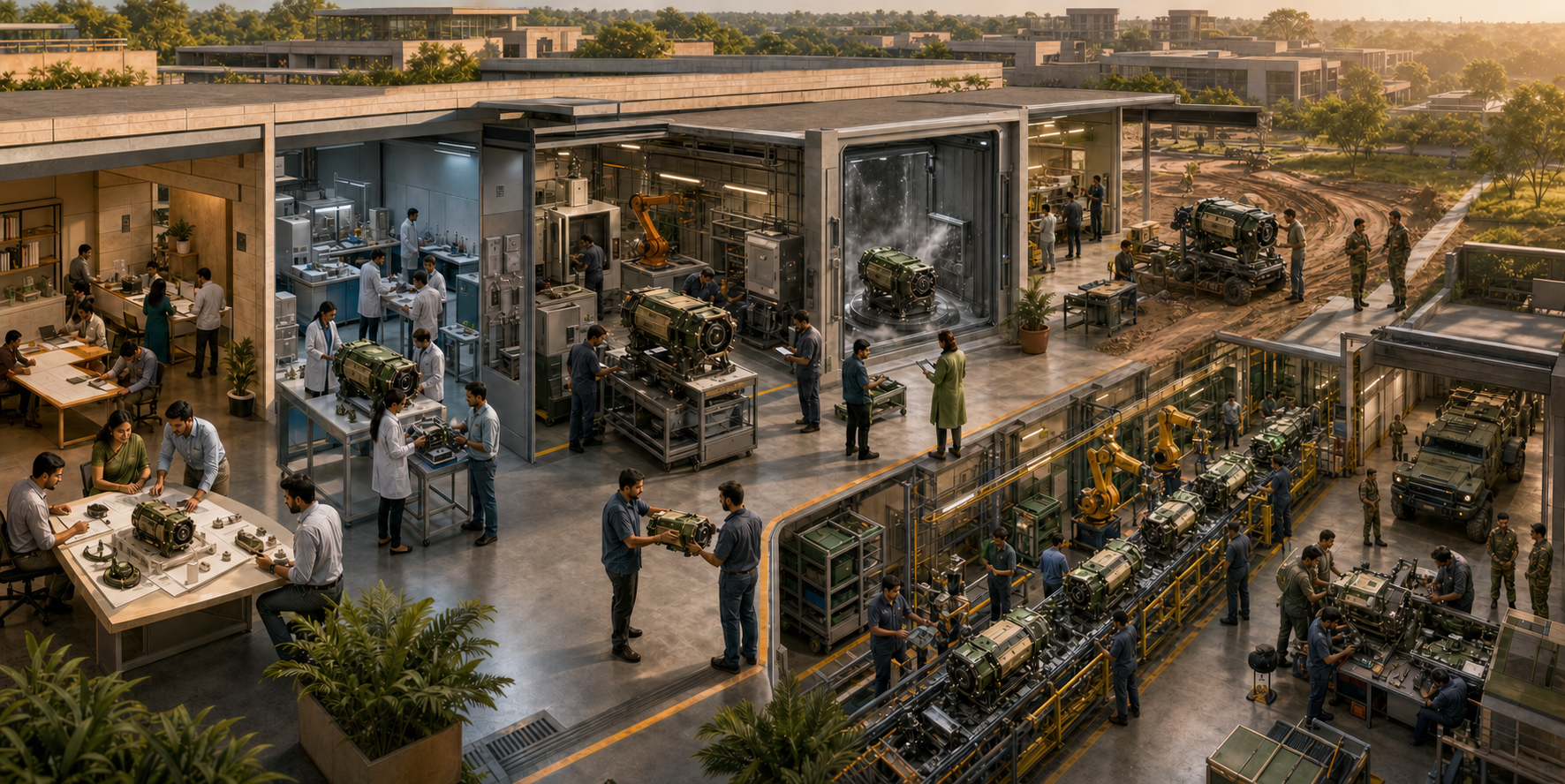
India’s persistent acquisition difficulty is not merely a shortage of rules. It is fragmentation across operational requirements, procurement decisions, design work, production, testing, finance and lifecycle support. Each participant can complete a procedural task while nobody remains answerable for the complete military capability.
DAP 2026 should therefore organise major acquisitions around a capability owner, not just a file. That owner need not perform every function. It must, however, be responsible for resolving trade-offs across the entire programme: performance, cost, schedule, domestic technology, testing, sustainment and future upgrades.
A workable responsibility chain would make five roles explicit:
<!– wp:list {