
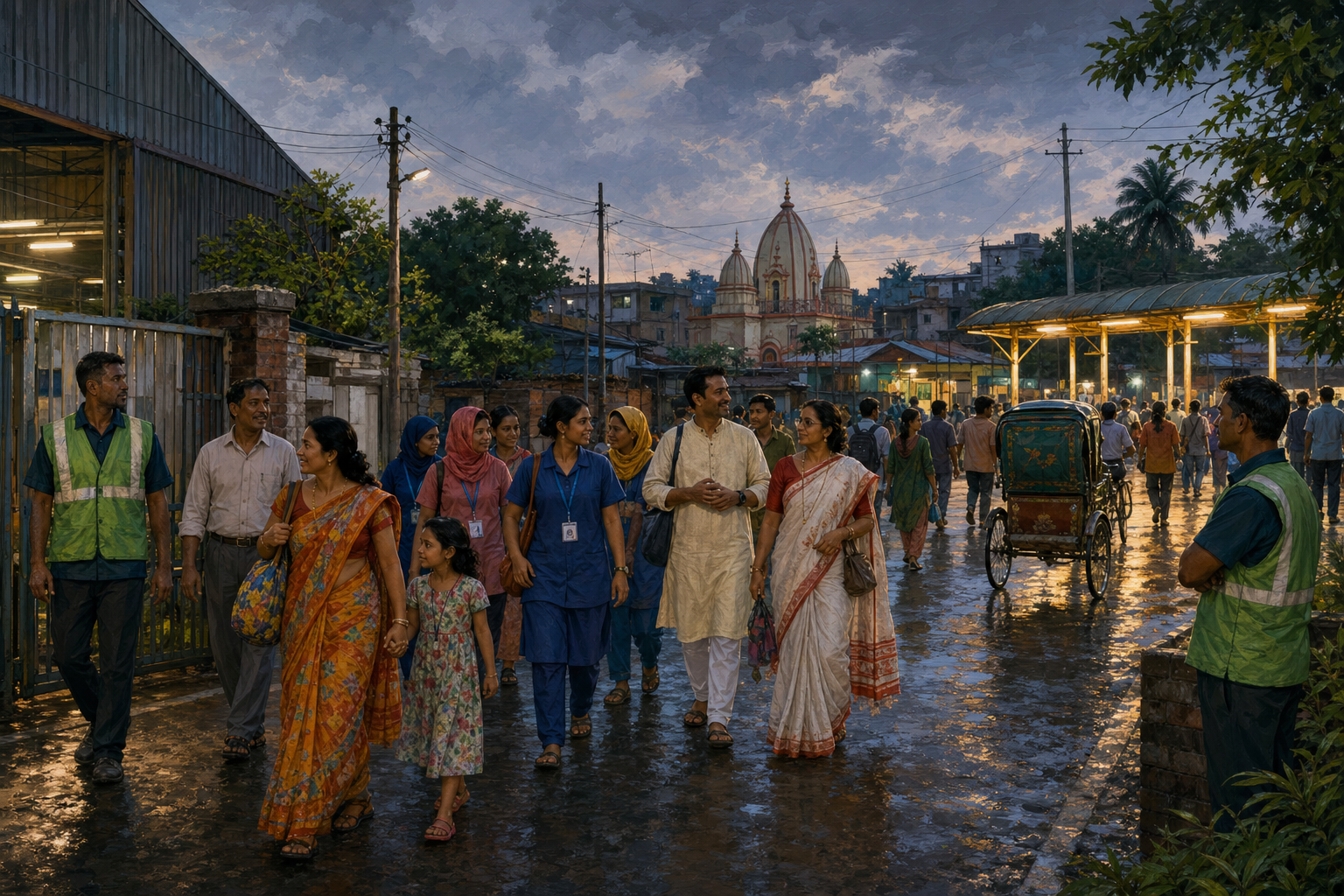
If you are a Hindu family member, factory worker, temple organiser, or community advocate in Bangladesh, the question after the Mymensingh shooting is immediate: what can you do before the next shift, commute, or gathering? You do not have to choose between taking the danger seriously and waiting for verified facts.
The responsible response has two tracks. Reduce preventable risk now, and demand an investigation capable of establishing whether the death resulted from deliberate violence, negligent weapon handling, a failure of workplace controls, or some combination of these. Rumour will not protect a minority community. A disciplined record, a functioning safety plan, and sustained lawful pressure can.
Separate what is known from what still has to be proved
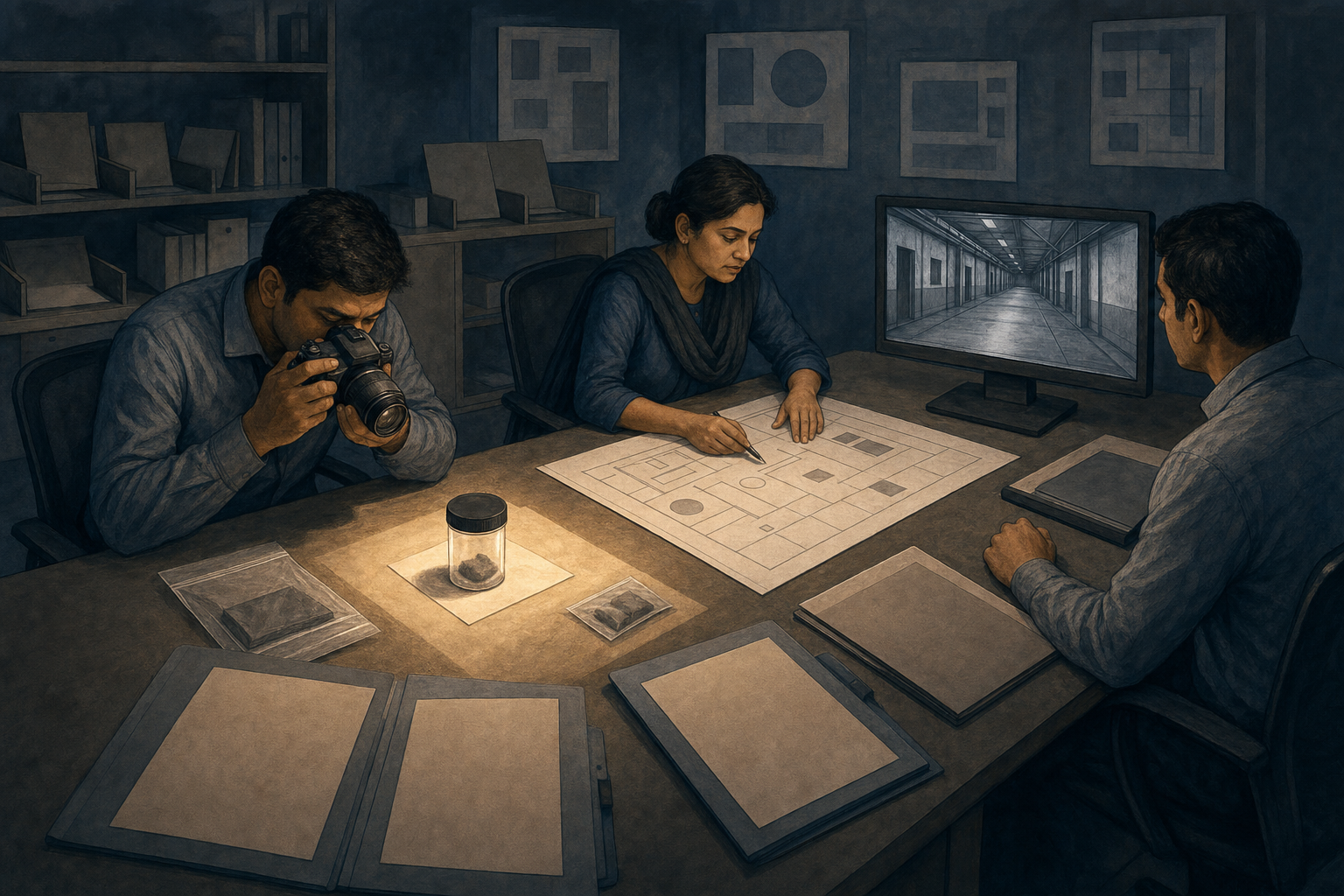
Biswas was reportedly shot inside Sultana Sweaters Limited in Bhaluka upazila, Mymensingh. He is described as an Ansar member assigned to factory security duty in one account and as a worker in another. His given name also appears as Bajendra and Brijendra. Police initially characterised the shooting as an apparent accidental discharge by a colleague, who was arrested.
Those details do not settle motive or responsibility. An arrest means that a person has been taken into custody; it is not a finding of guilt. Likewise, an initial description of an accidental discharge is not a forensic conclusion. Even if intent is ultimately ruled out, unsafe handling of a firearm, inadequate supervision, poor training, or a defective handover procedure could still require accountability.
Fear has been intensified by reports that this was the third death of a Hindu man in separate incidents within two weeks. That proximity warrants close scrutiny of each case and of the broader security environment. It does not, by itself, prove that all three deaths had the same motive or organiser. Treating the pattern as a question to investigate is stronger than declaring an answer before the evidence exists.
Use four labels whenever information is shared within your family or community:
- Verified fact: supported by an identifiable official record, direct witness, or preserved original material.
- Official allegation: a police, employer, or administrative claim that remains subject to investigation.
- Unverified report: a forwarded message, edited clip, anonymous post, or second-hand account that has not been corroborated.
- Required answer: a specific gap that investigators, the employer, or the Ansar command should address.
This simple classification prevents a common failure. Communities often circulate the most alarming version first and try to correct it later, after names, motives, and images have already spread. Put the label before the claim. If nobody can identify the original source, keep it out of public statements.
Reduce immediate risk without creating panic
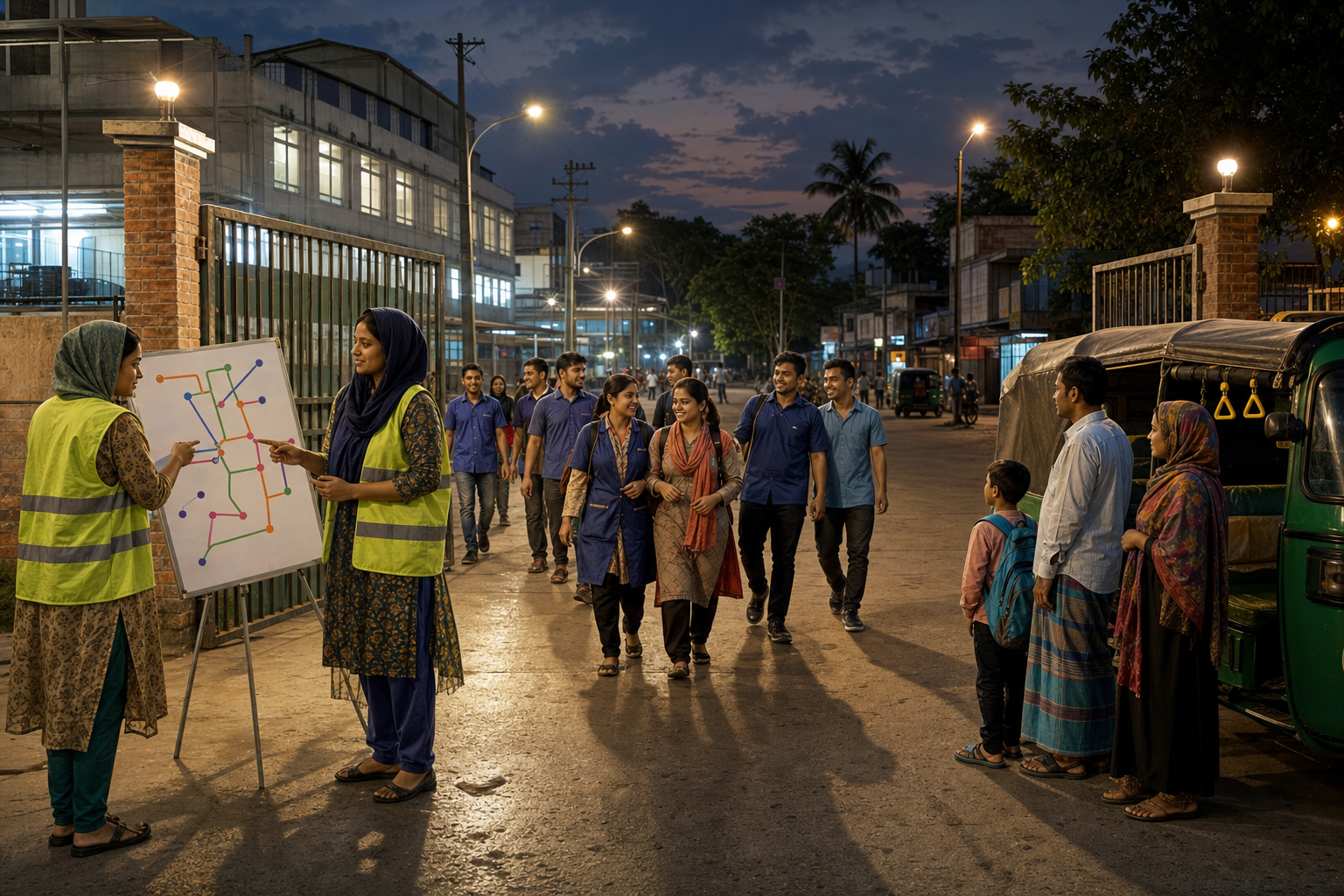
A safety plan should work on an ordinary workday, not only during a public crisis. It should also avoid turning anxious residents into an informal armed force. The goal is reliable communication, safer movement, early warning, and a clear route to professional help.
- Create a two-contact check-in plan. Before a late shift or a journey through an area of concern, tell one primary contact when you expect to leave and arrive. Name a backup contact as well. If a check-in is missed, the primary contact should first call the traveller, then the workplace or destination, and then the appropriate local authority if there is a concrete reason to fear harm. Do not publish routes, shift times, addresses, or live locations in an open group.
- Pair people where risk is credible. Workers leaving late, temple volunteers carrying donations, and shopkeepers closing after dark can arrange shared transport or a walking companion. Pairing should be based on an identified local concern, not a blanket instruction that isolates people from daily life.
- Ask for written workplace safeguards. Workers or their representatives should request confirmation of who may carry a firearm, how weapons are issued and returned, what training is required, who supervises shift handovers, how an unsafe weapon is reported, and what happens after a discharge. Sensitive security details should go through an authorised worker representative or manager, not into a public social-media post.
- Prepare places of worship and community venues. Name one coordinator for emergency communication, keep entrances and exits unobstructed, identify a place from which people can call for help, and assign unarmed stewards for large gatherings. Stewards should observe, guide, and report. They should not confront an armed person or pursue a suspected attacker.
- Know the response to immediate danger. If you see a weapon or an escalating crowd, increase distance and leave by a safe route. If leaving would expose you to greater danger, take cover and contact local emergency services when it is safe to do so. Do not approach merely to obtain a closer video. Images are never worth placing another person in the line of fire.
Factory security deserves particular attention after Mymensingh. A firearm carried for protection creates a different level of workplace risk from an ordinary dispute. Employees should not be expected to inspect weapons or investigate armed colleagues themselves. Management and the responsible security chain must own weapon control, training, preservation of evidence, and corrective action.
Community organisers should also avoid publishing a list of vulnerable homes, minority-owned shops, or isolated temples. Such a directory can become a targeting aid if it is forwarded outside the trusted group. Keep operational information limited to the people who need it, obtain consent before storing personal details, and remove access when a volunteer leaves the role.
Turn every concern into a record that can be acted on
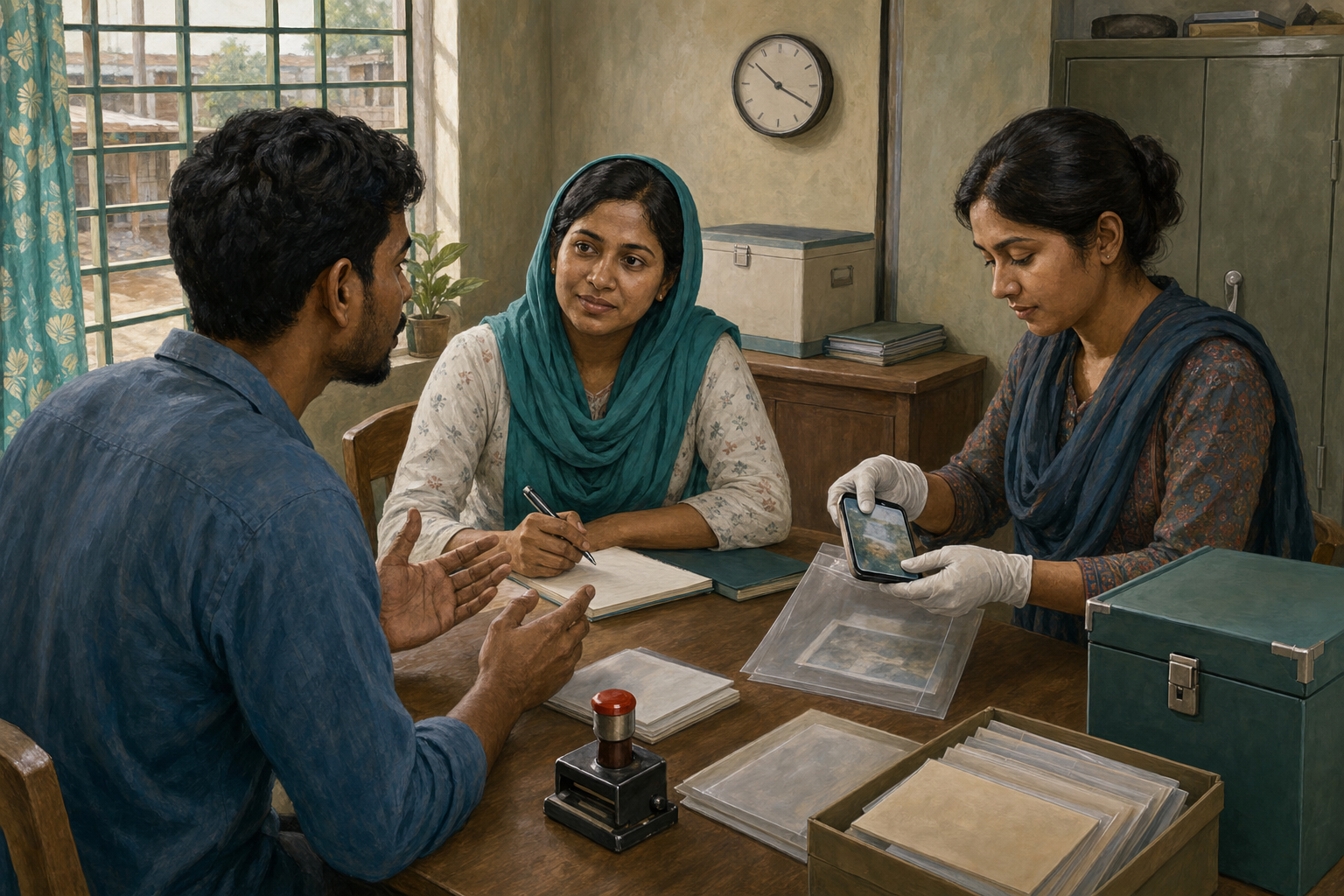
A vague claim that minorities feel unsafe is easy for an institution to acknowledge and then ignore. A dated, case-specific record is harder to dismiss. It also helps advocates distinguish a genuine pattern from several unrelated events that happen to be circulating at the same time.
Create a separate incident file for each threat, assault, act of vandalism, workplace failure, or attempt to mobilise a hostile crowd. Record only what the available evidence can support:
- The date, approximate time, and precise location.
- What the recorder personally saw or heard, written in neutral language.
- What came from another person, with that material clearly marked as second-hand.
- The names and contact details of witnesses who have consented to be contacted.
- Original photographs, recordings, messages, or links, preserved without captions or edits that alter their meaning.
- The office, employer, police unit, or administrator notified; the time of notification; and any acknowledgement or reference number received.
- The immediate protective action requested and the response, if any.
Keep the original file even if you make a smaller copy for sharing. Note who created it and how it reached you. A screenshot of a forwarded video is less useful than the original recording with its surrounding context. Never pressure a frightened witness to publish their identity. Give unredacted material only to a trusted investigator, qualified local lawyer, or credible rights organisation when disclosure is necessary and the witness understands the risk.
Sensitive clips reportedly circulated after the Mymensingh incident. Repeatedly forwarding such material can expose the victim’s family to distress, compromise privacy, and strip away the information needed to verify where and when the clip originated. Preserve a relevant original privately, document the link and the claim attached to it, and share publicly only what is necessary to establish the issue.
Use a clear escalation ladder. Start with the body that can take immediate action: the workplace for an internal hazard, police for alleged violence, or local administration for a crowd or public-order threat. If the first contact does not respond, record the time, office, person contacted, and answer received. Then take the same factual packet to a higher administrative level, an appropriate civil-society organisation, or qualified local counsel. For decisions that could affect a criminal case or expose a witness, rely on a lawyer familiar with Bangladeshi law rather than general online advice.
Demand answers on intent, negligence, and institutional failure
The word accidental can be misunderstood as meaning that no one is responsible. It addresses intent, and only provisionally at that. It does not answer whether the firearm was handled properly, whether the carrier was trained, whether supervision was adequate, or whether the employer and security command responded correctly.
A credible investigation should answer three distinct questions. Was Biswas deliberately shot, and did hostility toward his Hindu identity play any role? If the discharge was unintended, was the weapon handled negligently or contrary to procedure? Regardless of individual conduct, did a workplace or security-system failure make the death more likely? More than one form of responsibility can exist, but each requires evidence.
Families, worker representatives, and community advocates can keep public attention focused by asking for specific investigative milestones:
- Confirmation of the victim’s correct name, employment or service status, and assignment at the factory.
- Confirmation of who was issued the firearm and who was authorised to possess it at the relevant time.
- Preservation and review of CCTV footage, duty rosters, weapon-issue records, and available witness statements.
- Forensic findings relevant to how the firearm discharged, communicated without compromising the case.
- The status of charges and court proceedings, while preserving the accused person’s right to due process.
- A finding on whether any weapons-handling, training, supervision, storage, or shift-transfer rule was breached.
- Written corrective measures for the factory and responsible security body if a procedural failure is identified.
- Regular, respectful updates to the family rather than forcing relatives to learn developments through social media.
Transparency does not require publishing every witness statement or piece of forensic material while an inquiry is active. It requires clarity about who is investigating, what evidence has been secured, what stage has been reached, whether legal proceedings have begun, and what safeguards have changed. Silence invites speculation; premature certainty damages the investigation. Scheduled milestone updates provide a path between those failures.
The broader pattern should be tested with the same discipline. Keep a separate file for each reported killing or attack. Compare verified features only after the individual records are sound: location, method, prior threats, evidence of identity-based hostility, official response, and case outcome. The cumulative fear affecting work, travel, commerce, and worship is itself a serious social consequence, but it should lead to better verification rather than collective accusations.
Build solidarity that can survive the next rumour
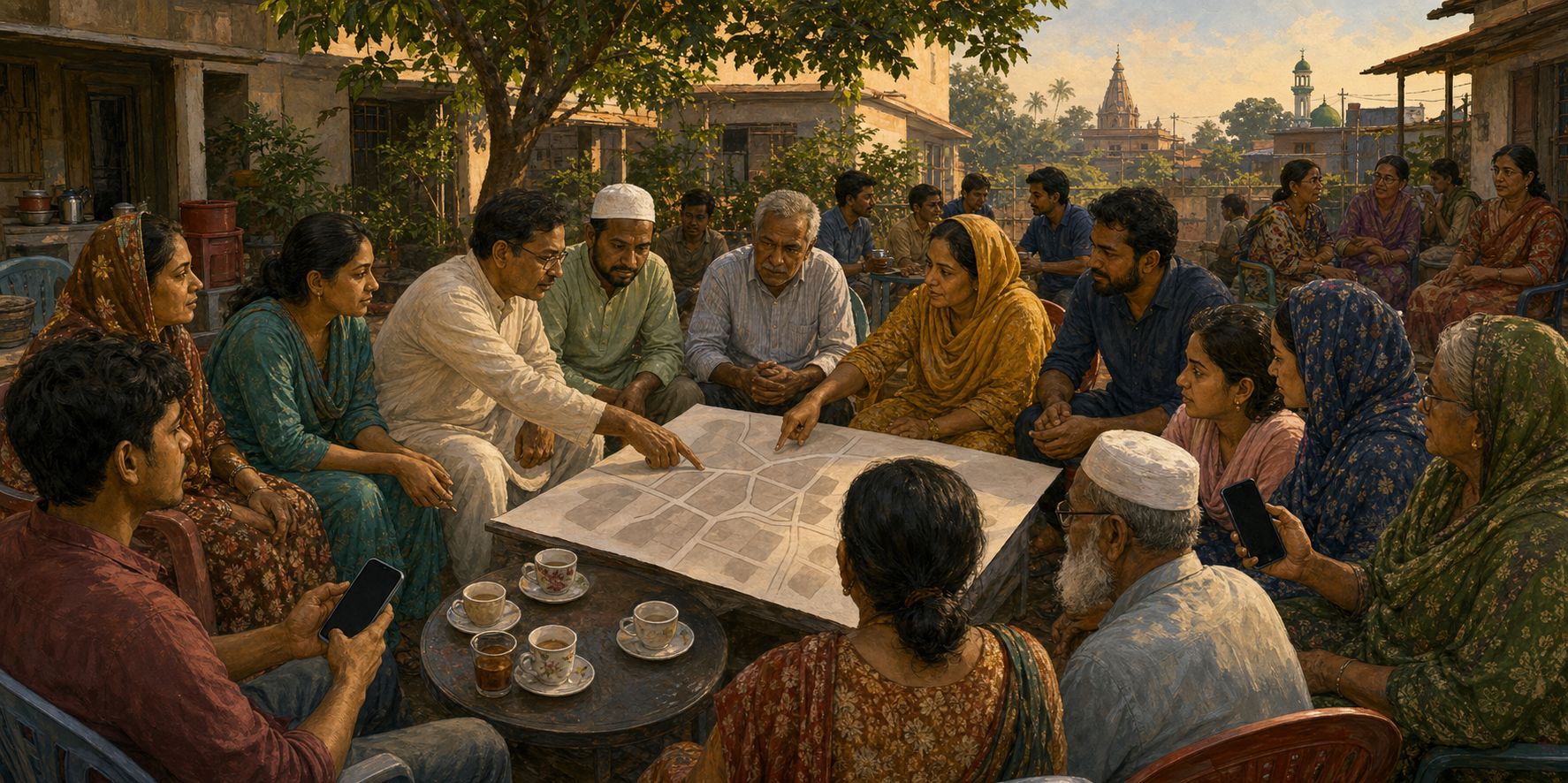
Minority safety cannot depend on Hindu families acting alone after every incident. Hindu, Buddhist, Jain, and Sikh organisations can cooperate on verification, legal referrals, family support, and nonviolent advocacy. Trusted Muslim neighbours, workers, religious leaders, and local civic figures should be included wherever they are willing to defend equal protection. A threat to a Hindu citizen is not made less serious by rejecting collective blame; the demand for justice becomes more credible when it is precise about responsibility.
A small local coordination group needs defined roles, not a large chat filled with forwarded claims. Assign one person to verify incoming reports, one to maintain private incident records, one to contact institutions, and one to organise practical support for an affected family. Nobody should publish a victim’s identity, medical information, address, or witness list without consent.
Public messaging should contain four elements: sympathy for the victim and family, the verified facts, the unanswered questions, and the remedy being requested. A useful structure is: “We mourn Biswas, request preservation and examination of all relevant evidence, seek timely updates on the investigation, and ask for a documented review of firearm controls at the workplace.” Add a communal motive only if credible evidence supports it.
Dharmic ethics offer a practical discipline here. Satya requires accuracy even when a rumour supports what we fear. Ahimsa requires preventing retaliation, protecting witnesses, and refusing to expose uninvolved people to collective punishment. Neither principle demands passivity. Peaceful, documented, persistent pressure for equal protection is an active defence of dignity.
Key takeaways
- Treat the accidental-discharge explanation as a preliminary claim, not a final finding, and keep motive, negligence, and institutional failure as separate questions.
- Before the next late shift or gathering, establish two-contact check-ins, safer travel arrangements, and an unarmed emergency plan.
- Ask the employer and responsible security command for written answers about firearm authorisation, training, handover, storage, supervision, and incident response.
- Preserve original evidence, label second-hand information, obtain consent from witnesses, and keep sensitive personal details out of public groups.
- Request measurable investigative milestones and corrective safeguards rather than accepting either silence or vague reassurance.
- Build Hindu and wider interfaith cooperation around verification, lawful advocacy, and practical family support, while refusing rumours and collective blame.
Before the next shift begins, choose one family check-in contact, one community documentation lead, and one authorised institutional contact. Put those names and the escalation sequence in writing. Then keep asking narrow, evidence-based questions until the Biswas family receives credible answers and the people working beside armed security personnel receive credible safeguards.
References
- DharmaRenaissance Blog – Bangladesh on Edge: Third Hindu Killed in Two Weeks Raises Alarming Questions
- DharmaRenaissance Blog – Mymensingh Tragedy: Hindu Worker Shot Dead, Urgent Call for Minority Safety in Bangladesh
