
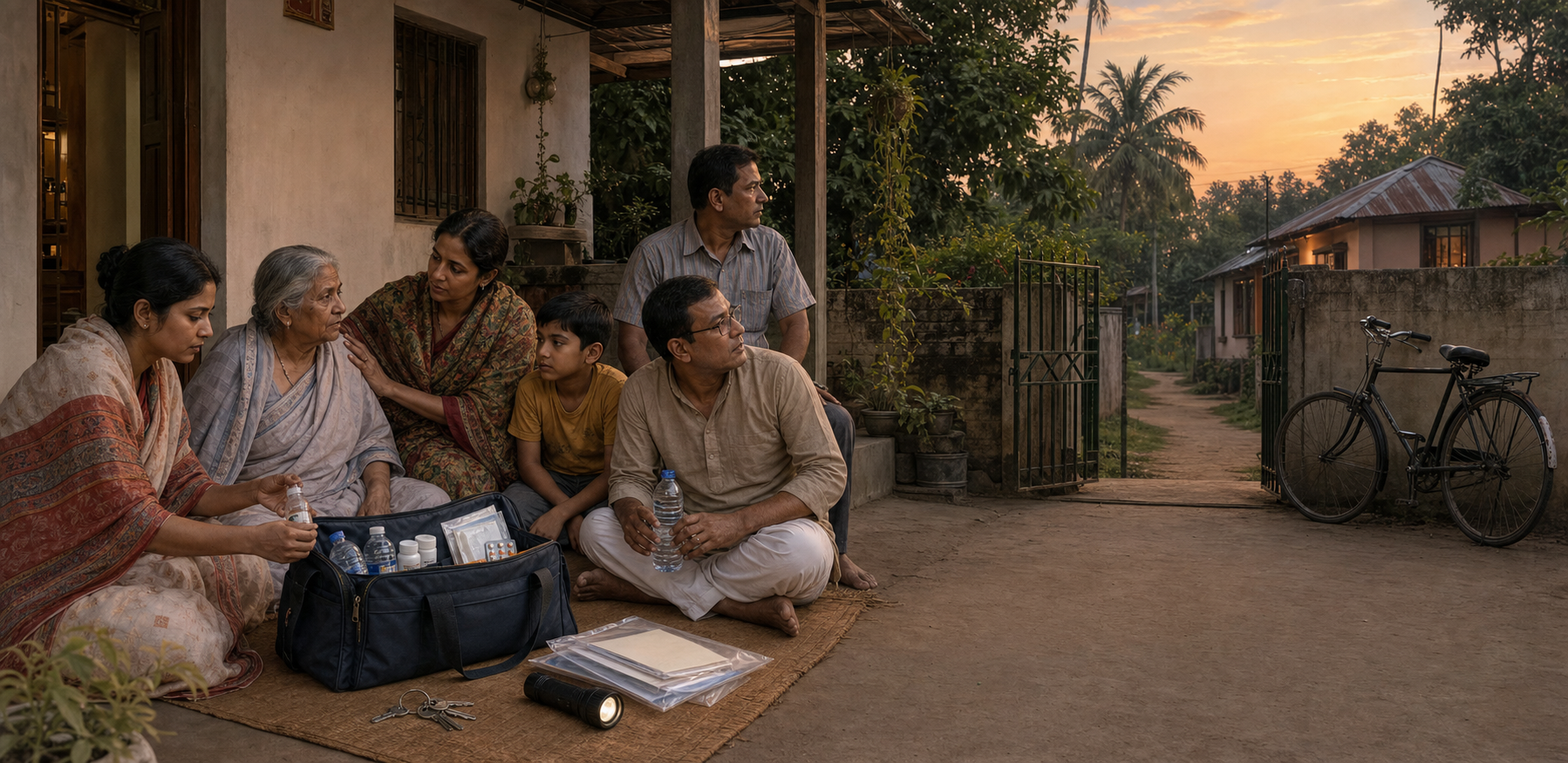
If a late-night message says that violence has occurred near your Hindu relatives in Bangladesh, your first job is not to argue about the message online. You need to establish whether anyone faces immediate danger, who can verify the location, and where the family can go if remaining there becomes unsafe.
That preparation is not alarmism. On January 2, 2026, Hindu businessman Khokon Chandra Das was reportedly stabbed and set on fire before escaping by jumping into a pond. Community accounts described his assault as the fourth targeted attack on a Hindu within roughly two weeks. Those claims warrant urgent precautions and credible investigation, but they do not by themselves establish a complete national picture. You can take the danger seriously without turning uncertainty into rumour.
Key takeaways
- Separate every response into three tasks: immediate safety, verified documentation, and accountable follow-up.
- Choose one local family coordinator and one backup outside the immediate area before an emergency occurs.
- Agree on check-in rules, two possible safer destinations, and the conditions that would trigger a move. Never move through active violence merely to follow a plan.
- Put rescue and medical care ahead of photography, interviews, fundraising, or social-media publication.
- Record information under three labels: confirmed, corroborated but incomplete, and unverified.
- Demand identifiable actions such as an impartial investigation, survivor support, witness protection, community policing, and public case updates.
- Condemn anti-Hindu violence without assigning guilt to an entire religious community. Neighbours from other communities can be rescuers, witnesses, hosts, and partners in prevention.
Judge the danger by proximity and verification, not virality
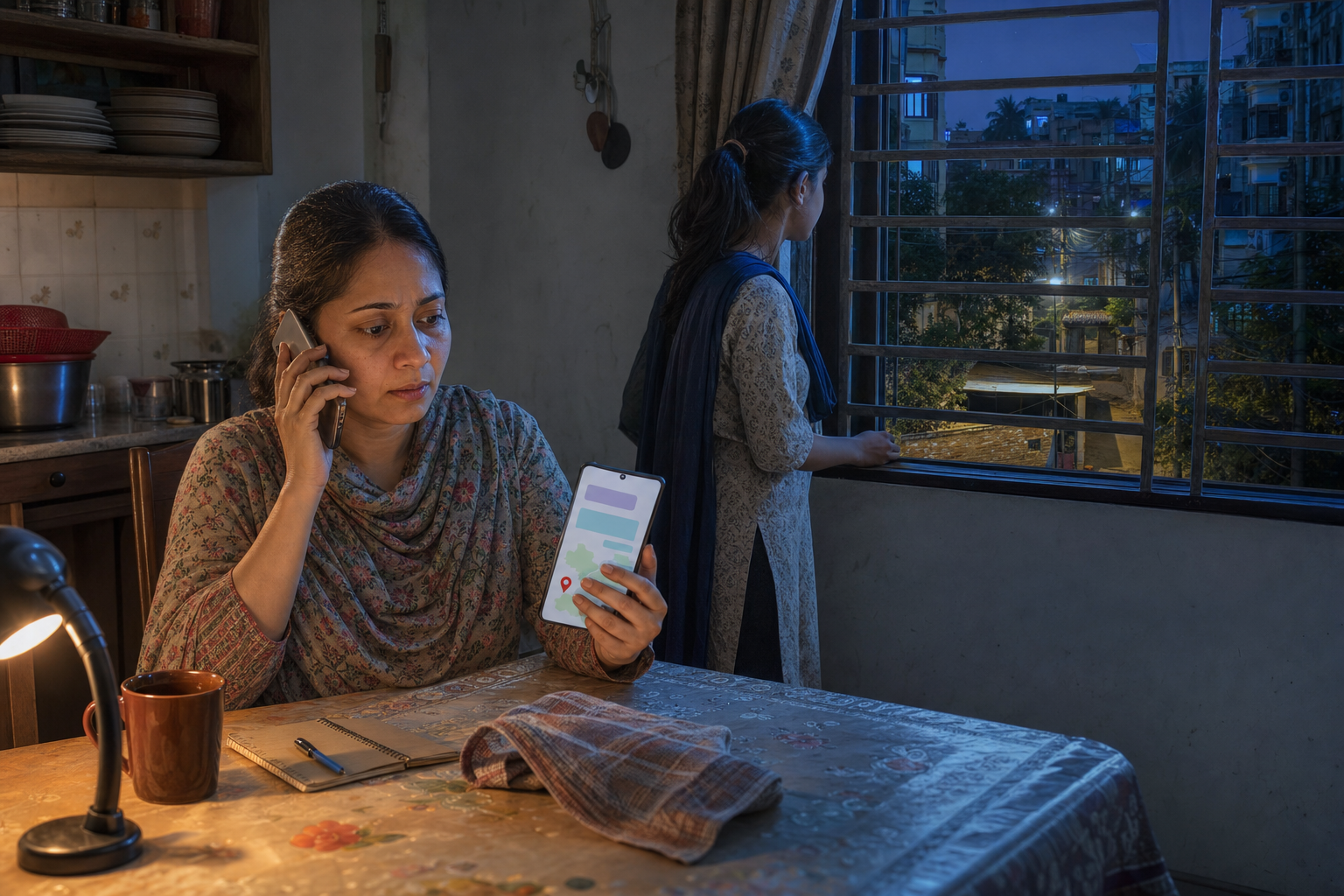
A widely forwarded video can be less useful to your family than one direct call from a known neighbour. Circulation tells you how much attention a claim has received; it does not tell you whether the event is current, nearby, or accurately described.
Use three working labels in your family or community log:
- Confirmed: a named coordinator has spoken directly with an affected person, checked an original record, or verified the essential facts through a known local contact.
- Corroborated but incomplete: more than one independent, identifiable contact agrees on the core event, but important details such as motive, injuries, identities, or case status remain unresolved.
- Unverified: the claim comes from an anonymous account, forwarded message, cropped image, undated recording, or a person repeating what someone else allegedly saw.
The label should travel with the claim. Do not upgrade a report simply because several accounts copied the same wording. Ten forwards can still originate from one unverified message.
Next, assess the situation around the person rather than the drama of the content. Ask whether there has been a direct threat, whether verified violence affects the route they use, whether a safer destination is actually accessible, and whether anyone in the household needs help moving. Older people, children, injured people, and people with disabilities may require a different plan from an able-bodied adult living alone.
If violence is occurring at the location, immediate medical help and physical safety take priority. Leaving may be safer when there is a clear route to a prepared destination; sheltering may be safer when the route itself is exposed. A distant relative or online group cannot make that judgment from a screenshot. The local coordinator should decide with people who can see current conditions and contact emergency services or law enforcement when doing so does not create additional danger.
Finally, distinguish a warning signal from a population-wide conclusion. The January attack and the locally described cluster are grave. Yet comprehensive national data would still be needed to establish prevalence, geographic concentration, changes over time, and the relationship among cases. This distinction protects credibility. It also prevents an attacker, partisan account, or rumour network from controlling your decisions through fear.
Build a family-and-neighbour protection network now
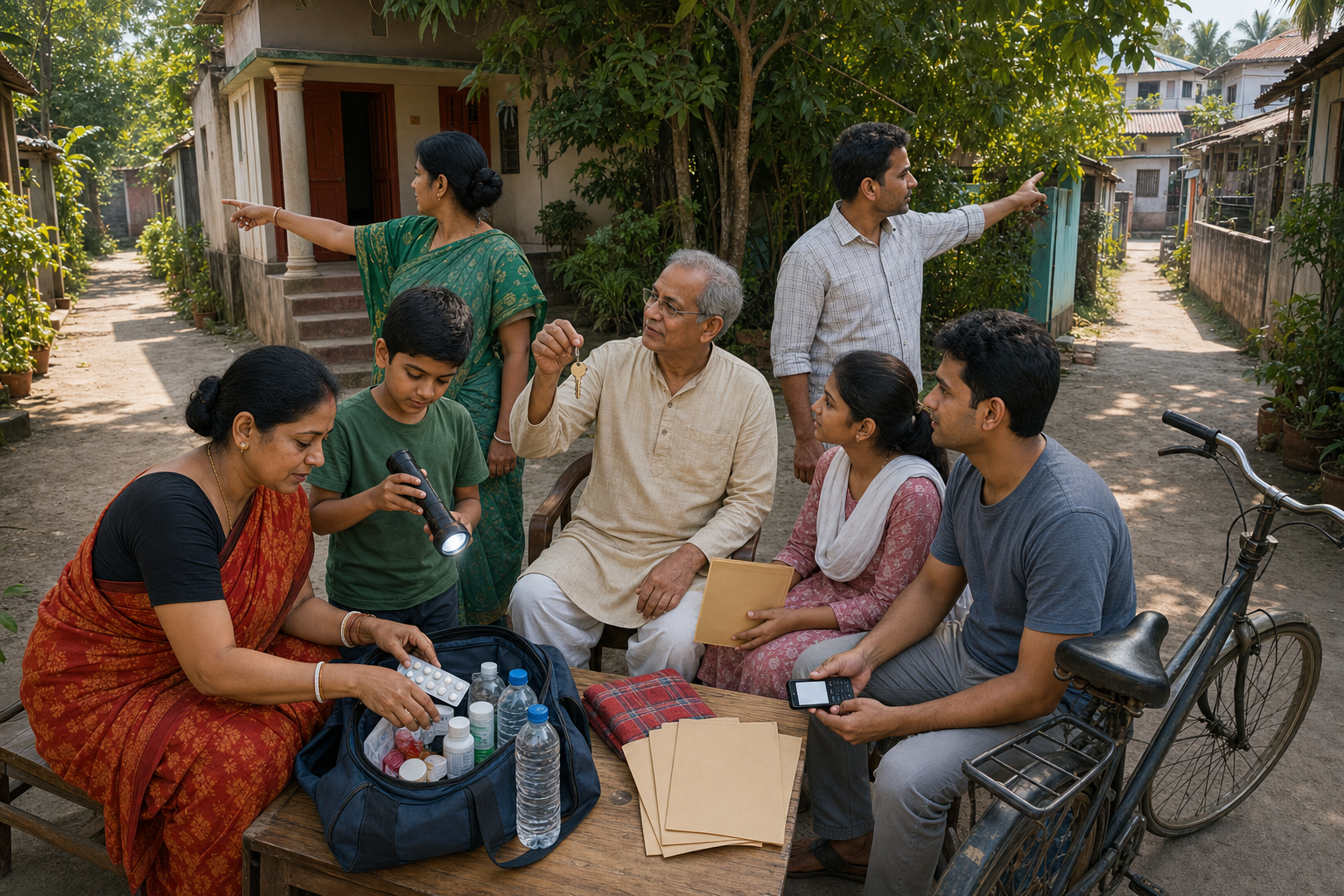
A security plan that exists only in one person’s head will fail when that person cannot answer the phone. Write a short plan, share it only with the people who need it, and rehearse the communication chain without publishing household locations.
- Name two coordinators. Choose one trusted person in the locality and one backup outside the immediate area. The local coordinator checks conditions; the backup preserves contacts, records, and updates if communications become difficult.
- Set a check-in protocol. Agree on ordinary check-in times, the first person to contact after a missed check-in, and a simple phrase that signals the speaker cannot talk freely. Do not put sensitive addresses or travel plans in a large public group.
- Identify two possible destinations. Confirm in advance that the hosts are willing and that the routes are different. A temple, community hall, police facility, or prominent Hindu-owned property should not be assumed safe merely because it is familiar; current local conditions must decide.
- Plan for the least mobile person. Assign who will assist children, older relatives, injured people, or anyone with a disability. Keep essential medicines, identification, necessary phone numbers, and charging equipment accessible rather than scattered across the home.
- Build the contact chain. Include nearby medical care, local emergency services, law enforcement, trusted neighbours, community leaders, and any established legal-aid or rights organization available in that area. Check that the numbers still work.
- Agree on escalation triggers. A verified nearby attack, direct threat, blocked route, or loss of contact should lead to a pre-agreed response. An unverified forwarded message should trigger verification, not automatic movement through potentially unsafe streets.
- Walk through the plan. Ask who makes the first call, who helps the vulnerable person, who secures documents, and who communicates with relatives abroad. Fix any step that depends on one unavailable person.
Routine journeys deserve special attention because they create predictable exposure. During heightened local risk, shopkeepers can use opening and closing check-ins, avoid closing alone, and confirm the return journey before locking up. Students and workers can travel with a known companion where practical. These measures should respond to verified local conditions rather than become permanent restrictions imposed by fear.
Community early warning must remain protective and non-confrontational. A small network can verify alerts, help families reach care, record incidents, and relay information to authorities. It should not become an armed patrol, a vigilante group, or a vehicle for identifying suspects online. Confrontation can expose volunteers, destroy evidence, and turn an unverified accusation into further violence.
Include trustworthy neighbours of other faiths wherever possible. The January case also highlighted the importance of residents and emergency responders helping an injured victim reach medical care. A neighbour who knows the street may be able to warn of a blocked route, offer temporary shelter, summon assistance, or provide a witness statement. Solidarity is not a sentimental extra; it is part of practical security.
After an attack, protect life, evidence, and witnesses
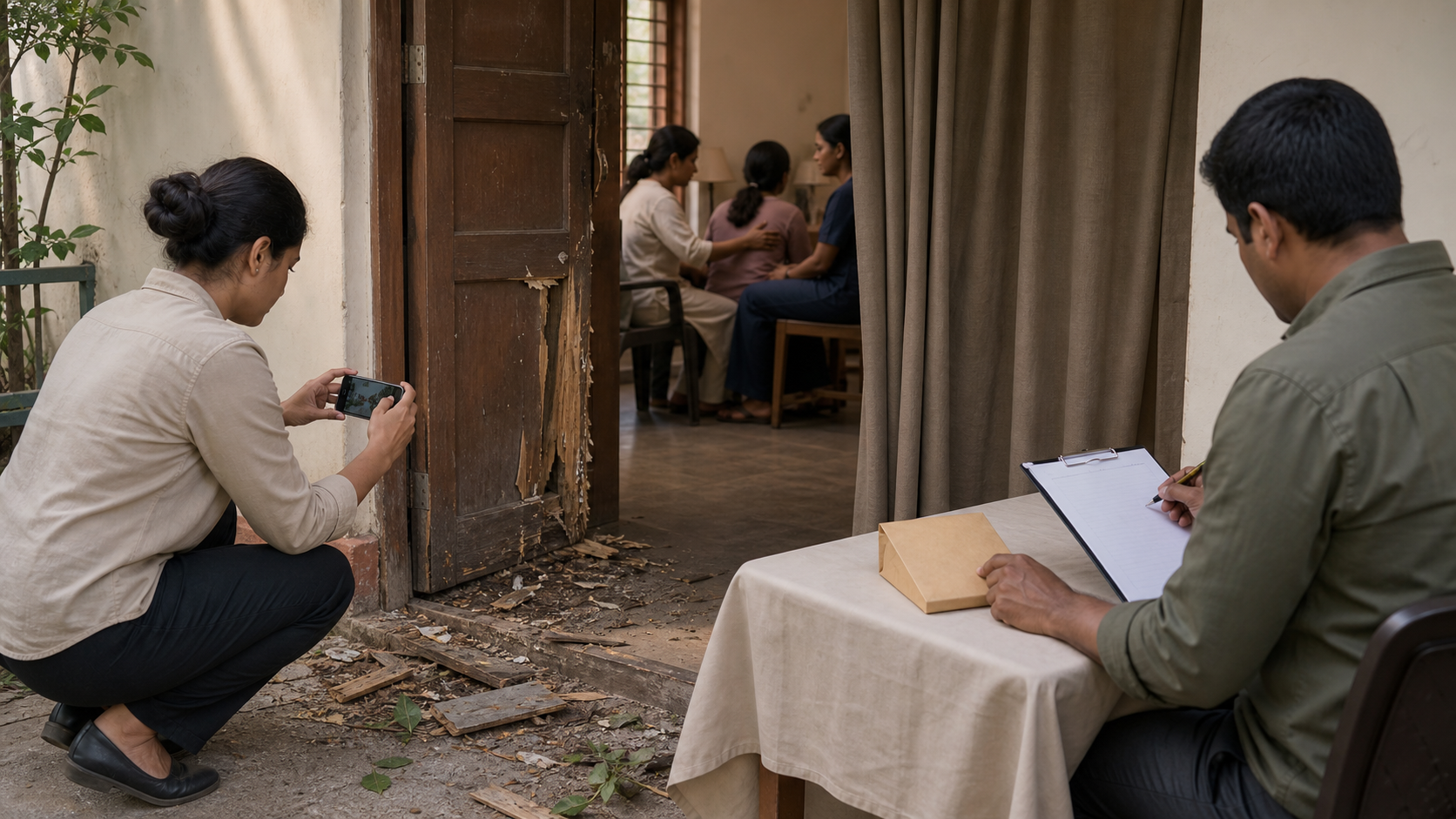
The first response should reduce harm. Move the injured person away from immediate danger when that can be done safely, obtain emergency medical care, and avoid crowding the victim. Do not delay treatment to record a statement or produce content for social media.
Once urgent care is underway, appoint one person to maintain an incident record. A disciplined record is more useful than dozens of overlapping messages. It should separate direct observation from interpretation and include:
- the date, approximate time, and precise location of the incident;
- what each witness directly saw or heard, recorded separately;
- a factual description of people, vehicles, weapons, damage, or direction of movement, without guessing identities or motives;
- the victim’s injuries and the medical facility providing care;
- the names and contact details of witnesses who consent to being contacted privately;
- photographs, recordings, messages, or documents in their original form where safely available;
- the date and method of any report to authorities, along with the case or receipt number if one is issued; and
- what remains unknown or disputed.
Keep an original copy and a secure backup with the designated coordinator. Do not repeatedly edit an original image or recording. If a public version is necessary, work from a copy and remove details that reveal a survivor’s location, a witness’s identity, a child’s identity, or a planned escape route.
Consent matters even when the cause is just. Graphic images can humiliate a survivor, distress relatives, expose a witness, or complicate an investigation. Ask before publishing a victim’s name, medical information, testimony, or photograph. If the victim cannot consent, keep the public statement to the minimum verified facts and the specific help or official action being requested.
A survivor may need medical treatment, psychosocial care, legal assistance, and protection from renewed intimidation. The family should not have to retell the attack to every visitor, activist, and media contact. Designate one consented liaison. A local lawyer or qualified rights organization should advise on filing procedures and disclosure because legal requirements and personal risks vary by case.
Witness protection should be requested before witness names are publicized. A person who is prepared to testify privately may withdraw after being exposed online. Protecting confidentiality is therefore not secrecy for its own sake; it preserves the possibility of truthful evidence and due process.
Make accountability measurable without widening communal harm

General demands for justice are easy to acknowledge and easy to ignore. A stronger campaign asks for actions that a family, community organization, journalist, or policymaker can later verify.
- Has an impartial investigation been opened, and is there an identifiable authority responsible for it?
- Is there a safe channel through which the family or its lawyer can receive case updates?
- Has the survivor received access to medical, psychosocial, and legal support?
- Can witnesses provide information confidentially, and what protection is available if intimidation occurs?
- Have temporary community-policing or early-warning measures been considered in the affected locality?
- Will authorities publish sufficiently detailed, privacy-respecting information to show whether incidents are being recorded and followed through?
- Are minority-protection measures being assessed against Bangladesh’s constitutional guarantees and international human rights standards?
Diaspora groups can help by maintaining one verified case brief rather than multiplying emotional versions of the same event. The brief should state what is confirmed, what is still alleged, what the family has consented to disclose, what authorities have done, and what action remains outstanding. Log each response and follow-up. This turns concern into a record that cannot be satisfied by a vague assurance.
Accuracy is also a form of protection. Do not assign a motive that has not been established, identify an alleged attacker without adequate evidence, or circulate unrelated footage as proof. Correct a false claim even when it appears to support your side. Credibility lost in one careless campaign can weaken the next family’s legitimate appeal.
A pro-Hindu response does not require collective suspicion of Muslims or any other community. It requires an unambiguous insistence that Hindu life, worship, livelihood, property, and equal citizenship are not negotiable. Collective blame can isolate the very neighbours who might provide shelter, evidence, or de-escalation, while giving actual perpetrators room to disappear inside a wider communal confrontation.
Dharmic values give this work a disciplined moral form. Ahimsa rejects retaliatory harm without demanding passivity. Karuna and daya place the survivor ahead of spectacle. Seva becomes transport to medical care, accompaniment through official procedures, careful documentation, legal-aid referrals, and protection for a frightened witness. These principles make solidarity operational.
Before the next alert, hold one family call. Name the coordinators, confirm two possible destinations, establish the check-in rule, and decide who will preserve records. A community body can adopt a standard incident form and seek a named liaison with local authorities. A diaspora group can agree that nothing identifying a victim or witness is published without verification and consent. Preparedness will not remove the threat, but it can remove avoidable confusion when lives, evidence, and public trust are at stake.
References
