
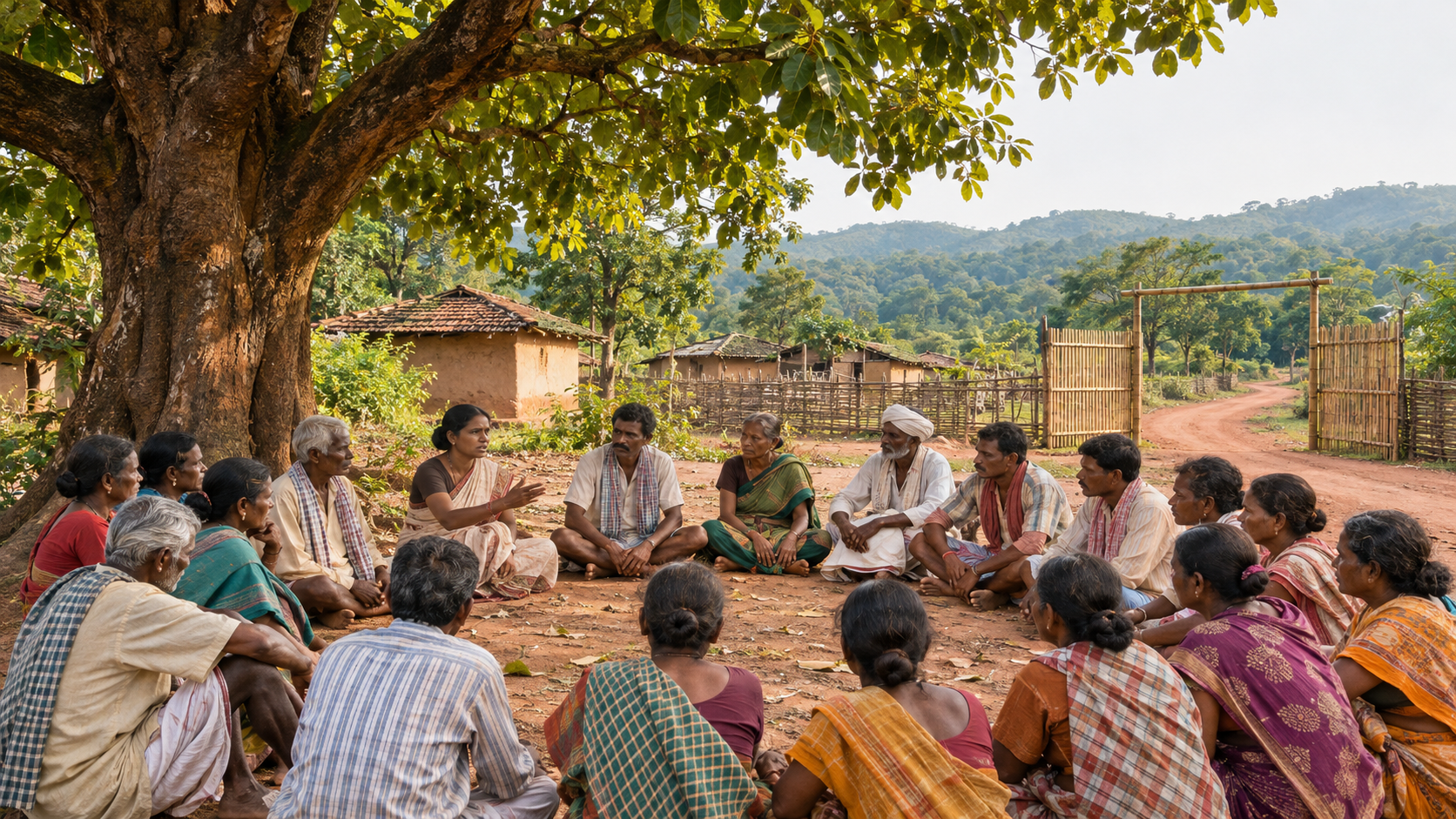
You may have seen a no-entry board from Jashpur and wondered whether a gram sabha can use PESA to keep missionaries out. The careful answer is that Jabla has made a clear collective assertion in defence of tribal culture, but a village board does not by itself settle every question about the restriction’s legal scope or enforcement.
That distinction matters whether you support the decision, oppose it, report on it or live under it. You need to know what the gram sabha decided, what conduct it says it is preventing and which questions still require an administrative or legal answer.
What Jabla and the four earlier villages decided
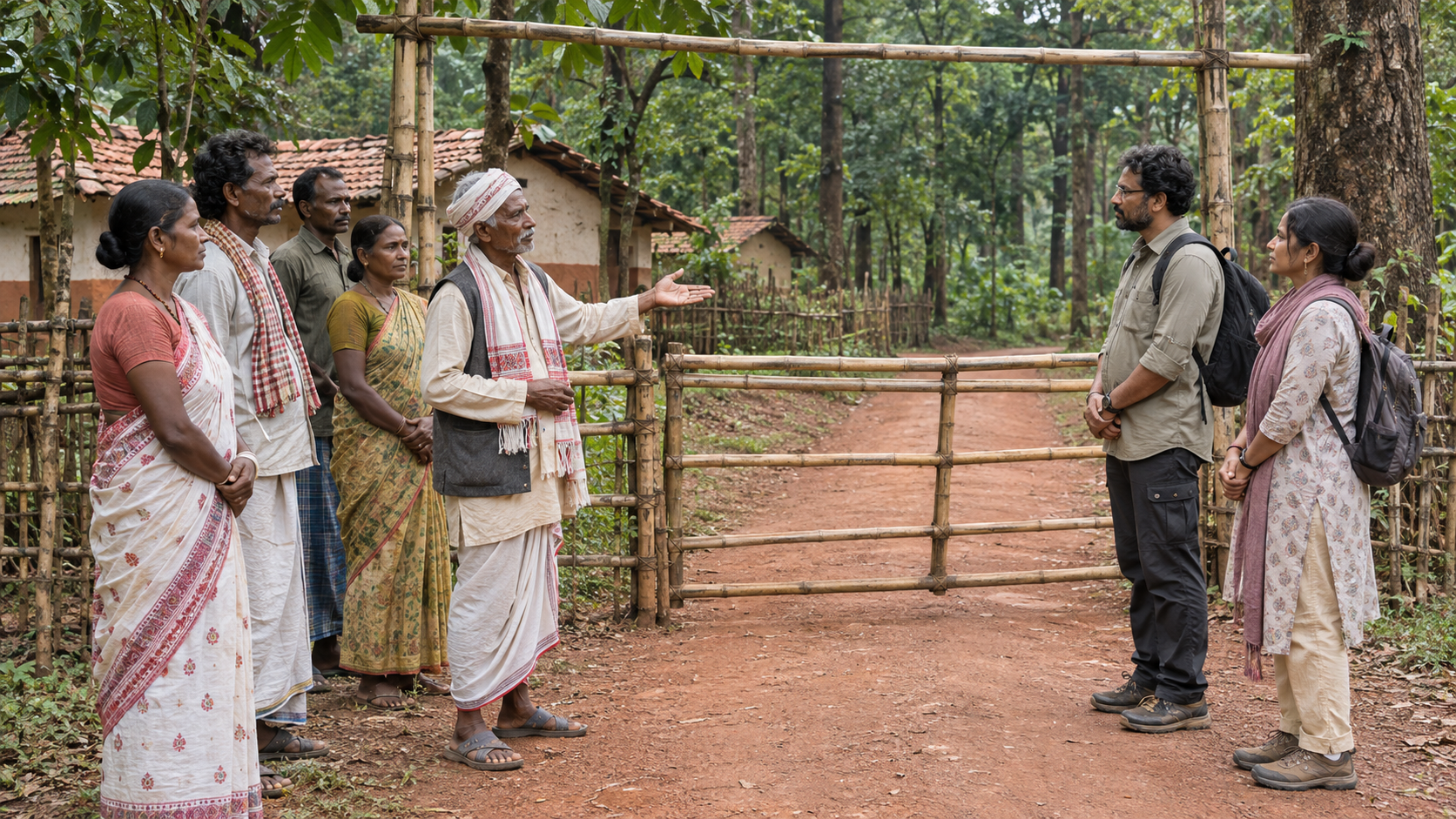
Jabla, near the Jashpur district headquarters, is the fifth village in the area reported to have adopted this approach. Its gram sabha passed a resolution barring fathers, pastors and sisters from entering the village, and a no-entry board was installed to announce the decision.
The resolution also addresses healing meetings and prayer meetings when they are held for the purpose of religious conversion. This is an important part of the stated rationale. The villagers are not merely making an abstract declaration about religious difference; they say they are responding to activities they associate with conversion.
Sogda, Chadiya, Dumartoli and Tempu had reportedly taken similar steps before Jabla. Residents have described themselves as choti-wale tribal people and declared that they will neither convert nor permit others to conduct conversion in their village. That language reveals the cultural anxiety behind the decision: the villagers understand religious continuity, inherited custom and community identity as connected rather than separable concerns.
Three elements should therefore remain distinct in your mind:
- The gram sabha adopted a collective resolution and displayed a public notice.
- The stated concern is conversion activity, including conversion-oriented healing or prayer gatherings.
- The wording described publicly also excludes people by religious role: fathers, pastors and sisters.
The third element is why the exact text matters. A restriction on a specified activity and a blanket exclusion based on a person’s religious office are not the same measure, even when both arise from the same cultural concern.
What the PESA justification establishes, and what it does not
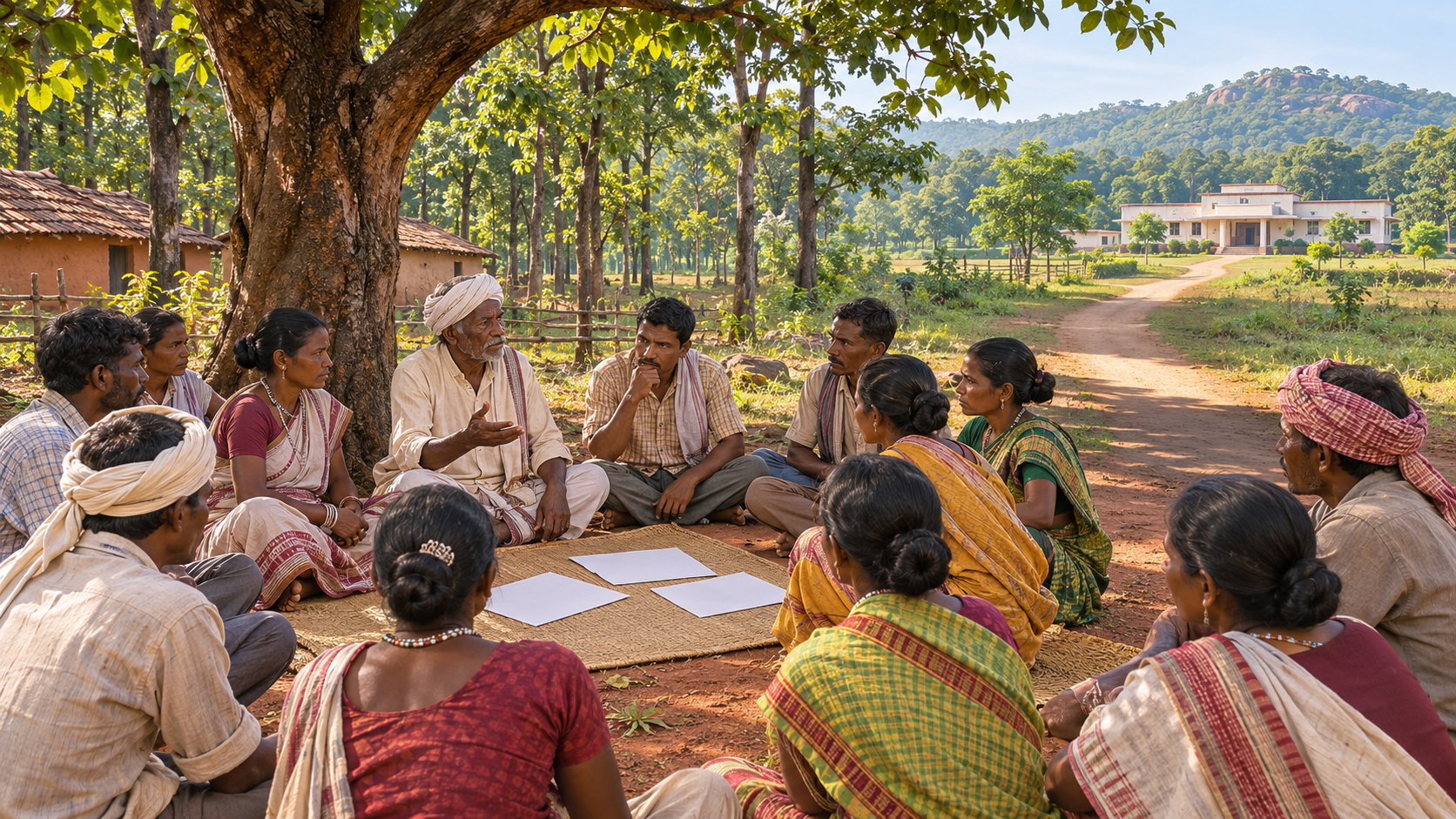
Jashpur legislator Raimuni Bhagat has defended the action on the ground that PESA gives gram sabhas in notified areas authority to protect their culture and traditions. That is the central justification being advanced for the village resolutions.
The principle deserves serious treatment. A gram sabha in a tribal area is not merely a ceremonial gathering. When villagers deliberate over threats to their customs, their voice cannot be dismissed as ignorance or reduced automatically to communal hostility. Cultural self-government has substance only when a community can identify pressure on its inherited way of life and respond through an accountable collective process.
But two propositions must not be collapsed into one:
<!– wp:list {
Leave a Reply
You must be logged in to post a comment.