
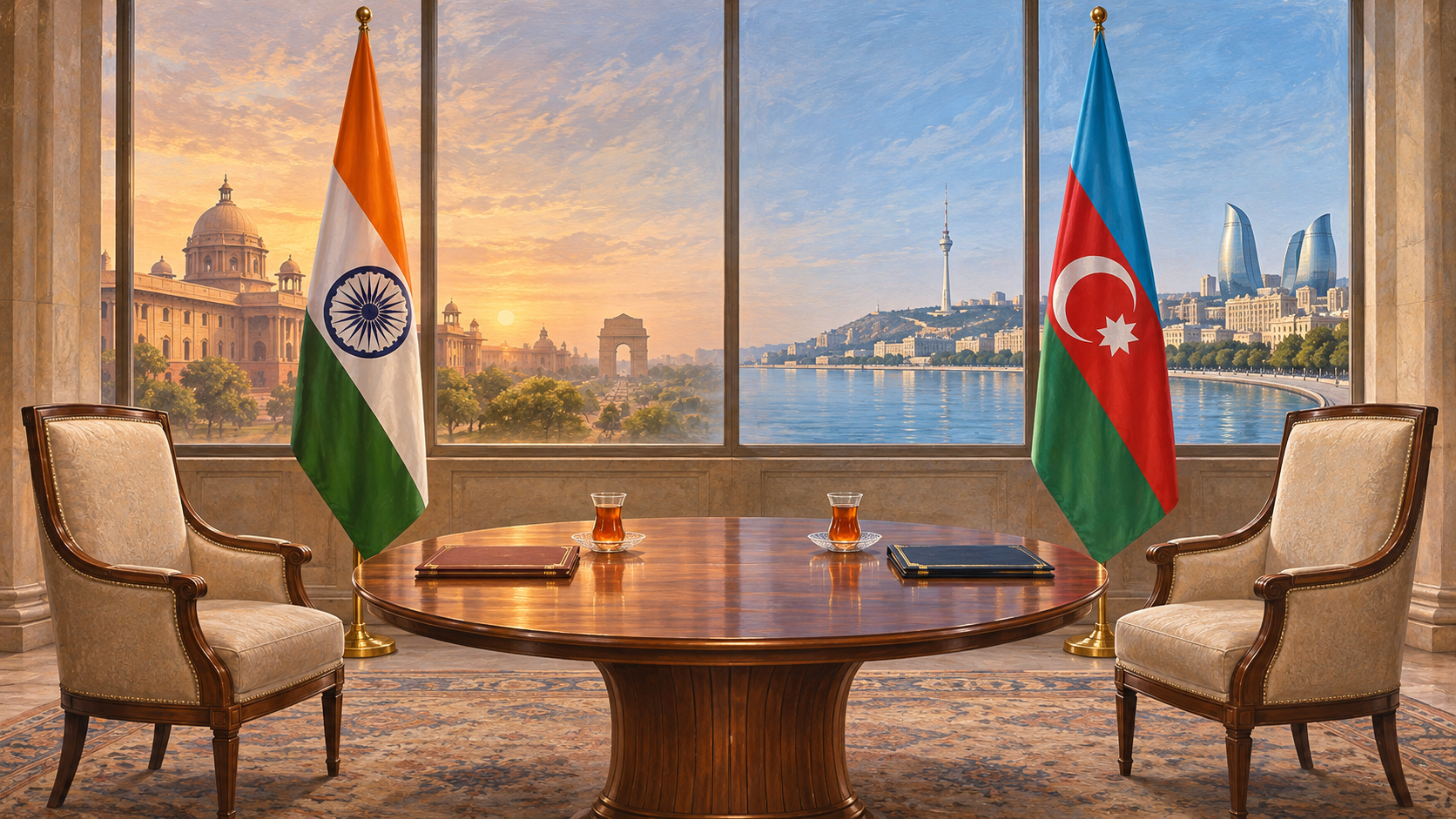
If you are asking whether Baku has chosen Bharat over Pakistan and Turkiye, the answer is no. What has changed is narrower but still important: India and Azerbaijan have reopened a senior political channel after a period in which Kashmir and Karabakh complicated the relationship.
That distinction should shape how you read External Affairs Minister S. Jaishankar’s visit. It is credible evidence of a diplomatic reset, but not yet proof of a strategic realignment. The real test will be whether cordial meetings produce regular engagement, usable transport links and greater respect for each country’s core concerns.
The visit created political room, not an alliance
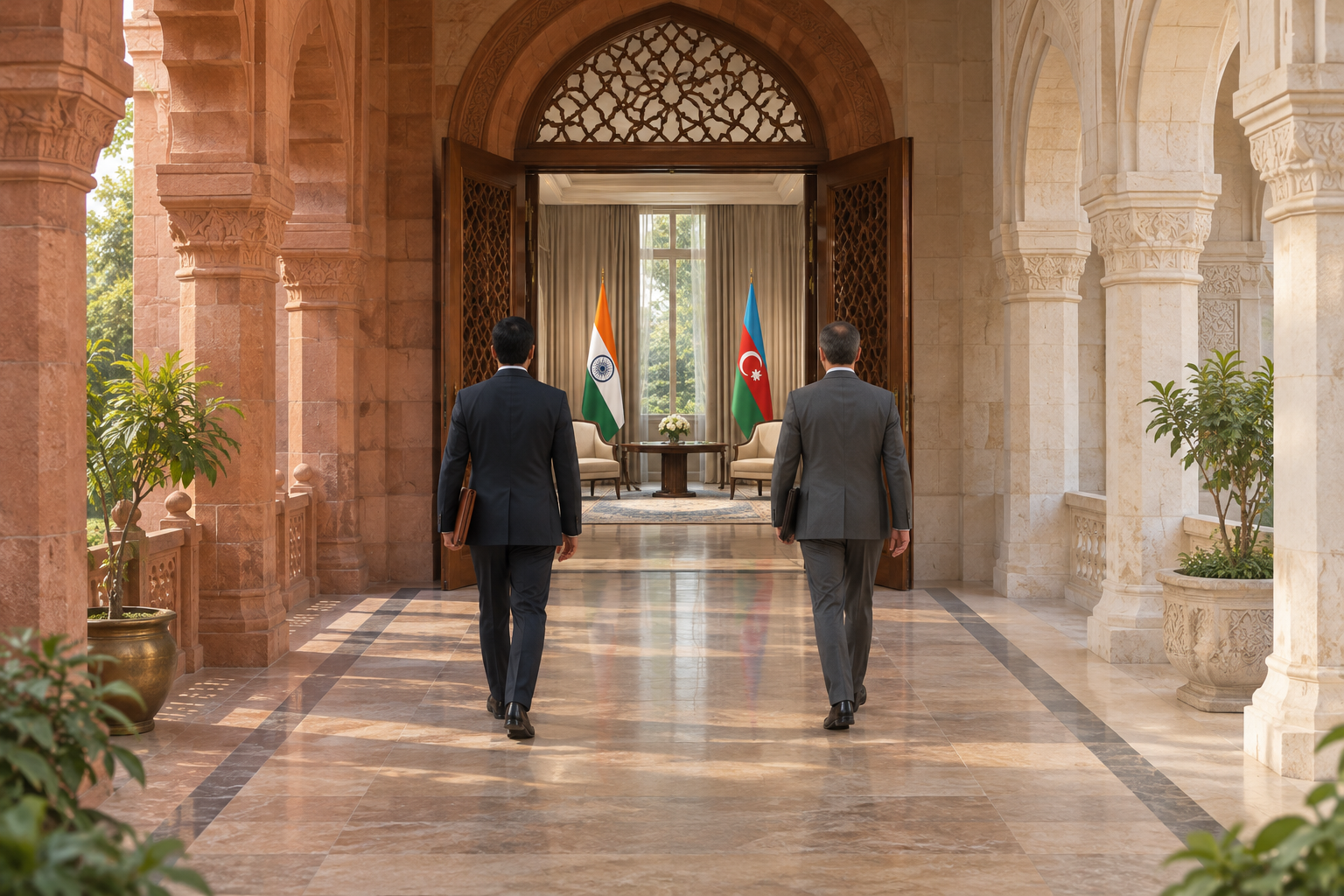
Jaishankar’s trip was the first stand-alone visit by an Indian external affairs minister to Azerbaijan since his predecessor’s visit in 2018. He met both his Azerbaijani counterpart and President Ilham Aliyev. That presidential meeting matters because it placed the relationship above the level of routine diplomatic maintenance.
Aliyev conveyed a positive view of the shared effort to strengthen bilateral relations, and Jaishankar publicly welcomed it. This is the clearest immediate result: both governments have authorised a warmer relationship at the highest political level.
Do not read more into that language than it can carry. A meeting establishes access. It does not bind Azerbaijan to India’s position on Pakistan, separate Baku from Ankara or erase disagreements connected with Kashmir and Karabakh. Nor does it mean India has endorsed every Azerbaijani regional position. The useful label is reset, not alliance.
For a reader assessing future headlines, the practical question is therefore not whether another friendly statement appears. Ask whether the reset survives the next disagreement. Durable relationships allow governments to contest one issue without suspending cooperation everywhere else.
Connectivity is the strongest reason for the reset to endure
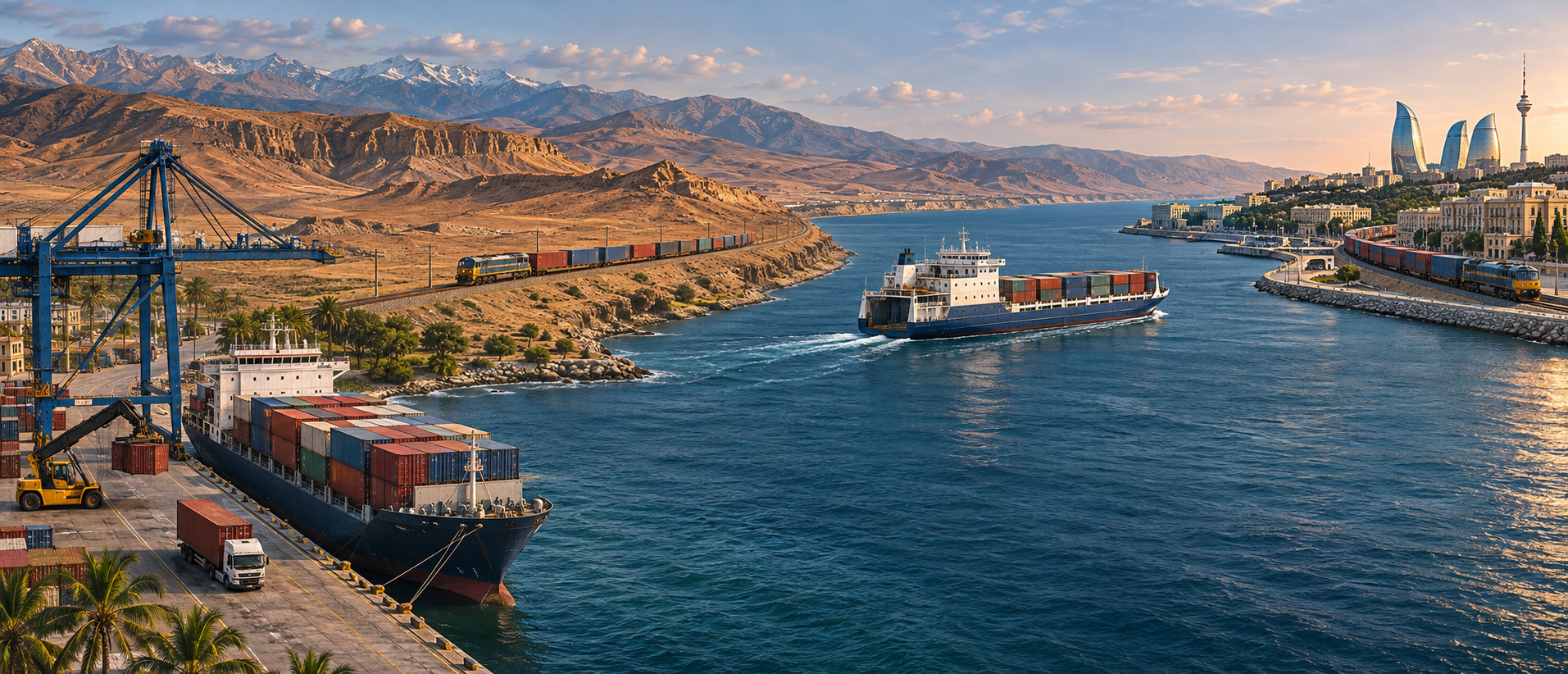
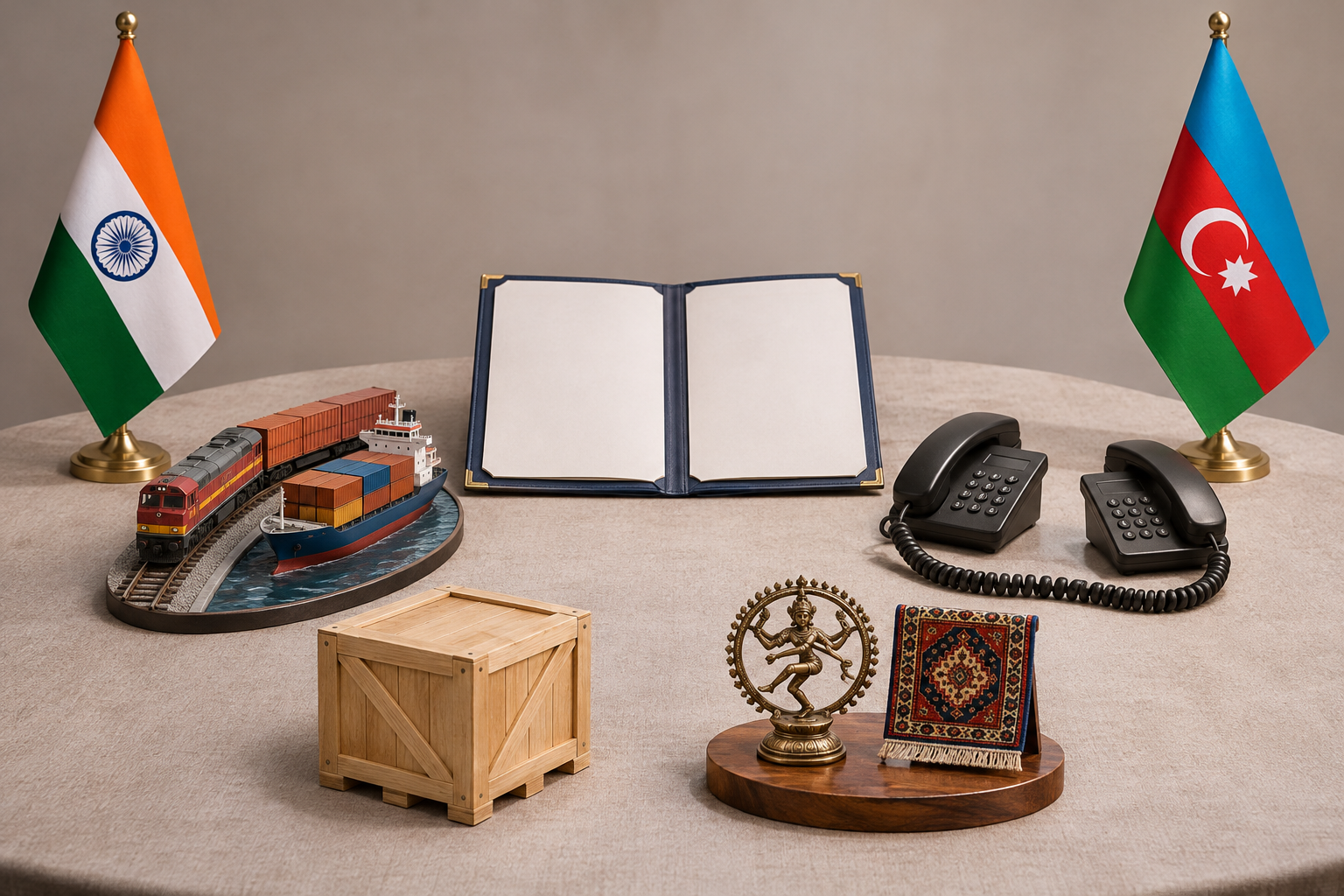
The International North-South Transport Corridor, or INSTC, gives both countries a material reason to keep talking. Bharat is one of the corridor’s anchors, while Azerbaijan sits along its western branch and connects toward Central Asia. This makes Baku more than a political interlocutor: it can serve as a western economic gateway for a larger network linking South Asia, Iran, the South Caucasus and Central Asia.
That geography is the most convincing part of the rapprochement because it does not require either side to abandon existing partners. India gains another connectivity option. Azerbaijan gains access to Indian economic weight and a wider set of regional relationships. Central Asian states gain more than one possible direction for reaching external markets.
Yet a corridor on a map is not the same thing as a working commercial route. Its value depends on unglamorous details: border procedures, customs coordination, predictable schedules, compatible documentation, trans-shipment arrangements and businesses willing to use the route. Diplomatic language can open the door, but repeated movement of goods is what makes the relationship costly to neglect.
If you want to judge whether the visit has produced substance, look for operational announcements rather than another memorandum by itself. A route, timetable, customs mechanism, logistics partnership or documented commercial movement would tell you more than expansive language about friendship.
Baku is adding options, not replacing old partners
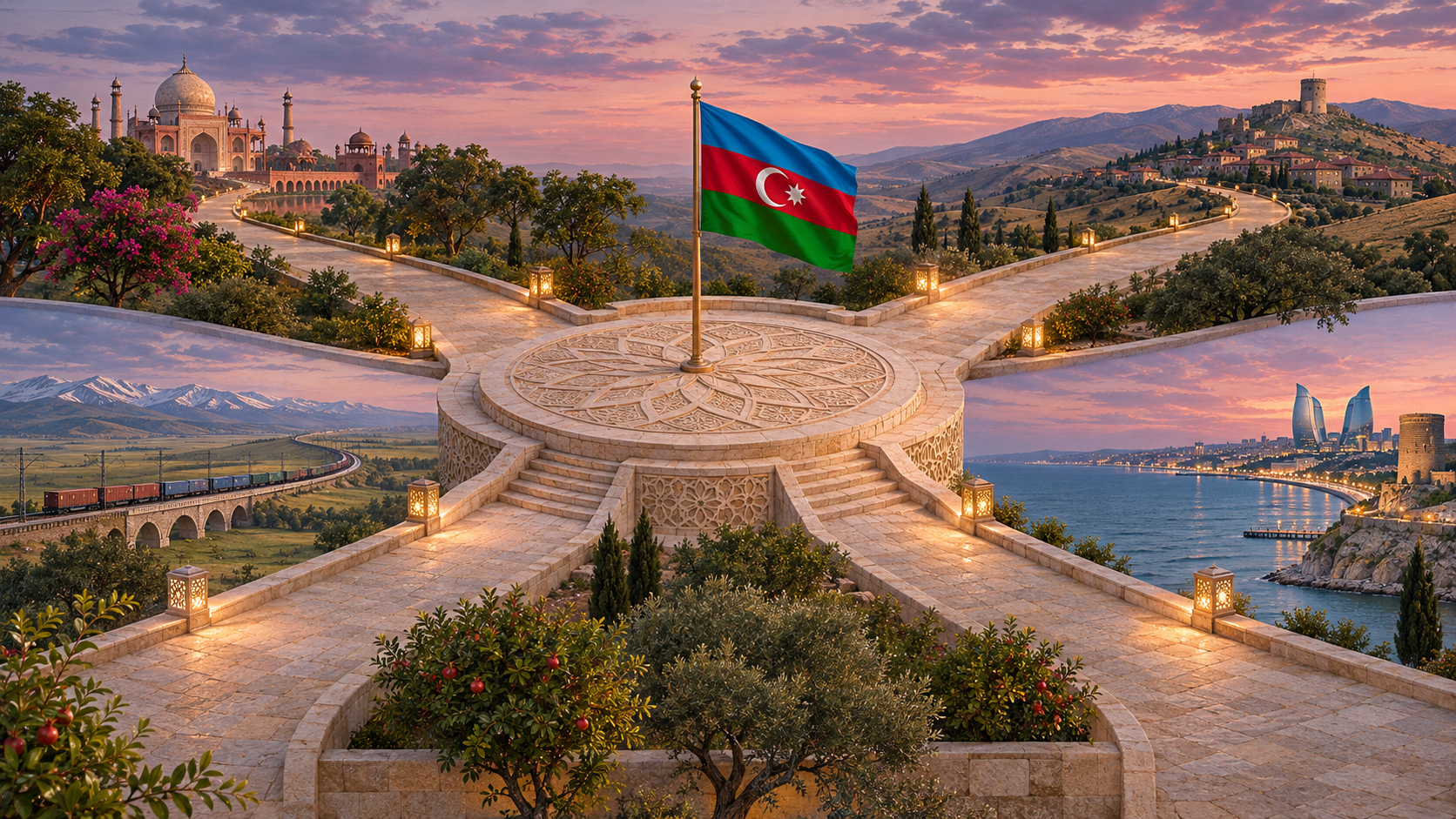
Azerbaijani foreign policy cannot be understood through a simple India-versus-Pakistan frame. Baku has a close relationship with Turkiye, developed strong ties with Pakistan during the 2020 Karabakh war, maintains important links with Israel and must manage a sensitive neighbourhood relationship with Iran. Engagement with Bharat adds another axis to that network.
One plausible interpretation is that Aliyev wants more room for manoeuvre. A productive relationship with India could reduce excessive reliance on any single partner. Cooperation through the INSTC could also give Azerbaijan and Iran a shared economic interest despite the suspicions produced by Baku’s closeness to Israel. This is strategic diversification, not a camp change.
That difference matters for Bharat. India does not need Azerbaijan to repudiate Turkiye or Pakistan before pursuing useful cooperation. It does need Baku to show that those partnerships will not automatically turn every India-related question into a hostile one. Strategic autonomy is valuable only when it changes conduct.
Some interpretations of the visit go considerably further. Jaishankar may have discussed the risks that instability in Afghanistan poses to Central Asia, and India possesses deep knowledge of Pakistan’s regional methods. But no confirmed outcome presented from the visit establishes that he briefed Aliyev on a Pakistani proxy campaign. The idea that Aliyev might then restrain President Recep Tayyip Erdogan from supporting Pakistani or anti-Taliban forces is more speculative still. Treat both as possible scenarios, not as accomplished diplomacy.
This evidence discipline is especially important for a pro-Bharat audience. Optimism becomes useful only when it helps us identify opportunity without mistaking another country’s tactical flexibility for loyalty to India.
Key takeaways for reading the relationship clearly
- The reset is genuine but limited. The presidential meeting and positive bilateral language reopen political space; they do not constitute an alliance.
- The INSTC is the best test of seriousness. Working customs, logistics and commercial arrangements would turn geographic compatibility into a durable interest.
- Azerbaijan is likely seeking additional options. Better relations with Bharat can diversify Baku’s partnerships without ending its close ties with Turkiye, Pakistan or Israel.
- Iran and Central Asia belong in the analysis. Azerbaijan’s western position and Iran’s southern connectivity role can complement India’s wider engagement with Central Asia.
- Afghanistan-related briefings and Turkish-drone scenarios remain unproven. They should not be reported or repeated as outcomes of the visit.
- Conduct matters more than symbolism. Follow-up diplomacy, operational transport measures and less adversarial handling of core sensitivities would demonstrate real change.
Five signals that would show the reset is becoming durable
You do not need to guess whether the relationship is improving. Watch for a sequence of observable developments.
- Regular high-level follow-up. One visit can be exploratory. Recurring ministerial contact and functioning bilateral mechanisms would show that engagement has become policy rather than an isolated opening.
- Operational INSTC progress. Look for specified routes, customs procedures, logistics arrangements, schedules or commercial participation. These details distinguish an economic corridor from a diplomatic slogan.
- More careful treatment of sovereign sensitivities. India and Azerbaijan need not adopt identical views on Kashmir and Karabakh. Progress would mean handling those differences without allowing third-country partnerships to dominate the bilateral relationship.
- Independent Azerbaijani choices. The strongest sign of diversification would be Baku cooperating with Bharat when doing so does not perfectly match the preferences of Ankara or Islamabad.
- Compatible engagement with Iran and Central Asia. If Azerbaijan’s western-gateway role begins to complement Iran’s southern access and India’s Central Asian outreach, the relationship will have acquired a regional economic logic larger than any single dispute.
Use these signals as an evidence ladder. Meetings and warm words sit on the first rung. Repeated official engagement comes next. Operational connectivity and independent policy choices sit higher. Claims that Baku has entered an Indian camp should require the strongest evidence of all.
Bharat’s sensible course is patient engagement without romantic expectations. Keep the channel with Aliyev open, concentrate on transport and trade that create mutual stakes, and discuss regional security without demanding theatrical declarations against Azerbaijan’s established partners. The next meaningful development will not be a more enthusiastic adjective in a communique. It will be a mechanism, route or policy choice that still works when India and Azerbaijan disagree.
References

Leave a Reply
You must be logged in to post a comment.