

You are probably here for one practical answer: when should you plan for Sabarimala Makarajyothi in 2027? Put January 14, 2027 on your calendar. If you intend to travel, however, that date is only the anchor. It is not a complete pilgrimage schedule.
The sound way to prepare is to keep two layers in your plan: one confirmed observance date and one provisional layer for travel, access, accommodation and the surrounding festival days. That distinction protects you from turning a reliable date into an unreliable itinerary.
Key takeaways for Makarajyothi 2027
- Sabarimala Makarajyothi falls on January 14 in 2027.
- The occasion is observed in January near the Sabarimala Ayyappa Temple and is associated with Makara Sankramana.
- The wider festival is described as lasting about a week, but that does not establish its exact opening and closing dates.
- Use January 14 as the fixed point and keep the rest of your itinerary flexible until detailed arrangements are confirmed.
- Before paying for inflexible travel, verify the schedule, access conditions, transport arrangements and any applicable registration requirements through current official notices.
What the January 14 date confirms

Makara Jyothi Darshanam is an annual January observance near the Sabarimala Ayyappa Temple. In 2027, the central calendar date is January 14. The wider celebration is a week-long festival generally associated with Makara Sankramana.
Those facts give you three distinct planning elements. January 14 is the confirmed anchor. The week-long description gives you the broader festival frame. Exact daily timings, opening and closing dates, and visitor arrangements remain separate operational details.
Do not create a seven-day range simply by counting outward from January 14. The phrase “week-long” does not tell you whether the central darshan day comes at the beginning, middle or end of the wider program. Any range calculated that way would be an assumption, not a confirmed schedule.
Build a two-layer pilgrimage plan
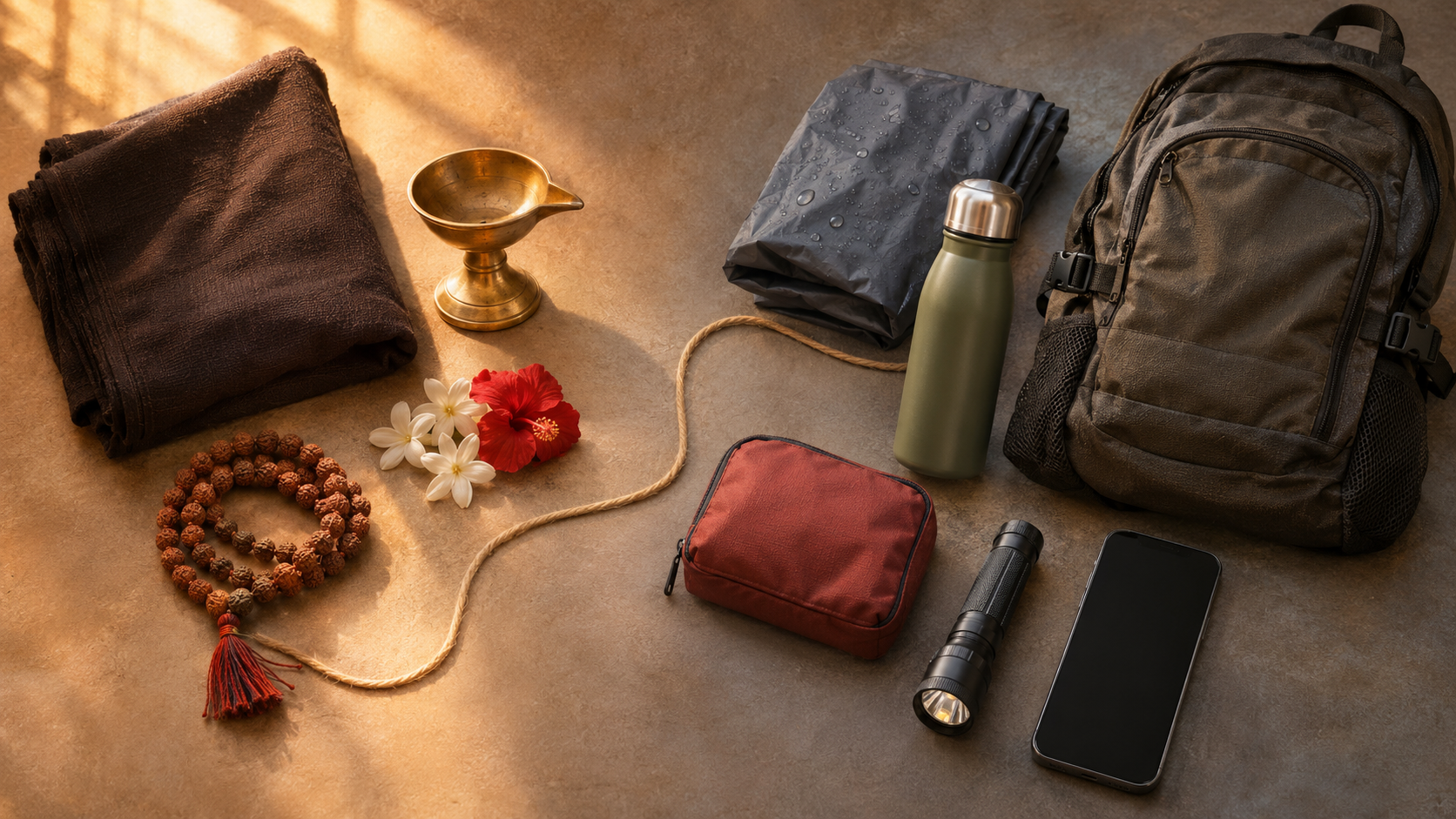
The date tells you when the observance falls; it does not tell you when you should arrive or depart. Treat spiritual intention and travel execution as connected but separate decisions.
- Decide what you are planning for. Are you seeking to be present specifically for the January 14 observance, to participate during the wider festival period, or to mark the day from home? Your answer determines which details still need confirmation.
- Create two calendar entries. Mark January 14, 2027 as confirmed. Create a separate tentative entry for the travel window, without assigning exact festival boundaries that have not been verified.
- Separate flexible commitments from fixed ones. Research routes, leave from work and possible accommodation early, but avoid treating an unverified arrival date as final. Where practical, favor arrangements that can be changed until the detailed program is known.
- Give one person responsibility for updates. If you are traveling as a family or group, appoint one coordinator to record the current notice, its date and its link. This prevents different members from building plans around conflicting forwarded messages.
- Confirm before converting the plan into bookings. Replace each tentative item only after its corresponding schedule or access detail has been verified.
This method also makes changes easier to absorb. If an operational notice affects transport or access, you adjust the provisional layer without disturbing the central purpose of the journey.
Verify these details before you commit
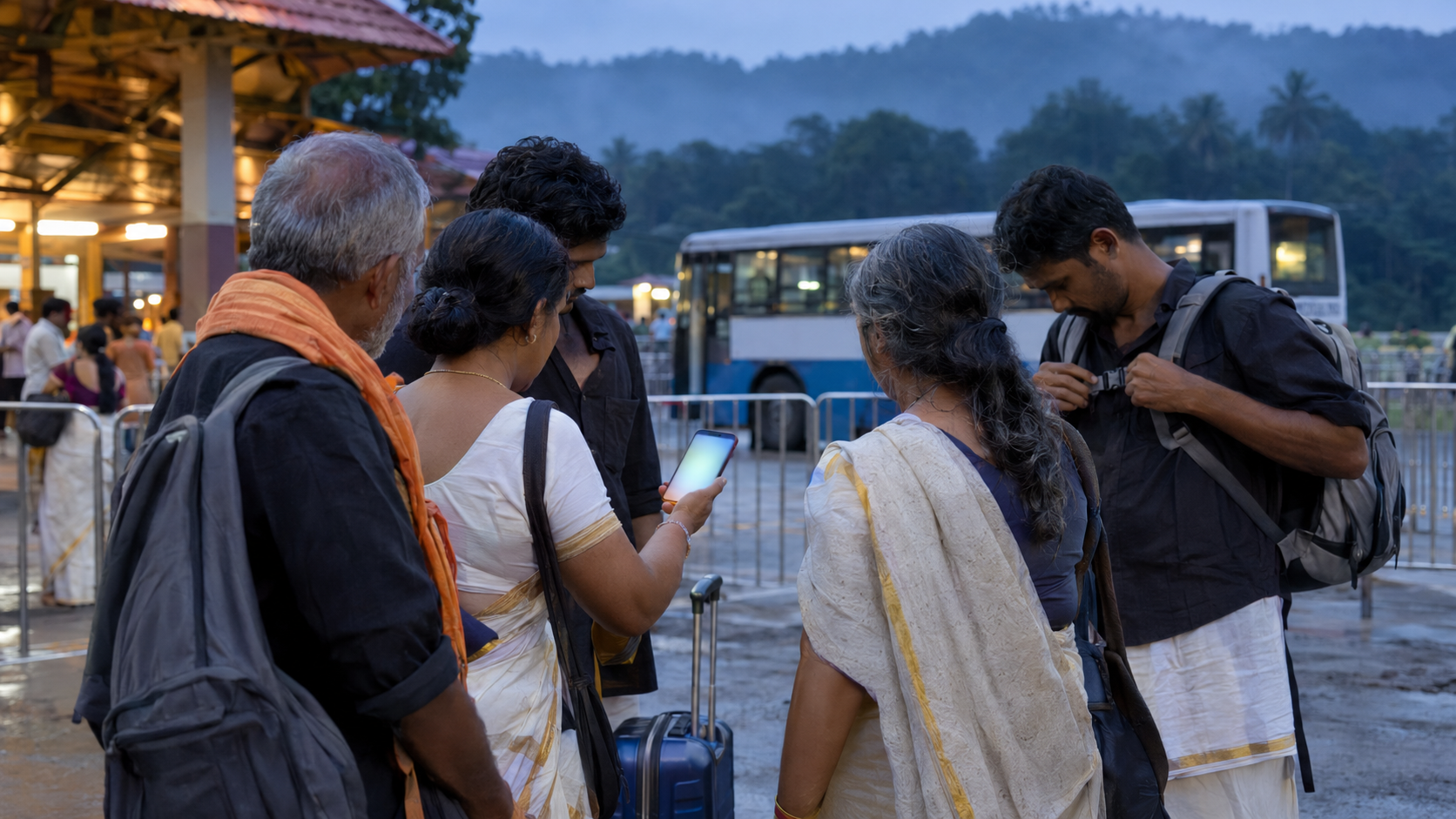
A festival date cannot answer every practical question about a temple journey. Before you make non-refundable commitments, check the points that could materially change your route or timing:
- The officially announced beginning and ending dates of the wider festival program.
- The exact timing and arrangements for the January 14 observance.
- Whether registration, passes, identity documents or other entry procedures apply.
- Which routes and modes of transport are permitted or recommended during the relevant period.
- Whether temporary traffic controls, boarding points or walking-access instructions affect your journey.
- Accommodation availability, check-in conditions and cancellation terms.
- Any current restrictions concerning baggage, food, devices or other carried items.
- Weather, safety and medical advisories relevant to your route and personal circumstances.
- Whether an official transmission or local temple program will be available if you are observing from home.
Prefer current communications from the temple administration and the relevant public authorities. Treat an undated screenshot or forwarded message as a prompt to investigate, not as confirmation. Check that a notice explicitly refers to 2027, matches the event and location, and comes from a verifiable channel.
Record the link and publication date in your shared plan rather than writing down only the instruction. Recheck close to departure, because transport, access and safety arrangements can be updated even when the festival date itself remains unchanged.
Keep the observance at the center of the plan

Travel planning should serve the sacred occasion, not consume it. Before building the itinerary, state the purpose of your observance plainly. If your family, guru, sampradaya or temple has established guidance for preparation and worship, follow that guidance instead of assembling a ritual checklist from miscellaneous travel messages.
If you cannot travel to Sabarimala, January 14 can still be observed deliberately. Reserve time for prayer and worship according to your tradition. Confirm any program at a nearby temple before going, and use official remote coverage if it is announced. Distance changes the logistics; it need not reduce the seriousness of the observance.
Put January 14, 2027 on your calendar now. Keep every surrounding travel date marked as tentative until the detailed schedule and access arrangements are confirmed. That simple discipline gives the pilgrimage room to remain both practical and prayerful.
References

Leave a Reply
You must be logged in to post a comment.