
If you are arranging puja, a sankalpa, or an Ekadashi vrata for Wednesday, November 4, 2026, one detail matters first: the lunar date changes during the civil day. Calling the entire date either Dashami or Ekadashi misses that boundary.
The practical reading is straightforward. Krishna Paksha Dashami prevails through the morning and ends at 1:18 PM in most regions. Krishna Paksha Ekadashi begins after that time. If your observance depends on the tithi at a particular moment, plan around the transition rather than relying on the date alone.
November 4 Panchang at a glance
Wednesday, November 4, 2026 falls under Krishna Paksha Dashami until 1:18 PM, followed by Krishna Paksha Ekadashi. Dashami is the tenth tithi of the waning half of the lunar month. Ekadashi is the eleventh.
This means the date has two distinct parts. Before the stated transition, Dashami is current. After it, Ekadashi is current. That distinction is more useful than attaching a single tithi label to the whole Wednesday.
Why one civil date contains two tithis
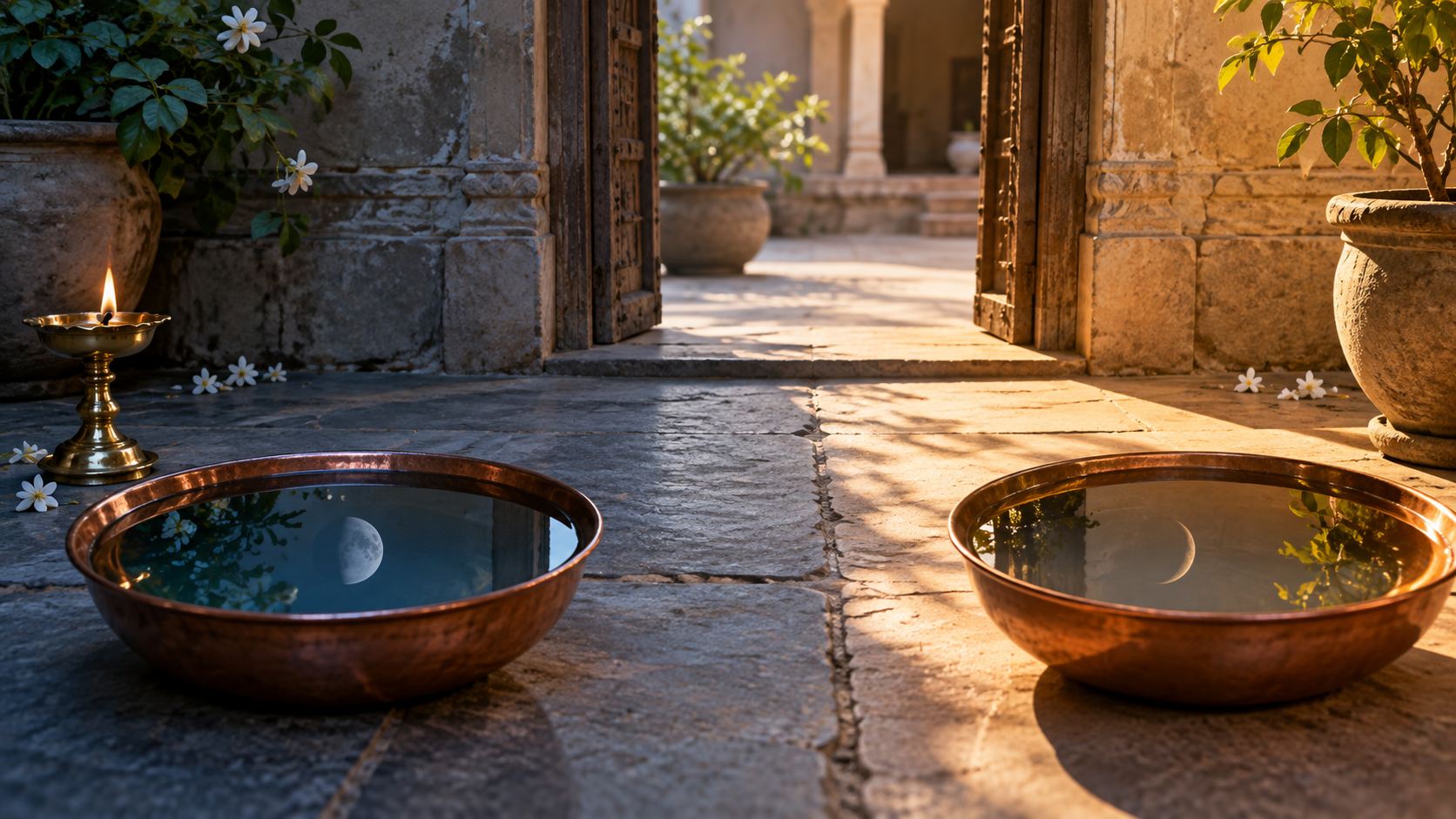
A civil date begins at midnight and ends at the next midnight. A tithi is a lunar day, so its boundary does not have to coincide with either midnight or sunrise. It can change in the morning, afternoon, evening, or night. That is why November 4 can be correctly described as both Dashami and Ekadashi, provided the time is also stated.
Krishna Paksha is the waning, or dark, half of the lunar cycle. The movement from Dashami to Ekadashi is therefore a normal progression from the tenth lunar day to the eleventh. It is not a contradiction between calendars.
The common mistake is to read the tithi printed beside a date as if it applied for all 24 hours. For this Wednesday, timing changes the answer. A morning sankalpa and a late-afternoon sankalpa may name different tithis even though the civil date remains November 4.
How to use the 1:18 PM transition
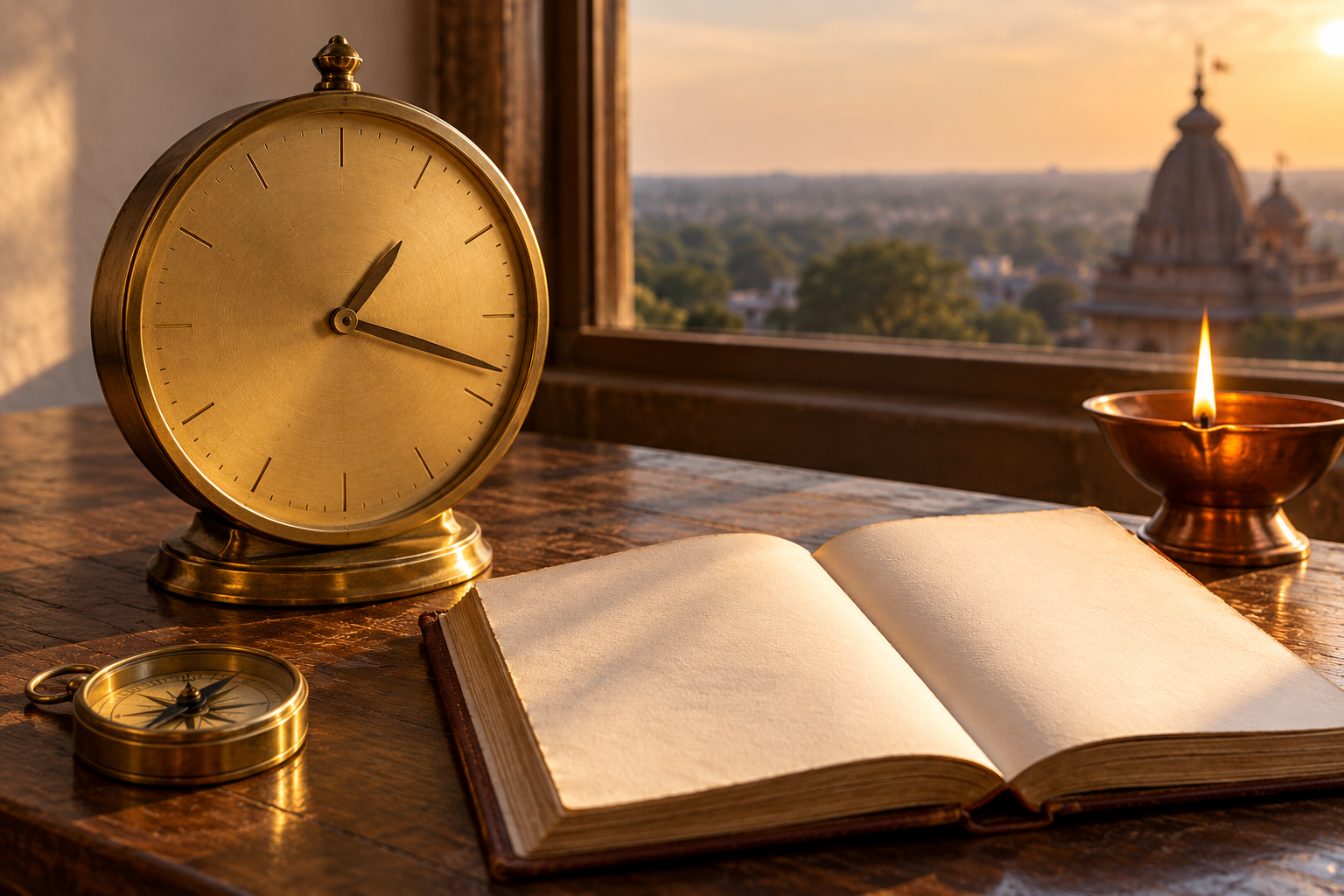
For a time-specific practice before 1:18 PM, use Dashami where this stated boundary applies. For a practice after the transition, Ekadashi is the current tithi. If you are recording the day in a diary, temple register, or family calendar, write the transition as “Dashami until 1:18 PM; Ekadashi afterward” rather than choosing only one name.
Do not automatically treat 1:18 PM as the instruction to begin an Ekadashi fast. A vrata can follow rules based on sunrise, the tithi’s presence across particular parts of the day, and the customs of a sampradaya or family tradition. The tithi transition tells you what lunar day is running; by itself, it does not settle every vrata rule.
If your observance depends on an exact minute, verify the calculation for your city. Panchang boundaries are location-sensitive, and a general time should not be transplanted blindly to another region. This matters especially if you are outside Bharat, travelling, or following a temple calendar prepared for a different location.
What the tithi change does not decide
A tithi boundary is not a complete muhurta. It does not, on its own, establish an auspicious time for a wedding, griha pravesh, major purchase, business opening, or another consequential ceremony. Such a decision requires the relevant location-specific Panchang details and the rules appropriate to the ceremony.
The transition also does not provide an Ekadashi parana time. Parana belongs to the completion of the vrata and requires the next day’s applicable timing. Do not infer it merely from Ekadashi beginning after 1:18 PM on November 4.
In the same way, no conclusion about nakshatra, rashi, Rahu Kalam, Abhijit Muhurat, or another daily window should be drawn from the tithi information alone. If one of those factors controls your decision, consult a complete Panchang calculated for the place where the observance will occur.
Key takeaways
- November 4, 2026 is a Wednesday.
- Krishna Paksha Dashami continues until 1:18 PM in most regions.
- Krishna Paksha Ekadashi begins after 1:18 PM.
- Use the before-or-after distinction when a practice depends on the tithi current at that moment.
- For fasting, parana, muhurta, or an exact local boundary, check the calendar followed by your city, temple, or sampradaya.
Before fixing your observance, put the city beside the date and confirm which rule your tradition follows. For November 4, the working sequence is clear: Dashami first, Ekadashi after 1:18 PM. The remaining decision is whether your practice follows the tithi at that moment or a tradition-specific sunrise rule.
References

Leave a Reply
You must be logged in to post a comment.