
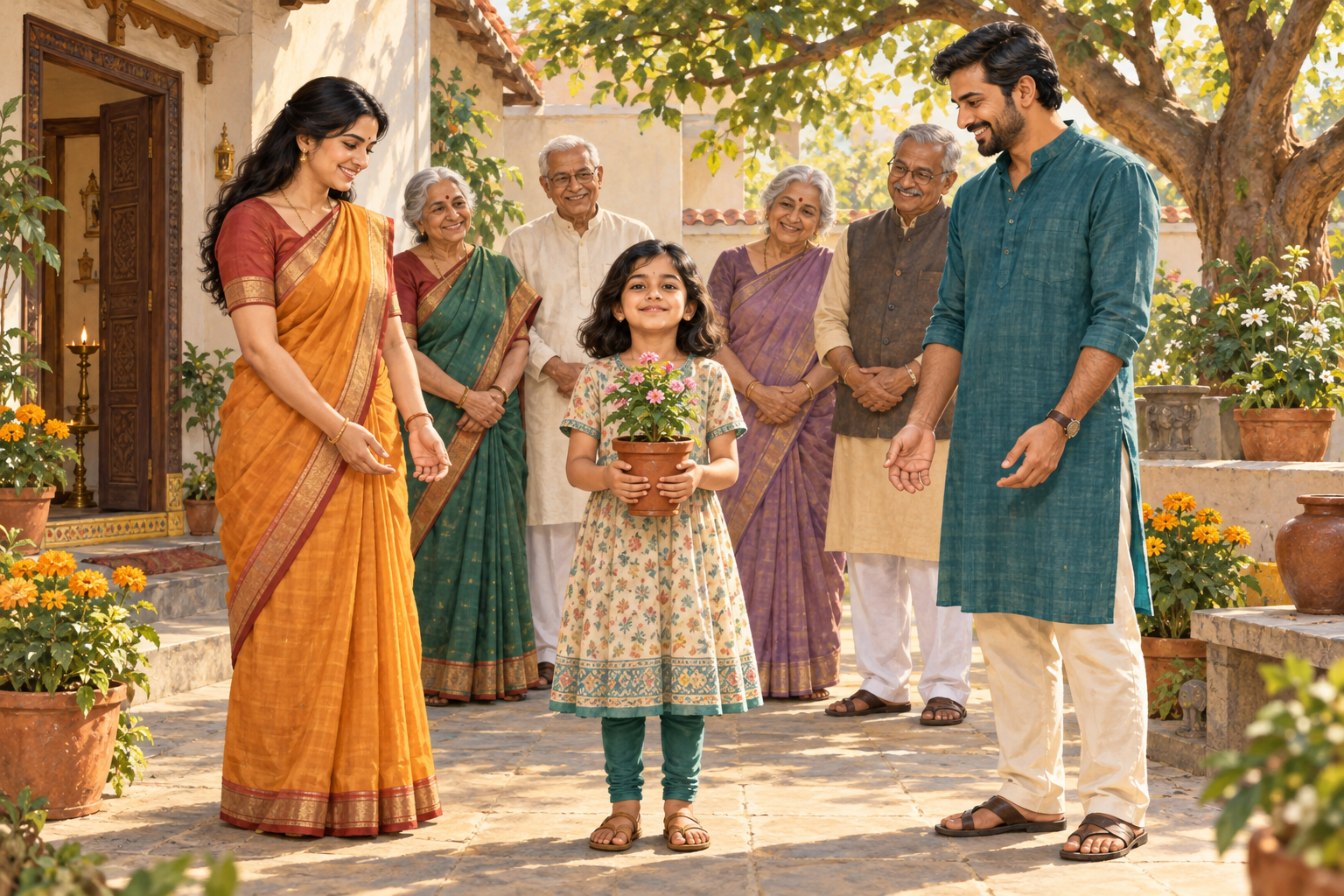
If you are facing a dispute over whether a child should remain with the mother or the father’s family, the word belong is the first trap. It can mean daily care, affection, legal authority, surname, inheritance, ritual responsibility, or cultural formation. Unless you separate those meanings, an adult asking for one role can sound as though he or she is entitled to the whole child.
A dharmic answer should begin by refusing that idea of ownership. A mother has a relationship that cannot be transferred. A father has one too; if he dies, the child’s connection to him and his family does not die with him. Grandparents and lineage matter, but the child remains a person rather than a vessel for adult grief or family prestige. Your task is to turn every claimed right into a definite duty and then choose the arrangement that preserves the child’s care, relationships, and future identity.
Belonging hides several different questions
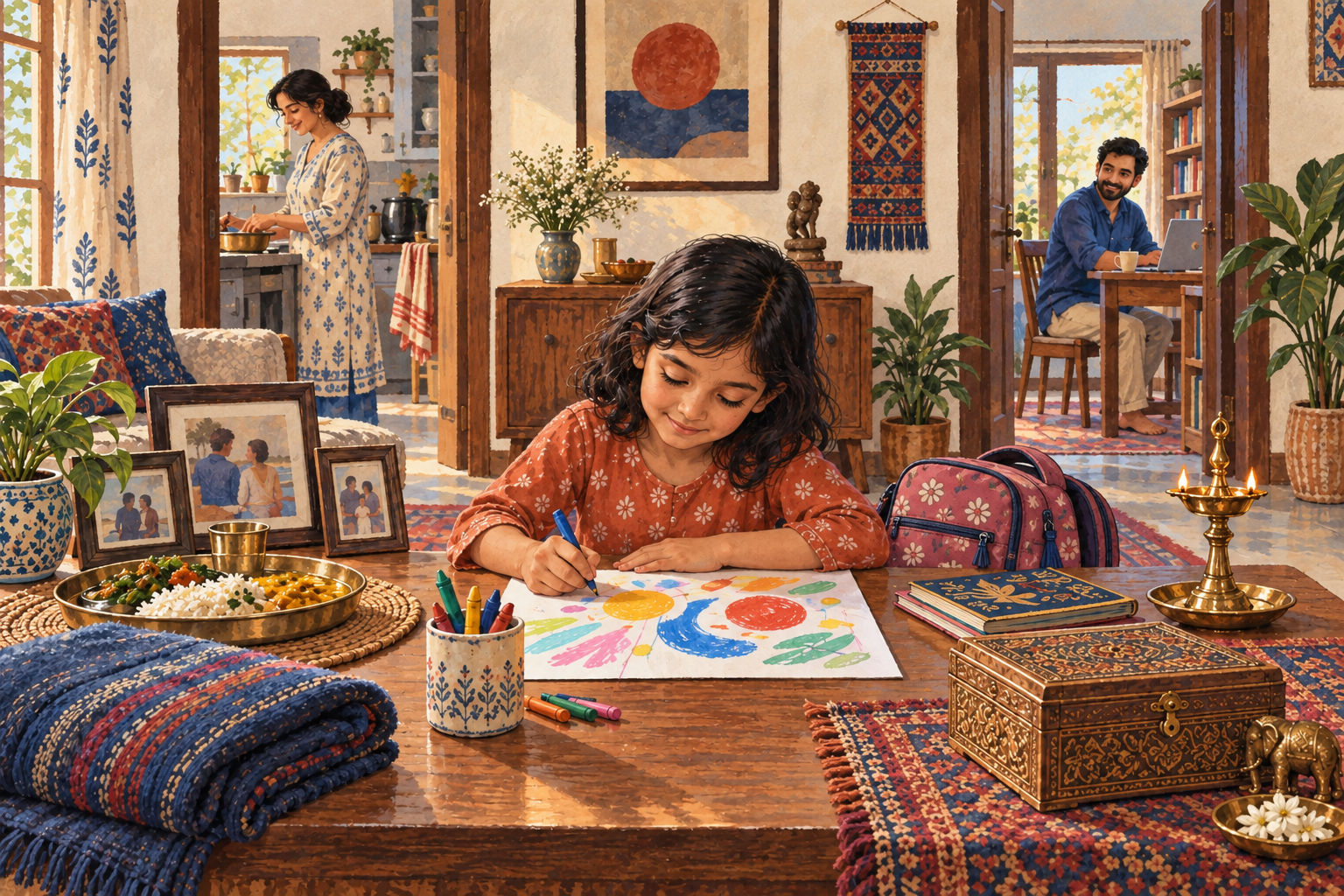
The conflict becomes especially sharp when a father dies, his widow wants to establish a new household, and the paternal family fears losing both their son and his child. That is the moral collision embodied by Katyayani, Chini, and Anna in S. L. Bhyrappa’s Vanshavruksha. The mother’s embodied bond confronts the grandparents’ conviction that their grandson carries a lineage that began before any one adult and should continue after them.
Both concerns are substantial. Neither settles the matter by itself. The dispute actually contains at least four questions:
- Who should provide the child’s daily care and stable home?
- Who may make important decisions for the child?
- Which relationships, memories, customs, and ancestral obligations should be preserved?
- What legal and financial rights or duties attach to the child?
These questions need not produce the same answer. A child may live primarily in one household without ceasing to be connected to another. A grandparent may have a profound moral relationship without possessing the same authority as a parent. An inheritance may come from one family without purchasing the child’s ritual obedience. Dharma becomes clearer when the family stops compressing all these matters into the sentence, “The child is ours.”
This also prevents a common confusion between legal power and moral responsibility. Law determines what adults may enforce in a particular jurisdiction. Dharma asks how they should use whatever authority they lawfully possess. A court order cannot answer every question of gratitude, memory, or family conduct, but an appeal to Dharma cannot be used to evade the law.
What the maternal, paternal, and child’s claims contain
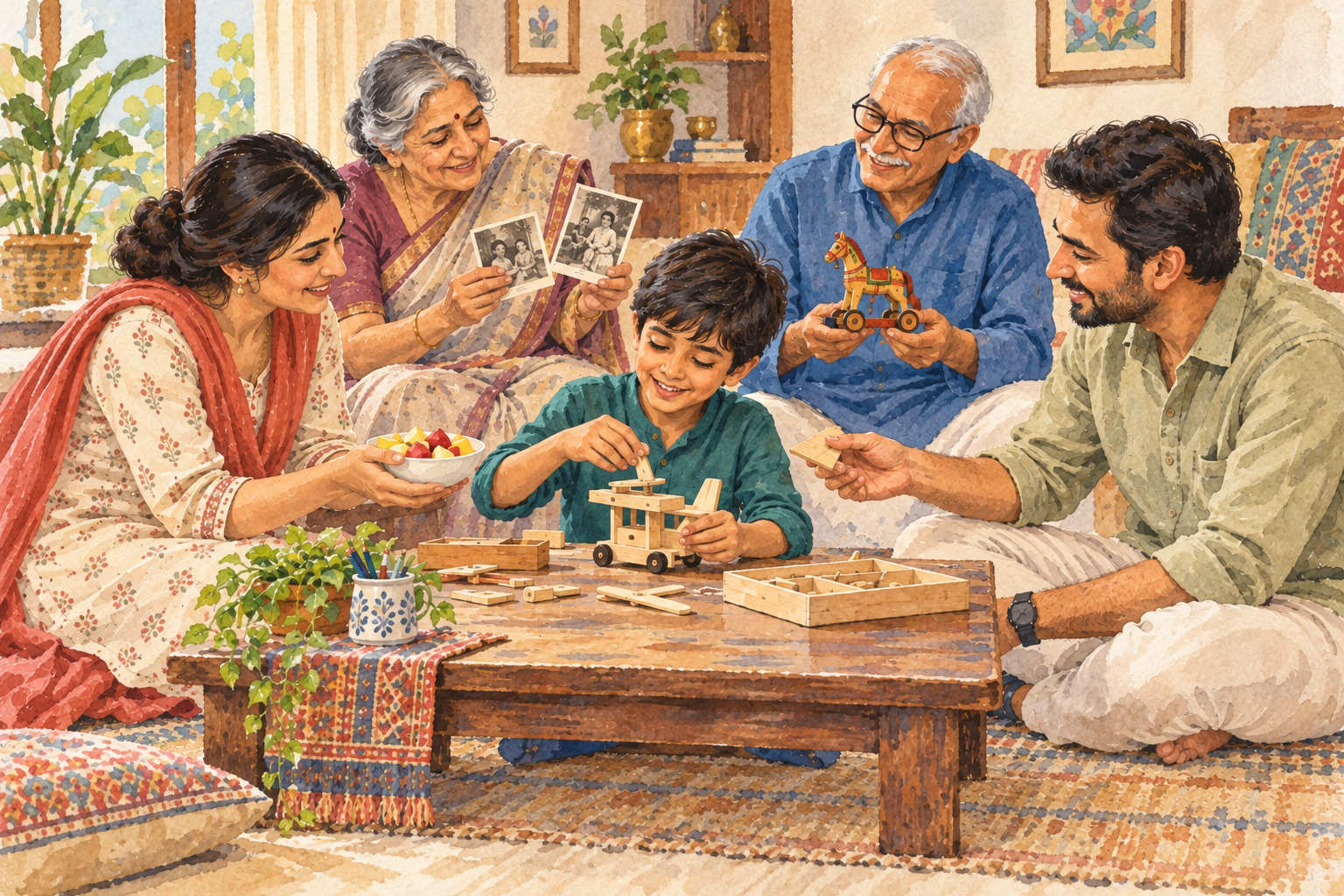
The mother’s claim is an enduring relationship
Motherhood is not merely temporary membership in a husband’s household. Pregnancy, birth, nurture, memory, and continuing responsibility create a morally serious bond. Remarriage does not return a mother to a life in which her child never existed, nor does it cancel her duties to that child.
That bond should not be converted into exclusive title. If a mother wants the child to join a new household, she should be able to explain how the child’s relationship with the father or deceased father’s family will remain real when contact is safe. That explanation should include more than an occasional invitation. It should address names, family history, regular contact, important observances, and access to information about inheritance.
The reciprocal duty falls on the paternal family. If it wants the child to remain closely connected, it must explain how it will protect the child’s relationship with the mother, respect her continuing motherhood, and refrain from treating remarriage as betrayal. A family cannot invoke maternal sacrifice when it wants care from a woman and then minimize maternal attachment when she makes a choice it dislikes.
The paternal claim is more than a surname
When a father is living, his claim is a direct parent-child relationship carrying personal duties of care, presence, and formation. When he has died, the position of his relatives is different. Grandparents do not simply become the father, but they may become important custodians of his memory, kinship, traditions, and obligations.
Their grief deserves recognition. A widow may eventually find another spouse, while bereaved parents cannot replace the son they lost. But grief does not transfer ownership of the grandchild. The strongest paternal-family claim is therefore not “he carries our name” but “we accept concrete duties that will keep this part of his identity alive.”
Those duties might include dependable care, an affectionate relationship, truthful accounts of the father, instruction in family customs, and responsible stewardship of anything the child is entitled to receive. If the family demands loyalty while withholding warmth, work, or accountability, its appeal to lineage is incomplete.
The child has a claim against every adult
The child’s position must be stated separately because children are easily turned into symbols of adult loss. The child has a claim to safe and stable care, to relationships that do not expose him or her to harm, to truthful knowledge of both sides of the family, and to freedom from loyalty tests.
Do not ask a young child to act as the judge of an adult moral dispute. Listening to the child as understanding develops is different from making the child responsible for choosing which loved ones will be wounded. Adults should carry that burden, give reasons for their decisions, and leave room to revisit practical arrangements as the child’s needs and voice change.
A useful test is simple: can each adult describe what the child is owed without first mentioning what that adult wants? If not, the discussion is still centred on the claimants rather than the child.
Lineage deserves continuity, not control
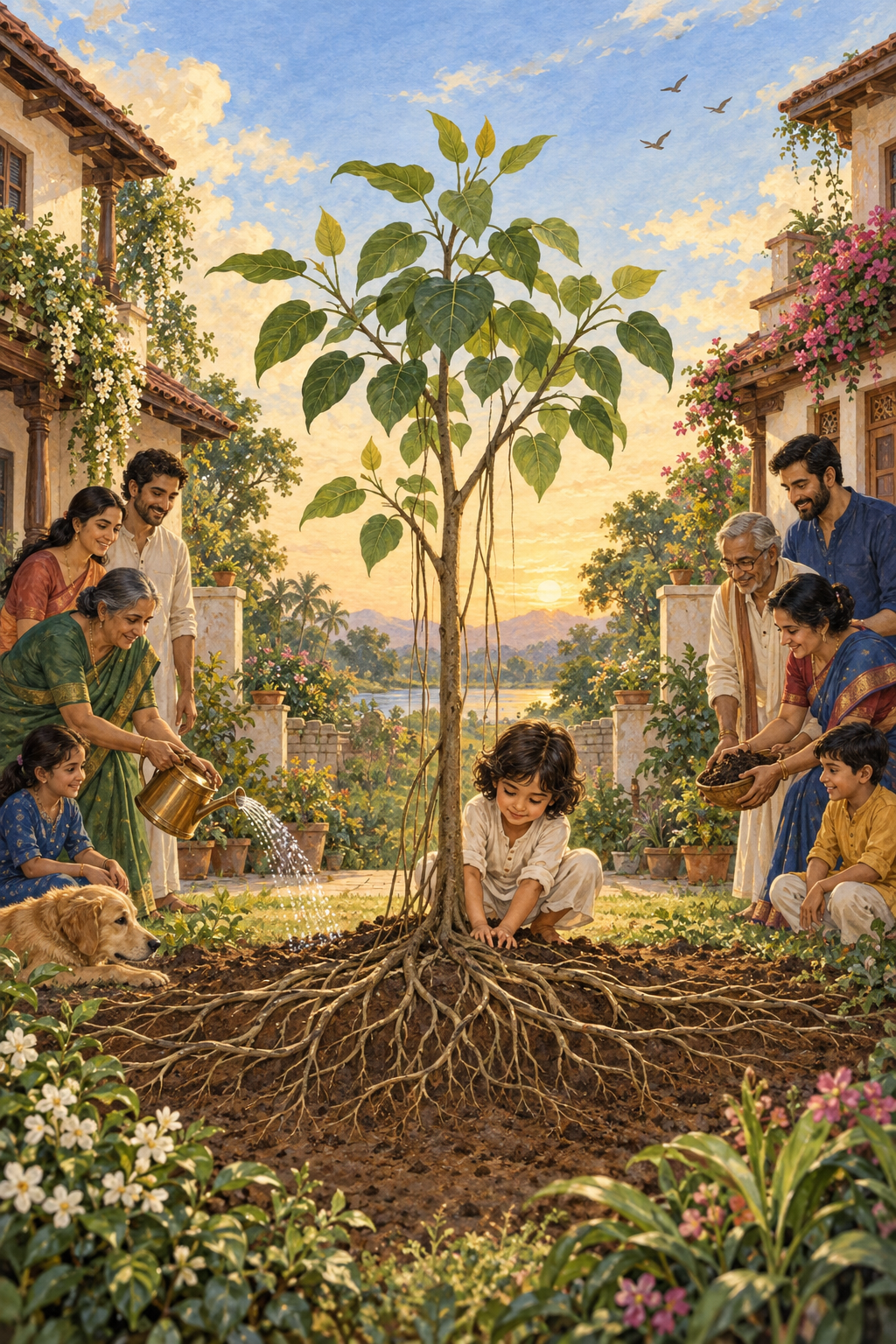
Vansha gives family relationships a time horizon larger than one household or one generation. A child may receive a name, inherited dispositions, customs, stories, material property, and a place in a chain of remembrance. For many Hindu families, Mahalaya remembrance and the idea of pitru rina, the debt owed to ancestors, make that continuity visible.
Taking lineage seriously does not prove that one residence or one branch of the family must possess exclusive control. Continuity is the purpose to protect, not a ready-made custody order. Hindu family ethics should not be reduced to the premise that biology supplies a seed, the mother supplies a field, and the paternal line therefore decides the child’s future. A biological metaphor may express continuity, but it cannot weigh daily care, affection, safety, the mother’s personhood, or the child’s developing conscience.
A practical continuity plan can preserve what matters without pretending that every relationship must occur under one roof:
- Record the people, stories, places, languages, customs, and ancestral names the child should know from both sides.
- Identify the observances and family gatherings that matter, who will explain them, and how the child can participate without becoming a trophy in an adult contest.
- Agree on dependable contact with significant relatives when that contact is safe, including who will arrange travel or communication.
- Set a rule that neither household will insult the other parent, the new spouse, or the child’s inherited identity.
- Keep inheritance records and family property questions transparent. Do not make affection, ritual conformity, or residence the informal price of receiving what lawfully belongs to the child.
- Preserve letters, photographs, family accounts, and ritual knowledge so that a decision about present residence does not become an irreversible destruction of memory.
If one parent does not believe in ancestral rites, preserving the child’s knowledge of them is not the same as making a personal profession of faith. Conversely, a grandparent’s sincere belief does not justify coercing the child or denigrating the other household. The responsible course is to preserve access to the tradition, explain why it matters, and allow understanding and conscience to mature.
Inheritance raises a related ethical concern. Receiving the wealth of a family while rejecting every bond with that family can appear one-sided. Yet the answer is not to turn property into leverage. Adults should teach the connection between inheritance, gratitude, and stewardship while keeping the child’s material interests separate from demands for emotional submission. Lineage without affection becomes an archive; affection without memory can leave a child uprooted.
Use a six-part Dharma test before deciding
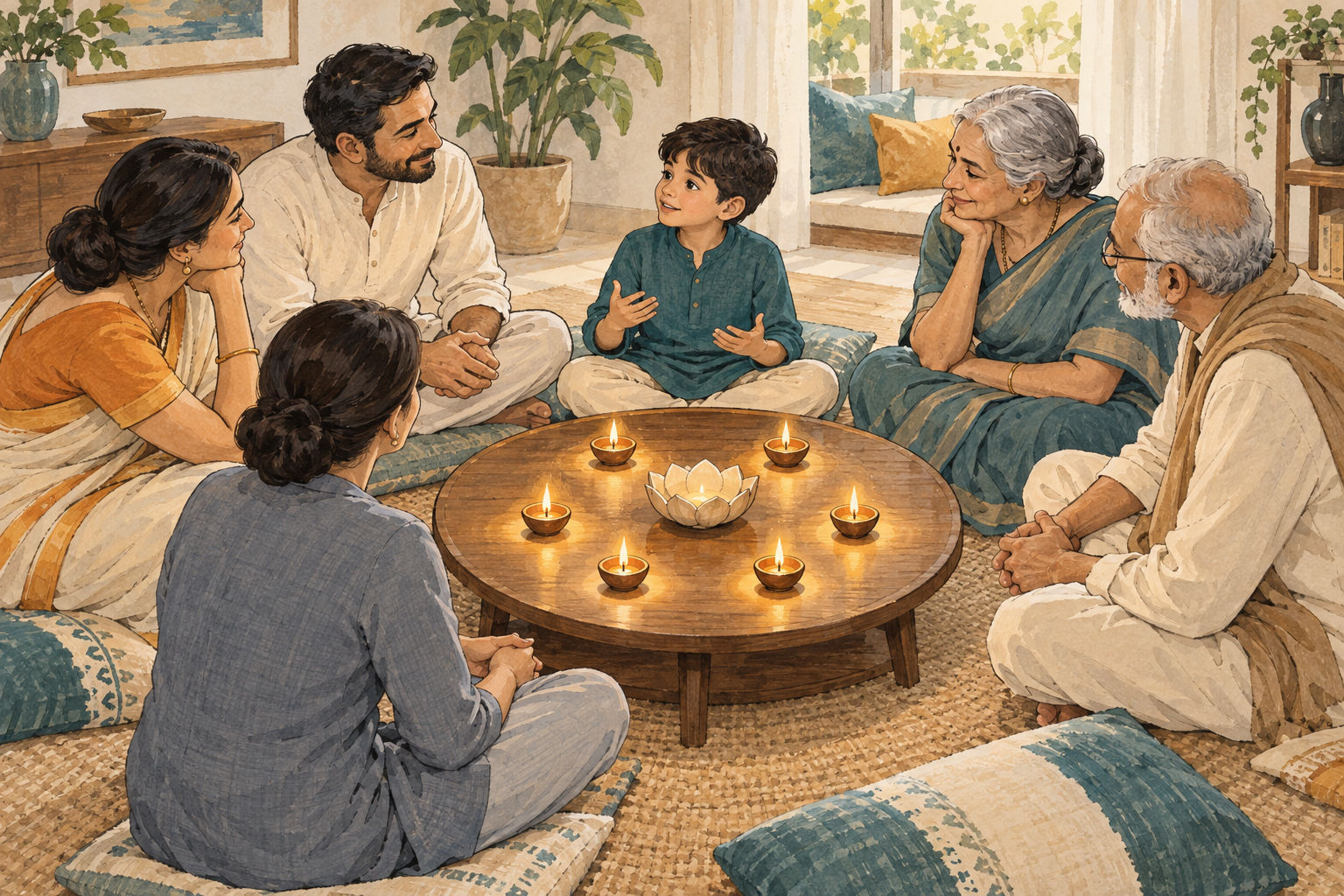
Before a family meeting, write down the answers to the following questions. Written answers make evasions visible and prevent the loudest relative from defining the entire problem.
- Is the child safe? Begin with actual care and safety, not prestige or ritual theory. A credible risk of violence, abuse, neglect, abduction, or unlawful removal changes the immediate priority and calls for qualified professional help.
- What exactly is each person claiming? Separate residence, caregiving, decision-making, contact, surname, ritual instruction, inheritance, and emotional relationship. Do not accept “all rights” as an answer.
- What burden accompanies each claim? Ask every claimant to complete the sentence, “Because I seek a place in this child’s life, I will…” Look for commitments of time, care, money, patience, cultural teaching, and respect for the child’s other relationships.
- What would the child lose under each arrangement? Map the immediate losses and the delayed ones. Daily maternal care may be difficult to restore after a long separation; knowledge of a deceased father and his family may also disappear if no one actively preserves it.
- Which losses can be designed out? Residence and relationship are not identical. Explore whether dependable contact, shared observances, visits, family records, or participation in rites can preserve a bond without forcing the child to live at the centre of constant conflict.
- What explanation could you give the grown child? Prefer the decision you could defend without saying, “Our pride mattered more,” “We wanted to punish the other household,” or “We assumed you would never ask.” A defensible answer should name the child’s needs and the duties the adults accepted.
Then reduce the proposed arrangement to one page. Name the primary caregiving plan, significant relationships to preserve, contact expectations, important observances, responsibility for family records, and a process for revisiting the arrangement. The page is not a substitute for a legally valid agreement. Its purpose is to reveal whether the family’s moral language has produced any concrete responsibility.
Custody, guardianship, relocation, adoption, name changes, and inheritance are governed by the law of the relevant jurisdiction. Before moving a child, withholding contact, signing documents, or altering property arrangements, consult a qualified local family lawyer. A culturally informed family mediator may help relatives translate their values into a workable plan, but mediation does not replace legal advice. If there is an immediate safety concern, use the appropriate protective and emergency channels; preserving lineage contact is not an absolute duty when it exposes a child to harm.
Key takeaways
- A child is not the exclusive possession of the mother, father, or extended family.
- The mother’s enduring bond and the child’s paternal lineage can both remain morally important after a father’s death or a mother’s remarriage.
- Grandparents have meaningful relationships and duties, but their claim is not automatically identical to a parent’s.
- Every claimed right should be translated into a specific burden the adult is willing to carry.
- Protecting lineage means preserving relationships, memory, custom, and responsible inheritance; it does not require coercive control.
- Law determines enforceable authority, while Dharma tests how that authority is exercised. Neither should be used as a pretext to ignore the other.
At your next family conversation, prohibit the sentence “The child belongs to us.” Ask each adult to state instead what the child is owed and what duty that adult will personally perform. A claim that ends in privilege rather than responsibility has not yet become a dharmic claim.
References

Leave a Reply
You must be logged in to post a comment.