

If you are arranging a vrata, puja, temple visit, or sankalpa for September 23, the clock matters as much as the date. This Wednesday does not remain under one tithi through the entire evening.
For the published timing used here, Shukla Paksha Dwadashi continues until 9:13 PM on September 23, 2026; Shukla Paksha Trayodashi follows. Use that boundary as a reference, then confirm it in a Panchang calculated for your location before fixing an observance.
September 23 Panchang at a glance
| Calendar detail | September 23, 2026 |
|---|---|
| Weekday | Wednesday |
| Paksha | Shukla Paksha, the waxing half of the lunar month |
| Tithi before the transition | Dwadashi, the twelfth lunar day |
| Published transition time | 9:13 PM |
| Tithi after the transition | Trayodashi, the thirteenth lunar day |
The practical reading is simple: an activity performed before the stated boundary falls in Dwadashi under this timing, while one performed after it falls in Trayodashi. The date printed on the civil calendar remains September 23 in both cases.
The timing is described for most regions, not as a universal local clock reading. A person in another time zone should not assume that 9:13 PM on their own clock is the transition. Consult a city-specific Panchang and check whether its time zone and daylight-saving setting match your actual location.
Why the 9:13 PM boundary matters
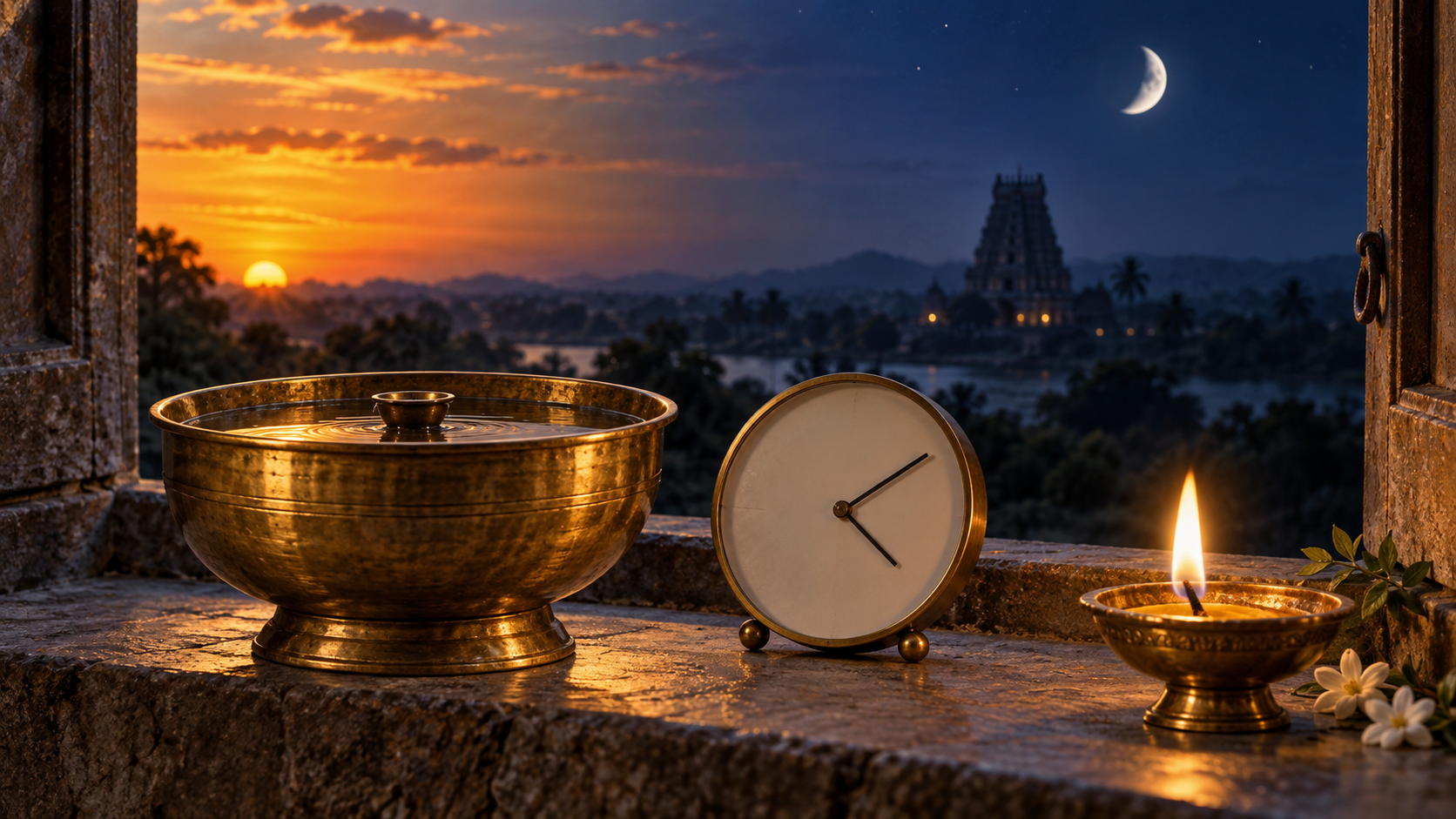
A tithi is a lunar measure determined by the changing angular relationship between the Sun and Moon. It is not a fixed twenty-four-hour civil date, so it can end in the morning, afternoon, or evening rather than at midnight. That is why two tithis can touch the same Gregorian date.
This distinction matters whenever your practice requires the tithi active at a particular moment. If you recite a sankalpa that names the current tithi, use the tithi applying at the place and time of the ritual. Under the reference timing, that means Dwadashi before 9:13 PM and Trayodashi afterward.
Do not interpret 9:13 PM as the end of a generally auspicious period. It marks a tithi change only. It does not, by itself, tell you whether every minute before the boundary is suitable for a wedding, journey, purchase, griha pravesh, or another samskara.
Different observances also use different selection rules. One may depend on the tithi present at sunrise, another on the tithi during a prescribed worship period, and another on the tithi active when the rite is actually performed. Start with the rule for your observance; do not choose a rule merely because it produces the more convenient date.
A five-step check before fixing your observance

- Write down the city where the observance will occur. Use the place of performance, not the location of the temple, relative, or website supplying the calendar.
- Identify the exact period that matters. Distinguish sunrise, a prescribed worship window, and the moment when the ritual will actually begin.
- Check the local tithi ending time. For the reference timing here, Dwadashi ends at 9:13 PM and Trayodashi begins afterward.
- Apply the rule belonging to the vrata, festival, or samskara. If your family sampradaya or temple follows a stated convention, retain that convention consistently.
- For muhurta selection, inspect the complete local Panchang rather than treating the tithi as the whole decision.
This sequence prevents the most common planning mistake: finding the right civil date but using the wrong lunar day at the actual hour of worship. It also gives you a clear question to ask a priest or temple: not merely “Is September 23 suitable?” but “Which tithi and prescribed period apply in my city at the time of this rite?”
What the tithi can and cannot establish
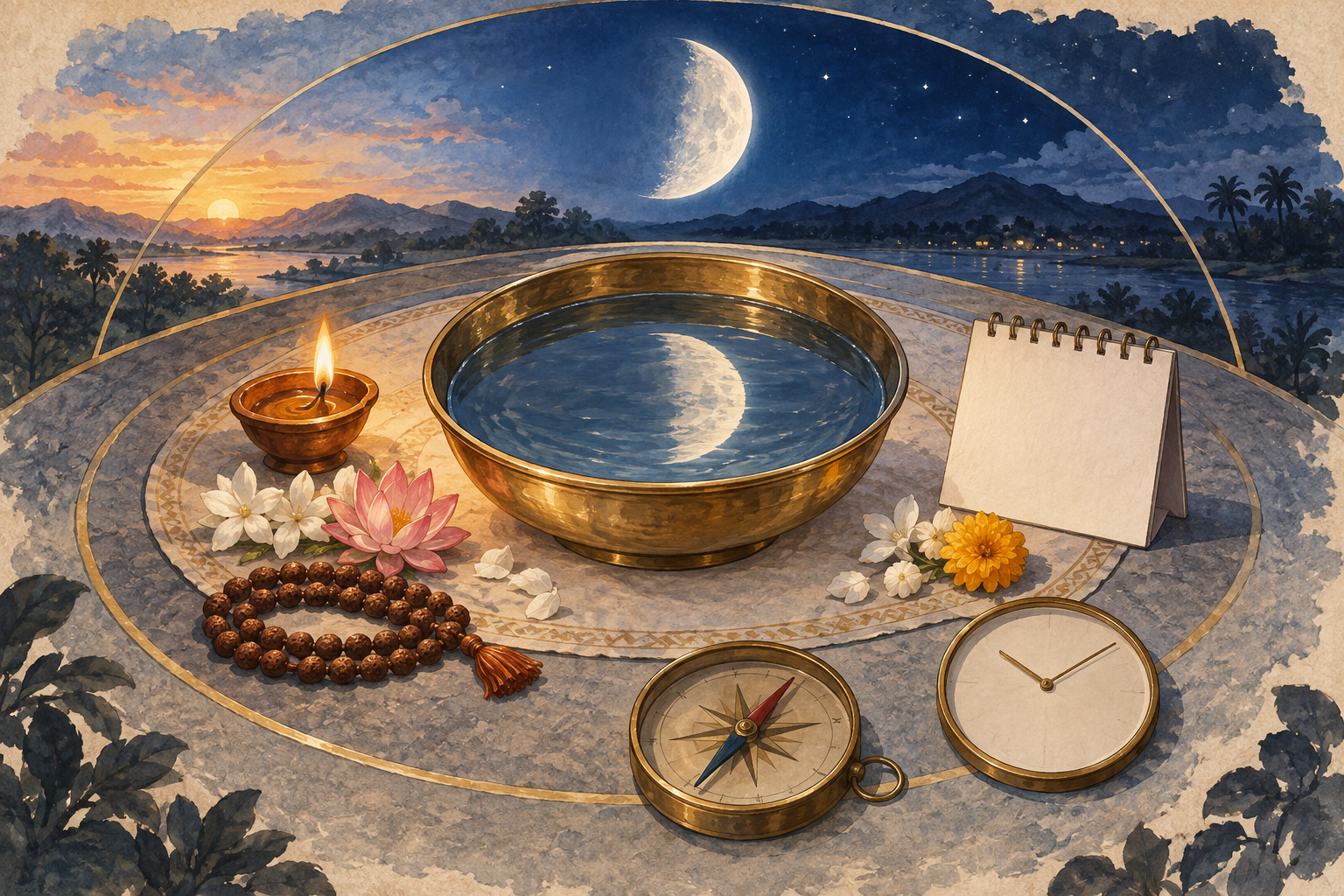
The Dwadashi-to-Trayodashi boundary can tell you which lunar day is active at a given time. It cannot independently establish a complete muhurta. A traditional Panchang brings together five limbs: tithi, vara or weekday, nakshatra, yoga, and karana. Depending on the rite and tradition, rashi and other considerations may also be consulted.
For September 23, the securely established details here are the Wednesday weekday, Shukla Paksha, Dwadashi until 9:13 PM, and Trayodashi afterward. Do not infer the day’s nakshatra, yoga, karana, sunrise, Rahu Kalam, Abhijit Muhurta, moonrise, or festival rule from that tithi line. Those details require a fuller calendar calculated for the relevant place.
This is especially important if you are making an irreversible or difficult-to-change arrangement, such as booking a venue or coordinating a large family ceremony. First use the tithi boundary to narrow the period. Then obtain the complete local muhurta before committing money or inviting participants.
Key takeaways for September 23
- September 23, 2026 falls on a Wednesday.
- The lunar phase is Shukla Paksha, the waxing half of the month.
- Shukla Paksha Dwadashi remains until the published transition at 9:13 PM.
- Shukla Paksha Trayodashi begins after that transition.
- The 9:13 PM boundary identifies a change of tithi; it is not a blanket declaration of auspiciousness.
- Before acting, confirm the transition and the relevant observance rule in a Panchang for your city.
When you make your plan, record three things together: the location, the intended ritual time, and the locally verified tithi. If you need Dwadashi, schedule only after confirming that it remains active during the period your tradition requires. If the rite falls after the verified transition, prepare the sankalpa and observance as Trayodashi rather than relying on the date alone.
References

Leave a Reply
You must be logged in to post a comment.