
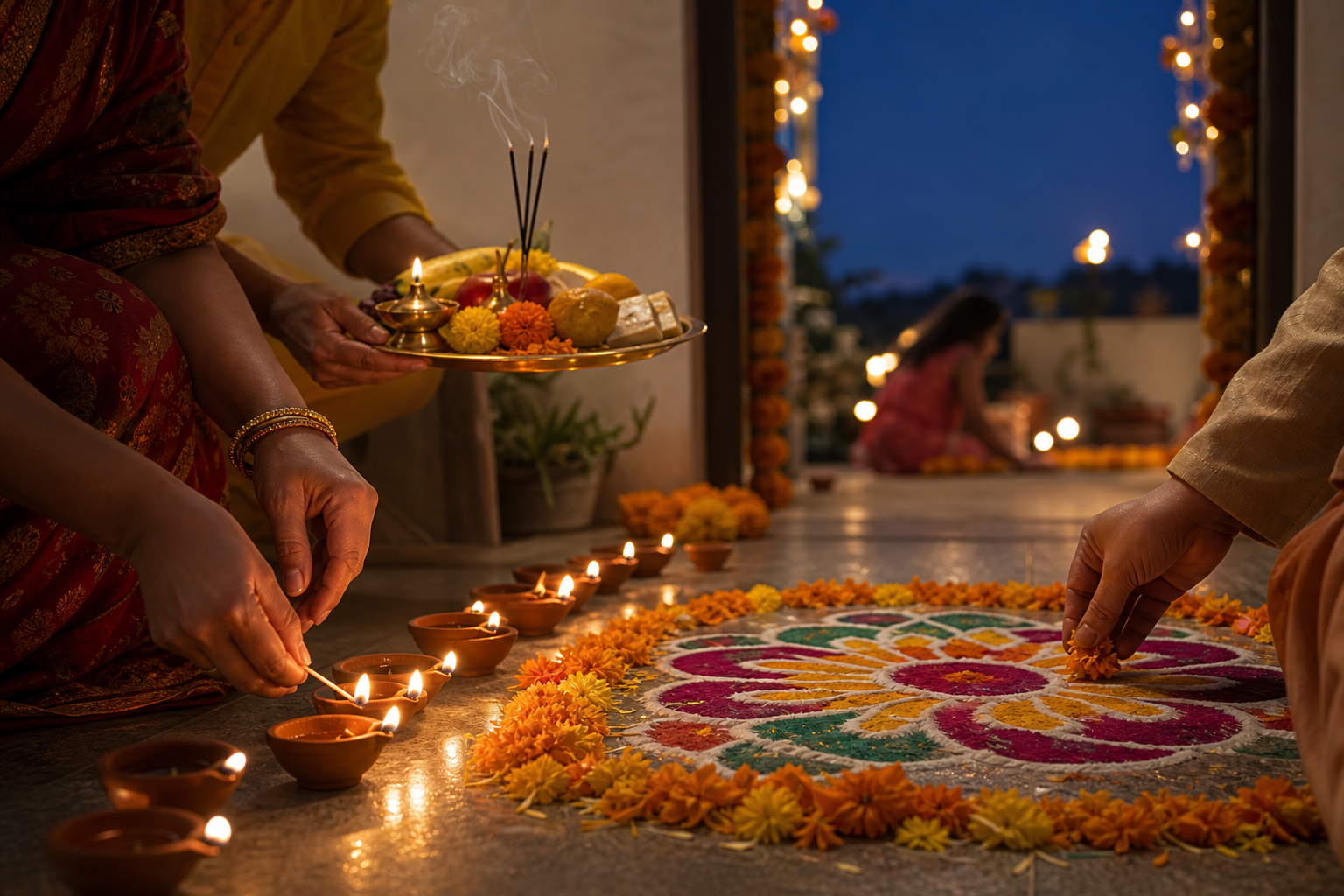
If you are arranging leave, travel, a family puja or a community gathering, the difficult part of Diwali 2025 is not remembering one date. It is deciding which observance belongs on which date, especially when one calendar marks the main celebration on 20 October and another points to 21 October.
The cleanest way to plan is to keep three layers separate: the festival sequence, your household’s chosen panchang, and the regional or dharmic observances your family actually follows. That gives you a calendar you can use without pretending that every community celebrates in exactly the same way.
Put the full Diwali sequence on your calendar
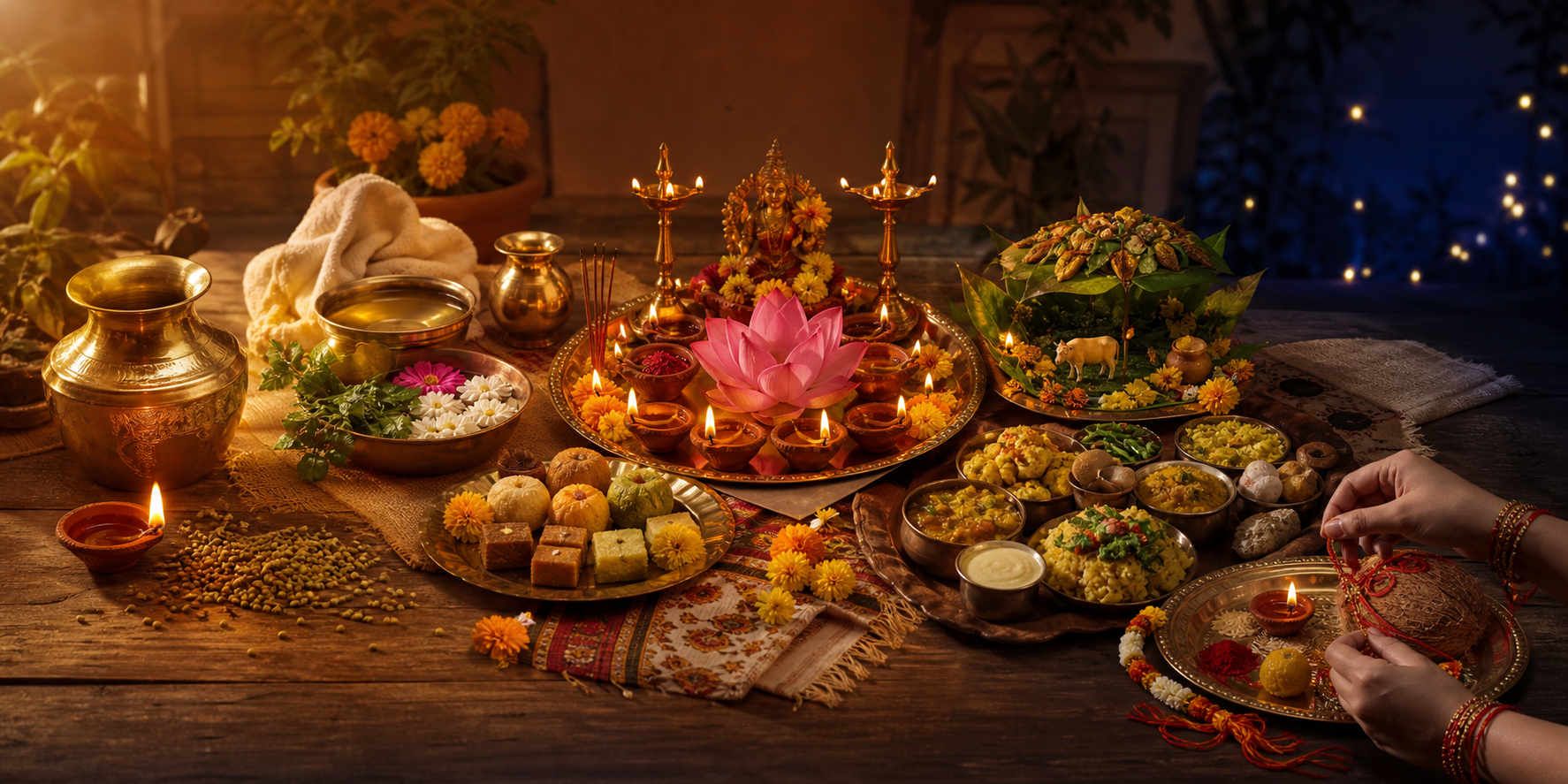
Do not reduce Diwali 2025 to a single evening. The practical sequence begins with Dhanteras on 18 October and continues through observances that fall as late as 24 October. Some dates carry more than one tradition, while the principal Deepavali date depends on the calendrical method followed by your household or temple.
Key takeaways
- Begin your household calendar with Dhanteras on 18 October 2025.
- Keep 20 October as the principal Lakshmi Puja date in many calendars, but check whether your tradition follows the Shastriya observance on 21 October.
- Do not copy a puja time from another city. Confirm the local muhurta through the panchang or temple notice your family trusts.
- Reserve 22 October for Govardhan Puja or Annakut where observed, and 24 October for Bhai Dooj.
- If you are in Hyderabad or Secunderabad, allow for Sadar processions on 23 and 24 October.
| Date | Observance | What to plan |
|---|---|---|
| 18 October 2025 | Dhanteras, Dhana Trayodashi and Dhanvantari Jayanti in most panchangs | Prepare for Lakshmi-Kubera worship, a health-centered remembrance of Dhanvantari, charitable giving and Yama Deepam during evening twilight. |
| 19 October 2025 | Naraka Chaturdashi or Choti Diwali | Follow your family’s purification customs and lamp-lighting practice. Some calendars also place Dhanvantari Jayanti or Yam Deep Daan on this date. |
| 20 October 2025 | Loukika Deepavali and Lakshmi Puja in many regions | Use this as the principal household celebration if your local panchang places Kartik Amavasya in the relevant evening period. |
| 21 October 2025 | Shastriya Deepavali in calendars that apply the Amavasya timing differently | Choose this date only when it is supported by the panchang, temple or inherited tradition your household follows. The 20-21 October distinction reflects calendrical practice, not two unrelated festivals. |
| 22 October 2025 | Govardhan Puja, Annakut and the Gujarati New Year in numerous traditions | Plan morning worship when Kartika Shukla Pratipada prevails after sunrise, subject to your local muhurta. Prepare vegetarian offerings and time for sharing prasad. |
| 23-24 October 2025 | Sadar in Hyderabad and Secunderabad | Expect buffalo processions, music and dense evening crowds in participating neighborhoods. Plan transport and arrival time before setting out. |
| 24 October 2025 | Bhai Dooj | Reserve time for the family observance rather than assuming the Diwali cycle ends with Lakshmi Puja or Annakut. |
The familiar description of Diwali as a five-day festival expresses the ritual order; it does not guarantee five adjacent boxes on a Gregorian calendar. In 2025, the working calendar stretches from 18 to 24 October because tithi placement and regional convention do not map neatly onto civil dates. The gaps are not missing festival days.
Decide whether your household observes 20 or 21 October
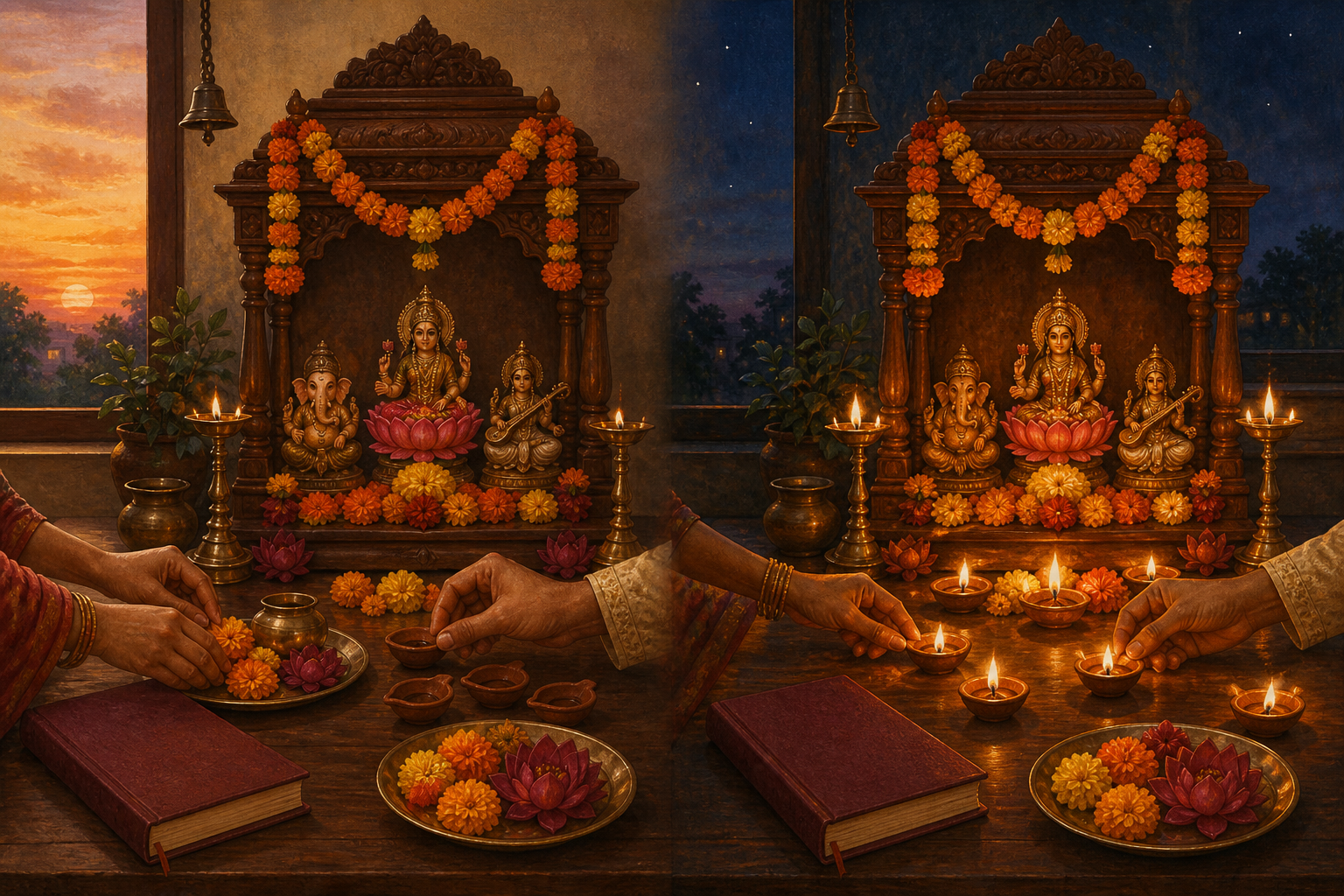
This is the choice to settle before you invite guests or book a priest. Loukika Deepavali on 20 October follows the date used by many civil calendars and regional almanacs. Shastriya Deepavali on 21 October applies scriptural tithi logic where the relevant placement of Kartik Amavasya leads to the later civil date. Both are attempts to align the observance with Amavasya; they are not competing claims about Diwali’s meaning.
Most North Indian panchangs using the Purnimanta system place Lakshmi Puja on 20 October in 2025. South Indian Amanta traditions also anchor Deepavali to Amavasya, but select communities may apply the evening tithi in a way that favors 21 October. Do not turn that nuance into a rule that every northern household must celebrate on the first date or every southern household on the second. Family parampara and the local panchang still decide the actual observance.
- Choose one calendrical authority. Use your family’s established panchang, the calendar of the temple where you worship, or another trusted local almanac. Combining the date from one calendar with the muhurta from another can produce a schedule neither calendar intended.
- Check the entry for your city. Lakshmi Puja is tied to an evening tithi, so location matters. A timestamp copied from another city or country can create false precision.
- Confirm the principal household night. Mark either 20 or 21 October as your main Lakshmi Puja date. If relatives follow the other date, add it as their observance rather than describing one side as mistaken.
- State the date plainly on invitations. Write “Lakshmi Puja – 20 October” or “Shastriya Deepavali – 21 October,” together with the local start time. “Diwali evening” is too vague in a year with a dual listing.
- Keep regional events separate. Govardhan Puja, the Gujarati New Year, Sadar and Bhai Dooj have their own calendar positions. Moving Lakshmi Puja from 20 to 21 October does not automatically move every later observance.
If your household has no established practice, start with the calendar used by the mandir or dharmic community you will actually join. That keeps your home worship, temple visit and family gathering aligned. For diaspora families, a local temple notice is especially useful because it applies the tithi to local sunset rather than to a city in Bharat.
Plan the rituals by purpose, not by the shopping list
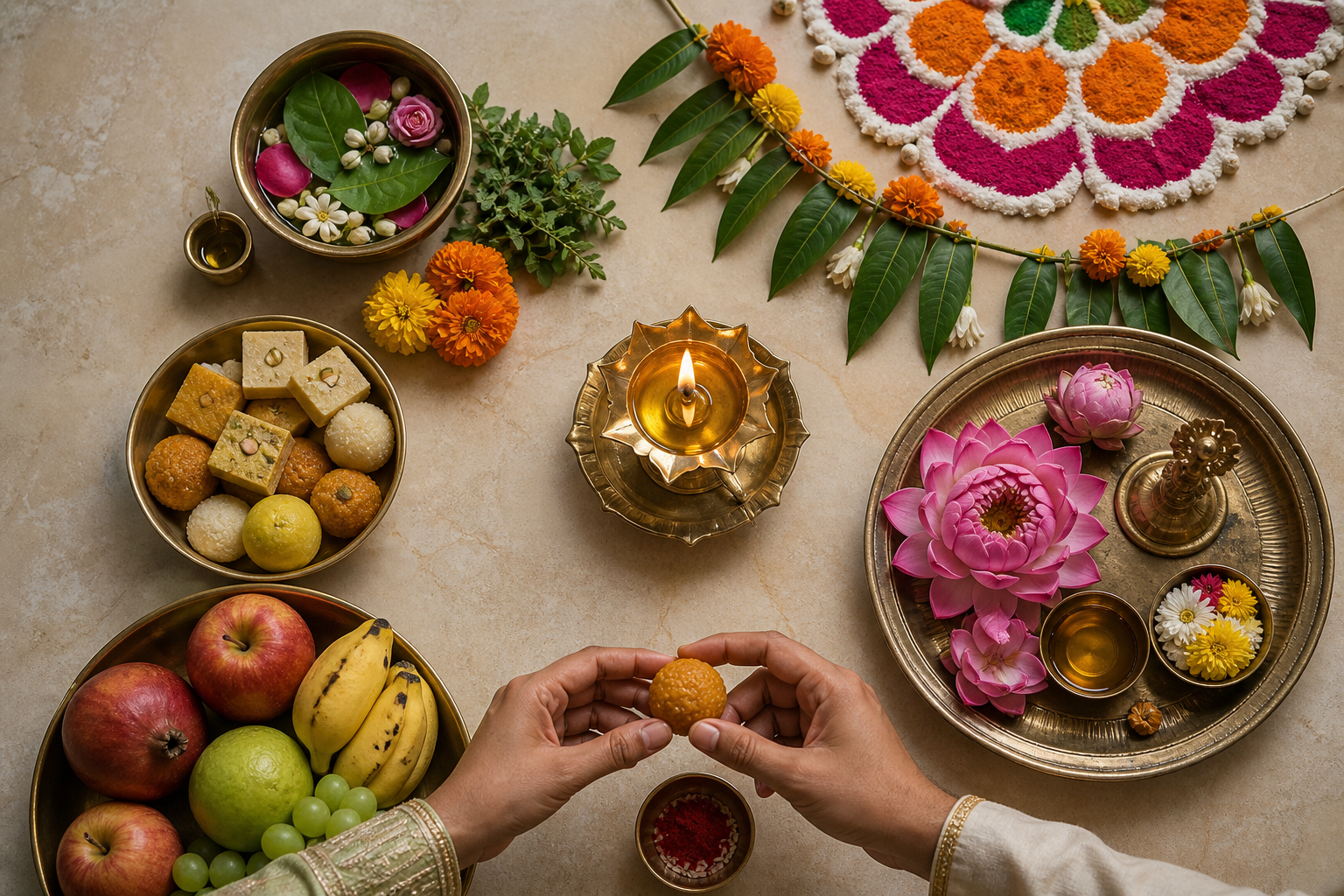
A workable Diwali plan gives each day a distinct purpose. This prevents the first three observances from collapsing into one long preparation period and helps children understand why the family is doing more than decorating the house.
18 October: Dhanteras, Dhanvantari and Yama Deepam
Dhanteras holds prosperity and well-being together. Lakshmi-Kubera worship places wealth within ethical household and business life, while Dhanvantari Jayanti directs attention to health, balanced living and the healing tradition of Ayurveda. Buying a utensil or useful tool may be part of the day, but the purchase should support the household rather than become the meaning of the observance.
- Clean the entrance and the place of worship before evening so ritual preparation does not compete with the muhurta.
- For Yama Deepam, prepare a stable clay diya, a cotton wick and sesame or til oil.
- At sunset or shortly afterward during Pradosh Kaal, light the lamp and place it at the threshold or in the south-facing direction followed by your family.
- Pause for a simple invocation such as “Om Yamaya Namah,” or offer silent gratitude for life, moral discipline and the guidance of elders.
- Complete the day with Lakshmi-Kubera worship, a practical commitment to household well-being, and dana within your means.
Yama is approached here as the guardian of dharma and just order, not merely as a frightening image of death. The lamp therefore becomes a reminder to live responsibly as well as a prayer for protection from untimely calamity.
Place the diya on a level, fire-resistant surface, protect it from strong wind and keep children under direct supervision. Do not leave an open flame unattended at a doorway where clothing, decorations, pets or foot traffic can reach it. Clay lamps, cotton wicks, natural oil and restrained decoration also keep the observance close to its simple purpose.
Most panchangs place Dhanvantari Jayanti on 18 October, while some record it on 19 October. If your local calendar uses the later date, retain the health-centered observance there rather than trying to force it into the Dhanteras schedule. The regional variation in Dhanvantari Jayanti is part of the living calendar tradition.
19 October: Naraka Chaturdashi and Choti Diwali
Many households mark Naraka Chaturdashi with purification practices such as Abhyanga Snana, followed by lamps and preparation for the principal Deepavali night. Use the form taught within your family rather than adding unfamiliar steps simply because they appear on a generic checklist.
You may encounter Yam Deep Daan on two different dates. It is widely observed on Dhanteras, while other festival sequences associate it with Naraka Chaturdashi. You do not need to declare one placement wrong. Follow your household or temple convention and preserve the same core intention: gratitude for life, remembrance of dharmic order and a prayer for familial well-being.
20 or 21 October: Lakshmi Puja and the main lamps
Complete cleaning and major decoration before the local puja window. Waiting until the evening to finish the house usually turns the muhurta into a deadline rather than a devotional period. Set out the shrine, offerings, lamps and puja materials earlier in the day, then leave only the lighting and worship for the chosen time.
- Make the threshold welcoming with rangoli and lamps while keeping the walking path clear.
- Use the Lakshmi Puja sequence, mantra and offerings taught in your tradition; a shorter attentive puja is more coherent than an elaborate borrowed procedure nobody in the household understands.
- Light clay diyas safely at the entrance, shrine and other stable locations around the home.
- Share sweets or prasad and make time for relatives, neighbors, a temple visit or community worship.
- Keep dana and hospitality in the plan so prosperity is expressed through generosity, not only through acquisition.
Natural rangoli colors, reusable decorations and clay diyas fit the festival’s themes of purity and renewal. Whatever materials you choose, keep open flames away from fabric hangings and crowded doorways.
22 October: Govardhan Puja and Annakut
Govardhan Puja falls on 22 October 2025, on Kartika Shukla Pratipada. The usual time is the morning period when Pratipada prevails after sunrise, but the precise muhurta should come from your regional panchang or temple.
- Arrange a modest shrine for Sri Krishna and Govardhan. Where customary, make an earthen representation of Govardhan Hill.
- Prepare vegetarian dishes from ingredients your household can use responsibly. Annakut signifies grateful abundance; it does not require wasteful excess.
- Offer gratitude to the earth, cattle, cultivators and the wider community that sustains the household.
- Where cows are honored directly, keep the interaction gentle and animal-friendly rather than treating the animal as a prop.
- Share the offerings as prasad. The communal meal gives practical form to annadanam, dana and seva.
In Braj, Govardhan parikrama and visits to Mathura or Vrindavan temples carry special importance. Across Uttar Pradesh, Bihar, Haryana, Jharkhand and Chhattisgarh, households and temples may create Annakut displays, honor cows and distribute prasad. If you are hosting outside Bharat, ask participants which form they know rather than assuming a single northern custom represents every family.
24 October: Bhai Dooj
Bhai Dooj typically closes the 2025 sequence on 24 October. Reserve the time before the week fills with post-Diwali travel or work. Tilak, a family meal, gifts and prayers for well-being are common forms, but the exact ritual belongs to family and regional tradition. The useful planning decision is simple: contact siblings early and decide whether the observance will be in person or adapted across distance.
Make room for regional and dharmic observances
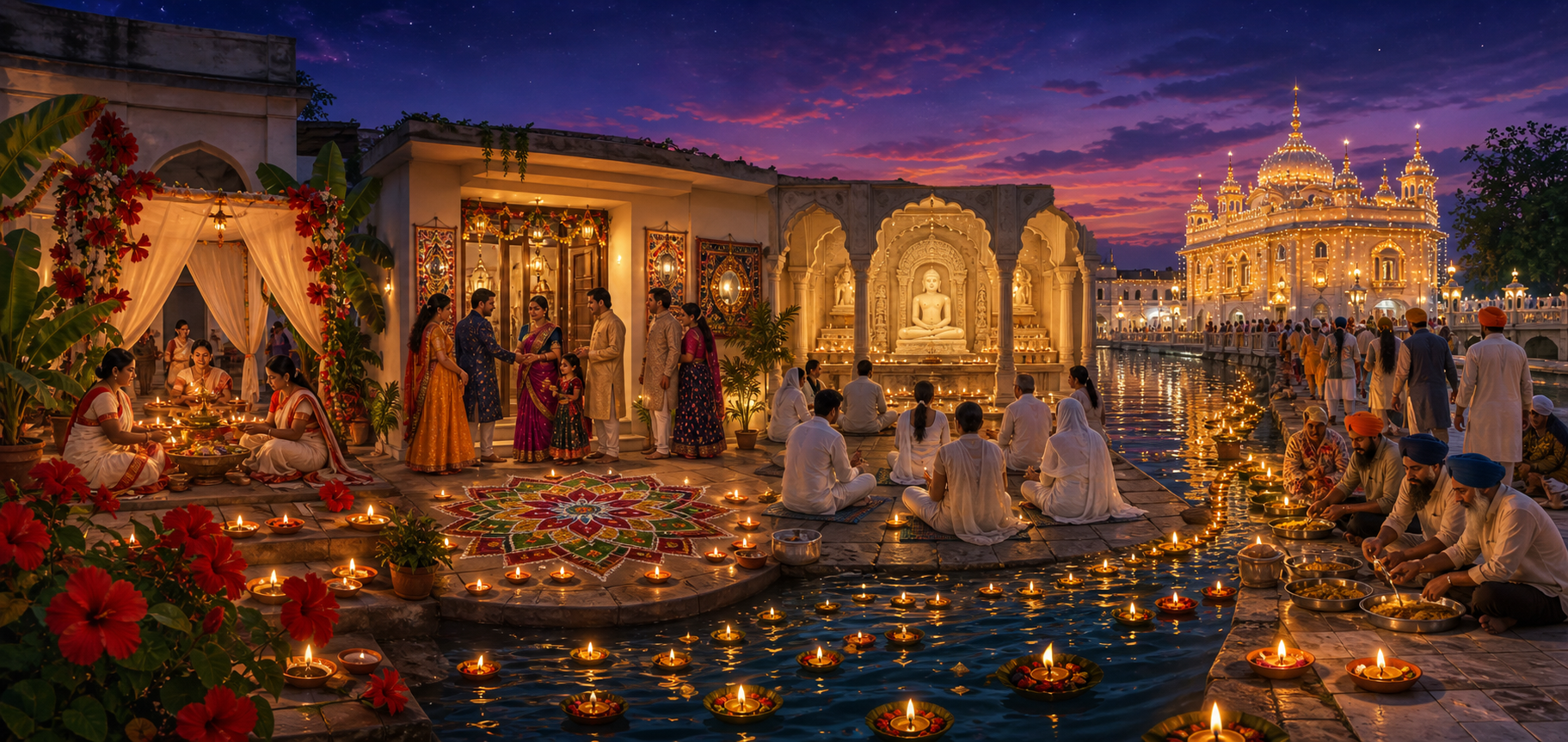
Diwali season creates a shared landscape of lamps, generosity and renewal, but it does not erase distinct histories. Name each observance accurately, especially when you are planning an inter-community event or explaining the season to children.
Regional Hindu observances after the main night
The Gujarati New Year is expected on 22 October in numerous traditions, alongside Govardhan Puja and Annakut. A household that follows both should decide in advance whether the day will center on home worship, temple Annakut, New Year visits or a combination that is genuinely manageable.
In Hyderabad and Secunderabad, Sadar is observed on 23 and 24 October 2025. Also known locally as Dunnapothula Panduga, it is strongly associated with the Yadav community and expresses gratitude for animal husbandry, agrarian livelihoods and the bond between people, animals and land. Decorated buffaloes, traditional percussion and neighborhood processions turn the observance into a public expression of Telangana’s living culture.
Narayanguda, Kacheguda, Amberpet, Bowenpally, Nagole and Hayathnagar are among the neighborhoods known for Sadar gatherings. If you attend, arrive before the processions become dense, use public transport where practical and remain in designated viewing areas. Ask before photographing people, avoid flash near animals and give the procession enough space to move. These are not minor courtesies: they protect participants, spectators and the buffaloes at the center of the tradition.
Jain, Sikh and Buddhist observances are not interchangeable
Jains commemorate the nirvana of Bhagwan Mahavira and may practice deepa-dhyana, using light within a distinctly Jain spiritual remembrance. Sikhs mark Bandi Chhor Divas, whose identity and history should be named rather than absorbed into a generic Lakshmi Puja program. Newar Buddhists in Nepal maintain lights-centered traditions connected with wisdom and compassion. Other Buddhist communities may also kindle lamps for harmony and compassion.
The shared language of illumination can open a respectful conversation across Hindu, Jain, Sikh and Buddhist communities. It should not be used to imply that the narratives, rituals or theological meanings are the same. If you are organizing a joint gathering, give each community its own name and space, then build the common portion around hospitality, dana, seva, ethical living or the lighting of lamps.
- Ask participants which observance and date they follow before publishing the program.
- Use “Diwali and Bandi Chhor Divas” when both are being marked; do not rename the Sikh observance as a regional form of Diwali.
- Refer to Mahavira’s nirvana when describing the Jain observance rather than presenting it as Jain Lakshmi Puja.
- Let shared values support mutual respect without flattening the differences that give each tradition its integrity.
Your next step is to open the family calendar and make three firm entries: Dhanteras on 18 October, your locally confirmed Lakshmi Puja on either 20 or 21 October, and the later observances your household actually keeps. Once those decisions are settled, assign the diya materials, food preparation, family calls and temple visits to specific people. The festival will then unfold as a sequence of dharmic attention rather than a last-minute race toward one crowded night.
References
- DharmaRenaissance Blog – Discover Yama Deepam’s Timeless Power: Complete Dhanteras 2025 Yama Deeparadhana Guide
- DharmaRenaissance Blog – Dhanteras 2025 Explained: Discover the Complete Guide to Dhana Trayodashi & Dhanvantari Jayanti
- DharmaRenaissance Blog – Discover the Complete Diwali 2025 (Deepavali) Dates: Proven Guide to Rituals and Unity
- DharmaRenaissance Blog – Sadar 2025: Discover the Complete Guide to Hyderabad’s Buffalo Festival of Deepavali
- DharmaRenaissance Blog – Govardhan Puja 2025: Essential Muhurat Insights, Complete Ritual Guide, and Diwali Significance
