

The reported appearance of ‘Pakistan Zindabad’ on public LED boards in Goa creates an immediate temptation: decide who was responsible before asking how the message reached the screens. Resist that leap. If you want a response that protects Bharat instead of feeding a rumour cycle, demand preserved evidence, a reproducible timeline and responsibility tied to verifiable failures.
The practical question is not whether the displayed words were provocative. It is whether investigators can distinguish an external intrusion from stolen credentials, misuse of authorised access, a vendor failure, local access or an operational mistake. That distinction determines who should answer for the incident and what must change to prevent another one.
The slogan is evidence of an event, not proof of an actor
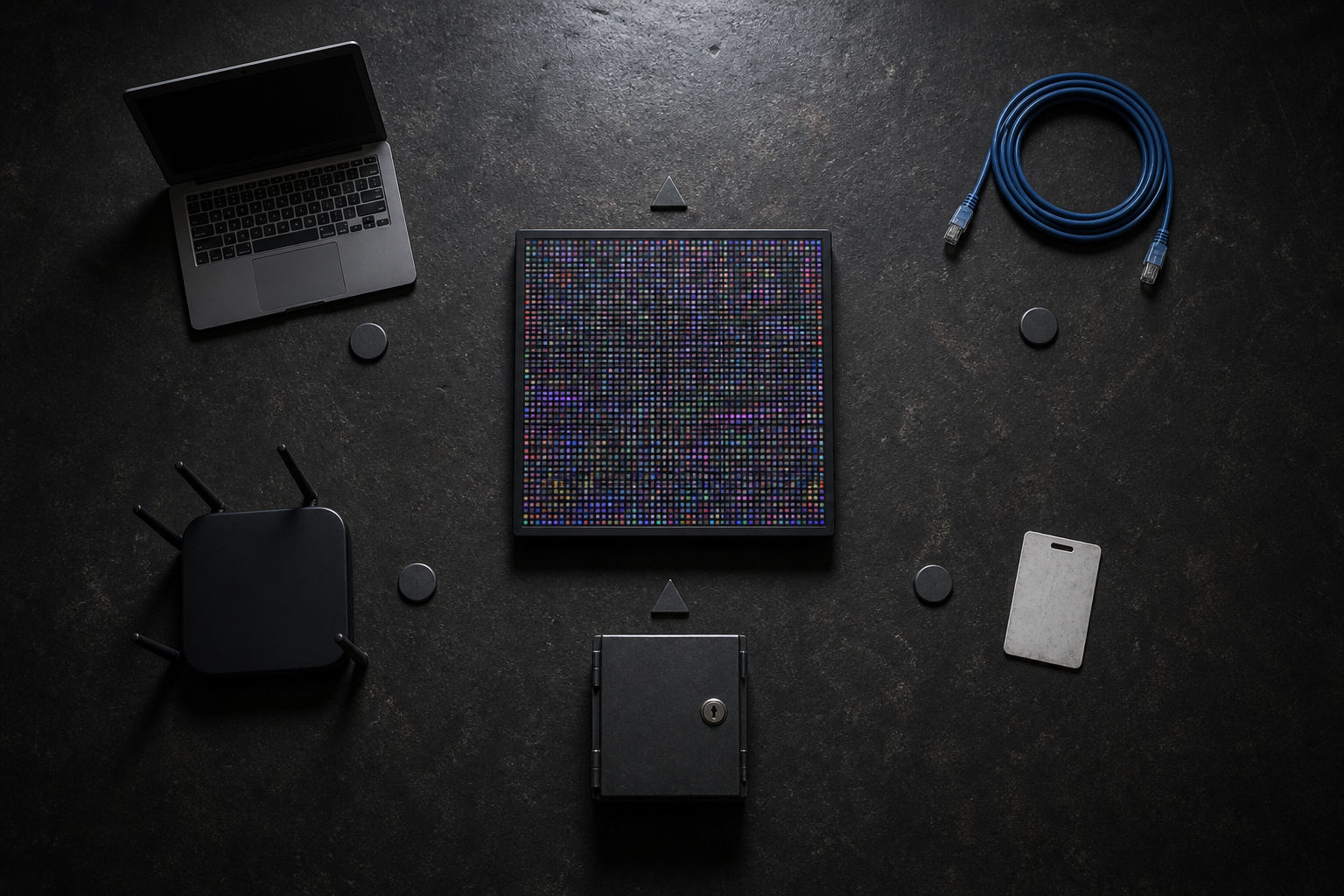
A public display establishes one visible fact: particular content reached one or more screens. The content alone does not reveal the route it took, the person who entered it or the motive behind the act. The words on a screen are not an identity record.
Keep four questions separate when you read an official statement or discuss the incident:
- Observation: What exactly appeared, where was it seen, and what original evidence records it?
- Scope: Which boards were affected, and did they share a controller, account, network or vendor platform?
- Mechanism: Did the content arrive through a management system, a scheduled playlist, a remote-support channel, a local console or another path?
- Attribution: Which person or organisation controlled that path at the relevant time, and what evidence connects the activity to them?
An official can confirm the observation while the other questions remain open. Trouble begins when public discussion jumps directly from the wording of the message to the identity or nationality of the culprit. Foreign attribution requires evidence connecting technical activity to an actor; the political sentiment expressed by the content cannot establish that connection.
The Hindu Janajagruti Samiti request for an NIA investigation reflects the seriousness with which the incident is being viewed. It is a demand for investigation, not a completed finding about who controlled the boards. The question of which agency should lead must not distract from the immediate need to preserve evidence.
What a credible forensic examination must preserve and test
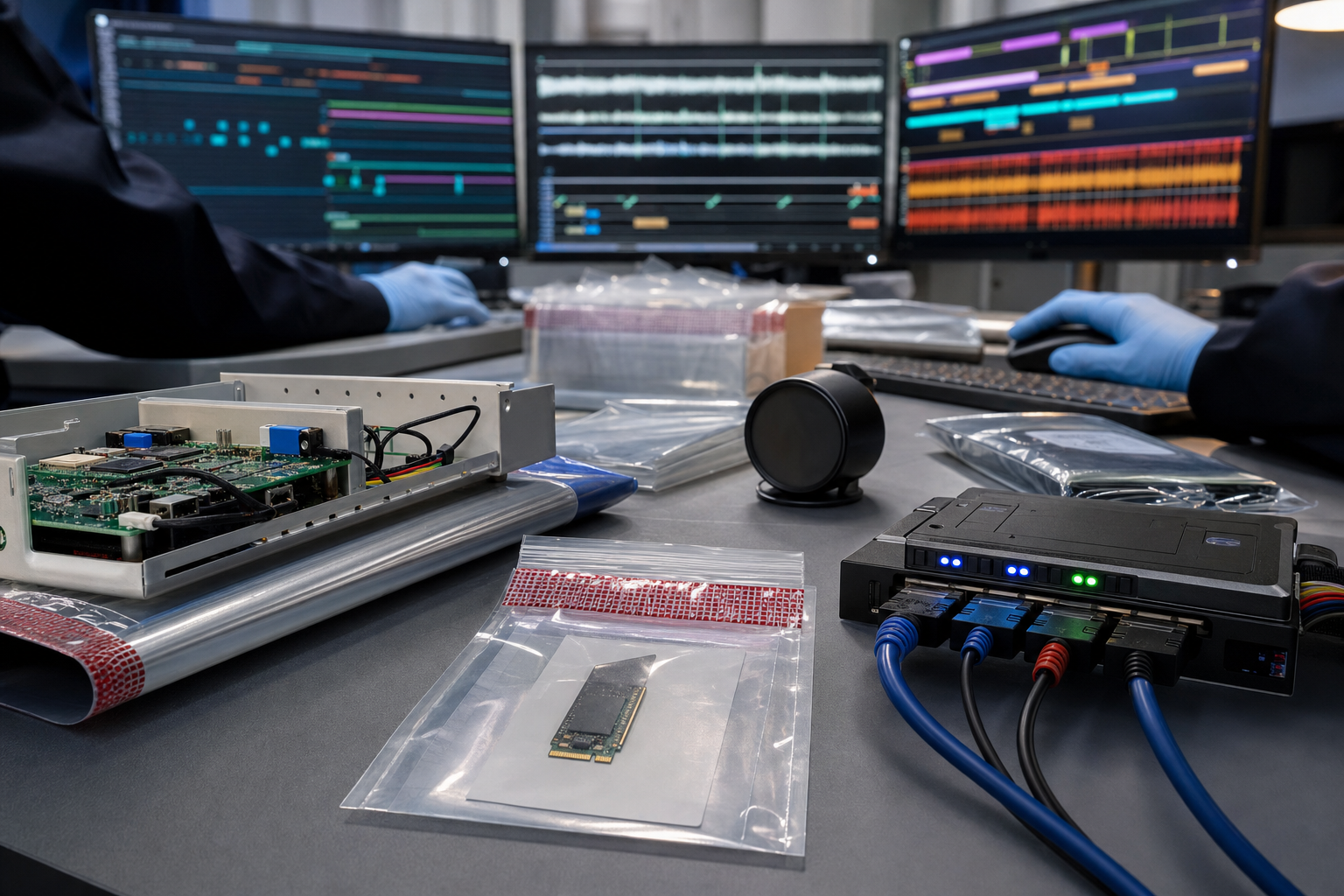
Digital signage is usually a chain of components rather than a single screen. Content may pass through an account, application, scheduler, server, network connection and board controller before it becomes visible. Investigators need to examine that chain without altering the very records that could explain the event.
- Preserve the state before normalising the system. Record the displayed content and the condition of relevant equipment. Preserve available logs, configurations, account lists, active sessions, scheduled content, uploaded files and vendor records. Exported evidence should be hashed, time-stamped and accompanied by a record of who collected and handled it. A hurried factory reset or software reinstallation may restore the board while destroying the best evidence of how it was misused.
- Build one timeline across every component. Investigators should identify when the content was created or uploaded, approved where an approval process exists, scheduled, distributed, cached, displayed, reported and removed. They must also record system clock settings and any clock differences. Otherwise, entries from separate devices may appear to contradict one another simply because their clocks were not aligned.
- Map every available access path. The examination should cover the signage management system, local console, administrative portal, remote-support facility, application interface, network connection and vendor access, wherever those features exist. Testing only the most obvious web login can leave the actual route untouched.
- Match activity to identities and permissions. Investigators should determine whether each privileged action can be linked to an individual account. Shared administrator credentials, dormant accounts, excessive permissions and vendor access that was never revoked are accountability failures even if they do not reveal the offender by themselves.
- Correlate independent records. A management-system log is stronger when it agrees with network gateway records, authentication events, vendor records and lawful physical-access evidence. A log stored on the same compromised system may be incomplete or altered, so conclusions should not depend on a single record set.
- Reconstruct the content path safely. A controlled examination should identify the precise sequence capable of sending the message to the board. Any reproduction should use an isolated environment or forensic copy, not live credentials or the original evidence-bearing system.
- Document gaps as findings. If a board kept no useful logs, a vendor cannot identify which employee used an account, or records were overwritten during restoration, the final account should say so plainly. Missing evidence is not proof that a particular person is guilty, but it does expose a control failure and limits confidence in attribution.
If you operate one of the affected systems, do not explore accounts, delete suspicious files or reset equipment on your own. Limit further access, preserve what is visible and involve the designated incident-response and law-enforcement personnel. If an urgent safety need requires a change, record what was changed, when, why and by whom.
Accountability must cover the whole control chain

Finding the person who entered the message would answer only one part of the case. Public infrastructure also has an owner, an operator, a technology provider and an oversight authority. Each can have a distinct duty, and those duties remain relevant even if criminal attribution takes time.
- Responsibility for the act: Who created, selected, approved or transmitted the content?
- Responsibility for access: Who issued credentials, set permissions, reviewed privileged accounts and removed access when it was no longer needed?
- Vendor responsibility: Did the service provider follow its own remote-access, authentication, logging and incident-notification procedures?
- Monitoring responsibility: Was unauthorised content detected by an alert or only after a member of the public noticed it? Who was meant to respond?
- Oversight responsibility: Did the procurement arrangement require usable audit logs, individual administrator accounts, timely incident reporting, credential revocation and a right to conduct security audits?
- Remediation responsibility: Who must verify that the weakness has been closed across every similarly managed board, not merely on the screens that drew attention?
This layered approach prevents two convenient but inadequate outcomes. An authority should not place every failure on a vendor if its own officers accepted weak controls. A vendor should not blame a supposed intruder while leaving shared passwords, unchecked remote access or missing logs unexplained. Responsibility should follow evidence and assigned control, not organisational convenience.
Periodic audits should test whether controls work in practice. A useful audit checks for dormant accounts, shared credentials, excessive privileges, undocumented remote connections, incomplete logs, unreviewed alerts and restoration procedures that erase evidence. A signed checklist without those tests offers little protection.
What you should demand, preserve and refuse to amplify
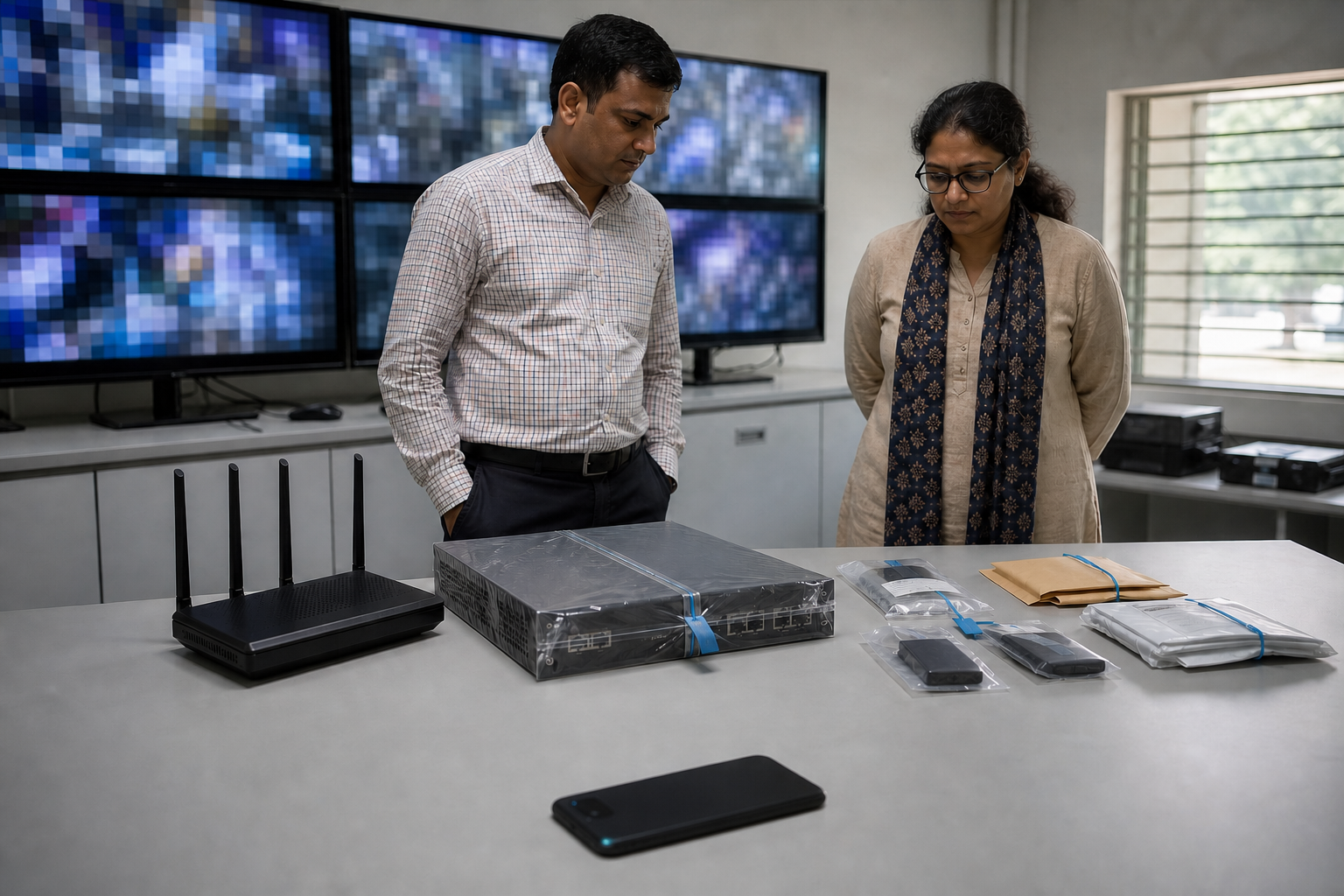
A useful public update need not reveal passwords, network layouts or investigative tactics. It should provide enough information to show that authorities understand the scope and are protecting the evidence. Ask whether the update answers these questions:
- Which boards were confirmed as affected, and were they managed through the same system?
- When was the incident detected, when was access contained, and was potentially affected evidence preserved before restoration?
- Which categories of logs and records were secured, and which were unavailable?
- Who is leading the technical and criminal investigation, and what role does the signage vendor have?
- Which possibilities remain under examination, and which claims have not been established?
- What immediate safeguards now prevent further unauthorised publishing while the deeper review continues?
- Where will the next verified update appear so residents do not have to rely on forwarded clips?
If you personally photographed or recorded a display, keep the original file. Note the location and the time as accurately as you can, retain the uncropped version and submit it through an appropriate police or civic reporting channel. Do not make an edited or re-encoded copy your only copy. Never attempt to log in to the board, scan its network or handle connected equipment; that can be unlawful, unsafe and destructive to evidence.
If you encounter the material on social media, separate preservation from amplification. Save the original link and relevant context for reporting, but do not forward the clip with an unsupported claim about the culprit. Repetition can expand the reach of the provocation, deepen communal suspicion and contaminate the public understanding of what investigators have actually established.
A Dharmic response is disciplined rather than passive. Truthfulness requires us to distinguish evidence from inference. Restraint prevents an unknown provocateur from turning one digital display into wider social conflict. Dharma also requires officials, contractors and custodians of public infrastructure to perform their duties and answer for failures. Calm and accountability belong together.
Key takeaways
- A provocative message proves that content reached a display; it does not prove who sent it or where that person was located.
- Logs, configurations, account records, scheduled content and vendor-access records should be preserved before systems are reset or rebuilt.
- The timeline must distinguish creation, approval, distribution, display, detection, containment and removal wherever those stages exist.
- Accountability extends beyond the direct actor to access management, vendor conduct, monitoring, procurement and remediation.
- Public updates should distinguish confirmed facts from working hypotheses without disclosing sensitive security details.
- Witnesses should retain original files, report them through proper channels and avoid technical interference or unsupported attribution.
- Communal restraint protects the investigation and denies a provocateur the wider disruption that inflammatory content may be intended to produce.
Your next useful step is concrete: send these questions to the Goa authority or elected representative you normally approach about civic infrastructure, and ask for a written incident summary after the evidence has been secured. Judge that response by whether it separates observation, mechanism, attribution and remediation. That standard is calm enough to protect social peace and firm enough to expose negligence.
References
