
If you came here angry about Dipu Chandra Das and unsure what happened in Kolkata, begin with one discipline: separate what has been reported from what still has to be proved. That distinction does not weaken the demand for justice. It protects Dipu’s name from rumour and keeps pressure on the institutions that can investigate, protect witnesses and hold perpetrators accountable.
The essential facts are limited but serious. Following the reported killing of Hindu youth Dipu Chandra Das in Bangladesh, demonstrators assembled near the Bangladesh Deputy High Commission in Kolkata. They called for justice, an impartial investigation and stronger protection for vulnerable minorities. A lathi-charge followed when the crowd reportedly pressed against security barricades. The useful question now is not how loudly outrage can be expressed, but how effectively it can be converted into lawful, measurable action.
What happened in Kolkata, and what remains unresolved

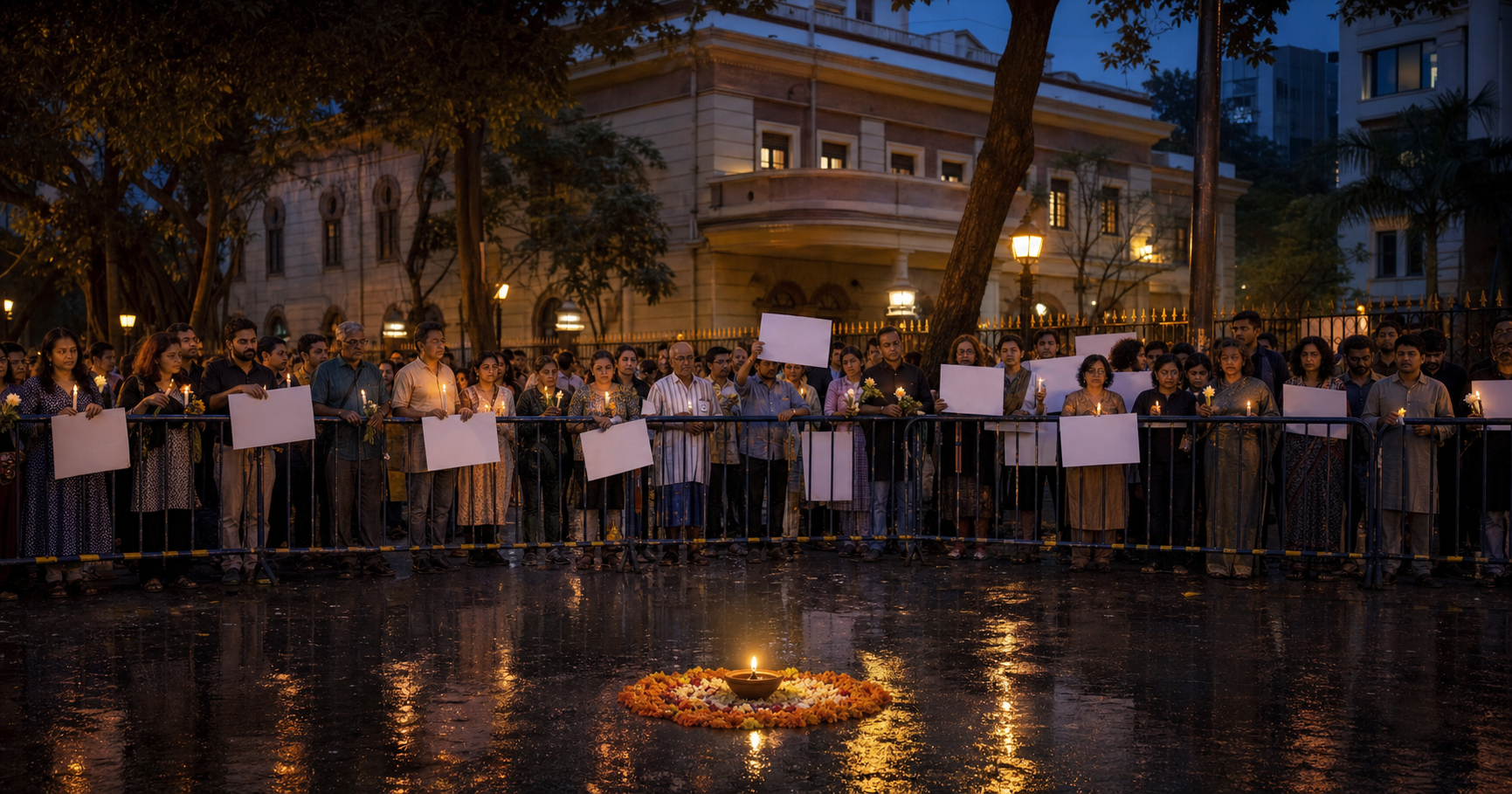
On December 23, 2025, protests intensified near the Bangladesh Deputy High Commission in Kolkata. Participants carried placards, raised #JusticeForDipuDas and demanded accountability for the reported killing. The gathering placed the safety of Hindus in Bangladesh within a wider human-rights claim: equal protection, access to justice and security for communities exposed to targeted violence.
Eyewitness accounts and local reports said that police used lathis after people pressed against the barricades. Traffic was briefly disrupted, scattered injuries required first aid, and order was restored after a short period. No reliable injury total is established by the facts presently available, so do not add a number when sharing the incident. The same caution applies to claims about arrests, individual police conduct or the precise sequence at every point along the barricade.
The killing itself also requires careful language. Dipu Chandra Das has been identified as a Hindu youth killed in Bangladesh, but the available facts do not settle the identity of the perpetrator or perpetrators, the motive, the evidentiary record or the status of legal proceedings. If you state any of those matters as proved without verification, you replace a legitimate demand with a claim that can be challenged. Say reported killing when discussing details that still require official confirmation, and reserve conclusions about guilt for a credible investigation and lawful process.
This is not a reason for silence. It is the reason to demand evidence preservation, witness safety, investigative independence and public updates. A transparent probe is not a weaker alternative to immediate accusation. It is the path by which accusation becomes an enforceable finding.
Justice for Dipu Das needs five measurable demands

A slogan can bring people together, but it cannot tell you whether authorities have acted. For #JusticeForDipuDas to remain meaningful after the crowd disperses, every demand should point to an observable institutional step.
- An impartial and time-bound investigation. Bangladesh’s relevant authorities should investigate the killing without political or communal interference. Time-bound does not require supporters to invent an arbitrary deadline; it requires authorities to state the process, its milestones and when the public should expect the next update.
- Protection for witnesses and the victim’s family. People cannot safely assist an investigation if reporting a threat exposes them to retaliation. Protection must include confidential reporting routes, careful handling of identities and a responsive mechanism for reporting intimidation.
- Regular public disclosure of investigative milestones. Authorities need not publish sensitive evidence, but they can confirm whether a case has been registered, evidence is being examined, witnesses are being protected and legally appropriate action has followed. Silence creates room for both impunity and misinformation.
- Accessible legal aid and minority-protection mechanisms. The response must extend beyond one case. Safe grievance channels, legal assistance and preventive protection for at-risk minority communities give threatened people a way to act before violence escalates.
- Constructive India-Bangladesh diplomatic engagement. The issue should be raised through appropriate bilateral channels while respecting Bangladesh’s sovereignty and legal framework. The aim is not diplomatic theatre. It is a clear request for investigation, minority security, transparent follow-up and compliance with human-rights commitments.
The Bangladesh Deputy High Commission is a diplomatic mission, not the court or investigating agency that will decide the case. A protest outside it can communicate urgency and transmit public concern, but evidence gathering and prosecution remain matters for Bangladesh’s legal institutions. Direct your message accordingly: ask the mission to convey the demands, ask Indian representatives to pursue appropriate diplomatic engagement, and ask the relevant Bangladeshi authorities for verifiable progress.
This division of responsibility matters. A street gathering can create attention; it cannot examine forensic material, protect testimony or lawfully determine guilt. When a campaign confuses those roles, it becomes easy for authorities to respond to the noise while avoiding the case. Keep returning to the five actions that can be checked.
Dharmic unity is tested by the method of protest
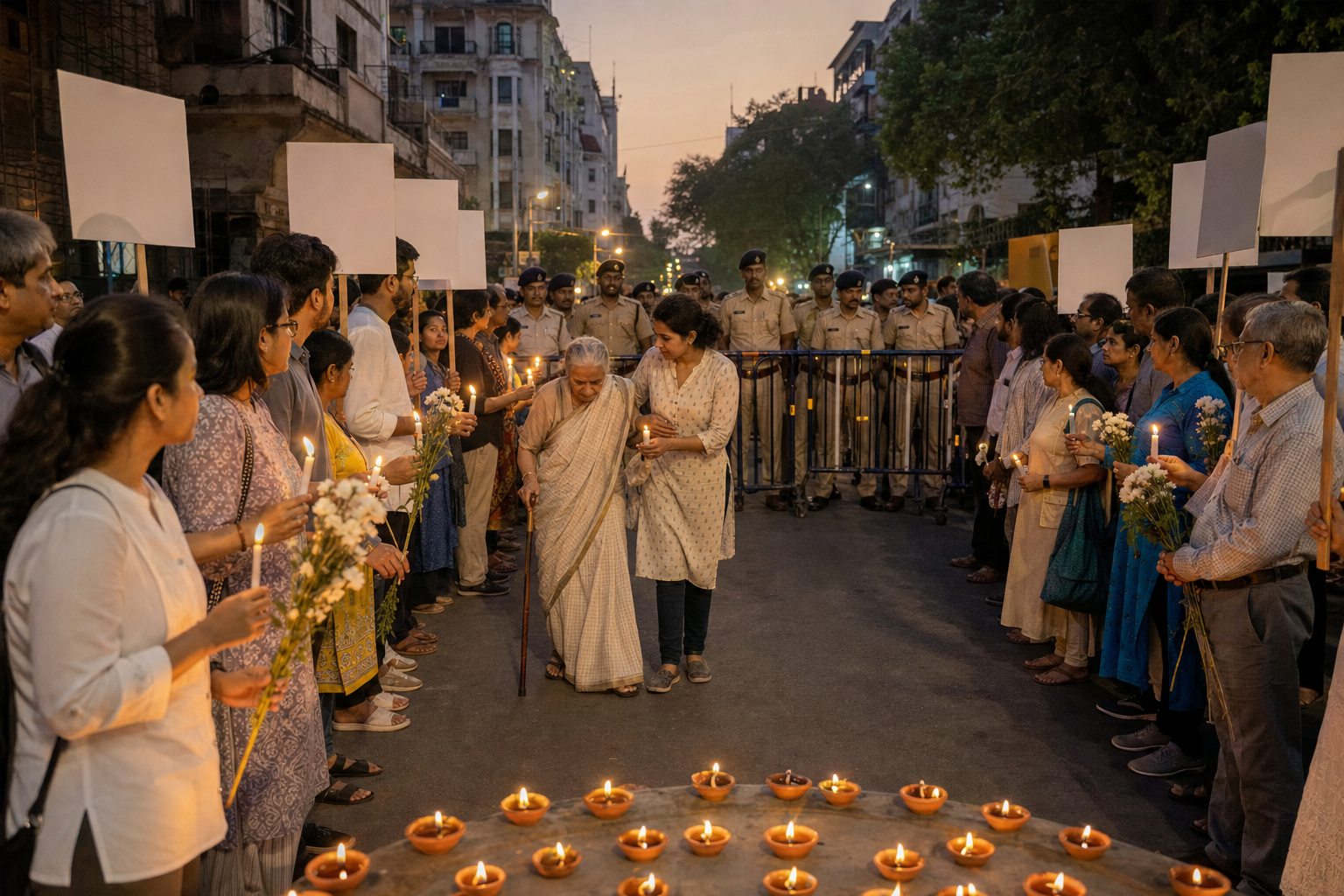
Hindu, Buddhist, Jain and Sikh representatives and well-wishers stood together in Kolkata. That unity should not be treated as decoration around the event. It establishes a demanding standard for how solidarity is practised: courage without indiscriminate anger, insistence without dehumanisation, and public action disciplined by ahimsa.
Ahimsa does not mean accepting injustice. It governs the means used to resist it. If a perpetrator is identified through evidence, that person must face accountability under law. An entire population cannot be assigned that guilt. Do not turn solidarity for a Hindu victim into hostility toward every Bangladeshi or every Muslim. Collective blame replaces conduct with identity, invites communal tension and gives opponents an excuse to dismiss the substantive demands.
The lathi-charge raises a second issue that must be kept analytically separate. Reports that the crowd pressed against barricades explain why the confrontation developed, but they do not by themselves establish whether every use of force was necessary or proportionate. Likewise, anger over police action does not prove every allegation made about it. If accountability for protest policing is sought, ask for recordings, medical documentation, witness accounts and an official explanation. Do not fold unsupported claims about Kolkata into unsupported claims about the killing in Bangladesh.
If you attend a future gathering, ask the organisers where the permitted assembly area, first-aid point and safe exit are. Stay behind barricades and do not add pressure when the front of the crowd compresses. Follow designated stewards and lawful safety instructions. Make room for older people, children, injured participants and bystanders to leave. These are not minor matters of etiquette; they protect the protest’s people, purpose and credibility.
How you can support the campaign without spreading harm

You do not need to be at a street protest to contribute. Choose a role you can sustain: accurate communicator, constituent writing to a representative, peaceful participant, supporter of verified legal aid, or monitor of official follow-up.
- Share the narrow, verified sequence. State that protests followed reports of Dipu Chandra Das’s killing in Bangladesh; that demonstrators gathered near the Bangladesh Deputy High Commission in Kolkata; and that police carried out a lathi-charge after the crowd reportedly pressed barricades. Label anything beyond that sequence as unverified unless you can point to credible evidence.
- Attach demands to the hashtag. A post containing only #JusticeForDipuDas expresses feeling but gives an institution nothing precise to answer. Add the requests for an impartial investigation, witness protection, public milestones, minority safeguards and diplomatic follow-up.
- Send a written representation. Contact an appropriate elected representative, diplomatic mission or public authority. Keep the message factual, ask what action that office can take, and retain the response. A usable formulation is: Please seek an impartial and time-bound investigation into the reported killing of Dipu Chandra Das, protection for witnesses and vulnerable minorities, regular public updates, access to legal aid, and appropriate India-Bangladesh diplomatic engagement. Please confirm what action your office can take.
- Document responsibly if you are present. Preserve original photographs or video, note the time and location, and keep an unedited copy. Do not publish a potential witness’s face, home address, telephone number or other identifying details without considering the person’s safety. Send material relevant to an alleged offence through an appropriate legal or investigative channel rather than editing it for maximum social-media impact.
- Check any organisation before donating. Confirm who operates it, what the money will support, how the beneficiary or legal team is identified, and whether there is a record of expenditure. Do not send money merely because a viral account uses Dipu’s name.
- Continue after attention falls. Track the announced investigative milestones. If none are announced, ask for them. Correct false claims even when they favour your own side, because a campaign that tolerates convenient misinformation eventually loses the ability to distinguish evidence from propaganda.
Key takeaways
- The central fact is a reported killing that requires a credible investigation; unverified claims about motive or guilt should not be presented as findings.
- The Kolkata mobilisation demanded justice and minority protection, while the barricade confrontation led to a police lathi-charge and scattered injuries requiring first aid.
- A serious campaign asks for five things that can be tracked: investigation, witness safety, public milestones, minority safeguards and diplomatic engagement.
- Dharmic solidarity is strongest when it rejects collective blame, protects bystanders and keeps protest nonviolent.
- Your most useful next step is to pair #JusticeForDipuDas with a precise written demand and then follow the institutional response.
Before you publish the next message or attend the next gathering, put the five demands beside Dipu’s name and remove every claim you cannot verify. Then send that record to an office capable of acting and keep asking for the next measurable step. Disciplined attention lasts longer than a surge of anger, and it leaves institutions fewer places to hide.
References
