

If you are asking what can actually protect Bangladesh’s Hindu minority after the killing of Dipu Chandra Das, the answer is not louder outrage by itself. The useful question is whether public concern can be converted into an impartial case process, continuing diplomatic attention, credible protection and a record that officials must answer.
You can help make that conversion. Whether you are writing to a representative, organising a gathering or sharing #JusticeForDipuDas, your intervention should make it harder for the case to be ignored, distorted or absorbed into a cycle of communal accusation.
Define justice before demanding action
The killing of Hindu youth Dipu Chandra Das became the catalyst for coordinated protests across India. Participants called for diplomatic intervention, an impartial investigation, strict action against those responsible and sustained protection for Bangladesh’s Hindu minority. Those demands belong together, but they are not interchangeable.
Justice concerns this particular killing. Protection concerns the conditions under which another family might face the same danger. If advocacy secures attention for the case but no preventive mechanism, the underlying vulnerability remains. If officials announce broad protection without disclosing what happened in the case, impunity remains possible.
A complete demand therefore needs four parts:
- Truth: an impartial process that establishes what happened using evidence rather than viral claims or communal assumptions.
- Accountability: lawful investigation and action against the people responsible, with guilt determined individually rather than assigned collectively.
- Protection: a credible way to flag threats, respond to incidents and protect vulnerable minority communities before violence escalates.
- Transparency: public reporting that shows whether the investigation, legal process and protection commitments are progressing.
Strict action must mean consequences through the rule of law. It must never become a euphemism for collective punishment, retaliation or a presumption of guilt. That distinction is both ethically necessary and strategically important: a justice campaign loses its legitimacy when it reproduces the indiscriminate hostility it condemns.
Turn public concern into questions officials must answer
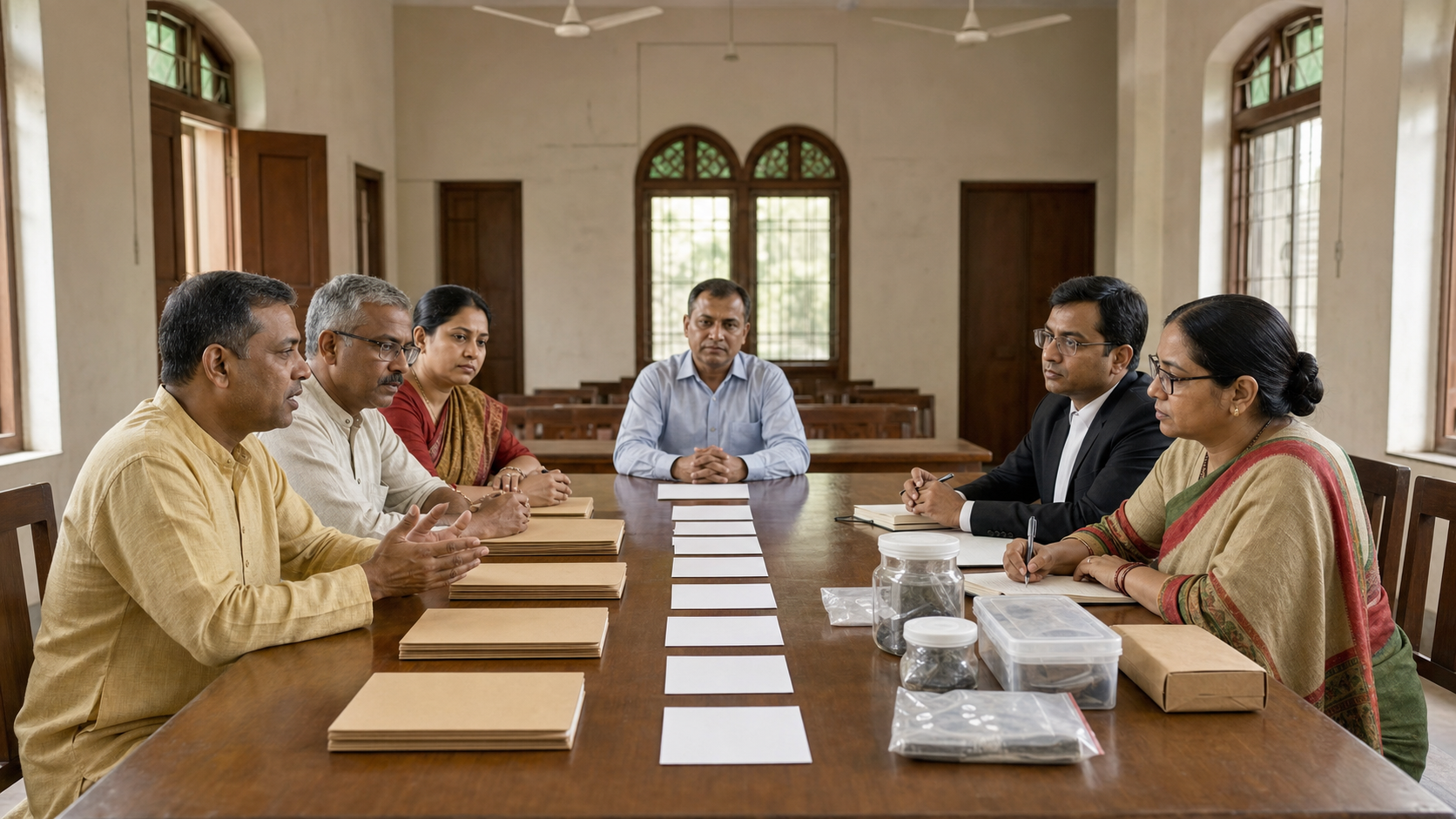
“Do something” expresses urgency, but an office cannot be held to account for such an undefined request. Give elected representatives, diplomatic offices and civil-society organisations a short set of deliverables that can be logged, routed and revisited.
- Create a verified case note. Record Dipu Chandra Das’s name, the fact that he was killed, the public demands arising from the case and the link supporting those facts. Keep allegations and inferences in separate, clearly labelled lines. Do not add a motive, method, suspect or sequence of events unless you have reliable evidence for it.
- Identify the office that owns the next step. Ask your elected representative or the relevant foreign-affairs office to raise the matter through an established Bharat-Bangladesh channel. A request sent to everyone in general is easy for everyone in particular to ignore.
- Request defined outputs. Ask for confirmation that an impartial investigation is being pursued, that lawful action will follow the evidence, that protective arrangements for vulnerable Hindu communities are being addressed and that progress will be reported publicly.
- Ask for the next update. Do not invent a deadline unsupported by the case. Ask the receiving office to state when it expects to provide its next status report and which authority will supply it.
- Preserve the response trail. Save acknowledgements, substantive replies and follow-up dates. If you represent an organisation, maintain one case record rather than scattering correspondence across private inboxes and social accounts.
A concise message is more useful than a long denunciation. You can adapt this wording:
“I am requesting measurable action concerning the killing of Dipu Chandra Das and the protection of Bangladesh’s Hindu minority. Please raise the case through the appropriate bilateral channel and seek confirmation of an impartial investigation, lawful action against those responsible, credible minority-protection measures and public reporting on progress. Please also identify the mechanism tracking the matter and the expected date of the next update.”
Attach only material you have checked. Never publish a witness’s contact details, a family’s private information or the location of a person who may be at risk. Visibility can protect a case, but careless exposure can endanger the people whose safety the campaign is meant to defend.
Build diplomatic pressure as a continuing accountability loop
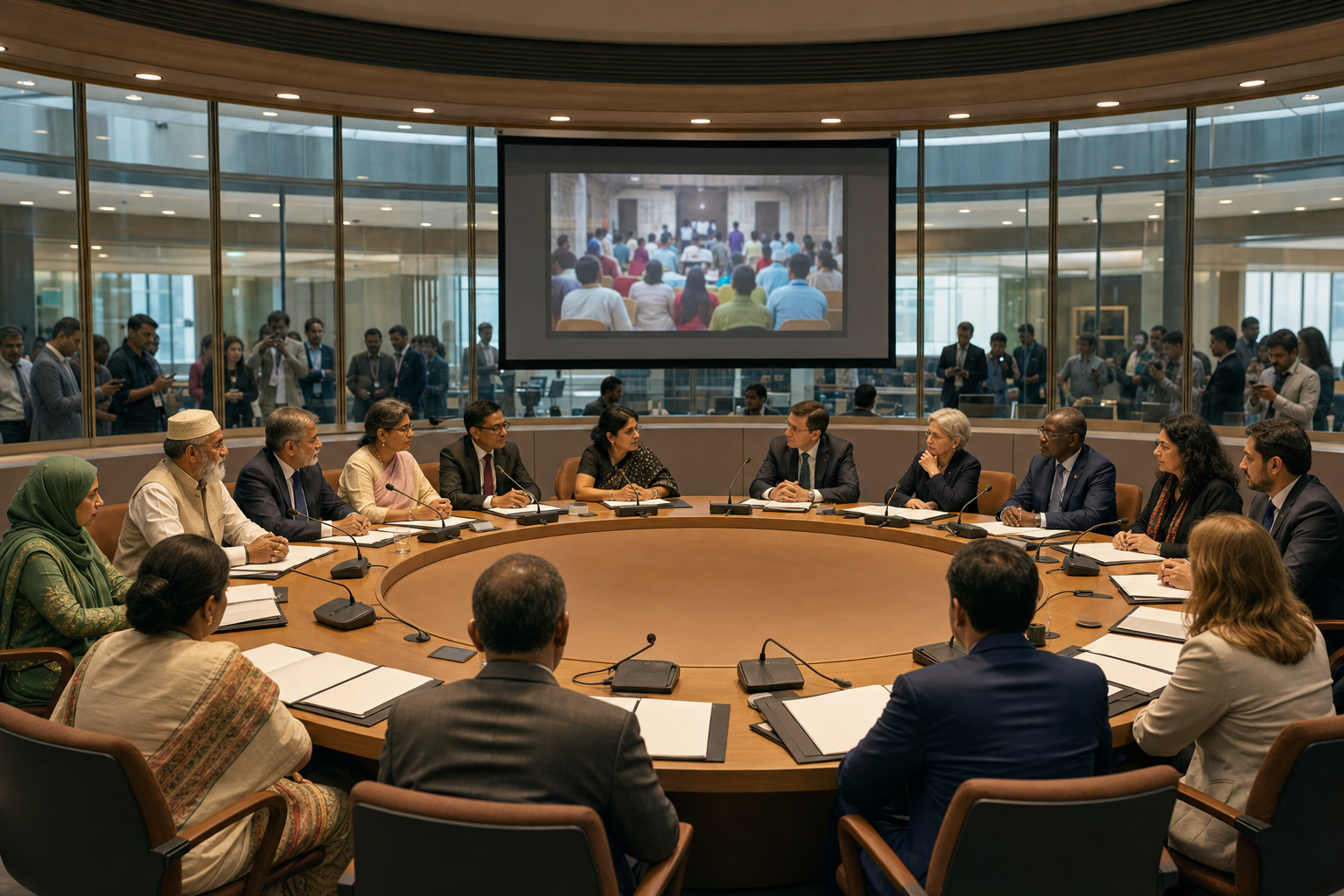
A forceful statement can place a case on the public agenda. It cannot, by itself, investigate a killing, sustain protection or show whether commitments were fulfilled. Diplomatic intervention becomes meaningful when it works as a loop:
- The incident is formally flagged through a bilateral mechanism.
- Authorities are asked for verified facts and an impartial investigation.
- Legal cooperation is offered or requested wherever it is relevant to bringing offenders to justice.
- Protective action is considered alongside the individual case rather than postponed until after another incident.
- Progress is reviewed and reported so that an acknowledgement cannot be mistaken for a resolution.
This is what calibrated diplomacy should mean in practice: clear demands, an identified channel, recorded follow-up and escalation when the first route does not produce credible answers. Calibration is not silence. It is disciplined pressure aimed at an outcome rather than a moment of political theatre.
Bilateral engagement should usually carry the first operational request because Bangladesh’s authorities are responsible for protecting their citizens and administering the case. Multilateral scrutiny can reinforce that request when impartial fact-finding, minority-rights monitoring or added transparency is needed. The forum matters less than the deliverable: verified facts, individual accountability, preventive protection and an outcome visible enough to restore trust.
Do not interpret a quiet diplomatic period as proof that nothing is happening, or an official statement as proof that the problem has been solved. Ask what was raised, which authority received it, what response came back and what happens next. A case remains open in civic terms until process is matched by a verifiable result.
Bharat does not have to choose between a stable relationship with Bangladesh and concern for Bangladeshi Hindus. The safety and equal dignity of vulnerable citizens are part of the relationship’s credibility. Treating minority protection as an optional irritant may preserve surface calm while leaving a deeper source of mistrust untouched.
Protect the Dharmic character of the campaign

Hindu, Buddhist, Jain and Sikh participants have expressed solidarity around non-violence, compassion and justice. That shared Dharmic position gives the campaign a clear boundary: it opposes targeted violence and impunity, not an entire religious community.
For organisers and supporters, a sound public message has three elements. Name the person whose justice is sought. Name the institutional action required. Refuse collective blame. If any one of those elements disappears, the campaign becomes easier to dismiss or misuse.
- Keep the victim visible. Use Dipu Chandra Das’s name accurately and connect #JusticeForDipuDas to concrete demands rather than allowing it to become a free-floating expression of anger.
- Describe responsibility precisely. Refer to perpetrators, investigators, authorities and protection duties. Do not substitute the name of a whole population for the people who committed or enabled a particular wrong.
- Make ahimsa operational. Reject threats, revenge language and dehumanising comments. Remove threats and exposed personal information from pages you control.
- Correct errors where they spread. If your group circulates an unsupported detail, correct it through the same channel. Quietly deleting it may stop further sharing, but a visible correction repairs the public record.
- Measure success by protection and accountability. Crowd size and online reach can attract attention; they do not establish that an investigation is impartial or that a vulnerable family is safer.
This discipline is not a concession to indifference. It strengthens the moral and factual basis of the demand. It also makes cooperation across Dharmic communities more durable because everyone can stand behind a rule that protects innocent people and holds actual offenders responsible.
Key takeaways: an action plan you can use

- Build a one-page record containing confirmed facts, the supporting link, four defined demands and a space for official responses.
- Ask for an impartial investigation, lawful accountability, credible protection and public reporting as separate deliverables.
- Send the request to an office capable of raising it through a bilateral or diplomatic mechanism, then record who acknowledged it.
- Ask the office to name the next action, the responsible authority and the next update it expects to provide.
- Use multilateral scrutiny to reinforce fact-finding and transparency when the bilateral process does not produce credible clarity.
- Protect witnesses, families and vulnerable community members by withholding private details that could expose them to danger.
- Keep #JusticeForDipuDas centred on the victim, the rule of law and minority protection; reject retaliation and collective blame.
Your next useful step is small and traceable: send one precise request to one responsible office, save the response and set a follow-up. Public memory fades on its own. An organised accountability trail does not have to.
References
