

If you are arranging a vrata, home puja, temple visit, kirtan, or community gathering in February 2026, the busiest point comes immediately. Thaipoosam, Purnima, Guru Ravidas Jayanti, and Guru Gorakhnath Jayanti all fall on 1 February in the IST calendar, followed by the beginning of Phalgun in many North Indian calendars on 2 February.
Mark those dates now, but do not mistake a civil-date list for complete ritual timing. Your sampradaya, region, location, family tradition, and local Panchang still determine how an observance should be kept.
February 2026 calendar at a glance
The core February schedule in Indian Standard Time places four distinct observances on 1 February. Treat them as overlapping sacred occasions, not as one blended festival with a single universal ritual.
| Date in IST | Observance | What to plan |
|---|---|---|
| 1 February 2026 | Thaipoosam, also called Thaipooyam | Confirm the Murugan worship, vow, fasting discipline, prayers, or temple observance followed by your family or community. |
| 1 February 2026 | Purnima and Guru Ravidas Jayanti | Set aside time for full-moon worship where customary, along with kirtan, reflection on Sant Ravidas’s teachings, and seva. |
| 1 February 2026 | Guru Gorakhnath Jayanti | Plan remembrance of Guru Gorakhnath through the yoga, meditation, study, or devotional practice appropriate to the Nath tradition. |
| 2 February 2026 | Phalgun month begins in many North Indian calendars | Change the monthly entry in your household calendar only if it follows this North Indian reckoning, and verify the transition locally. |
This table is enough for advance planning. It is not enough for deciding the exact start or completion of a fast, the applicable sunrise, or a temple’s program time. Those decisions require a Panchang calculated for your location and interpreted according to the custom you actually follow.
How to handle four observances on 1 February
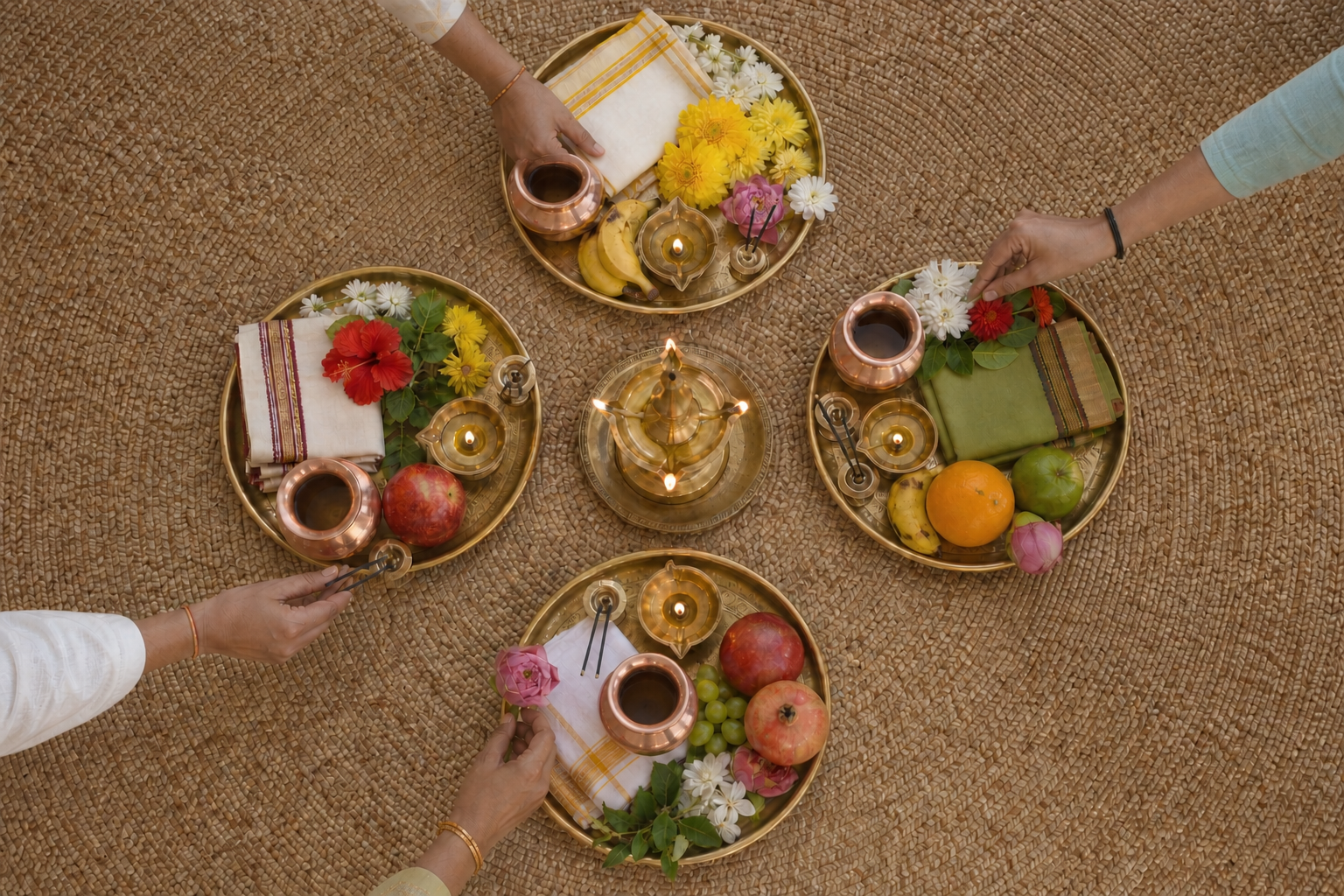
A crowded date can create the false impression that you must perform every observance, or that all four should be merged into one ceremony. Neither approach respects the distinct devotional settings involved. Begin with your inherited or chosen sampradaya, then decide whether another observance can be acknowledged without displacing the first.
- Identify your primary observance. Ask which deity, guru, lineage, or vrata your household normally honours on this date.
- Confirm the required discipline. If your custom includes fasting, a vow, temple worship, or a particular prayer routine, obtain the details from a trusted family elder, acharya, or temple.
- Separate distinct practices. A Murugan vrata, a Ravidas Jayanti gathering, and Nath remembrance need not be compressed into one ritual sequence.
- Choose one shared ethical action. Seva, a sattvic household meal, respectful study, or quiet prayer can give the family a common centre while each tradition retains its character.
- Write down the practical commitments. Record who will attend the temple, who will prepare the meal, when the family will pray, and which community program requires travel.
If the day includes a demanding fast, do not improvise its rules from a generic calendar entry. Follow the discipline of your tradition. If abstaining from food or water could interfere with a medical condition or prescribed medicine, seek qualified medical guidance and ask an appropriate religious teacher how the vrata may be adapted.
Thaipoosam: make the vow concrete
Thaipoosam centres devotion on Lord Murugan, also known as Subrahmanya. Its recurring themes are disciplined devotion, austerity, inner strength, and moral courage. If you are observing it, define the commitment before the day begins: the fast or restraint you will follow, the prayer you will keep, and whether you will attend a temple program.
The practical test is simple. Your vow should be clear enough that you know what keeping it means. A vague intention to be more disciplined is easily forgotten; a specific prayer period, restraint, or act of service can be carried through with awareness.
Guru Ravidas Jayanti and Purnima: connect devotion with seva
Guru Ravidas Jayanti coincides with Purnima on 1 February. Kirtan, engagement with Sant Ravidas’s ethical teachings, and seva are fitting ways to honour a legacy associated with equality, humility, and social uplift.
If you are organising a gathering, give each element a real place in the program. Decide who will lead the kirtan, which teaching will be discussed, and what service will actually be completed. Seva becomes more useful when it has a recipient, a responsible person, and a defined task rather than remaining a ceremonial announcement.
Guru Gorakhnath Jayanti: protect time for practice
Guru Gorakhnath Jayanti honours the Nath tradition’s emphasis on yoga, meditation, and self-mastery. If this is part of your lineage or devotional life, protect a quiet period for the practice itself. A full public schedule can otherwise leave remembrance of the guru as little more than a calendar label.
Choose a form already grounded in your training or community: established yoga practice, meditation, study, prayer, or participation in a recognised gathering. The observance calls for steadiness, not novelty.
Why the IST date is not your complete ritual timing

Indian Standard Time provides a clear planning reference, especially for families coordinating across cities. Hindu observance, however, is often governed by tithi, local sunrise, and regional rules rather than by the civil date alone. A Panchang can therefore supply information that a month-view calendar cannot.
- Set the Panchang to the city where you will perform the observance, not merely the city where a relative or temple calendar was printed.
- Check the relevant tithi transition and the local sunrise-based rule before fixing a vrata or puja period.
- Use the regional calendar tradition followed by your household. The beginning of Phalgun on 2 February applies to many North Indian calendars and should not be treated as a universal month boundary for every Hindu community.
- Confirm fasting and completion rules with a trusted regional Panchang, temple, or teacher instead of deriving them from the festival name alone.
- For a community event, distinguish the sacred timing from the public program time. A temple may schedule collective worship for practical reasons while still following the applicable ritual calculation.
If you live outside India, use the IST dates as an alert rather than automatically transferring them to your local calendar. Your location has its own sunrise and Panchang calculations. Confirm locally before beginning a fast, announcing a puja, or telling a congregation that a tithi starts at a particular time.
Key takeaways for February 2026
- Reserve 1 February early: Thaipoosam, Purnima, Guru Ravidas Jayanti, and Guru Gorakhnath Jayanti share the date in IST.
- Do not assume that overlapping observances have identical rituals or that every household must keep all of them.
- Use your sampradaya and family tradition to decide the primary vrata, worship, study, meditation, kirtan, or seva.
- Phalgun begins on 2 February in many North Indian calendars; verify which calendar system your household follows.
- Use a location-specific Panchang for sunrise, tithi transitions, fasting rules, and ritual timing.
- Coordinate temple visits and public programs separately from the sacred timing prescribed by your tradition.
Put a workable household plan in place
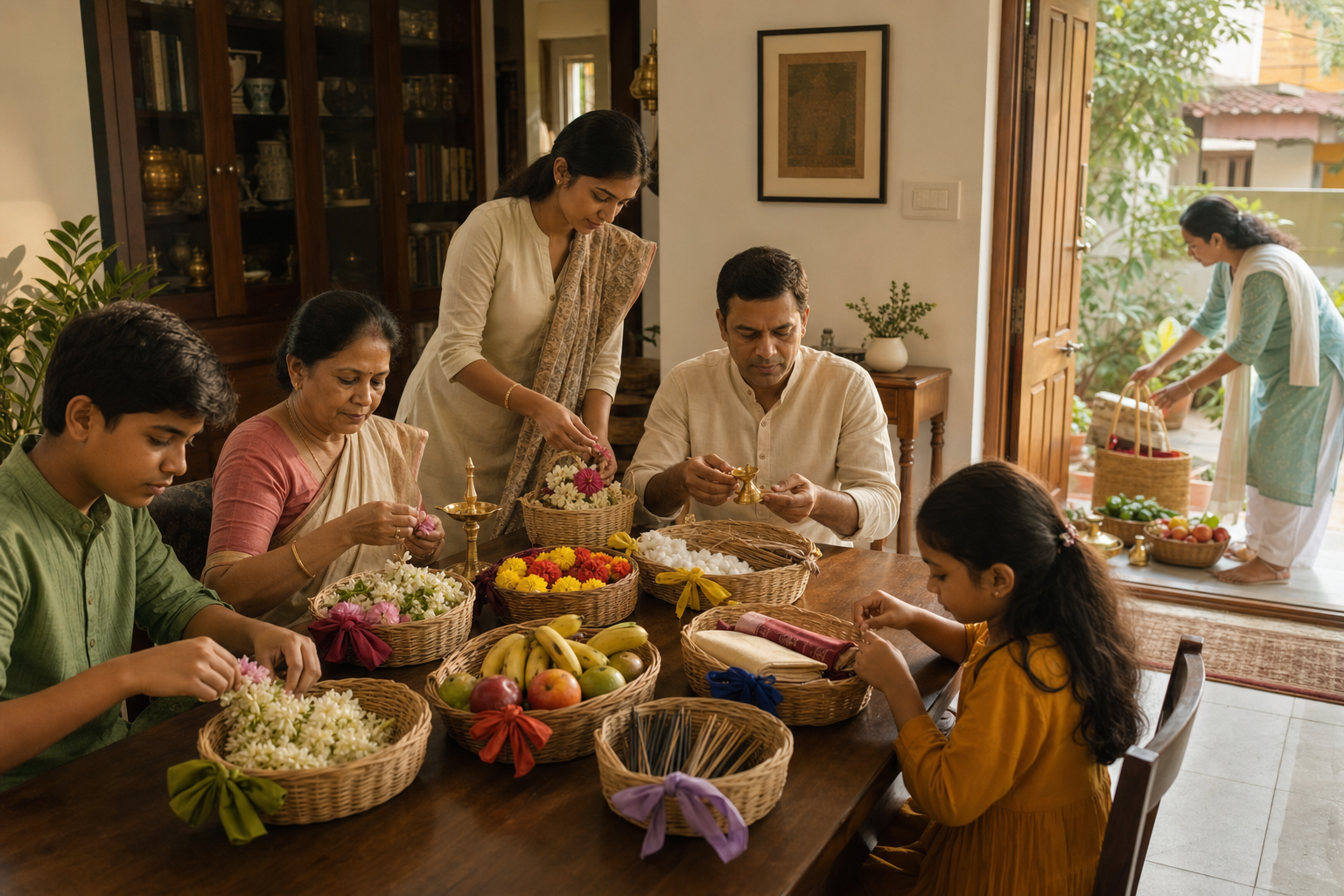
Before February begins, create one calendar entry for each observance your household will actually keep. Add the temple or community contact, your intended practice, meal arrangements, and a reminder to verify local Panchang timing. If you organise a public event, assign responsibility for kirtan, teaching, seva, and communication rather than leaving them as broad intentions.
Then keep 2 February marked as a conditional calendar transition: apply the beginning of Phalgun if your North Indian calendar tradition does so, and leave other regional reckonings intact. That small distinction prevents a useful IST planner from being mistaken for a single rule imposed on Hindu communities everywhere.
With the dates recorded and the local details verified, you can approach the month without last-minute confusion. Let the calendar support the practice: a kept vow, an hour protected for prayer or meditation, a teaching studied carefully, and seva completed with humility.
References
