
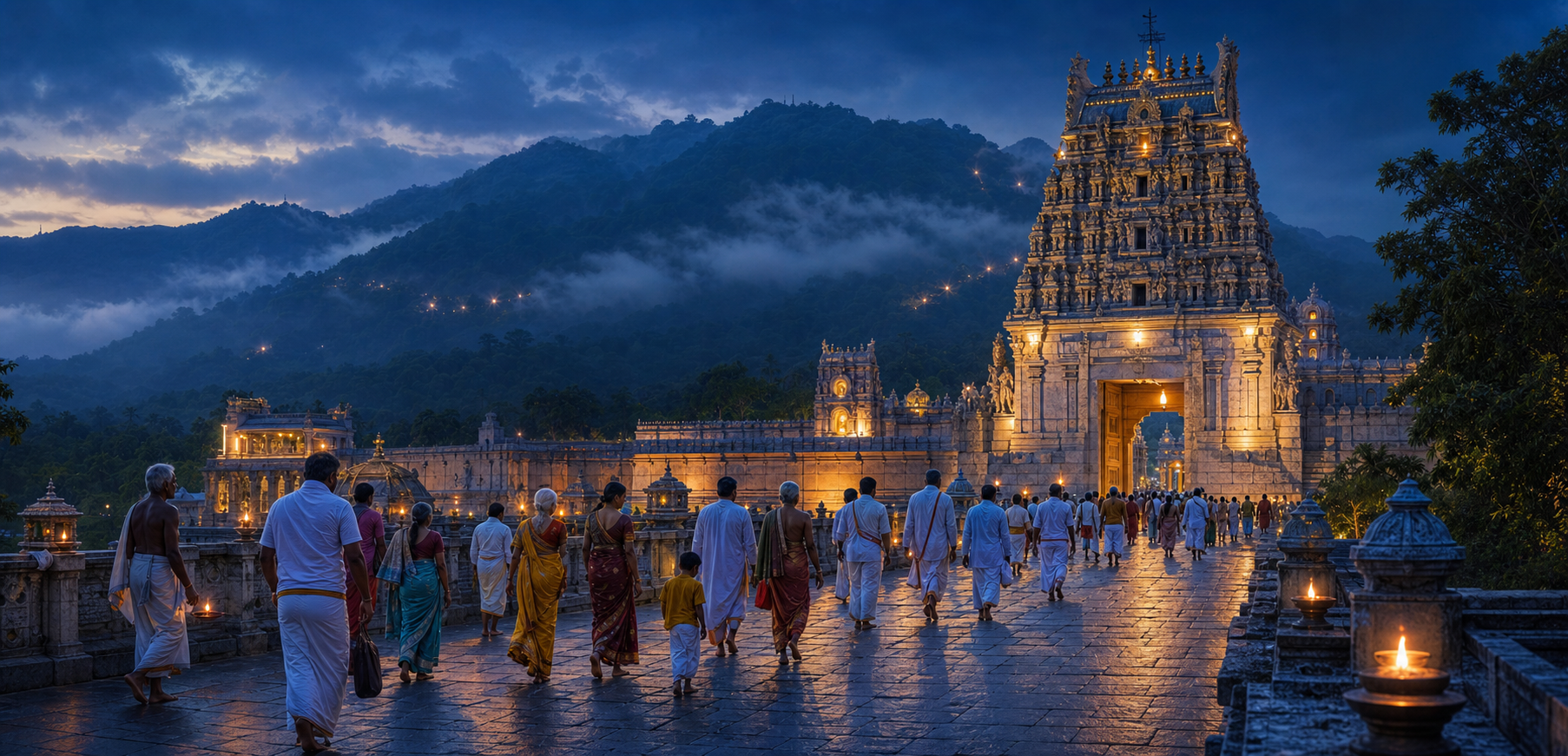
If you are planning Vaikunta Ekadashi in Tirupati, your first decision is not how early to reach the queue. It is which temple you actually mean. The Tirumala hill shrine, temples in Tirupati city, and other shrines administered by Tirumala Tirupati Devasthanams may have different timings, entrances, and access arrangements.
Lock down three facts before making the journey: the exact shrine, the date for the current observance, and the temple-specific darshan protocol. Once those are settled, you can prepare a vrata that survives the demands of travel and crowds instead of being displaced by them.
Confirm the temple, date, and entrance separately
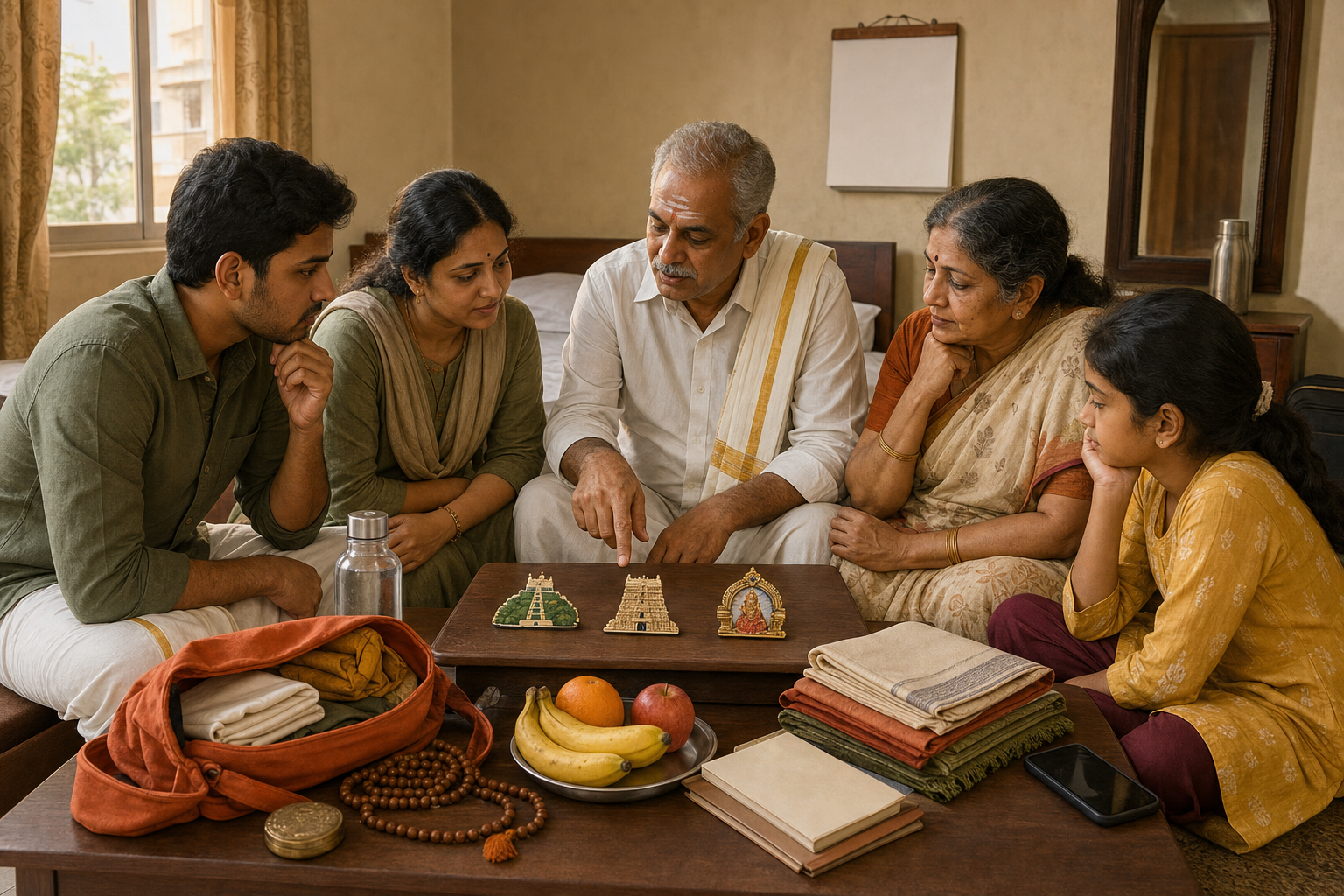
Vaikunta Ekadashi, also written Vaikuntha Ekadashi, does not remain on the same civil-calendar date every year. A date found in an older announcement belongs to that particular observance unless a current notification confirms otherwise. For example, Vaikunta Ekadashi fell on 30 December 2025 and Vaikunta Dwadashi on 31 December 2025 in one announced TTD cycle. Those are historical dates, not a reusable annual timetable.
Location matters just as much. TTD observances extend beyond the most famous shrine. The 2025 arrangements included regional temples such as Sri Soumyanatha Swamy Temple at Nandalur, Sri Prasanna Venkateswara Swamy Temple at Avulapalle, and the TTD-administered temple at Borragmanda. A notice covering outside temples should not be treated as an automatic notice for Tirumala.
- Write down the full name and location of the shrine you intend to visit. Do not plan around the word “Tirupati” alone.
- Confirm both Ekadashi and Dwadashi dates for the relevant year. Save the current notification rather than relying on a search-result summary.
- Check the announced darshan window, queue entrance, access conditions, and any restrictions on items you may carry.
- Verify whether Vaikuntha Dwaram access has its own protocol. Ordinary-day darshan habits should not be assumed to apply during the festival.
- Check again shortly before departure. Special sevas, processions, and crowd arrangements may be announced closer to the observance.
This distinction also matters when building a wider Tirupati itinerary. Sri Kodandaramaswamy Temple is a historic Rama shrine with roots traced to the Chola period in the tenth century CE, but its heritage does not by itself establish a particular festival schedule. Confirm its special pujas, recitations, and darshan hours independently before adding it to a tightly timed Ekadashi visit.
Build the vrata around remembrance, restraint, and seva
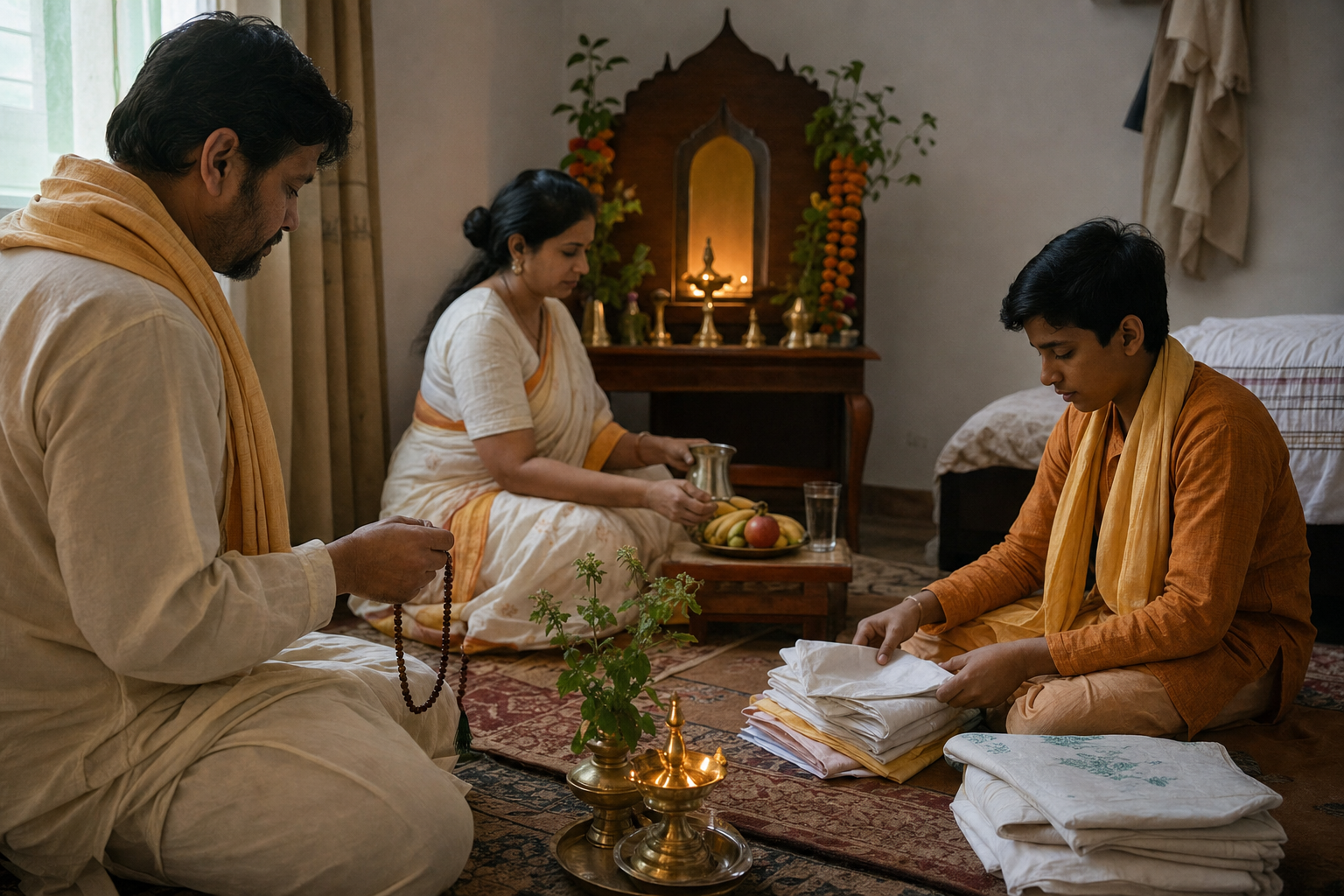
The opening of the Vaikuntha Dwaram represents more than passage through an unusual temple entrance. In the Sri Vaishnava observance, it is a sacred gateway associated with spiritual renewal and intensified Vishnu bhakti. The outer doorway gives the day a visible focus; the vrata asks what you are prepared to open, restrain, or redirect within yourself.
A practical sankalpa can have three parts:
- Restraint: undertake the form of fasting appropriate to your sampradaya, health, age, and responsibilities. Restraint should also include speech, impatience, waste, and the urge to push ahead of others.
- Remembrance: set a realistic commitment for Vishnu Sahasranama, nama-japa, collective prayer, or parayana. Choose a practice you can maintain while travelling and waiting.
- Seva: identify one way you will make the pilgrimage easier for someone else, such as staying attentive to an older relative, helping a child remain calm, following volunteer instructions promptly, or keeping the queue free of litter.
Do not turn fasting into an endurance contest. Children, older adults, pregnant devotees, and anyone whose health or medication makes food restriction risky should not copy another person’s strict vrata without appropriate professional guidance. A safe observance centred on prayer, self-restraint, and seva is more responsible than concealing distress in a crowded queue.
Keep Dwadashi in view when choosing your commitment. The day after Ekadashi continues the devotional movement through reflection, seva, and sacred study. Follow your family or sampradaya tradition for the details of completing the vrata; do not borrow a breaking-fast time from an old calendar or another location without checking that it applies to you.
Discipline, compassion, service, and inner reflection are recognisable across Hindu, Buddhist, Jain, and Sikh paths. That shared Dharmic vocabulary can deepen mutual respect without blurring the festival’s specifically Vaishnava identity or treating different traditions as interchangeable.
Make the darshan queue part of the observance
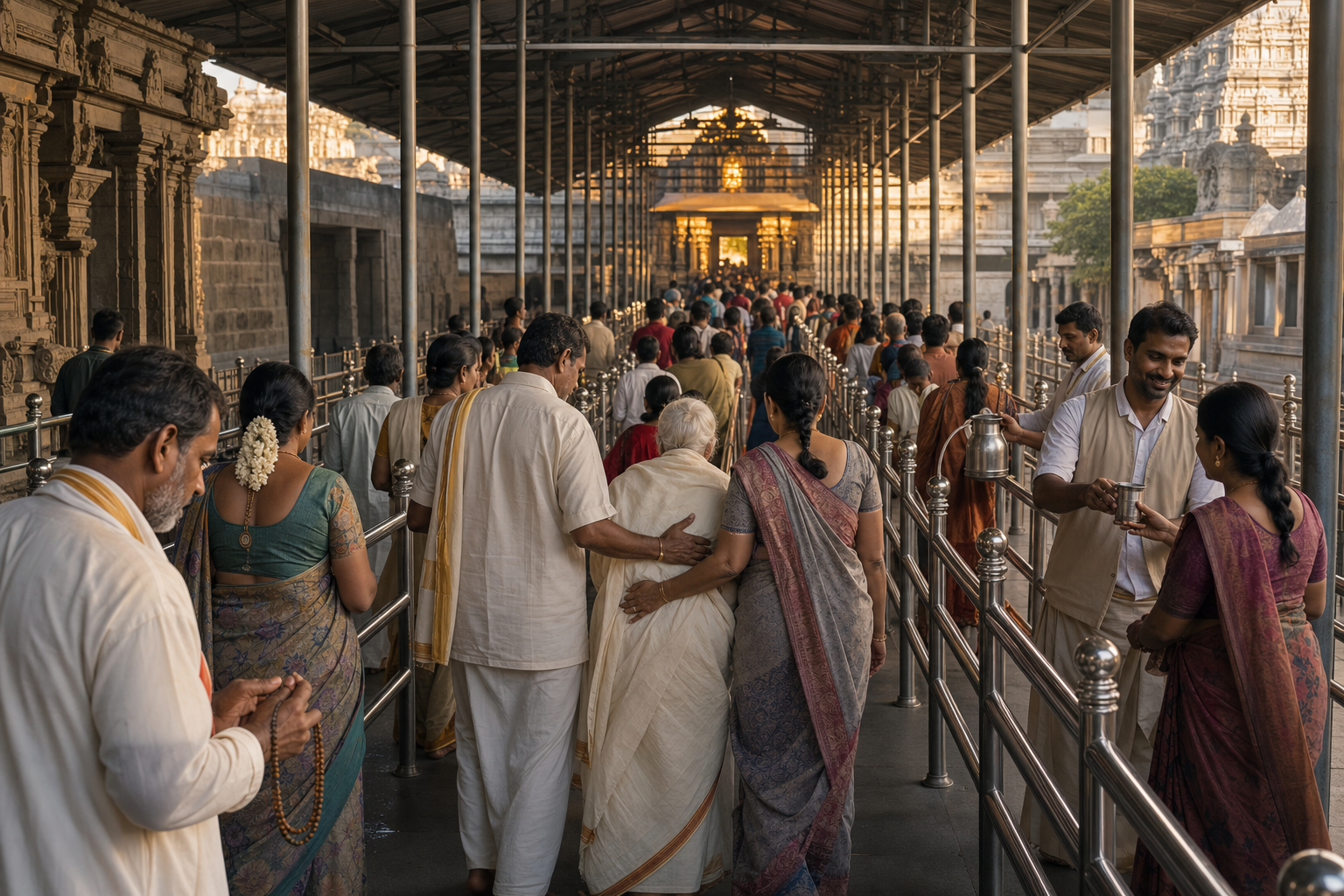
Festival infrastructure can reduce hardship, but it cannot make a major pilgrimage effortless. TTD preparations have included structured queues, shaded corridors, covered waiting areas, rangoli, and special floral alankaram. These arrangements are particularly valuable to families accompanying children and elders, yet shade does not eliminate fatigue and orderly barriers do not eliminate waiting.
Use a queue plan that protects both attention and family safety:
- Reach the correct temple early relative to its announced entry time, allowing a buffer for transport and security procedures.
- Before joining the line, make sure everyone understands the plan. Keep children and relatives who need assistance beside a designated adult rather than relying on the group to improvise.
- Carry only permitted essentials. Check current temple rules instead of assuming that food, liquids, bags, or electronic devices will be admitted.
- Use the waiting period for quiet nama-japa, Vishnu Sahasranama, or silence. Loud conversation and constant phone use make the shared space harder for everyone.
- Follow the directions of priests, staff, and volunteers promptly. During heavy footfall, a moment of individual insistence can interrupt movement for many people behind you.
- Do not stop in a moving passage to obtain a longer view. Receive darshan attentively, then continue so the next devotee can approach with the same dignity.
Extended darshan hours may be provided at some TTD temples, but they are not a promise for every shrine or every year. Treat a longer window as confirmed only when it appears in the current temple-specific communication.
The queue is where the day’s restraint becomes concrete. The spiritual test is rarely whether you can stand before the sanctum for a few seconds. It is whether you can reach those seconds without surrendering courtesy, patience, or consideration for a more vulnerable pilgrim.
Receive the alankaram without treating it as spectacle
One preparation cycle planned approximately 10 tons of traditional flowers and one lakh cut flowers across TTD temples. That scale reveals the labour invested in creating a sacred atmosphere. It does not guarantee the same quantity or design at a future observance, and it should not turn darshan into a competition for photographs.
Floral alankaram, lamps, rangoli, recitation, queue discipline, and volunteer service work together. Beauty draws the senses toward the deity; order allows thousands of other devotees to do the same. You honour both purposes when you avoid touching decorations, observe the temple’s photography rules, keep packaging and offerings out of walkways, and refrain from blocking another person’s view.
Wear attire suited to the sanctity of the temple and the practical demands of waiting. If the temple provides a designated place for pradakshina, prasadam, or quiet reflection, use it after leaving the moving darshan route. Do not create a private pause in a corridor that staff are trying to keep clear.
This is also why a less elaborate regional observance need not feel spiritually secondary. The measure of the visit is not the quantity of flowers or the size of the crowd. It is whether the temple’s worship, your vrata, and your conduct remain directed toward Bhagavan.
Frequently asked pilgrimage questions
Is a Tirupati temple announcement valid for Tirumala?
No. Confirm the exact shrine named in the announcement. Tirumala, Tirupati city temples, and regional TTD-administered temples can have different schedules and access protocols.
Can I use the 30 December date for another year?
No. The 30 December Ekadashi and 31 December Dwadashi dates applied to the 2025 observance described above. Check the current year’s TTD communication and the relevant temple notice board.
What if a strict fast is unsafe for me?
Do not put your health at risk to imitate someone else’s practice. Seek appropriate medical guidance where needed, follow a suitable form of vrata within your tradition, and preserve the day’s core disciplines of remembrance, restraint, prayer, and seva.
Should I plan for Vaikunta Dwadashi as well?
Yes, if your circumstances permit. Dwadashi is a distinct continuation of the observance, not merely an overflow day for crowds. Confirm its darshan schedule separately and follow your sampradaya’s instructions for concluding the vrata.
Before booking travel, write the exact shrine, current Ekadashi and Dwadashi dates, and applicable access rule on one page. Then choose a vrata you can keep with steadiness from prayer at home through the final queue. That preparation gives temple logistics their proper place: supporting darshan rather than consuming it.
References
- HinduPad – Tirupati TTD Temples Gear Up for Vaikunta Ekadashi with 10 Tons of Flowers and Seamless Darshan
- HinduPad – Vaikunta Ekadashi 2025 in TTD Temples (30-31 Dec): Sacred Gates and Shared Dharma
- HinduPad – Tirupati Kodandaramaswamy Temple: January 2026 Festival Highlights and Pilgrim Guide
