

If you are drawn to Shakta Tantra but unsure whether transformation requires taboo substances, sexual ritual, or secret techniques, begin with a cleaner question: what in you is the ritual meant to change?
The practical answer is your relationship to fear, power, desire, time, speech, and action. A ritual is transformative when it carries recognition of Shakti into your conduct. Intensity by itself proves very little.
Transformation is an enacted change, not an altered mood
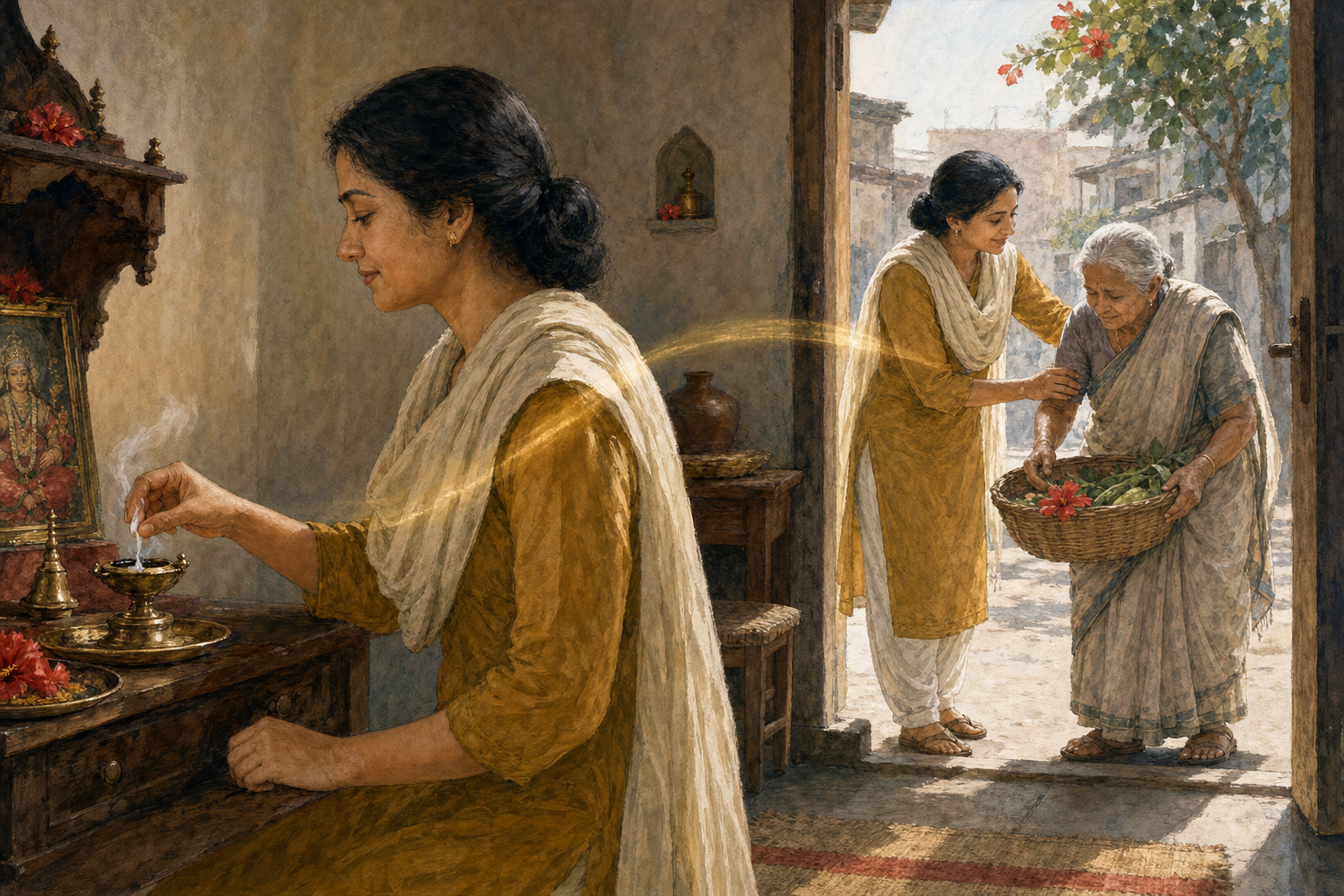
Shakta Tantra approaches Shakti as divine power, not as an inert object possessed by the practitioner. She is the energy through which reality appears, changes, conceals, and reveals itself. Kali makes this especially clear: she represents transformation, the movement of time, and the liberating awareness in which change can be faced without clinging.
Ritual gives that insight a bodily form. Attention is gathered through dharana; sacred speech is cultivated through mantra-japa; visualization educates imagination; nyasa relates the body to sacred presence; and breath can be refined under appropriate instruction. These are disciplines for aligning attention with Shakti, not decorations surrounding an otherwise ordinary wish.
This is why a Tantric rite cannot be judged only by what appears on the altar. The external form matters, but its purpose is to reorganize perception, speech, emotion, and action around the Goddess. If the rite ends when you stand up, its transformative work has not yet reached daily life.
The thirteen forms of Kali associated with Abhinavagupta’s Kashmiri synthesis illustrate this movement. Their names and arrangements can vary across manuscripts and initiatory explanations, so they should not be treated as a rigid catalogue. They are more usefully approached as lenses on time, cognition, transforming power, and liberating awareness.
- When time is the difficulty: notice where you are resisting change, grasping at what has passed, or trying to control an uncertain outcome. Kali practice asks you to act responsibly without pretending that anything conditioned can be held forever.
- When cognition is the difficulty: examine the story you keep repeating. Pay particular attention to speech. Is it accurate, necessary, and capable of being delivered without cruelty?
- When fear, anger, or grief is the difficulty: do not worship emotional force for its own sake. Let the energy become courage, clear boundaries, or compassionate action instead of panic, aggression, or withdrawal.
- When fragmentation is the difficulty: rest attention in the awareness that can contain conflicting experiences without being reduced to any one of them. The aim is integration, not denial.
Start with the current that names your actual difficulty. Collecting fierce images or advanced terminology will not substitute for that honesty. The Goddess is not merely a psychological metaphor, but the effects of your devotion should still be visible in how you live.
Panchamakara is not shorthand for all Shakta Tantra
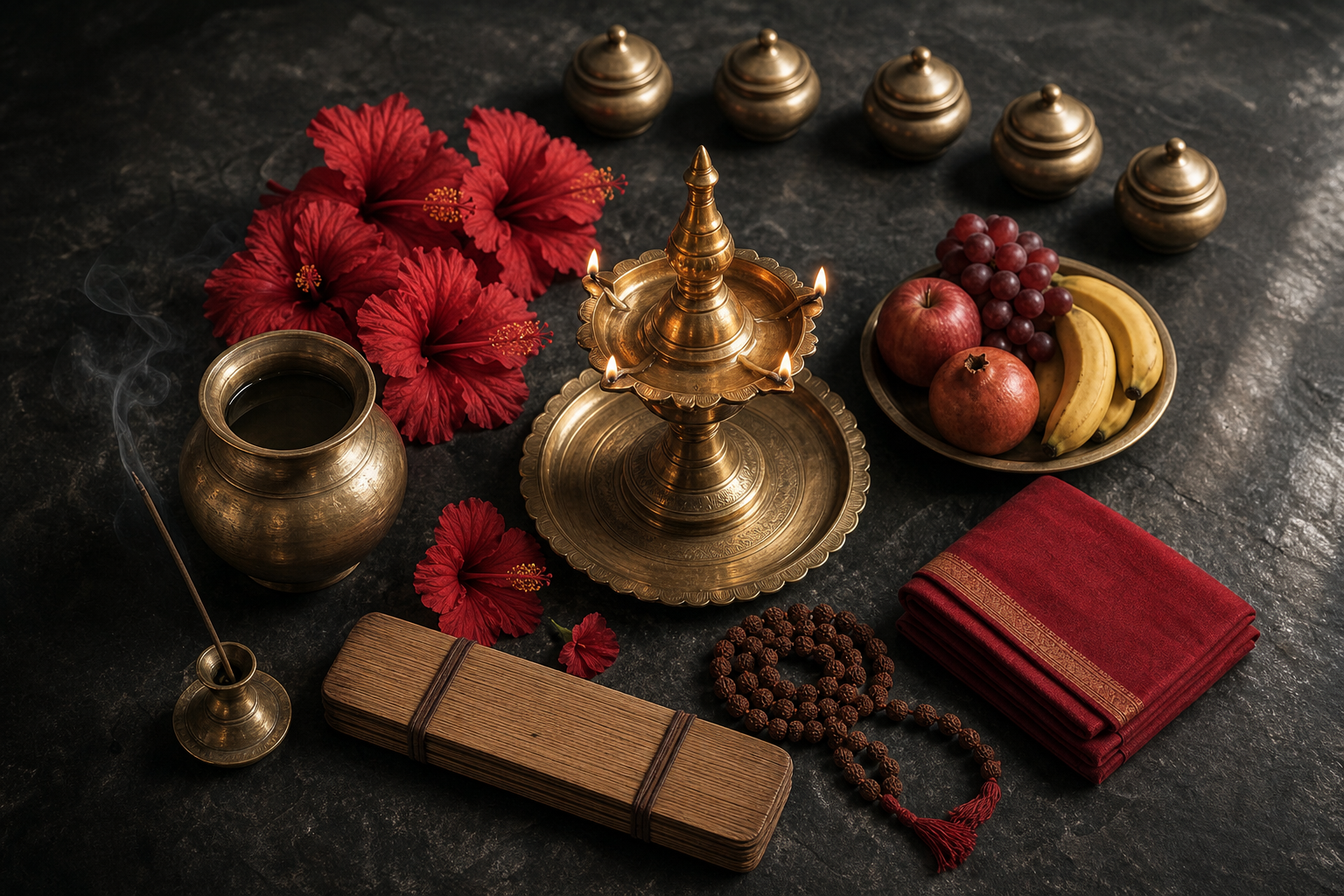
Popular discussion often reduces Tantra to the Panchamakara. That is a category error. Panchamakara names one particular cluster of five elements: madya or wine, mamsa or meat, matsya or fish, mudra understood as sacred grain or gesture in different explanations, and maithuna or sacred union. Their presence in some Shakta currents does not define every Shakta ritual or every Tantric path.
Interpretation also differs by lineage. Some Vamachara transmissions may employ external forms under strict guidance. Dakshinachara and many contemporary lineages use substitutions, symbolic meanings, and inward contemplations. A symbolic interpretation is not automatically a diluted version of an external rite. It changes the medium while retaining the work of sense-discipline, integration, and freedom from compulsive duality.
This distinction gives you a firm practical boundary: do not independently imitate external Panchamakara because it looks more authentic or courageous. Alcohol, animal products, and sexual activity retain their ordinary ethical and physical consequences inside a sacred setting. A ritual name does not cancel intoxication, coercion, exploitation, or harm.
Consent in any practice involving sexuality must be explicit, informed, freely given, and freely revocable. If a teacher implies that initiation removes your right to refuse, leave. If intoxicants or sexual access are presented as proof of surrender, spiritual maturity, or loyalty to the guru, leave. No doctrine can turn coercion into sacred union.
Many Shakta communities maintain fidelity to Tantra through vegetarian, non-intoxicant, metaphorical, or contemplative forms aligned with ahimsa and personal dharma. These are serious paths when their symbolism, discipline, and ethical purpose are understood rather than treated as convenient evasions.
Questions to ask before accepting a practice
- What is the stated purpose of each ritual element?
- Which parts require initiation, and what may a beginner practice openly?
- Does this transmission use external elements, symbolic substitutions, or inner contemplation?
- How are ahimsa, consent, sobriety, and personal readiness protected?
- What change in conduct should the practice produce?
- Can the teacher explain boundaries without using secrecy to silence reasonable questions?
A trustworthy answer will be more precise than “Tantra transcends rules.” Tantric methods may challenge habitual dualities, but disciplined transcendence is not the same as unexamined indulgence. A practice that cannot survive ethical scrutiny is not made transformative by being secret.
A safe preparatory practice for the uninitiated

You do not need to simulate an initiatory rite in order to begin learning what transformation demands. The following is a preparatory devotional reflection, not a lineage ritual and not a substitute for initiation. It uses ordinary prayer, natural breathing, attention, visualization, and ethical resolve.
- Name one real constriction. Choose something visible in your life: fear before a necessary conversation, anger that distorts your speech, grief that makes you withdraw from duty, or desire that repeatedly overrides discernment. Do not begin with a vague request for power.
- State the ethical aim. Frame the practice around conduct: “May this devotion make my next action truthful, non-harming, and steady.” This prevents intensity from becoming the goal.
- Invoke without borrowing secrets. If you have an authorized mantra, follow the instruction you received. Otherwise, use a plain devotional name or prayer to Devi already familiar in your household or community. Do not lift an esoteric mantra from a disconnected list and assume pronunciation alone constitutes practice.
- Gather attention. Sit steadily and let the breath remain natural. Notice where the chosen fear, anger, grief, or desire appears in the body. Stay with the direct sensation before adding explanations. Leave refined breath methods and lineage-specific nyasa to proper instruction.
- Contemplate Kali as transforming presence. Bring to mind a form of the Goddess you already revere. Let the difficult experience appear within her vastness. Do not imagine that you must destroy part of yourself. Ask what energy is trapped inside the constriction: courage inside fear, a boundary inside anger, love inside grief, or commitment inside desire.
- Turn insight into an offering. Select the next relevant action through which that energy can serve dharma. It may be a truthful sentence, a refusal delivered without hatred, an apology, a completed responsibility, or restraint from an impulsive act.
- Close with reverence and observe the result. Offer gratitude, release the visualization, and return to ordinary activity. Later, ask whether your action became clearer and more compassionate. Record that change rather than cataloguing unusual sensations.
This exercise is deliberately modest. Its purpose is to prepare you for disciplined practice and reveal whether devotion is reaching behavior. Repetition with honesty is more useful than forcing dramatic experiences. If the exercise feeds grandiosity, contempt, or an appetite for escalating intensity, pause and return to simple prayer and ethical duty.
Judge the ritual by what survives after it
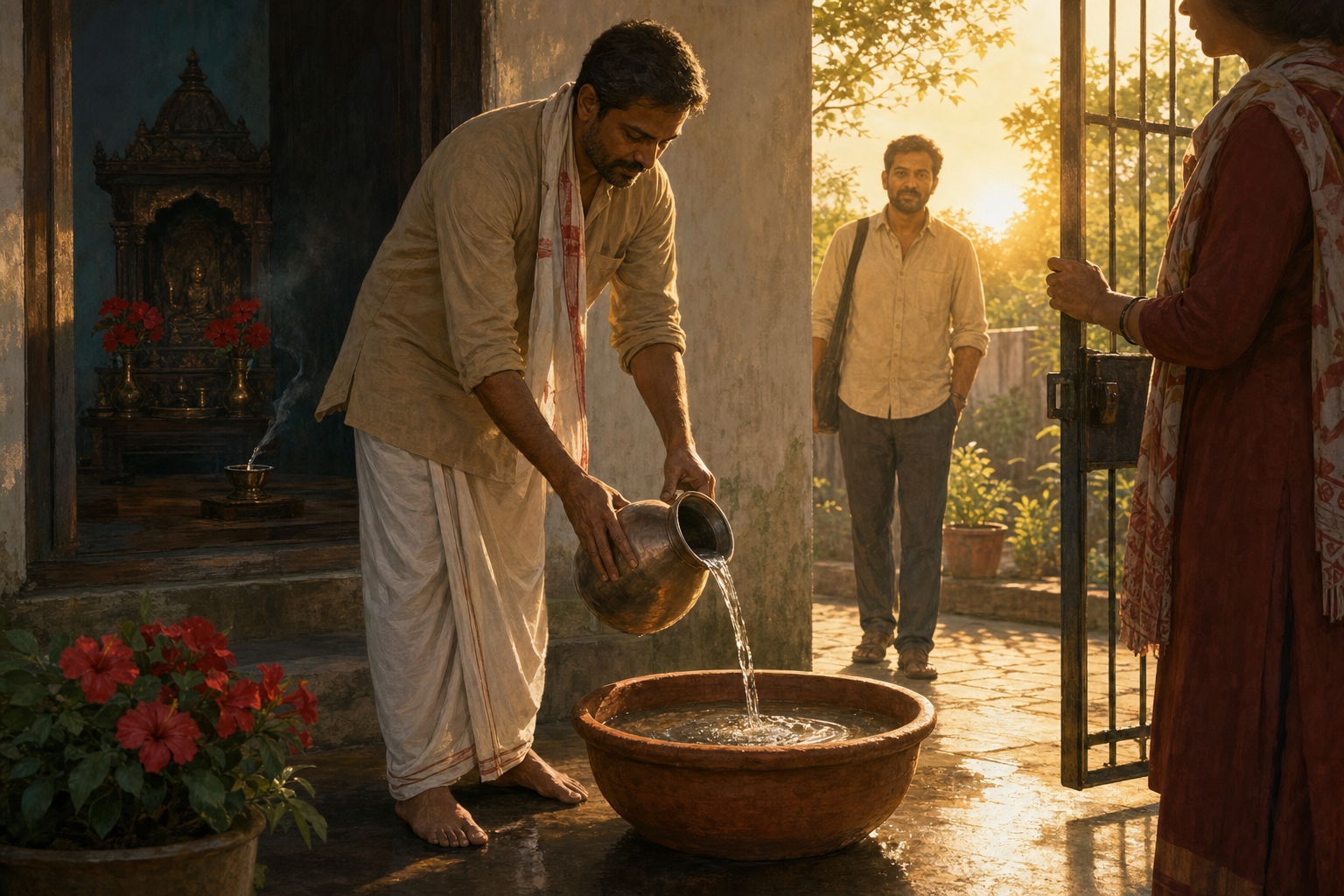
A powerful feeling during worship may be meaningful, but it is not a complete measure of spiritual fruit. Shakta transformation becomes credible when speech grows truthful without becoming cruel, resolve becomes steadier, fear loses its command over action, and ethical sensitivity deepens. Use the following audit after practice.
| Domain | Useful sign | Warning sign |
|---|---|---|
| Fear | You take a necessary action with greater clarity, even while some fear remains. | You chase danger or shock in order to prove fearlessness. |
| Speech | You become more accurate, direct, and kind. | You use a fierce spiritual identity to excuse humiliation or cruelty. |
| Power | You hold boundaries and accept responsibility for consequences. | You seek control, immunity from criticism, or special status. |
| Desire | You can recognize an impulse without automatically obeying it. | You rename compulsion as liberation. |
| Devotion | Reverence produces humility, care, and steadiness. | Intensity produces contempt for other devotees or Dharmic paths. |
Do not confuse transformation with suppression. Fearlessness does not require pretending that fear has vanished. Compassion does not forbid firm boundaries. Integration means that difficult energy no longer acts without the participation of discernment.
This test also helps you approach other Dharmic traditions respectfully. Buddhist Vajrayana dakinis, Jain attention to time and ethical restraint, and Sikh reverence for Akal Purakh can resonate with themes of clarity, fearlessness, and compassionate action. Resonance does not make their doctrines or initiations interchangeable. Let the parallels deepen respect; do not use them to borrow practices without context.
If a ritual feels intense but leaves the same dishonesty, compulsion, or aggression untouched, increasing the intensity is unlikely to solve the problem. Simplify the practice. Clarify its aim. Seek instruction from a lineage capable of connecting method, theology, ethics, and daily conduct.
Key takeaways
- Shakta ritual transforms by coordinating devotion, attention, sacred speech, imagination, embodiment, and action around Shakti.
- Kali practice is directed toward freedom within change, not fascination with darkness, danger, or emotional excess.
- Panchamakara is one lineage-dependent ritual cluster, not a definition of all Shakta Tantra.
- External, symbolic, and inward interpretations exist; none should be improvised without understanding its lineage and ethical safeguards.
- Consent, ahimsa, sobriety, and the right to refuse are not obstacles to spiritual depth.
- A beginner can prepare through simple Devi devotion, natural breathing, honest attention, and a concrete dharmic action while leaving initiatory techniques to proper guidance.
- The most reliable fruit is visible after worship: steadier courage, disciplined desire, truthful and compassionate speech, humility, and responsible power.
Choose one constriction and one dharmic action rather than searching for the most dramatic rite. Begin with reverence, observe the effect on your conduct, and seek a responsible parampara when you are ready to move beyond preparatory practice. That is a sounder entrance into Shakta transformation than spectacle can ever provide.
References
- DharmaRenaissance Blog – Thirteen Radiant Forms of Goddess Kali in Tantraloka: Abhinava Gupta’s Kashmiri Vision
- DharmaRenaissance Blog – Panchagavya vs Panchamakara: Unveiling Sacred Purity and Esoteric Power for Seekers
