
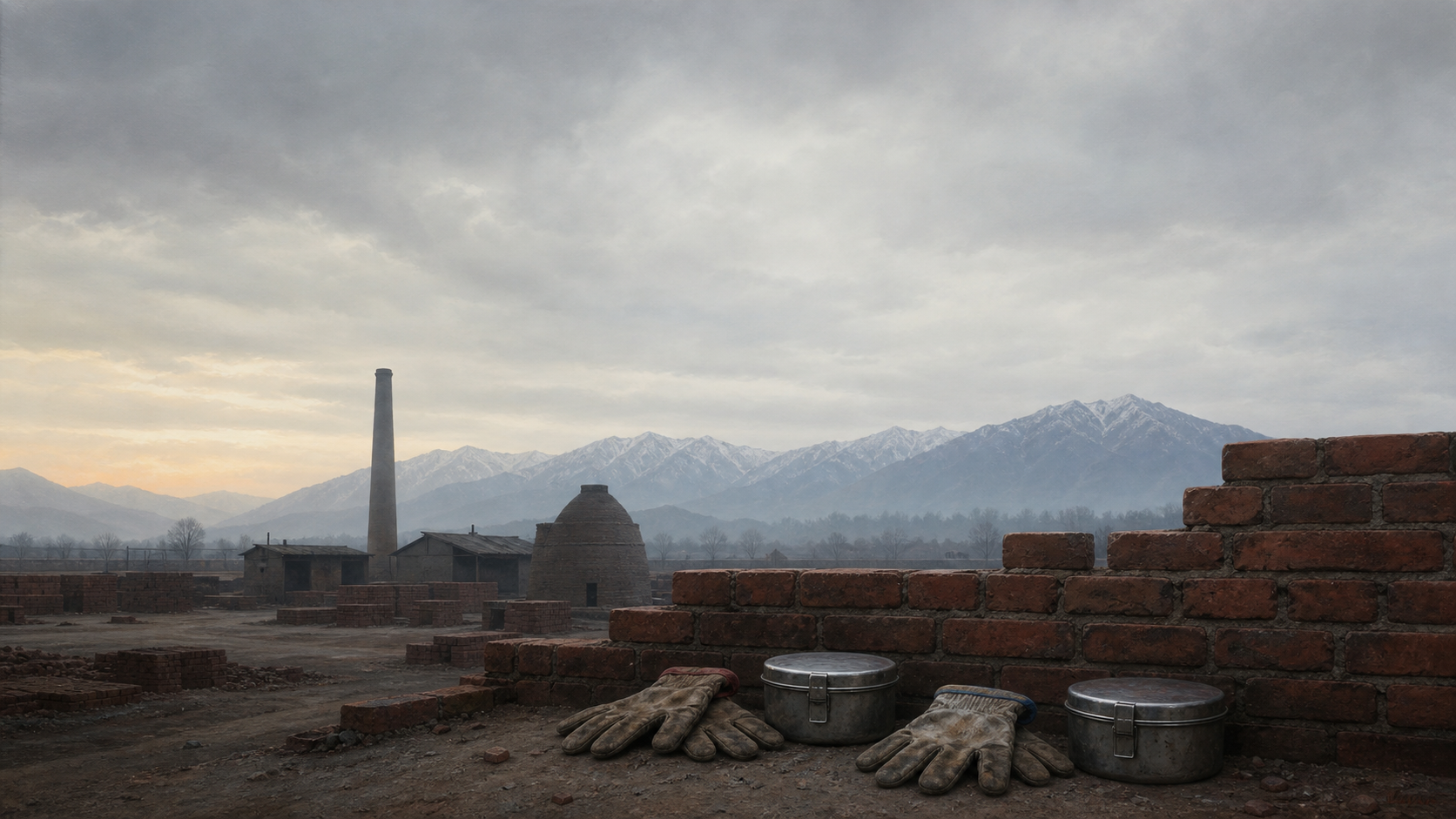
If you arrived asking what happened in Kulgam, and whether there is anything useful you can do, begin with two names: Deepak Ratrey and Bhupendra. They were migrant Hindu labourers from Chhattisgarh who were killed in a terrorist attack. Deepak had gone to Jammu and Kashmir to earn daily wages at a brick kiln, not to enter a conflict.
Your response should be built around what is established, what remains alleged, and what the bereaved family has actually requested. That distinction keeps attention on justice instead of allowing grief to dissolve into rumours, spectacle, or indiscriminate anger.
What is known, and what remains an allegation

The established core is stark. Deepak Ratrey and Bhupendra were migrant workers from Chhattisgarh killed in Kulgam. Bhupendra came from Sarangarh district. Deepak had travelled to work at a brick kiln and earn money for his unfinished house. He was the principal earner for a family that included his wife, a one-year-old son, a widowed mother, and a disabled brother.
Deepak’s relatives made an additional and grave allegation: the terrorists asked about his caste and community before shooting him. That claim may indicate deliberate selection by religious or social identity, but it should remain clearly labelled as the family’s account until investigators corroborate it. You can demand an answer without pretending that an investigative conclusion already exists.
This distinction does not minimise Deepak’s Hindu identity or dismiss the possibility of an anti-Hindu motive. It protects the credibility of the demand for justice. The confirmed facts are already severe; attaching unsupported certainty merely gives others an excuse to evade them. The attackers’ identities, organisational affiliation, and full operational motive should likewise come from evidence, not social-media improvisation.
Nor should one attack be made to carry claims about an entire population or a wider statistical trend for which no evidence has been presented. The killing of two workers is not made less serious by refusing to exaggerate it. Truthful precision is part of dharma, especially when false claims can expose other innocent people to danger.
The unfinished house reveals the full cost of the attack
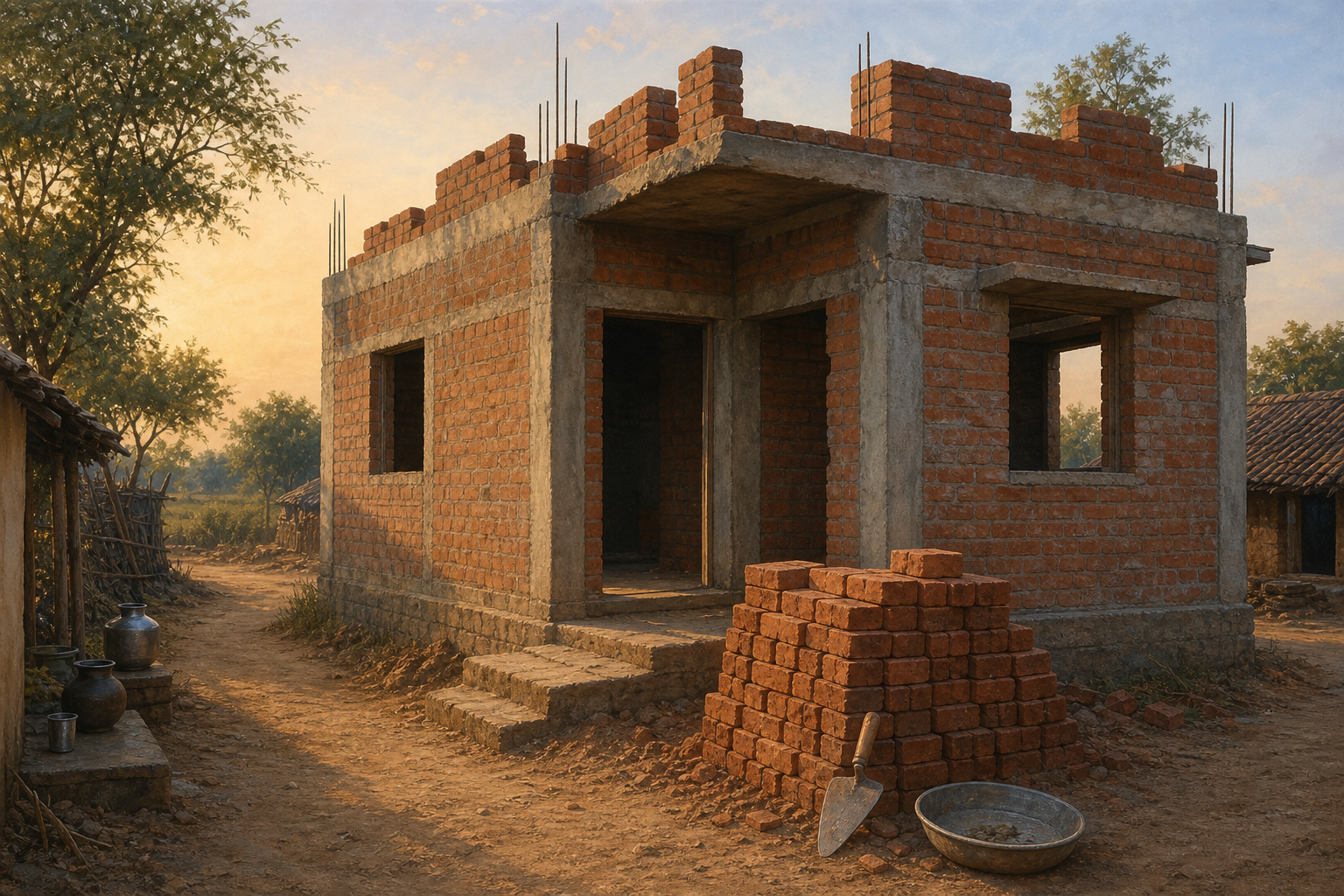
Deepak’s unfinished house is not a sentimental detail. It explains the economic chain that the killing broke. He left his village to earn money, his family depended on that income, and the work was meant to create a permanent home. His death therefore produced several losses at once: a life was taken, household income stopped, construction remained incomplete, and dependants were left to navigate funeral arrangements and government assistance.
The predictable effect also reaches other migrant workers. Whatever investigators ultimately establish about the immediate motive, killing a labourer away from home can make every similarly placed worker wonder whether earning a livelihood in another part of India has become a personal security risk. Fear can then accomplish what the gunmen alone cannot: push workers out, isolate communities, and allow violence to influence who may live or work where.
This is why worker security cannot be separated from Hindu security in this case. Deepak was not only a Hindu victim, and he was not only a labour statistic. His religious identity matters because of the family’s allegation about the attackers’ questions. His economic position matters because the loss falls most heavily on a wife, a young child, a widowed mother, and a disabled brother. Erasing either dimension leaves the public with an incomplete picture.
A pro-Hindu response should therefore resist the habit of remembering prominent victims while poor workers vanish after a news cycle. A Hindu life does not become less worthy of public memory because the person was a daily-wage labourer, lived far from a television studio, or left behind no institutional platform.
Judge the official response by five concrete outcomes
Condemnation is necessary, but sympathy is not a deliverable. Administrative officials visited Deepak’s family and said they were coordinating assistance and the movement of his mortal remains. You should judge that response by what was completed, not simply by what was promised.
- Respect the family’s request for the return of Deepak’s mortal remains. His relatives wanted the final rites performed in their native village and said they had heard suggestions that cremation might occur in Jammu and Kashmir. If a forensic or lawful requirement causes a delay, officials should explain it directly and give the family a clear transfer plan.
- Bring affected family members home safely. Deepak’s relatives specifically asked the authorities to help family members who were in Jammu and Kashmir return to their village. Transport, a named contact person, and regular updates matter more than a general assurance that officials are in touch.
- Turn financial promises into written, trackable assistance. The family requested compensation because Deepak was its principal earner. Officials should identify the responsible office, required documents, applicable relief, and status of payment. No one should invent an amount or entitlement that has not been formally confirmed.
- Investigate the alleged caste-and-community questioning. Authorities should preserve witness testimony and determine whether evidence corroborates deliberate identity-based selection. A public update can state whether that line of inquiry is substantiated without disclosing sensitive operational details.
- Protect other migrant workers without exposing them. Employers, contractors, and local authorities should maintain confidential worker and emergency-contact records, establish a police liaison, conduct welfare check-ins, and prepare safe transport arrangements when a credible threat arises. Workers’ names, accommodation addresses, and movements should never be published as proof that action is being taken.
Longer-term help matters too. A household that has lost its earner may need assistance obtaining official records, recovering any wages due, and applying for whatever benefits are lawfully available. The administration should assign responsibility for that work rather than forcing grieving relatives to visit several offices with the same documents.
How you can act without adding to the harm
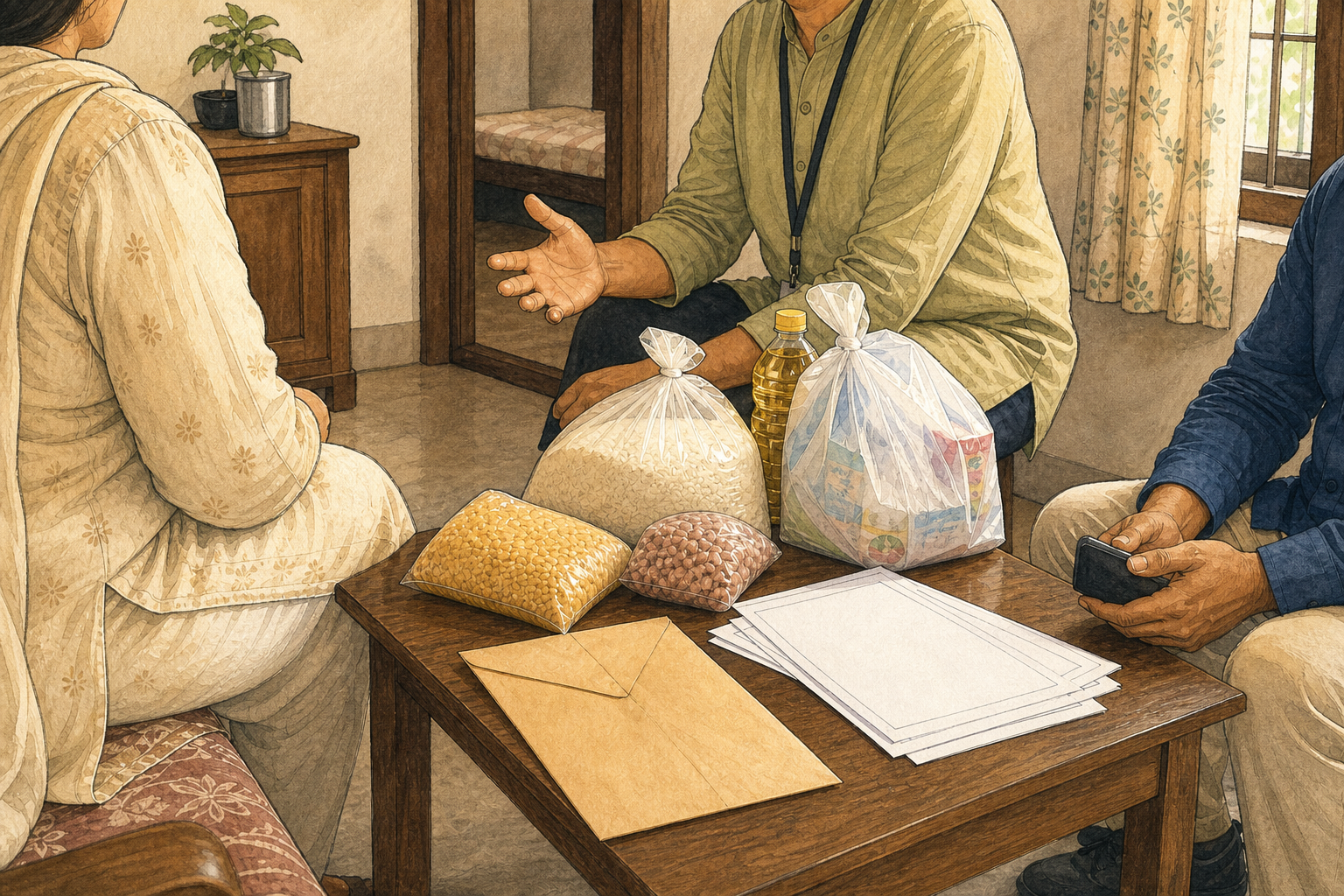
If you are outside government, your leverage is smaller but still real. Use it to keep the victims visible, create precise public pressure, and support verified relief. Avoid actions that turn the dead into content or place living workers at greater risk.
- Share the verified core first: Deepak Ratrey and Bhupendra, migrant Hindu workers from Chhattisgarh, were killed in Kulgam. Present the reported caste-and-community questioning explicitly as an allegation made by Deepak’s relatives.
- Do not circulate graphic footage, unverified confessions, guessed affiliations, or the live locations of other workers. Such material can violate the victims’ dignity, spread terrorist propaganda, obstruct fact-finding, or expose survivors.
- Send questions to elected representatives and the relevant administrations. Ask whether the mortal remains were returned, whether affected relatives reached home safely, what assistance was delivered, whether the identity-selection allegation was corroborated, and what protection was extended to other migrant workers.
- Donate only through a channel publicly verified by the family, the administration, or a known community institution. Confirm the recipient’s name and account before transferring money, and retain the transaction record. Grief-driven fundraising is especially vulnerable to impersonation.
- Ask temples and Hindu organisations to combine remembrance with material responsibility. A named prayer for Deepak and Bhupendra, followed by a verified relief collection with a published ledger and handover receipt, does more for the family than a generic statement.
- If you join a protest, insist on specific demands and reject threats against uninvolved civilians. Demand investigation, lawful prosecution, family assistance, and worker protection. Collective blame does not strengthen justice; it reproduces the idea that people may be punished merely for belonging to a community.
You can copy this request into an email or public representation: Please provide a dated update on the return of the victims’ mortal remains, the safe return of affected relatives, financial assistance delivered to each family, the investigation of possible identity-based targeting, and safeguards for other migrant workers in Kulgam.
Ahimsa does not require passivity before terrorism. It requires disciplined action that protects innocents while pursuing those responsible through evidence and law. A dharmic public response can be uncompromising about the defence of Hindus without assigning guilt to people who had no part in the crime.
Key takeaways
- Deepak Ratrey and Bhupendra were migrant Hindu labourers from Chhattisgarh killed in Kulgam; Deepak had gone there to earn money for an unfinished home.
- Deepak’s relatives alleged that the terrorists asked his caste and community before shooting him. Demand investigation of that claim, but do not present it as independently established fact.
- The immediate tests of justice are the return of mortal remains, safe travel for affected relatives, trackable financial assistance, a credible investigation, and protection for other workers.
- You can help through accurate sharing, precise questions, verified relief, dignified remembrance, and refusal to circulate graphic material or encourage collective retaliation.
Before sharing another clip or slogan, choose one measurable action: send the five-question request, ask a local temple to organise verified assistance, or follow up on whether the family received what officials promised. Keep Deepak Ratrey and Bhupendra attached to names, obligations, and public accountability. That is how remembrance begins to serve justice.
References
