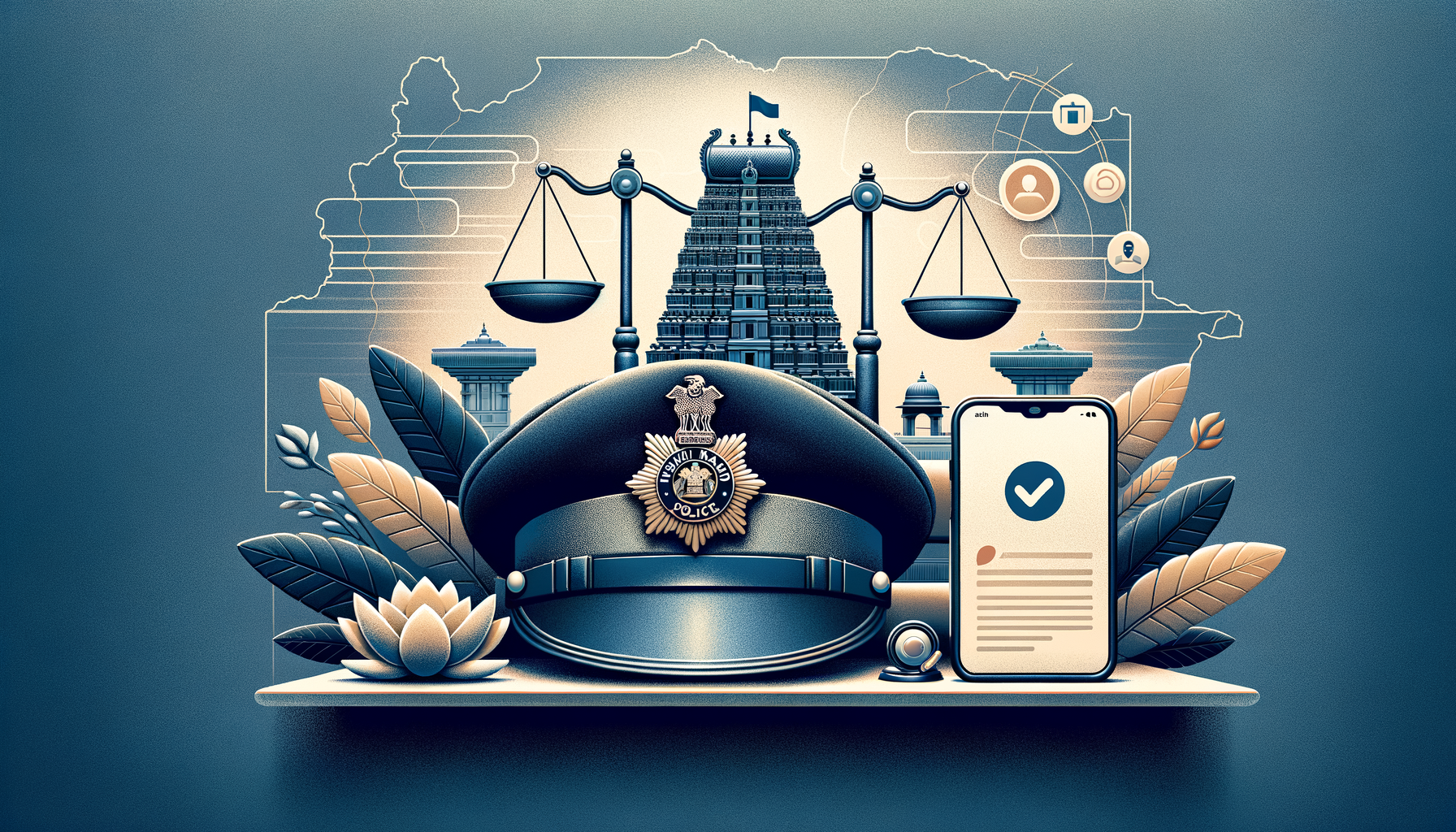
On 3 October 2025, Tamil Nadu Police arrested four individuals in Tiruchirappalli (Trichy) after a video surfaced showing the burning of an effigy of Lord Rama. A case has been registered, and an investigation is underway to determine specific roles, motives, and the potential legal charges applicable under provisions related to public order and religious harmony.
The incident, amplified by social media circulation, prompted public concern in Tamil Nadu and across India, given Lord Rama’s central place in the Ramayana and his cultural-religious significance to millions of Hindus. In this context, the state’s law-and-order response aims to prevent escalation, safeguard communal peace, and ensure due process.
According to preliminary information, the arrests were made to address potential violations of statutes that discourage provocation, incitement, and acts that may outrage religious sentiments. Final charges will be determined by the investigating authorities and tested in court. This legal pathway underscores the principle that accountability must proceed through institutions, evidence, and the rule of law.
From a dharmic unity perspectivespanning Hinduism, Buddhism, Jainism, and Sikhismacts intended to demean sacred symbols or provoke communities are counter-productive to the shared values of ahimsa, compassion, and mutual respect. The constructive response is lawful redress, public education, and dialogue, rather than retaliation. Upholding these principles strengthens communal harmony and reflects India’s constitutional commitment to dignity and equality for all.
The rapid online spread of the video illustrates how digital platforms can intensify tensions. Responsible media literacy is essential: citizens are encouraged to refrain from sharing inflammatory content, to verify information with reliable sources, and to prioritize messages that promote calm, accuracy, and social cohesion.
Within India’s plural society, maintaining reverence for religious traditions while protecting lawful expression requires a careful balance. In practice, this balance rests on three pillars: consistent enforcement of law, civic responsibility in speech and conduct, and continuous community engagement that builds trust across social and religious lines.
Looking ahead, the Trichy case presents an opportunity for community leaders, educators, and law enforcement to collaborate on peace-building initiatives in Tamil Nadusuch as workshops on communal harmony, curricula highlighting shared dharmic values, and neighborhood dialogues that reduce rumor, prevent polarization, and reinforce mutual respect.
In summary, Tamil Nadu Police’s action signals an institutional commitment to public order and legal due process. Sustainable peace, however, depends on the combined efforts of citizens, media, and state institutions to discourage provocation, encourage dialogue, and nurture the unity-in-diversity that defines India’s social fabric.