

You may be approaching Vishu with a practical question: where should you push forward this year, and where would restraint protect you? The most useful answer is not a catalogue of promised events. It is a map of changing pressures, followed by decisions you can make while you still have room to choose.
This Vishu Phalam covers the solar year from 14 April 2026 to 14 April 2027. Treat it as a dharmic planning framework rather than a guarantee. Gochara may describe the weather around you; purushartha still determines how you prepare, respond and conduct yourself.
Read the forecast from the right point in your chart

Begin with your Chandra rashi, or sidereal Moon sign. It is the primary reference for this annual reading. If you know your janma lagna, cross-check it for work, household and other practical matters. Your Surya rashi can add vocational emphasis, but it should not automatically replace the Moon sign.
If you know only the sun sign used in a Western horoscope, do not assume it is your Vedic Moon sign. Use a reliable janma-kundali calculation based on your birth date, exact birth time and birthplace. If your time is uncertain, resist manufacturing precision: read the broad rashi pattern and avoid making irreversible decisions from a doubtful chart.
Nakshatra Phalam refines the rashi-level picture. Tara bala, Chandra bala and your personal mahadasha-antardasha can strengthen, redirect or weaken a general transit result. When a personal dasha reading conflicts sharply with this annual forecast, the individual chart deserves greater weight.
Key takeaways
- Read your Moon sign first; use the Ascendant as a practical cross-check.
- Separate the year into an earlier phase and a later phase. Jupiter’s move from Mithuna to Karka changes the emphasis for every rashi.
- Shani in Meena rewards consistency, simplification and honest responsibility more than sudden expansion.
- The later Rahu-Ketu shift changes where appetite and detachment operate, so a strategy that works early may need revision later.
- Use the horoscope to identify one area to protect, one capacity to build and one form of seva to sustain.
The planetary rhythm behind the year

Shani in Meena sets the long discipline. Saturn remains in Pisces for sustained periods. Its house from your Moon sign marks the area where shortcuts become costly and patient structure becomes valuable. This is the transit to answer with routines, documentation, boundaries and fewer avoidable drains.
Guru changes the tone around the middle of the year. Jupiter begins in Mithuna and later enters Karka, where it is traditionally considered exalted. The earlier phase favours learning, communication and adaptable intelligence. The later phase places more emphasis on nourishment, protection, belonging and emotional foundations. The affected houses differ by rashi, which is why each forecast below has an early and later emphasis.
Rahu and Ketu redirect desire and detachment later in the cycle. They begin across Kumbha and Simha, then move to Makara and Karka. Because the transition date can vary with ayanamsa and calculation method, use the distinction between earlier and later phases unless your own panchangam supplies the exact ingress used by your tradition.
Vishu marks Surya’s ingress into Mesha and the beginning of Medam, although Kerala’s Kolla Varsham begins in Chingam. Its seasonal position also resonates with Puthandu, Vaisakhi, Pohela Boishakh and Pana Sankranti. That shared civilizational rhythm gives the forecast a wider purpose: align livelihood, family duty, learning and generosity at a natural annual threshold.
Your 2026-2027 forecast for all twelve rashis
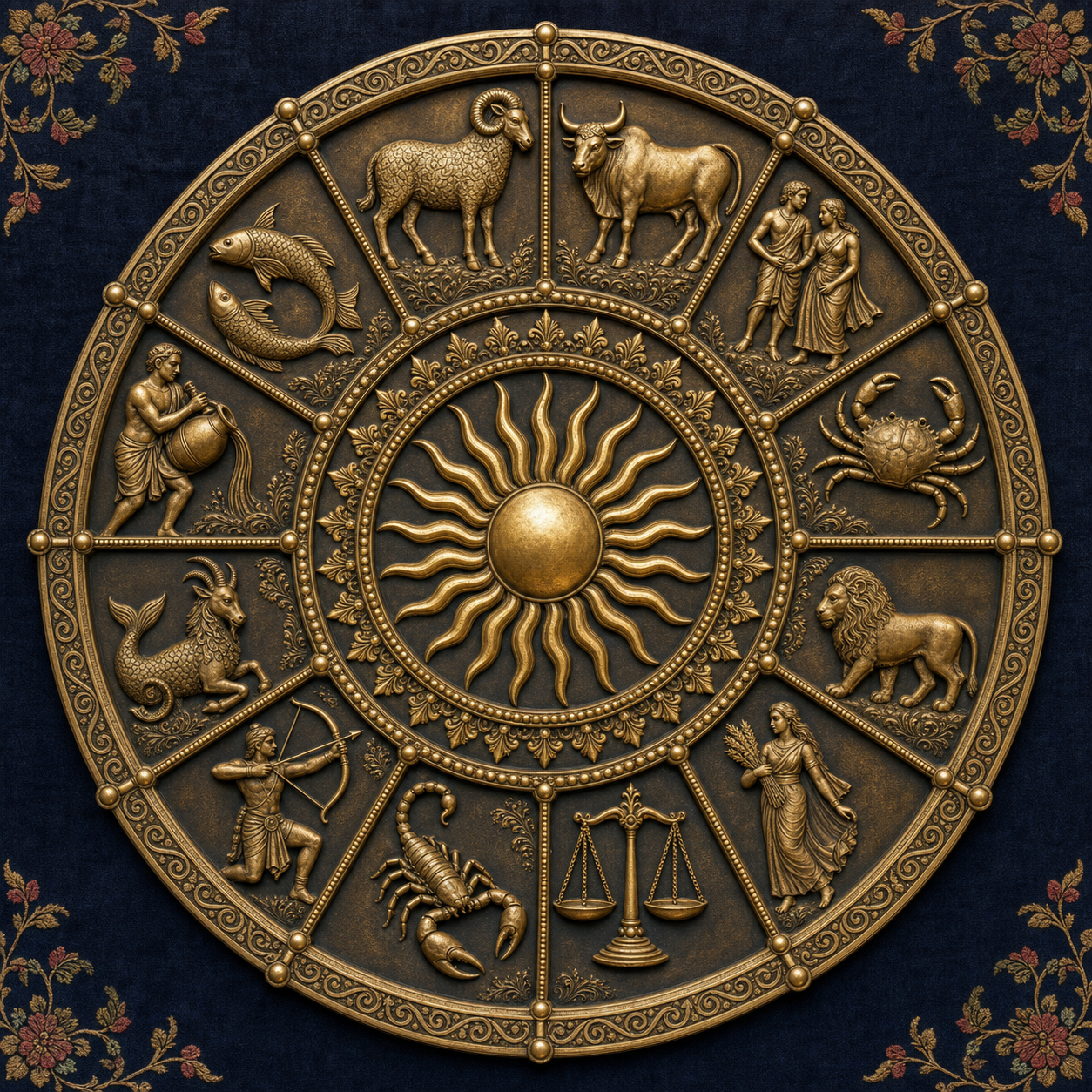
Find your Moon sign below and read both phases. The first paragraph describes the pattern to notice. The second turns that pattern into a decision. None of these tendencies justifies ignoring medical symptoms, contractual terms, actual cash flow or professional advice.
Mesha (Aries): protect energy, then strengthen your base
Shani in the twelfth house makes preventable expenditure, irregular sleep and unexamined withdrawal the year’s main pressure points. Guru begins in the third, supporting skill-building, writing, sales, outreach and steady communication. Its later move into the fourth turns attention toward home, property, family stability and inner contentment. Rahu initially stimulates gains through networks before moving to the tenth and increasing the appetite for visible career progress. Ketu shifts from the fifth to the fourth, asking for restraint in speculation and sensitivity around children before encouraging greater simplicity at home.
Use it this way: In the earlier phase, complete one marketable skill or communication project rather than scattering effort across several. Track discretionary spending and protect a fixed sleep window. Later, review your living arrangements and career direction together; greater visibility at work will be harder to sustain if home remains unsettled. Do not treat the property emphasis as a command to buy, sell or borrow. Verify affordability and legal details independently. Seva and structured, comfortable breath practice can keep ambition from becoming agitation.
Vrishabha (Taurus): convert steady gains into capability
Shani in the eleventh rewards durable alliances, realistic long-term goals and gains built through disciplined contribution. Guru first occupies the second, supporting constructive speech, financial literacy, nourishment and resource management. It later enters the third, shifting growth toward initiative, short courses, writing and persuasive communication. Rahu moves from the tenth to the ninth, redirecting intense professional visibility toward advanced learning, travel or a renewed investigation of Dharma. Ketu moves from the fourth to the third, reducing attachment to domestic clutter and sharpening communication.
Use it this way: Ask which relationships are producing mutual work rather than mere access. Strengthen savings and clean up recurring expenses while Guru supports the second house; later, use some of that stability to fund a clearly defined learning goal. Keep communication kind but exact. If travel or higher education becomes attractive later, require a written purpose, budget and completion test before committing.
Mithuna (Gemini): earn authority through reliable process
Shani in the tenth places accountability at the centre of professional life. Recognition is more likely to follow process excellence, service and dependable leadership than performance without substance. Guru begins in your first house, strengthening confidence and the motivation to improve daily habits; its move into the second brings revenue, savings, speech and resource stewardship forward. Rahu shifts from the ninth to the eighth, moving curiosity from broad exploration into research, risk, inheritance or shared-finance questions. Ketu’s movement from the third to the second calls for a more disciplined information diet and greater restraint in speech.
Use it this way: Document the work that depends on you and remove one recurring failure point. A certification or serious study circle can support the earlier career emphasis. Later, direct improved confidence into a revenue plan and a clear policy for shared money. Inheritance, tax, insurance and legal matters require proper records and qualified advice; a transit is a prompt to examine them, not an answer. Periodic silence can help you distinguish useful information from compulsive consumption.
Karka (Cancer): emerge from preparation with renewed purpose
Shani in the ninth asks you to take ethics, mentorship, service to elders and sustained study seriously. Guru starts in the twelfth, making the earlier period suitable for rest, preparation, charitable work and the completion of matters that no longer need public attention. Its later entry into your first house is especially supportive for vitality, confidence and purposeful renewal. Rahu moves from the eighth to the seventh, shifting intensity from shared resources to partnerships. Ketu moves from the second to the first, deepening simplicity in consumption, speech and self-presentation.
Use it this way: Do not judge the whole year by a quiet beginning. Use that phase to close drains, restore routines and study with a trustworthy mentor. As Jupiter enters Karka, bring one prepared initiative into the open. Document shared obligations before Rahu intensifies partnership dynamics, and distinguish cooperation from appeasement. Sattvic nourishment, household harmony and regular engagement with Dharma texts will do more than theatrical remedies.
Simha (Leo): manage change without forcing certainty
Shani in the eighth can slow transformations involving health routines, joint assets, vulnerability or institutional processes. Patience and contingency planning matter. Guru in the eleventh initially supports communities, benefactors and goal attainment; its later twelfth-house phase favours retreat, research, spiritual audit and work done away from applause. Rahu moves from the seventh to the sixth, placing early pressure on agreements before sharpening problem-solving and service later. Ketu travels from the first to the twelfth, gradually moving attention from identity toward meditation and release.
Use it this way: Use the earlier phase to consolidate a meaningful alliance or complete a group objective. Put agreements in writing and expose assumptions before they become disputes. Later, cut one status-driven commitment and reserve time for recovery, research or spiritual practice. Build a contingency fund according to your actual means, and do not use astrology to justify speculative or highly leveraged decisions. Persistent or changing health symptoms belong with a qualified clinician, not a remedy alone.
Kanya (Virgo): let mature partnership multiply your work
Shani in the seventh tests whether commitments are fair, explicit and durable. Guru begins in the tenth, favouring professional stature and visible responsibility, then enters the eleventh and widens the field of allies, teams and gains. Rahu’s movement from the sixth to the fifth takes intensity from problem-solving and competition into creativity, children’s learning or speculation. Ketu shifts from the twelfth to the eleventh, helping you release hidden drains and become more selective about communities.
Use it this way: Define ownership, decision rights and deadlines in every important partnership. In the earlier phase, solve the hard operational problem that others avoid; later, build a team around the result. Time-block creative work when Rahu reaches the fifth, but do not confuse strong ideas with permission to gamble. Children’s needs deserve attentive presence rather than projection. Choose communities whose conduct matches their stated mission.
Tula (Libra): turn disciplined service into visible responsibility
Shani in the sixth strengthens endurance, routine and the capacity to settle disputes through method. Guru begins in the ninth, supporting study, credentials, mentors and a broader worldview. Its later tenth-house phase can bring promotion, accountability or a more public role. Rahu moves from the fifth to the fourth, shifting attention from creative risk and children toward home improvements and emotional grounding. Ketu moves from the eleventh to the tenth, making status less satisfying unless the work has a clear karmic purpose.
Use it this way: Formalise what you are learning early in the year: complete the course, submit the application or create a body of work that proves competence. Improve the daily system before seeking the later promotion. At home, distinguish a necessary repair from an emotionally driven upgrade. Study, seva and breath-led exercise can reinforce the same lesson: strength grows through repetition. Adapt movement or breathing to your health and seek professional guidance where needed.
Vrischika (Scorpio): let deep inquiry become guidance
Shani in the fifth makes method more reliable than impulse in creativity, parenting and markets. Guru begins in the eighth, where serious inquiry, shared resources and inner transformation demand attention, then enters the ninth and supports teaching, advanced study and principled guidance. Rahu moves from the fourth to the third, taking restless energy from home or property matters into communication and short learning projects. Ketu shifts from the tenth to the ninth, reducing attachment to public identity and testing whether your beliefs can survive honest examination.
Use it this way: Research first and publish, teach or advise later. Keep a journal that separates evidence, interpretation and emotion; this is particularly useful when a domestic decision feels urgent. Use the later communication emphasis for a focused course or courageous but measured conversation. In markets, discipline exposure according to financial reality rather than a favourable-sounding prediction. Satsanga can help convert solitary intensity into accountable wisdom.
Dhanu (Sagittarius): lead calmly at home and clarify shared obligations
Shani in the fourth brings responsibility for household order, family stability, repairs or infrastructure. Guru begins in the seventh, supporting cooperation, clients and marital partnership, then moves into the eighth and draws attention toward joint finances, deeper healing work and private transformation. Rahu moves from the third to the second, turning communicative courage into an appetite for income, savings or material security. Ketu shifts from the ninth to the eighth, loosening dogma and encouraging deeper examination of inherited assumptions.
Use it this way: Address the household repair or family duty you have been postponing. Early cooperative opportunities should come with clear roles and written expectations. Before the later shared-resource emphasis, make accounts, nominations, obligations and access to important documents understandable to the relevant people. Speak compassionately when money becomes the subject; vagueness is not kindness. Do not delay necessary care or professional financial, tax or legal help while waiting for a more favourable transit.
Makara (Capricorn): build the system before increasing visibility
Shani in the third rewards repeated outreach, careful documentation and mastery developed through practice. Guru begins in the sixth, supporting better routines, service and everyday systems, then reaches the seventh and favours agreements, clients and marital cooperation. Rahu moves from the second to the first, shifting its appetite from income and possessions to visibility and personal influence. Ketu moves from the eighth to the seventh, first simplifying shared-asset concerns and later bringing a more inward or spiritual tone to partnerships.
Use it this way: Create the checklist, template, training routine or documentation that makes good work repeatable. Then use the later partnership support to negotiate from clarity. When Rahu reaches your first house, ask whether increased visibility serves a useful contribution or only self-display. Keep financial arrangements transparent, especially where personal and shared money meet. Service-led leadership will carry more trust than aggressive self-promotion.
Kumbha (Aquarius): stabilise speech and savings before withdrawing to strategise
Shani in the second makes speech, nutrition, savings and family resources the backbone of stability. Guru begins in the fifth, supporting scholarship, children’s progress and disciplined creativity, then enters the sixth and strengthens routine, service and practical problem-solving. Rahu moves from the first to the twelfth, shifting from intense self-presentation toward private strategy, rest and behind-the-scenes concerns. Ketu travels from the seventh to the sixth, simplifying partnership expectations and later sharpening process improvement.
Use it this way: Make your budget and your words less reactive. Before a difficult conversation, decide the factual point, the necessary boundary and what can remain unsaid. Use the earlier phase to support study or a child’s genuine learning need; later, improve one health or work routine that can survive busy weeks. When Rahu moves to the twelfth, schedule rest instead of waiting for exhaustion to enforce it. Moderation and metta-like compassion are practical safeguards, not ornamental ideals.
Meena (Pisces): accept the weight of renewal and choose fewer goals
Shani in your first house makes self-management, patience and disciplined identity work unavoidable. Guru begins in your fourth house, supporting home, education and emotional foundations, then enters the fifth and turns growth toward study, creativity, teaching and children’s development. Rahu moves from the twelfth to the eleventh, redirecting attention from hidden drains and private strategy toward networks and ambitions. Ketu shifts from the sixth to the fifth, simplifying routines and disputes before asking for detachment without neglect in creative or parental responsibilities.
Use it this way: Reduce the number of promises you make and increase the reliability of the few you retain. Stabilise sleep, household order and a learning environment in the earlier phase. Later, choose networks by shared purpose rather than reach, and give creative or educational work a definite form. Saturn in the first does not require pessimism; it requires conduct that can bear weight. If fatigue, pain or mood changes persist, seek appropriate professional care rather than assigning every symptom to Shani.
Make remedies change conduct, not merely mood

A useful parihara addresses the behaviour through which a transit is likely to become difficult. It should make you more truthful, steady, compassionate or responsible. An elaborate observance followed by the same careless speech, debt or neglect has missed the dharmic point.
- Name one restraint. Choose the leak your rashi forecast makes most visible: impulsive spending, harsh speech, irregular sleep, speculative excess, domestic avoidance or status-seeking. Write the boundary in observable terms.
- Name one constructive discipline. Select a practice you can repeat: a ledger, study period, family check-in, documentation habit, balanced meal routine or comfortable breath practice. Consistency matters more than display.
- Offer seva where the pressure appears. If your year emphasises elders, home, education, partnership or service, contribute in that field without turning generosity into self-neglect. A sustainable commitment is more useful than an emotional burst.
- Repair speech. Before consequential conversations, distinguish truth from irritation. State the issue, the evidence and the requested action. Kindness does not require ambiguity, and firmness does not require humiliation.
- Reduce one drain. Cancel an unused recurring expense, leave a missionless commitment, declutter a space that obstructs daily life or set a boundary around compulsive information consumption.
- Keep spiritual practice connected to duty. Prayer, meditation, satsanga, Dharma study and silence should return you to family, livelihood and community with clearer conduct. They are not substitutes for medical treatment, legal review or sound financial planning.
You do not need a sectarian remedy to work with the year well. Ahimsa, truthful speech, responsible livelihood, compassionate service and care for family are available across Dharmic traditions. Choose the form that fits your sampradaya, but judge it by the quality of action it produces.
Choose auspicious timing without false precision
Vishu is an auspicious annual doorway, but 14 April 2026 is not automatically a universal muhurta for every marriage, contract, journey, property decision or ceremony. A proper election depends on location and time as well as tithi, nakshatra, yoga, karana, Chandra bala and Tara bala. Different ayanamsa and panchangam conventions can move boundaries, especially near an ingress.
- Define the event precisely. A house-entry ceremony, registration, loan signing and physical move are not necessarily the same astrological event.
- Fix the location. Panchanga elements and the usable clock window must be calculated for the place where the act occurs, not copied uncritically from another city.
- Use one consistent tradition. Select the panchangam and ayanamsa followed by your family or astrologer. Mixing times from different systems creates an appearance of precision without a coherent method.
- Check personal compatibility. Consider the principal person’s Moon sign, nakshatra, Chandra bala, Tara bala and relevant dasha rather than relying on a generic auspicious-date list alone.
- Apply practical vetoes. Reject a window that creates unsafe travel, missed legal deadlines, unavailable witnesses, rushed medical care or financial terms you have not reviewed.
For Vishu itself, make a one-page plan with three headings: protect, build and serve. Put one commitment under each. Review it when Jupiter’s mid-year transition is recognised in your panchangam, then review it again when the Rahu-Ketu shift occurs. That gives the horoscope a job: not predicting your life from a distance, but helping you notice when your method must change.