

For Tirumala pilgrims planning travel from July through September 2026, the central issue is not a blanket temple closure but the reported suspension of VIP Break Darshan on selected ritual and festival dates. The practical challenge is to distinguish dates specifically identified in the available report from festival periods that still require confirmation.
The supplied DharmaRenaissance Blog account names two July cancellation dates and indicates that additional restrictions extend into August and September. Because the source material contains only that account, these details should be treated as reported guidance rather than cross-publication corroboration.
What the reported schedule confirms—and what it does not
The report provides different levels of detail across the three months. July has two definite dates, while the August and September passages identify relevant observances without supplying a complete date-by-date cancellation list.
| Period | What the source reports | Safe planning conclusion |
|---|---|---|
| July 14, 2026 | VIP Break Darshan is reported as cancelled for Koil Alwar Tirumanjanam. | Do not construct an itinerary around VIP Break access on this date. |
| July 17, 2026 | VIP Break Darshan is reported as cancelled in connection with Anivara Asthanam. | Plan for another date or an officially available alternative category. |
| August 2026 | The account associates the late-August period with Srivari Pavitrotsavams but does not give exact cancellation dates in the supplied text. | Treat the festival period as a verification window, not as a confirmed list of closed dates. |
| September 2026 | The account says selected restrictions continue through September 30 and mentions Sri Krishna Janmashtami-related observances, but it does not enumerate the affected dates. | Obtain a date-specific TTD confirmation before finalising travel. |
This distinction prevents false precision. The two July dates can guide immediate avoidance, whereas the August and September information is an alert to monitor official notices. A festival mentioned in a general schedule should not automatically be treated as proof that every associated day has the same darshan arrangement.
Why ritual observances reshape the darshan timetable
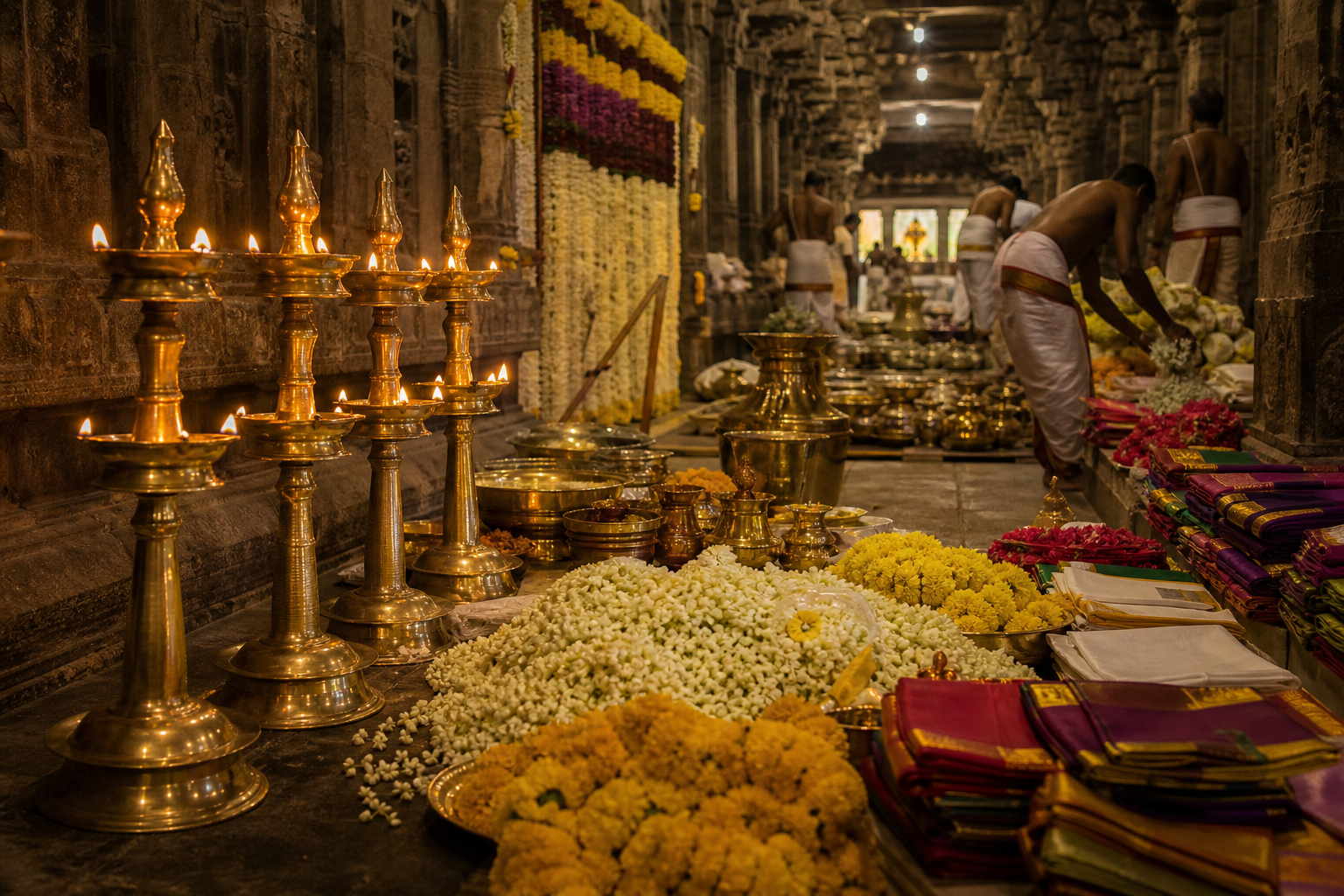
The source presents these changes as consequences of the temple’s ritual calendar rather than ordinary booking disruptions. It describes Koil Alwar Tirumanjanam as a ceremonial cleansing of the sanctum and temple interiors conducted before major observances. On July 14, that work reportedly takes precedence over VIP Break Darshan.
Anivara Asthanam, associated with July 17 in the report, is described as an annual ceremonial and administrative observance within the Srivari Temple tradition. The account interprets the suspension of special access on that day as an example of temple worship and institutional duties taking priority over recommendation-based arrangements.
For August, the account characterises Srivari Pavitrotsavams as rites of purification and atonement connected with possible omissions in worship during the year. It mentions sacred thread garlands, homams, recitations and ceremonial worship. Its September discussion places Sri Krishna-related celebrations within Tirumala’s broader Vaishnava devotional setting. In both periods, the source links possible access changes to the additional ritual and crowd-management demands surrounding major observances.
Key takeaways for pilgrims
- VIP Break Darshan is specifically reported as cancelled on July 14 and July 17, 2026.
- The supplied account does not provide exact August or September cancellation dates, so festival references should not be used as booking confirmations.
- The source warns that recommendation letters may stop being accepted one day before an affected darshan date; the applicable rule should be checked directly for each visit.
- Special Entry Darshan or Slotted Sarva Darshan may be alternatives only when TTD has released a suitable quota; neither should be assumed to be available.
How to build a resilient Tirumala itinerary

A VIP Break cancellation concerns a particular access category; it should not be interpreted as a statement that all darshan has stopped. At the same time, the source cautions pilgrims against assuming that recommendation letters, Srivani-linked plans or other special-access expectations will operate normally during the affected observances. It also notes that protocol arrangements for dignitaries may follow separate rules.
The safest itinerary is therefore based on a confirmed darshan category rather than on a general expectation of access. Before committing to inflexible transport or accommodation, travellers should check the official TTD booking portal or current TTD notices for the exact date, the status of the intended category and any rule governing recommendation-letter submission.
Buffer time is especially valuable for families travelling with elderly people, children or first-time visitors. If the preferred category is unavailable, an additional day can provide more room to use another officially released quota. This flexibility is more dependable than assuming that an informal recommendation or an earlier pattern will override a festival-specific notice.
Let the current temple calendar decide the final plan
The reported changes show why Tirumala’s calendar must be read as both a ritual schedule and a visitor-planning tool. As the August and September observances approach, exact TTD notices—not general festival labels—should determine the final itinerary. A date-specific check shortly before travel will remain essential even for plans made months in advance.