,

Faridabad Youth Camp Links Self-Defence With Confidence

5 min read
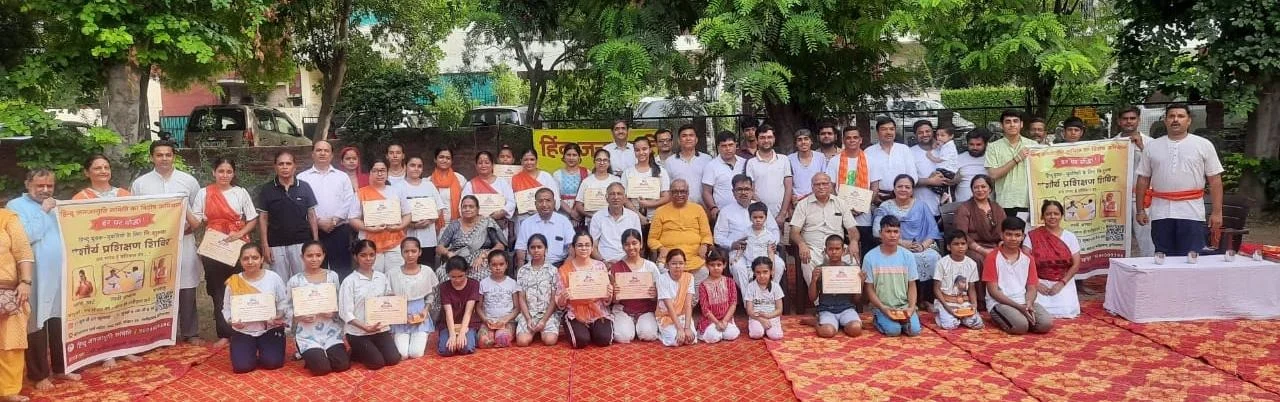
Large group of adults and children posing outdoors with certificates and two Hindi banners

A youth training initiative in Faridabad has placed self-defence within a broader conversation about confidence, discipline and community responsibility. The reported event offers a useful example of how practical preparedness can be framed as character formation rather than aggression.

The available account is brief, so its claims should be read with appropriate limits. What can be examined more fully is the principle behind such training: courage becomes socially valuable when it is governed by restraint, awareness and a commitment to protect rather than intimidate.
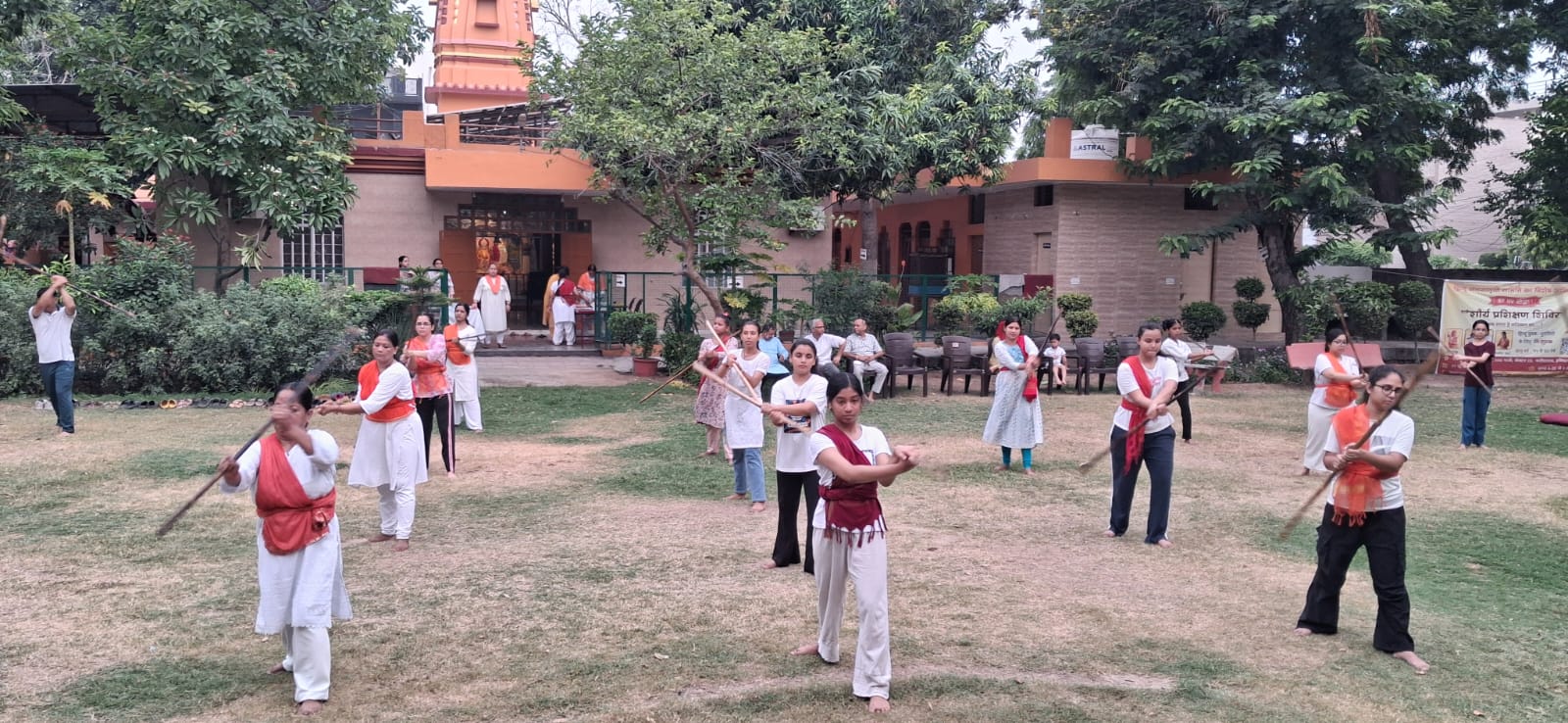
Women practice coordinated stick movements on a lawn while onlookers sit outside a tree-lined building.
A group of women in white, black, and red clothing rehearse with long wooden sticks across a lawn as spectators watch near a building and trees behind them.

What HJS says happened in Faridabad

According to Hindu Jagruti Samiti, it organised an eight-day Shaurya Jagruti camp in Faridabad under its ‘Har Ghar Yoddha’ initiative. The organisation reports that around 100 young men and women received self-defence training along with guidance intended to strengthen their confidence.
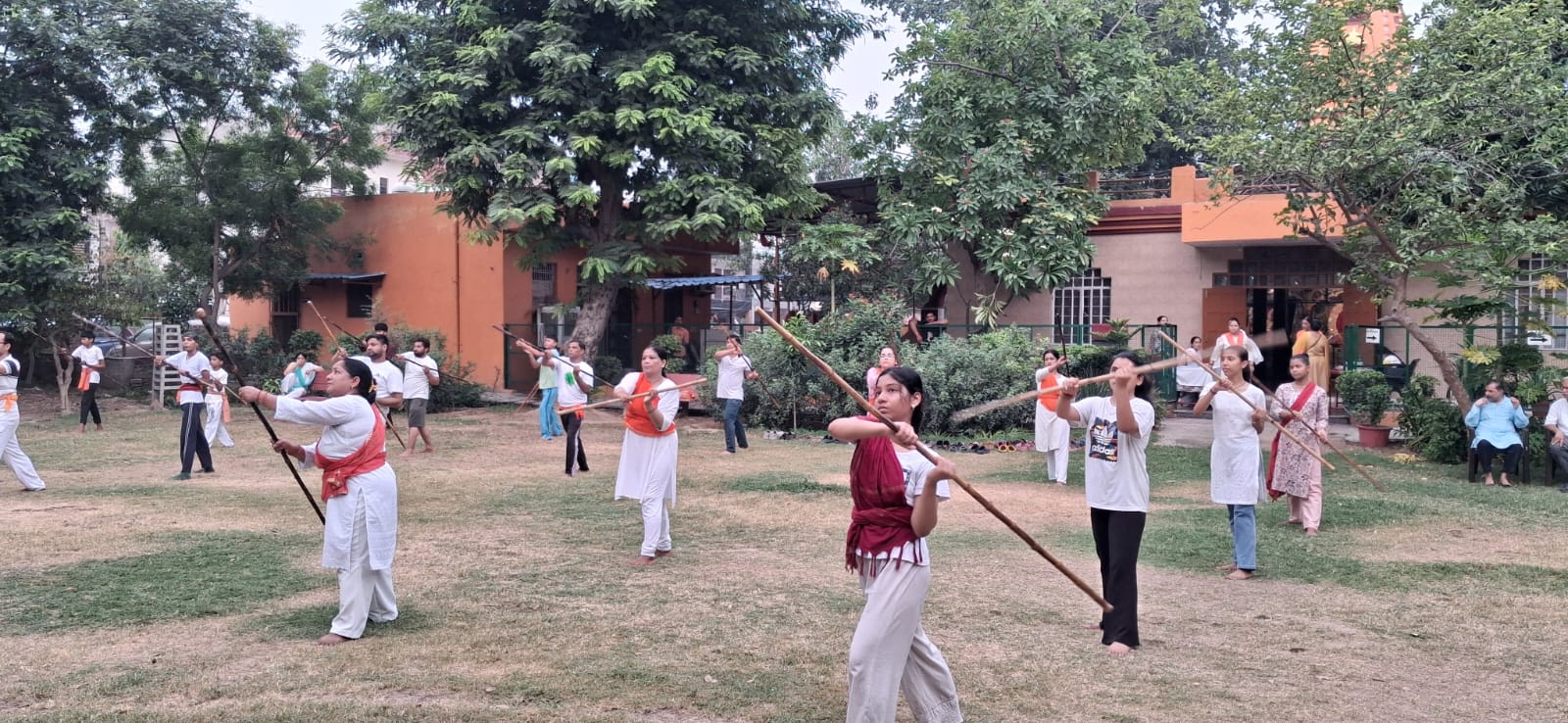
A group of people practice coordinated wooden-staff movements on a grassy lawn bordered by trees and buildings.
Participants spaced across a grassy courtyard hold long wooden staffs in varied practice positions, while several people watch from near the surrounding buildings.

The supplied report does not identify the exercises taught, the qualifications of the trainers, the precise venue, or any method used to assess results. It therefore supports a factual account of the programme and its stated purpose, but not conclusions about participants’ proficiency or the camp’s long-term impact.
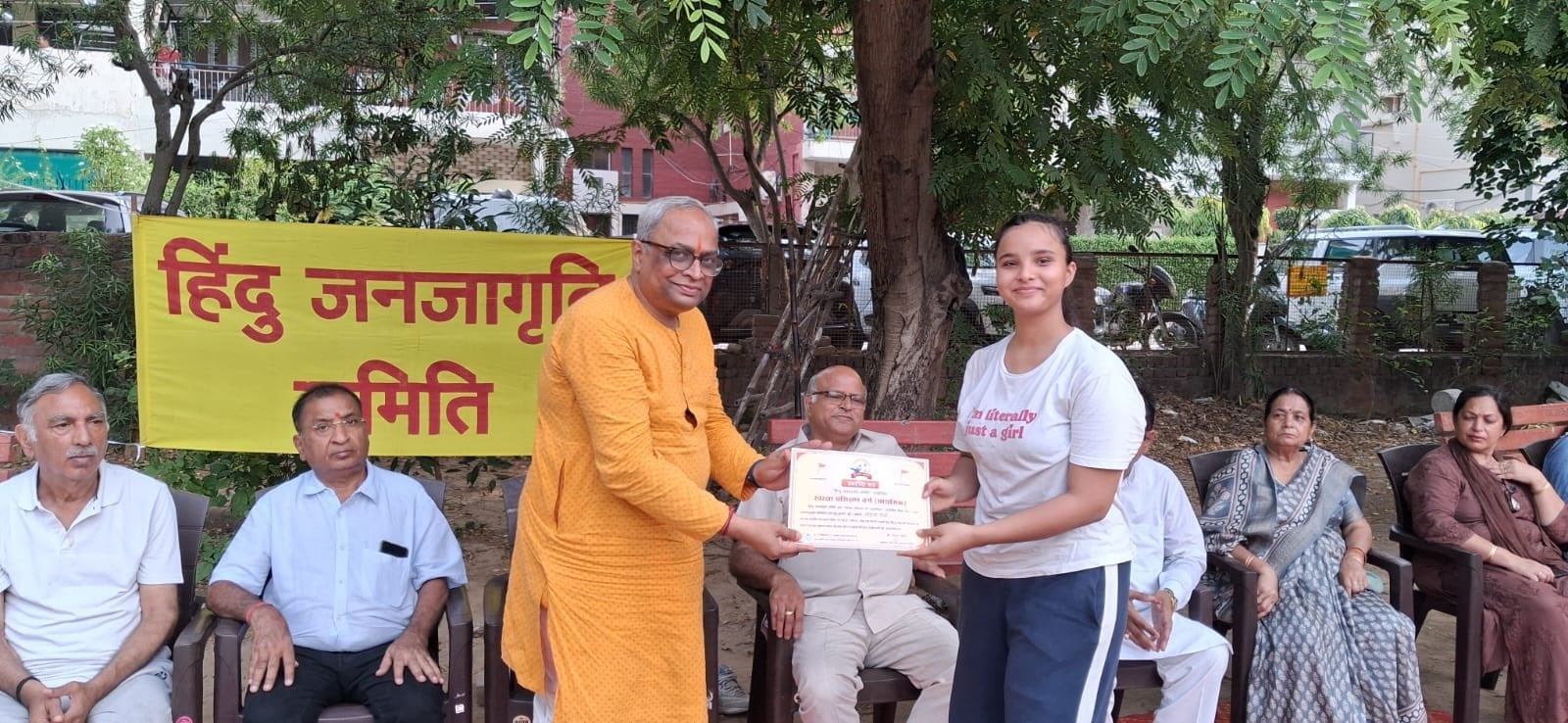
A man in an orange kurta presents a certificate to a young woman as seated adults look on beside a yellow Hindi banner.
A man and a young woman hold a certificate during an outdoor presentation, with seated adults and a yellow banner reading "हिंदु जनजागृति समिति" behind them.

Key takeaways

  • HJS reports an eight-day self-defence camp for around 100 young people in Faridabad.
  • The stated emphasis extended beyond physical technique to confidence-building and guidance.
  • The limited source does not provide enough information to evaluate the curriculum, safety standards or outcomes independently.

Confidence is the practical centre of the report

Self-defence is often imagined only as a set of physical responses. In responsible training, however, confidence also means remaining alert, setting boundaries, recognising danger and making decisions without panic. These capabilities can help a person avoid confrontation rather than seek it.
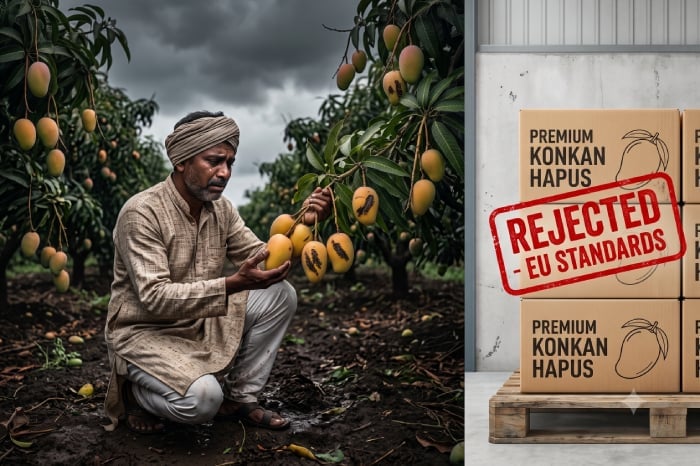
A farmer inspects blemished mangoes in a Konkan orchard beside boxes labeled Premium Konkan Hapus and stamped “Rejected – EU Standards.”
From orchard to export pallet, Konkan Hapus mangoes face scrutiny: a farmer examines damaged fruit while packed cartons bear a stark “Rejected – EU Standards” stamp.

That distinction is especially important in youth programmes. Training should not equate bravery with recklessness or physical dominance. Its constructive purpose is to develop composure and agency while reinforcing that personal safety, lawful conduct and the dignity of others remain inseparable.

Composite with Kenya’s flag, a courthouse, gavel, raised hand, locked halal seal and inspected meat, symbolizing legal scrutiny of food safety.
A symbolic scene of courts, public protest and food regulation underscores Surajya Abhiyan’s call for a high-level inquiry into unauthorized pesticide advice affecting Konkan Hapus mangoes.

A Dharmic framework joins courage to restraint

Dharmic traditions approach force and non-violence through different teachings, yet Hindu, Buddhist, Jain and Sikh thought all give serious attention to self-command, responsibility and the protection of life. Their differences need not be erased to recognise this shared moral discipline: strength is not complete unless conduct is governed by conscience.
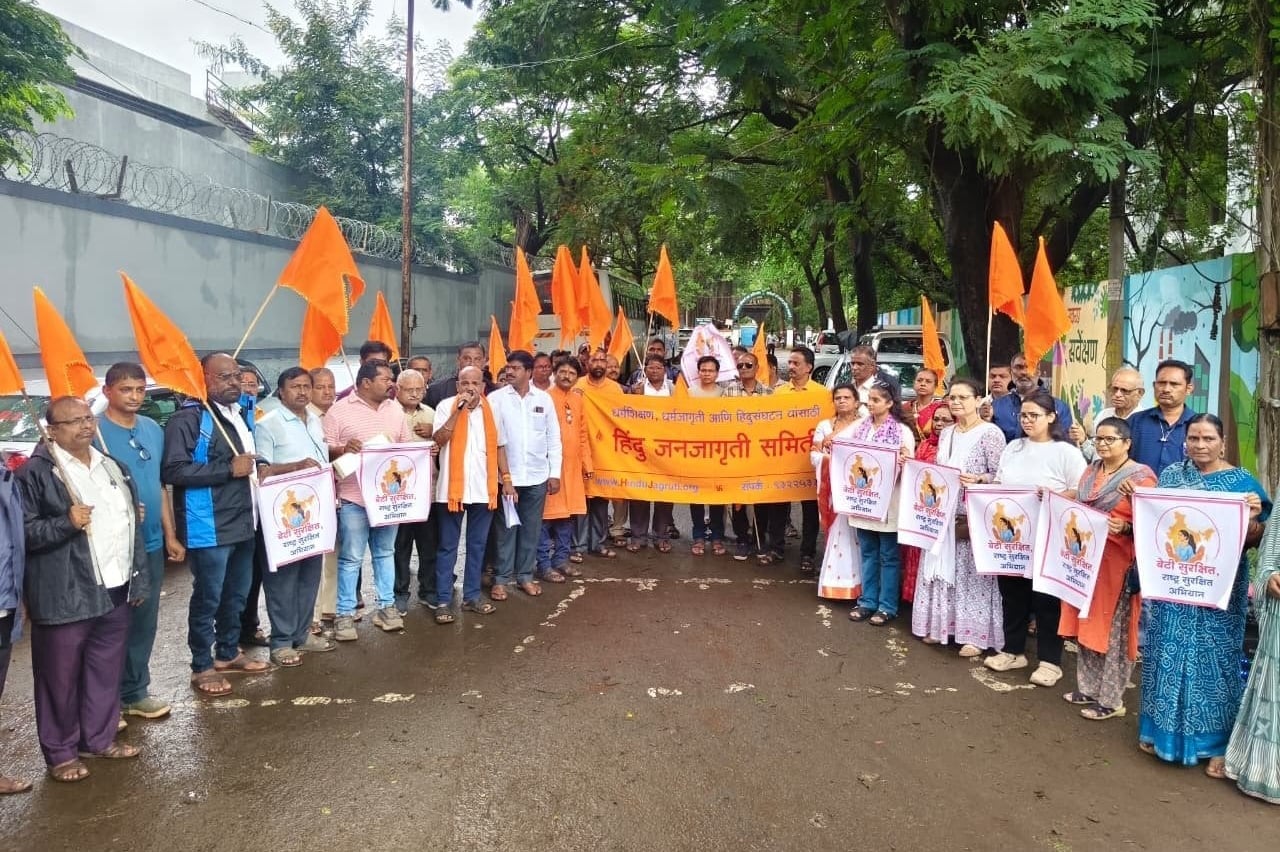
Members of Hindu Janajagruti Samiti gather on a tree-lined street with saffron flags, an orange banner and campaign placards.
Hindu Janajagruti Samiti members and supporters assemble with saffron flags and placards, illustrating coverage of changes to the revised NCERT Class 8 textbook.

Within Hindu thought, the ideal of disciplined courage is tied to dharma rather than anger or personal pride. A constructive civilisational understanding of Hindutva can apply the same test to community preparedness: does it produce citizens who are steadier, more service-minded and better able to protect the vulnerable? This framing turns valour into an ethical responsibility, not a licence for hostility.
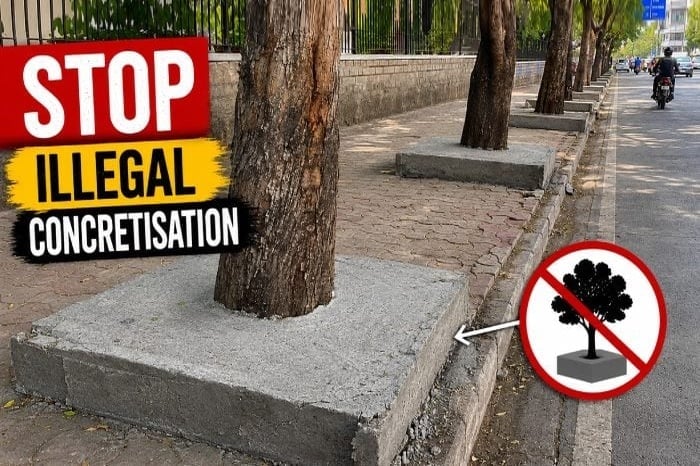
Roadside trees surrounded by concrete platforms beside a sign reading “Stop Illegal Concretisation” and a crossed-out tree symbol.
A “Stop Illegal Concretisation” graphic highlights trees boxed in by concrete along an urban footpath, an environmental image appearing among related content on the HJS news page.

What responsible training should make clear

Because the source does not describe the camp’s curriculum, no particular safeguard can be attributed to it. As a general standard, credible community self-defence programmes should distinguish physical instruction from slogans and ensure that participants understand prevention, de-escalation, proportionality, local law and safe practice.

Illustration of Shri Tuljabhavani Devi Mandir, temple land records and seal, representing Maharashtra inquiry into 4,121-acre Inam land scam
Shri Tuljabhavani Devi Mandir is shown with temple records and an official seal, symbolising the Maharashtra Government’s inquiry into the alleged 4,121-acre land scam.

They should also provide appropriate supervision, inclusive participation and realistic guidance about the limits of brief training. An eight-day programme may introduce concepts and build motivation, but the report alone does not establish mastery. Honest expectations protect participants from false confidence and keep the emphasis on continued discipline.
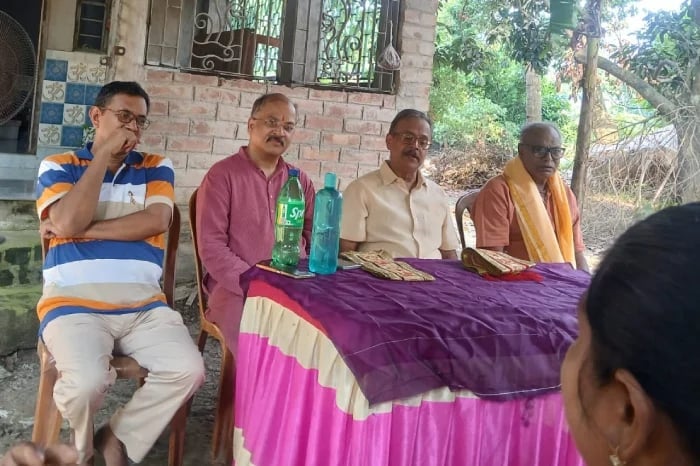
Four men sit at an outdoor community gathering, three behind a cloth-covered table, during a Hindu organisations’ campaign event in Ichalkaranji.
Representatives sit before attendees at an Ichalkaranji gathering connected to a joint protest by Hindu organisations seeking Maharashtra’s proposed anti-love jihad law.

The lasting measure is conduct after the camp

The Faridabad initiative will ultimately be meaningful to the extent that its stated confidence-building aim is reflected in calm judgment, mutual respect and service to society. Future reporting with curriculum details, safety practices and participant outcomes would make it easier to judge how effectively that promise is being fulfilled.

Graphic of the Taj Mahal with a petition icon and crossed-out Taj Mahal label replaced by Tejo Mahalaya, tied to Hindu Janajagruti Samiti messaging.
A petition-themed Taj Mahal graphic labeled Tejo Mahalaya appears alongside Hindu Janajagruti Samiti outreach coverage on Hindu unity and Hindu Rashtra-Jagruti Abhiyan themes.

Inspired by this post on Hindu Jagruti Samiti.


Graphic with an orange DONATE button and heart icons on a dark mandala background. Overlay text asks to support dharma-renaissance.org in reviving and sharing dharmic wisdom. Cultural Insights, Personal Reflections.

FAQs

What did Hindu Jagruti Samiti report about the Faridabad youth camp?

According to Hindu Jagruti Samiti, it organised an eight-day Shaurya Jagruti camp in Faridabad under its ‘Har Ghar Yoddha’ initiative. The organisation reported that around 100 young men and women received self-defence training and guidance intended to strengthen their confidence.

How does the article connect self-defence with confidence?

It describes confidence as remaining alert, setting boundaries, recognising danger and making decisions without panic, not merely as a physical response. Those capabilities can help a person avoid confrontation rather than seek it.

What does the source leave unknown about the camp?

The supplied report does not identify the exercises taught, the trainers’ qualifications, the precise venue or any method used to assess results. It therefore does not establish participants’ proficiency, the camp’s long-term impact or an independent evaluation of its curriculum and safety standards.

What should responsible community self-defence training make clear?

The article says credible programmes should address prevention, de-escalation, proportionality, local law and safe practice. They should also provide appropriate supervision, inclusive participation and realistic guidance about the limits of brief training.

How does the article frame courage through Dharmic values?

It presents disciplined courage as governed by self-command, conscience, responsibility and the protection of life. In this framework, strength should support calm judgment and service rather than anger, pride, intimidation or hostility.

Does an eight-day self-defence camp establish mastery?

Not on the evidence provided. The article says an eight-day programme may introduce concepts and build motivation, but the limited report alone does not establish mastery.

How should the camp's lasting value be assessed?

The article says its lasting value depends on whether confidence is reflected in calm judgment, mutual respect and service to society. More reporting on the curriculum, safety practices and participant outcomes would be needed for a stronger evaluation.

Leave a Reply